
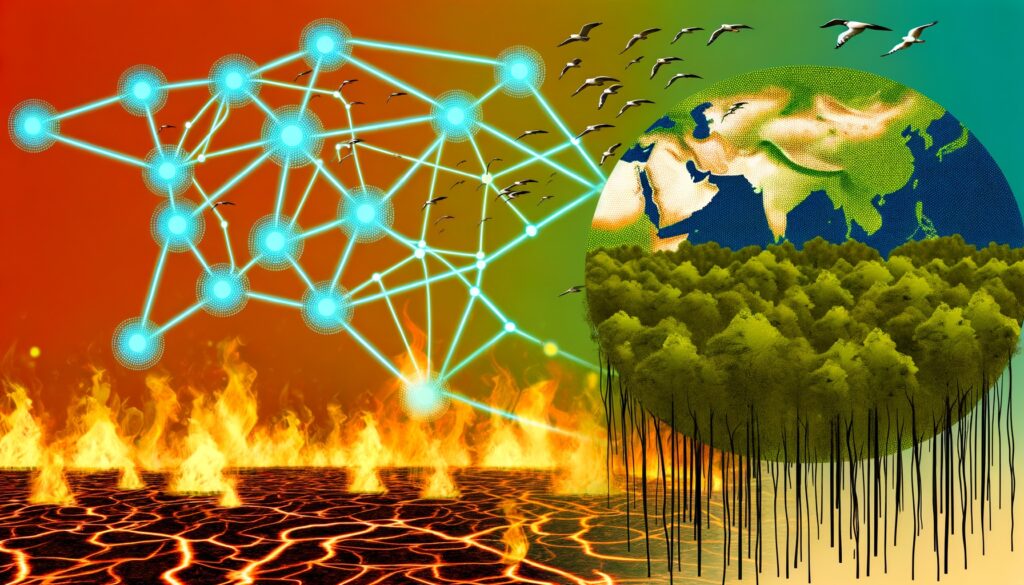
Artificial intelligence (AI) is transforming the way we live, work, and solve problems. From healthcare to climate modeling, AI offers powerful tools to make decisions faster and smarter. But experts warn that AI comes with a hidden cost: heavy energy use that can harm the environment.
Here’s an easy-to-understand look at why AI consumes so much energy, its environmental impact, and how we can make it more sustainable.
Why AI Uses So Much Energy
AI systems, especially large models, require enormous amounts of electricity. Some reasons include:
- Training Large Models: Teaching AI to recognize patterns or make predictions uses thousands of computers running constantly
- Data Storage: Storing the massive amounts of data needed for AI consumes significant energy in data centers
- Real-Time Operations: AI that continuously updates or processes live data needs power around the clock
- Hardware Requirements: GPUs and other specialized chips used in AI are energy-hungry
For example, training a single large AI model can consume as much electricity as an average household does in a year.
Environmental Impact of AI
The energy demand of AI contributes to environmental challenges:
- Carbon Emissions: If electricity comes from fossil fuels, AI indirectly produces greenhouse gases
- Resource Extraction: Manufacturing AI hardware requires rare metals and minerals, which have ecological costs
- Electronic Waste: Frequent hardware upgrades generate e-waste
- Cooling Needs: Data centers need additional power for cooling systems, further increasing energy use
These hidden costs show that AI isn’t completely “green” and must be managed responsibly.
Balancing AI Benefits with Environmental Costs
While AI has environmental costs, it can also help fight climate change. Solutions include:
- Energy-Efficient AI Models: Designing smaller, optimized AI models reduces energy consumption
- Renewable-Powered Data Centers: Using solar, wind, or hydroelectric energy cuts carbon emissions
- Recycling Hardware: Extending the life of AI equipment reduces waste and resource use
- AI for Sustainability: AI itself can optimize energy grids, predict climate impacts, and reduce industrial waste
By combining responsible AI design with clean energy, we can maximize benefits while minimizing harm.
Real-World Applications with Lower Environmental Impact
Some examples of AI helping sustainably include:
- Smart Energy Management: AI balances electricity use in buildings, factories, and grids
- Predicting Renewable Energy Output: AI forecasts solar and wind power availability to reduce waste
- Precision Agriculture: AI suggests efficient water and fertilizer use, reducing emissions and conserving resources
- Disaster Preparedness: AI helps plan evacuations and resource distribution efficiently, saving lives and energy
These applications show that AI can both improve life and protect the planet when used wisely.
Challenges Ahead
Despite improvements, AI still faces challenges:
- Inefficient Models: Some AI systems are unnecessarily large and energy-intensive
- Unequal Access to Renewable Energy: Not all regions can power AI sustainably
- Rapid Hardware Turnover: Frequent upgrades produce e-waste and increase environmental impact
- Transparency Issues: Many companies do not report the energy usage of AI systems
Addressing these issues is key to creating environmentally responsible AI.
The Future of Sustainable AI
Looking ahead, AI can become greener if we:
- Optimize Models: Make smaller, efficient AI systems that use less power
- Use Clean Energy Everywhere: Power AI data centers with renewable sources
- Recycle and Reuse Hardware: Reduce electronic waste and resource extraction
- Prioritize Sustainability in AI Design: Include environmental impact as a core metric
Sustainable AI ensures we benefit from technology without harming the planet.
Conclusion
Artificial intelligence is a powerful tool with great potential, but its energy demands and environmental impact cannot be ignored. By designing energy-efficient models, using renewable power, and recycling hardware, we can reduce the hidden costs of AI.
Responsible AI use allows us to enjoy the benefits of advanced technology while protecting the environment for future generations.
Read Also: Keep your face towards the sunshine and shadows will fall behind you
Watch Also: https://www.youtube.com/@TravelsofTheWorld24










Leave a Reply