

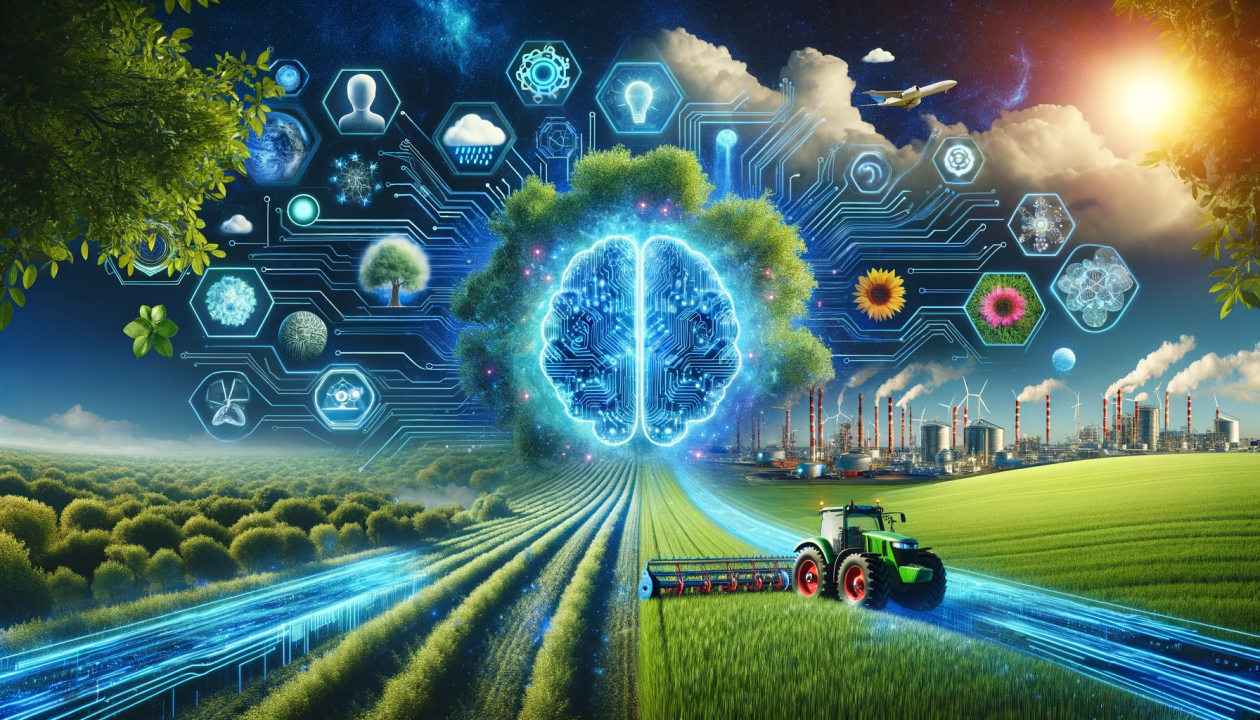
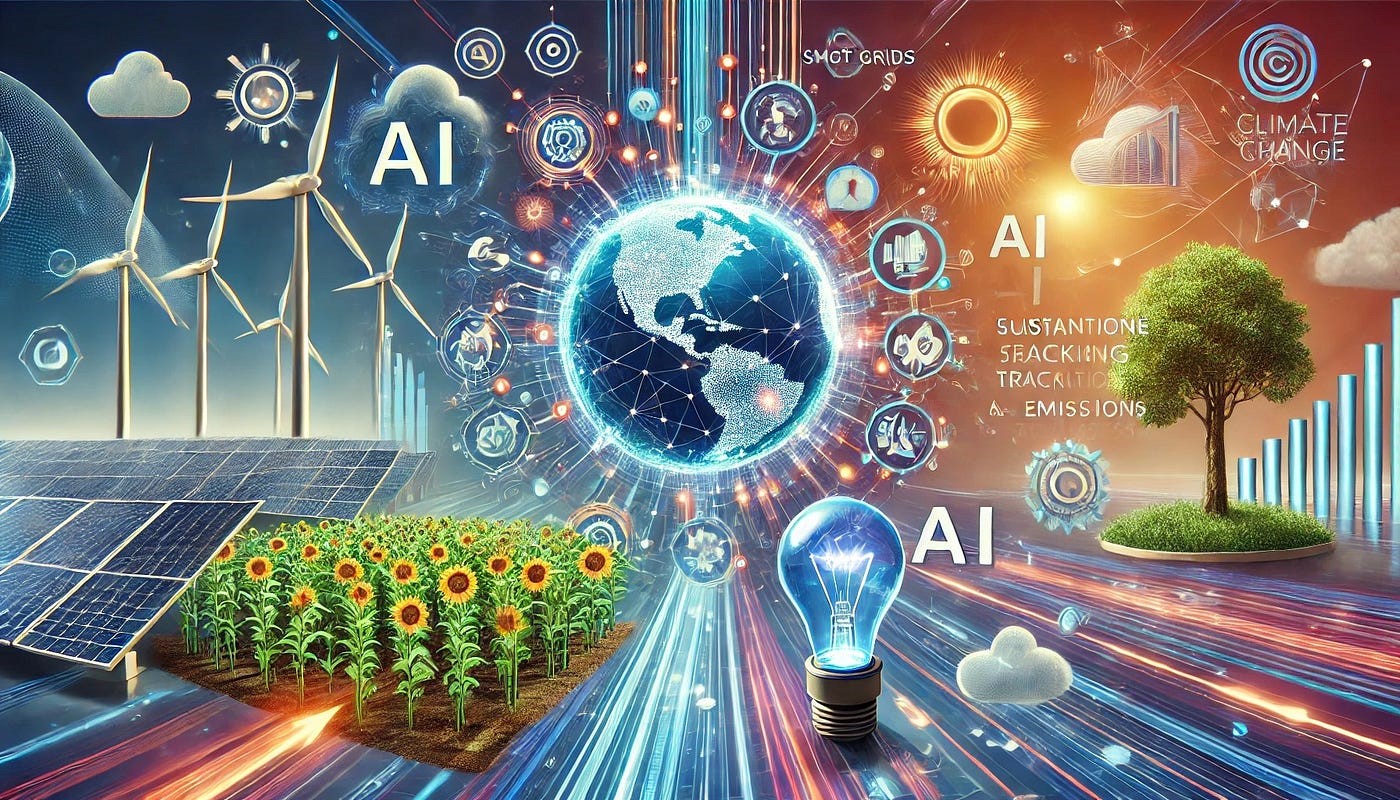
Artificial intelligence (AI) is becoming a powerful tool in the fight against climate change. By analyzing massive amounts of data from satellites, sensors, and climate models, AI can help predict extreme events, optimize energy use, track emissions, and support policy decisions. The future of AI in climate change mitigation promises smarter, faster, and more effective solutions for protecting the planet.
Here’s how AI is shaping the future of climate action.
How AI Helps Understand Climate Change
AI can process enormous datasets that would take humans years to analyze. Applications include:
- Predicting Weather and Extreme Events: AI models analyze historical and real-time data to forecast hurricanes, floods, droughts, and heatwaves
- Monitoring Greenhouse Gas Emissions: AI identifies sources of CO2 and methane from satellite imagery and ground sensors
- Tracking Environmental Changes: AI detects deforestation, melting glaciers, and sea level rise
- Modeling Future Scenarios: AI helps simulate climate outcomes under different policy and energy strategies
By providing insights quickly, AI allows communities and governments to act proactively.
AI in Renewable Energy
AI can optimize the production and use of renewable energy:
- Smart Grid Management: AI balances electricity supply and demand, reducing waste
- Solar and Wind Forecasting: Predicts when and where renewable energy sources will produce power
- Energy Storage Optimization: AI improves efficiency in batteries and storage systems
- Reducing Carbon Footprint: AI identifies ways to cut emissions in industrial and transportation sectors
This ensures clean energy is used effectively and reduces reliance on fossil fuels.
AI for Agriculture and Land Use
Agriculture contributes significantly to greenhouse gas emissions, but AI can help:
- Precision Farming: AI recommends optimal planting, irrigation, and fertilization to reduce waste
- Monitoring Crop Health: Satellites and AI detect disease or stress in crops early
- Carbon Sequestration: AI helps manage forests and soils to capture carbon
- Sustainable Land Management: Identifies areas at risk of deforestation or degradation
AI improves food security while reducing environmental impact.
Disaster Mitigation and Risk Reduction
AI supports disaster preparedness and response:
- Early Warning Systems: Predicts floods, wildfires, and storms to alert communities
- Resource Allocation: Helps governments deploy emergency aid efficiently
- Infrastructure Planning: AI identifies areas at high risk of climate-related damage
- Recovery Planning: Supports long-term rebuilding strategies to reduce vulnerability
AI ensures better protection for people and property in a changing climate.
AI for Transportation and Industry
Transportation and industry are major sources of emissions. AI can help reduce their impact:
- Optimizing Logistics: AI plans routes for trucks, ships, and planes to save fuel
- Energy Efficiency in Factories: AI identifies ways to reduce waste and emissions
- Electric Vehicle Management: AI helps charge EVs at optimal times using renewable energy
- Carbon Footprint Tracking: AI monitors emissions across industrial supply chains
These measures make industries cleaner and more efficient.
Open Science and Collaboration
AI works best when combined with open science:
- Shared Data: Scientists worldwide can access satellite and sensor data to build better AI models
- Collaboration Across Disciplines: Climate scientists, engineers, and AI experts work together
- Transparency: Open models allow communities to trust and act on AI predictions
- Global Solutions: Shared tools and insights accelerate climate mitigation efforts
Open science ensures AI benefits everyone, not just researchers or companies.
Challenges and Considerations
While AI offers many solutions, challenges remain:
- Data Quality: AI requires accurate and comprehensive datasets
- Bias in Models: Poorly designed algorithms can produce misleading predictions
- Energy Use of AI: Training AI models consumes electricity, which must come from renewable sources to avoid counteracting climate benefits
- Accessibility: Developing countries may lack resources to deploy AI tools effectively
Addressing these challenges is key to using AI responsibly for climate action.
The Future of AI in Climate Change Mitigation
Looking ahead, AI will continue to expand its role:
- Predicting Climate Tipping Points: AI may identify critical thresholds for ice melt, ocean currents, or ecosystem collapse
- Integrating AI Across Sectors: Energy, agriculture, transportation, and cities will all benefit from coordinated AI solutions
- Real-Time Climate Decision Support: AI could provide instant recommendations to governments and businesses
- Empowering Communities: AI tools will help local populations understand risks and make sustainable choices
AI will not replace human action but will make climate mitigation faster, smarter, and more precise.
Why AI Matters for Climate Action
Climate change is urgent and complex. AI helps by:
- Turning large datasets into actionable insights
- Reducing emissions across industries and communities
- Improving disaster preparedness and response
- Supporting sustainable development and planning
With AI, humanity can respond more effectively to climate challenges and build a resilient future.
Conclusion
Artificial intelligence is transforming how we approach climate change. By combining AI with open science, NASA and other organizations can analyze massive datasets, predict future scenarios, optimize resources, and guide global action.
The future of AI in climate mitigation is promising: smarter energy systems, efficient agriculture, disaster resilience, and cleaner industry. With collaboration, transparency, and responsible use, AI can help humanity protect the planet and adapt to a changing climate.
Read Also: Keep your face towards the sunshine and shadows will fall behind you
Watch Also: https://www.youtube.com/@TravelsofTheWorld24











Leave a Reply