
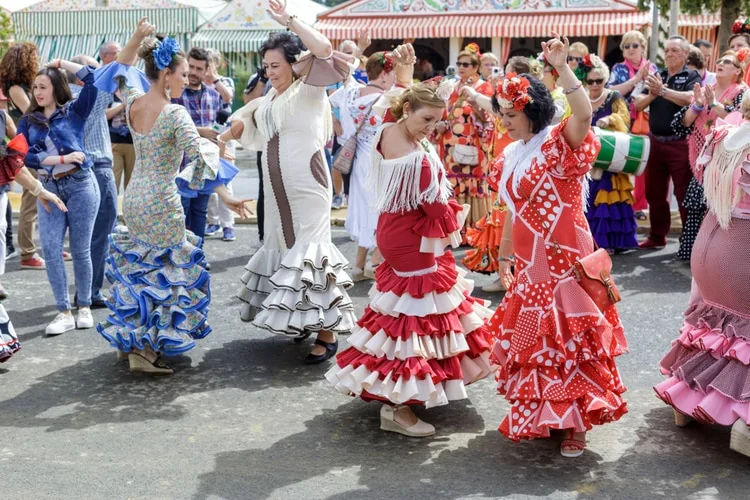
Spain is known around the world for its rich culture, fiery music, and passionate dances. When people think of Spanish dance, many picture flamenco — bright dresses, strong footwork, and deep emotion. But Spain has many traditional dances that come from different regions, each with its own history, rhythm, and feeling. Together, they show how lively, diverse, and beautiful Spanish culture truly is.
In this article, you’ll explore 11 traditional Spanish dances worth trying if you visit Spain. Some are slow and expressive, some are joyful and fast, and others connect to ancient festivals and local traditions. No matter which dance you choose, you’ll find a story behind it — one that reflects the people and places of Spain.
Let’s begin our journey through the rhythm and movement of Spain.
1. Flamenco
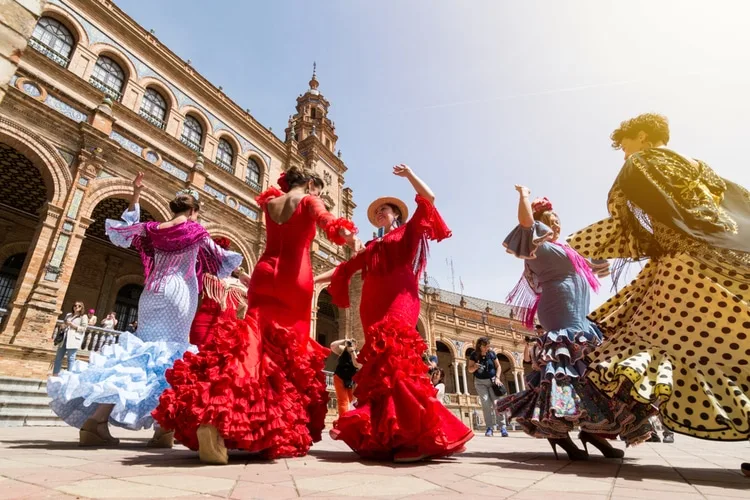
When people think of Spanish dance, Flamenco is usually the first that comes to mind. It comes from the region of Andalusia in southern Spain and is one of the most emotional and powerful dance forms in the world.
Flamenco is not just one thing — it’s a combination of dance, music, and song. The dancer moves with deep intensity, expressing feelings like longing, joy, or sadness. The music often features a guitar, hand claps (called palmas), and emotional singing (cante).
What makes flamenco special is its raw expression. Dancers use strong footwork, dramatic arm movements, and deep emotion in every step. If you want a dance that speaks straight from the heart, flamenco is a beautiful place to start.
2. Sevillanas
Sevillanas is a joyful and lively dance from Seville, a city in southern Spain. It is often danced at festivals and celebrations, especially during the Feria de Abril (April Fair).
Even though Sevillanas is related to flamenco in style, it is lighter and more social. People often dance in couples and groups in a circle. The steps are repeated, organized into four parts, and the music has a clear rhythm that makes it easy to follow.
This dance is a great choice for beginners — it’s friendly, fun, and full of Spanish spirit.
3. Sardana
The Sardana comes from Catalonia, a region in northeast Spain. It is quite different from flamenco or Sevillanas because it is a group dance where people join hands and move in a circle.
The steps are small and precise, and the rhythm comes from a traditional band called a cobla. Sardana is more than a dance — it represents unity and community. People of all ages join together, often in town squares or at festivals.
If you want a dance that connects you to local people and traditions, Sardana is a wonderful experience.
4. Jota
Jota is a dance style found in several regions of Spain, including Aragon, Valencia, and Castile. The music is lively and cheerful, featuring guitars, castanets, and sometimes singing.
What makes Jota exciting is its energy. Dancers move quickly with light footwork, hand claps, and spinning skirts. Couples often perform together, showing both grace and strength.
Though styles vary from region to region, the heart of Jota is celebration — a dance meant for joyous occasions.
5. Fandango
Fandango is a traditional Spanish dance with deep roots in history. It can be danced as a couple or in a group, and the music is often played on guitars and castanets. The rhythm is lively, and dancers show their skill through fast footwork and expressive arm movement.
Different regions add their own flavor to the dance, so you might see Fandango with slightly different steps or music depending on where you are in Spain.
Trying Fandango is a great way to feel the connection between music and movement in traditional Spanish culture.
6. Muñeira
Muñeira is a folk dance from Galicia, in northwest Spain. The music has Celtic influences, similar to music you might hear in Ireland or Scotland, and is often played with a bagpipe‑like instrument called a gaita.
The dance is joyful, with quick footwork and lively group movement. People often dance in lines or circles, and the steps can feel fast and rhythmic.
Muñeira is perfect if you want to experience a Spanish dance with a different cultural flavor — one that feels both traditional and uplifting.
7. Bolero
The Bolero is a slower, more romantic Spanish dance. It originally comes from the 18th century and became very popular throughout Spain and later around the world.
The rhythm of Bolero is slow and smooth, giving dancers time to express emotion and grace. The steps emphasize elegance — gentle footwork, controlled movement, and beautiful arm gestures.
Bolero is a great choice if you want to feel the poetic side of Spanish dance — one that speaks through slow, expressive movement.
8. Sevillano/Sevillanas Rocieras
Though very similar to Sevillanas, Sevillano or Sevillanas Rocieras has a regional variation often seen during the pilgrimage to El Rocío, a famous festival in southern Spain. The music and steps have a slightly different rhythm and feel, but the overall joy and community energy remain strong.
Dancing Sevillano during a festival feels like joining a living tradition — one where music, dance, and celebration blend into an unforgettable experience.
9. Paso Doble
Paso Doble is one of the most dramatic dances you can try. Though it is now a part of ballroom dance competitions around the world, it comes from Spanish traditions linked with bullfighting.
In Paso Doble, one dancer represents the matador, and the other can represent the cape or the bull. The movement is bold, sharp, and confident, reflecting the power and drama of the bullring.
This dance is perfect if you enjoy strong, theatrical movement that tells a story through posture and rhythm.
10. Sevillanas Flamencas
While Sevillanas and Flamenco are different forms, Sevillanas Flamencas blends the two — taking the joyful structure of Sevillanas and infusing it with the deeper expression and intensity of flamenco.
This hybrid style gives you the social joy of Sevillanas with the emotional depth and dynamic movement of flamenco. Dancers often wear colorful skirts, use castanets, and express both strength and grace.
If you love both tradition and emotion, Sevillanas Flamencas offers a beautiful combination.
11 Traditional Spanish Dances You Must Try in Spain
11. Cachucha
Finally, Cachucha is a traditional Spanish solo dance that gained popularity in the 19th century. It is playful, light, and elegant — often danced by a single person with a small castanet in each hand.
The steps are smooth, with fluid arm movement and quick footwork that feels cheerful and lively. The dance has a joyful rhythm that makes people smile and want to move along with it.
Cachucha is a wonderful way to experience Spanish dance in its solo form — expressive, upbeat, and full of personality.
Why Spanish Dance Matters
Every one of these dances tells a story.
Spanish dance is more than just steps. It carries:
-
History — passed down through generations
-
Culture — rooted in local traditions and celebrations
-
Emotion — expressed through movement and rhythm
-
Community — many dances are social and shared with others
When you try any of these dances, you’re not just learning movement — you are stepping into a tradition that connects people across time and place.
Where You Can Try These Dances in Spain
If you visit Spain, you can often experience these dances in many ways:
1. Festivals and Fairs
In towns and cities across Spain, festivals bring traditional dance to the streets. People dance in plazas, wear traditional costumes, and celebrate with music and food.
2. Dance Schools and Workshops
Many cities have schools that offer classes for beginners and travelers. You can learn basic steps and experience dance firsthand.
3. Local Events
Small towns often have community dances where everyone is invited to join. These are beautiful ways to connect with local culture.
4. Performances and Shows
Theaters and cultural centers present professional dance shows that explain the history and artistry behind each style.
Tips for Beginners
If you’re new to Spanish dance and want to try it:
Start Slow
Some dances like Bolero or Sevillanas begin with simple steps — perfect for beginners.
Watch First
Observe local dancers to see how they move. This helps you feel the rhythm and style.
Listen to Music
Spanish dance is all about rhythm. Listening to the music helps you understand the beat and movement.
Find a Group
Dancing with others — especially in social dances like Sardana or Sevillanas — makes the experience more fun.
Be Open
Don’t worry about being perfect. Spanish dance is about feeling, celebration, and connection.
Final Thoughts
Spain’s traditional dances are alive with energy, history, and heart. Whether you step into a plaza during a local festival or join a workshop in a cultural center, these dances offer a beautiful way to experience Spanish life.
From the intense emotion of flamenco to the joyful steps of Sardana, each dance has its own voice. Trying them connects you not just to movement, but to people, traditions, and the soul of Spain itself.
So if you find yourself in Spain, follow the music, feel the rhythm, and let your feet guide you through the rich world of Spanish dance.
Read Also: Keep your face towards the sunshine and shadows will fall behind you
Watch Also: https://www.youtube.com/@TravelsofTheWorld24





Leave a Reply