
As the weather turns cooler and days get shorter, something exciting happens in the world of dance. A whole new season of performances, festivals, and artistic events begins. This fall brings not just one or two shows, but a wide variety of works from emerging artists and established companies. Some performances will make you think deeply. Others will make you move, laugh, or simply feel alive. Many will blend tradition with new ideas. It’s a moment when dance truly comes alive.
In this season, big companies like New York City Ballet and Alvin Ailey American Dance Theater will share beloved classics. At the same time, innovative creators like (La)Horde collective and Ligia Lewis are offering new works that push the boundaries of movement and storytelling. Together, they show that dance is always changing — always growing — and always finding ways to touch our hearts.
This article will take you through what’s coming this fall. You’ll learn the stories behind some of the works, why these performances matter, and what audiences can expect. Whether you are a long-time dance fan or someone curious to explore something new, there is something here for you.
A Season of Variety and Vision
Every dance season has its own personality, and this fall’s is one full of contrast and conversation. You’ll find:
-
Classics that have stood the test of time
-
New pieces that challenge our ideas about movement
-
Collaborative works that mix art forms
-
Festivals that celebrate community and cultural expression
It’s a season where tradition meets experimentation — and where every kind of audience can find something meaningful.
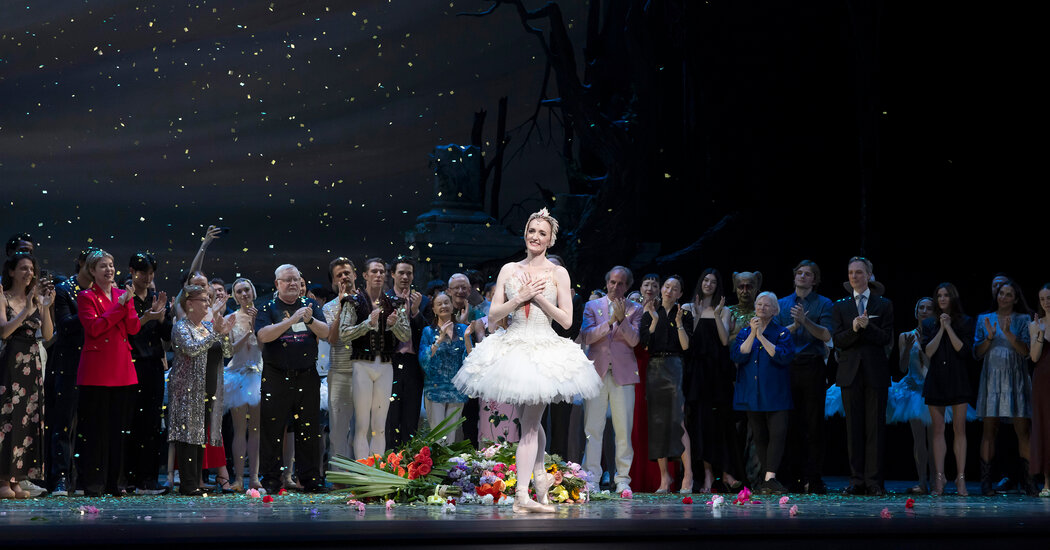
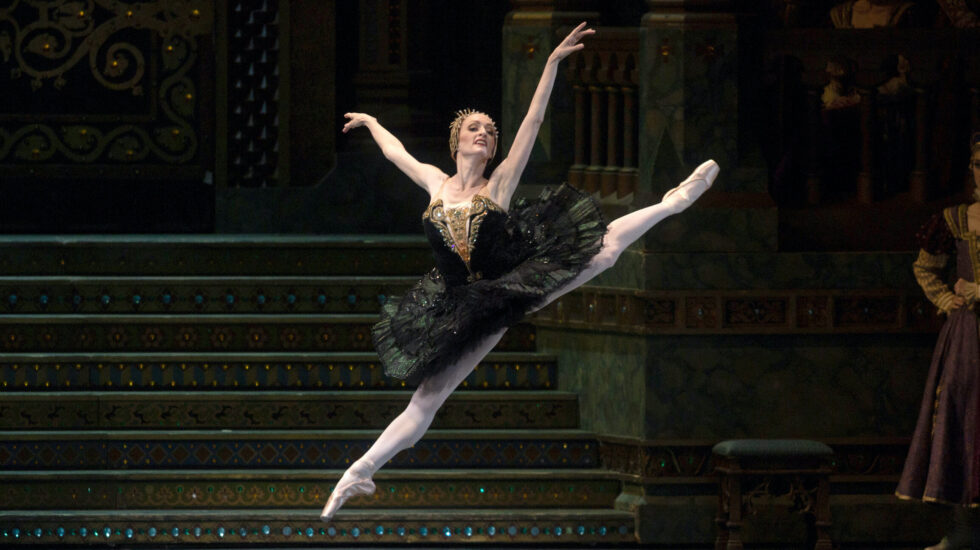
New York City Ballet: Icons and Elegance
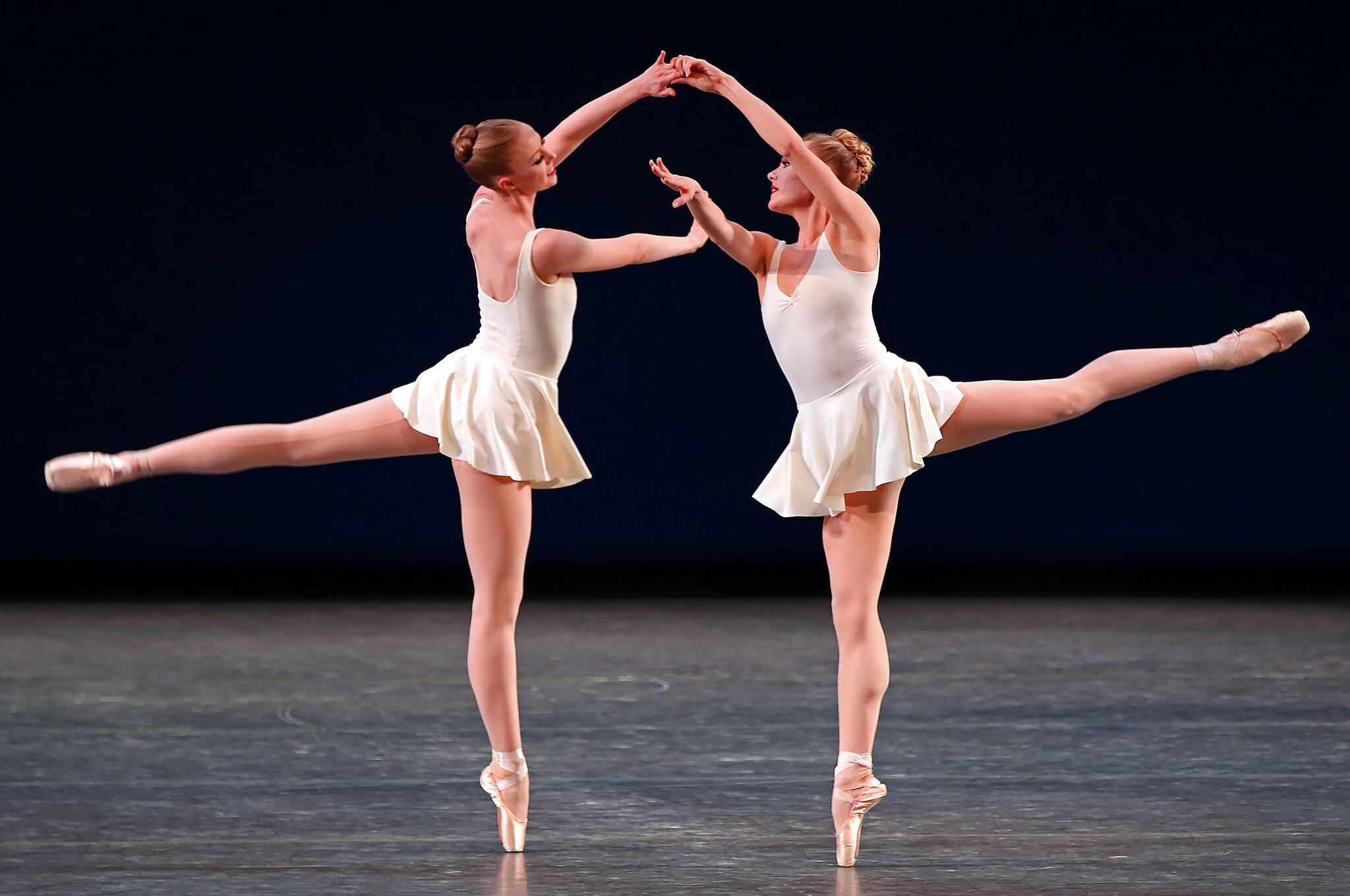
One of the highlights of the fall season is the lineup from New York City Ballet. If you’ve ever seen their performances, you know they are a blend of finesse, clarity, and emotional depth. Founded by George Balanchine, the company has shaped the world of ballet for decades.
This fall, audiences can expect a mix of beloved classics and innovative works. Shows might include:
-
Balanchine favorites, known for their precision and musical clarity
-
New choreographies that reflect contemporary ideas while honoring the tradition of ballet
-
Programs that blend classical and modern elements
New York City Ballet’s performances are known for their beauty. When dancers move across the stage, even simple steps can look like poetry in motion. For many people, seeing this company live is a reminder of how powerful ballet can be — graceful, expressive, and full of feeling.
Alvin Ailey American Dance Theater: Soul, Strength, and Story
Another cornerstone of the fall season is performances by Alvin Ailey American Dance Theater. This company is more than just dancers on a stage — it is a voice in motion. Its work reflects life, history, culture, pain, joy, and triumph.
Alvin Ailey himself once said that dance is the “hidden language of the soul.” That phrase sums up much of the company’s spirit. Ailey’s work tells stories that words sometimes cannot. Through movement, music, and human expression, audiences experience the full range of human feeling.
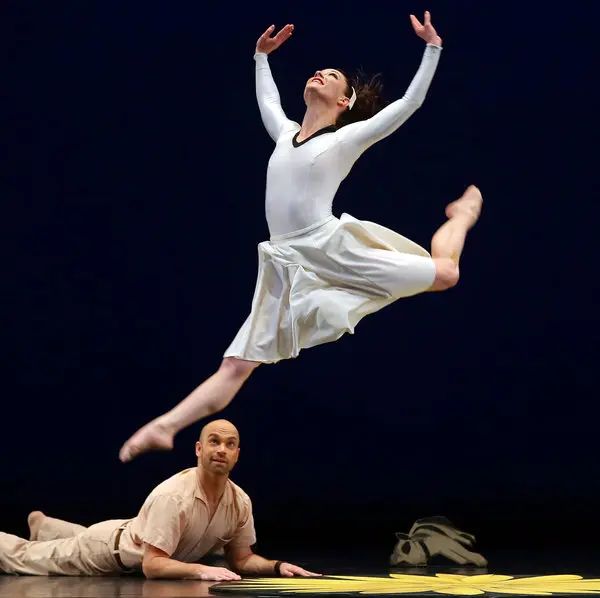
This fall, audiences might see classics like Revelations — one of the most celebrated modern dance works in history — alongside other pieces that reflect the varied voices within the company today.
Seeing Alvin Ailey live is powerful because it connects people to shared emotion. It doesn’t matter where you come from, what language you speak, or how much dance you’ve seen before. The experience reaches deep into the heart.
(La)Horde Collective: Dance That Breaks Boundaries
While the classics bring comfort and beauty, this fall also introduces bold works by artists who are reshaping what dance can be. One of the most talked‑about groups in this category is (La)Horde collective.
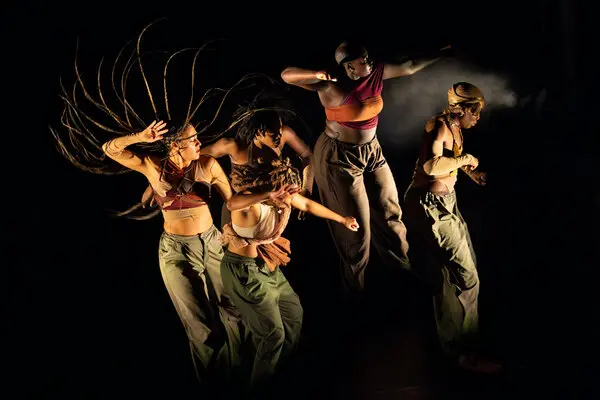
(LA)Horde is not a typical dance company. It is a group of artists who come together to create work that feels urgent, alive, and unpredictable. Their style mixes elements of contemporary dance, visual art, and theater — and they often invite the audience to think differently about what movement can express.
This season’s work from (La)Horde will likely surprise and engage audiences. Expect performances that:
-
Blend dance with striking visual imagery
-
Use space in unexpected ways
-
Blur the line between performer and viewer
-
Raise questions about society, identity, and perception
(LA)Horde’s work is often described as immersive — meaning it doesn’t just happen on a stage but around you, pulling you into the experience. It reflects a more experimental side of the dance world and reminds audiences that art can be playful, challenging, and thought‑provoking all at once.
Ligia Lewis: A Unique Voice in Contemporary Dance
Another exciting artist on the fall schedule is Ligia Lewis. Her work is known for its intellectual depth and emotional intensity. Lewis creates pieces that feel almost like conversations — conversations between movement, space, sound, and thought.
Her choreography often explores big questions:
-
What does it mean to exist in a body?
-
How do systems of power shape our experiences?
-
How does vulnerability become strength?
Many of her pieces are slower than what people expect in dance. But that slowness is intentional. It gives the audience time to feel, to think, and to connect every inch of movement with meaning.
Ligia Lewis’s work feels like watching poetry unfold in space. It is not always easy, but it is deeply rewarding.
Festivals: A Celebration of Community and Culture
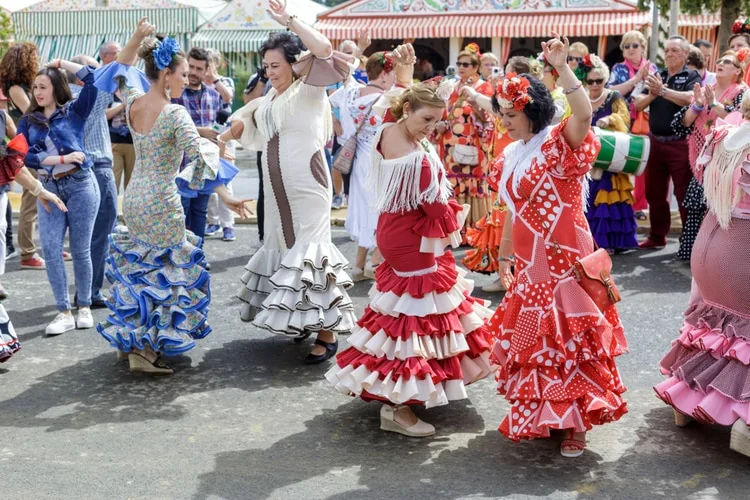
In addition to performances by individual companies or artists, many cities host fall dance festivals. These events bring together multiple works, often from different cultural backgrounds and artistic styles.
Dance festivals are special because they:
-
Allow audiences to see many artists in one place
-
Highlight connections between communities
-
Offer workshops, talks, and interactive events
-
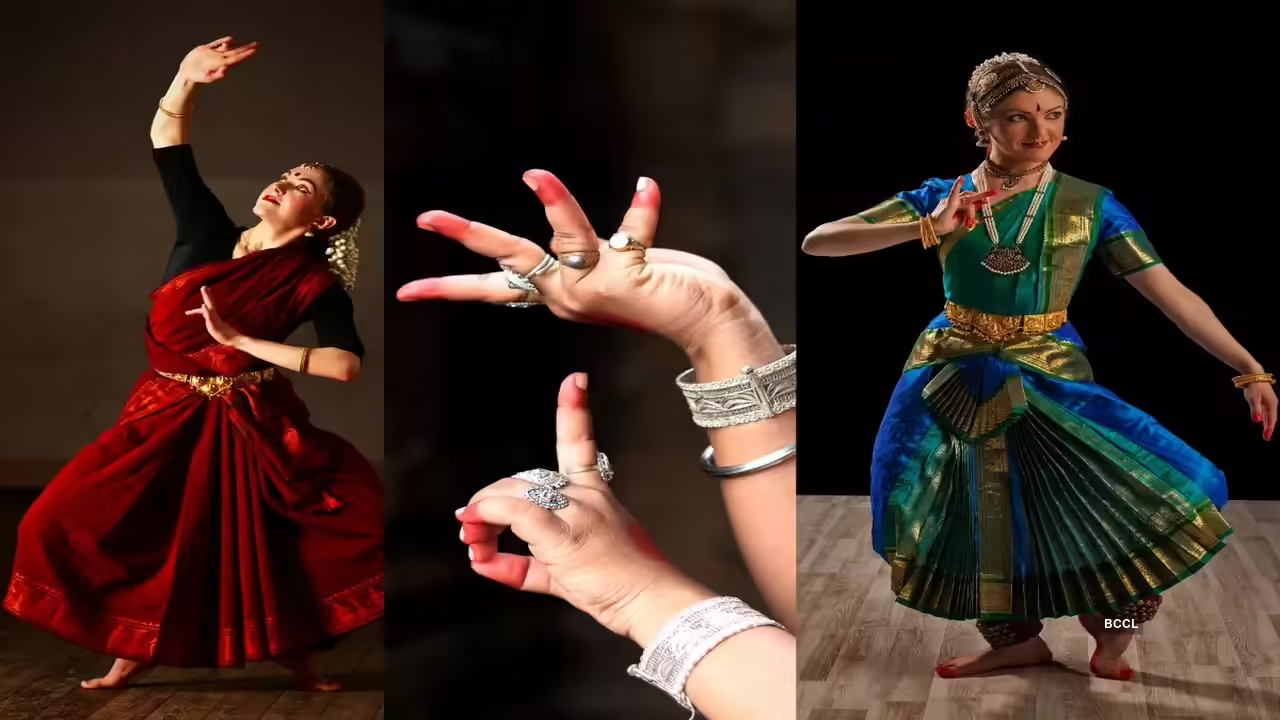
Celebrate cultural heritage and expression
-
Create space for both established and emerging voices
Some fall festivals this year might focus on themes like:
-
Youth and education in dance
-
Global movement traditions
-
Cross‑disciplinary art
-
Local community engagement
For many people, festivals are the perfect way to dive deeper into dance. They are lively, inclusive, and often more relaxed than a traditional theater performance.
Why the Fall Season Matters
You might wonder: “Why do so many dance events happen in the fall?” The answer is both practical and artistic.
When summer ends and fall begins:
-
Audiences come back to cities after vacation
-
Schools and universities open
-
Cultural institutions launch their new seasons
-
Artists return from residencies and summer projects
-
The energy in arts communities becomes electric
Fall becomes a moment of fresh beginnings in the cultural world. It’s like a reset button — not just for schools, but for artistic creativity too.
For dancers and choreographers, fall is a time to show what they have been working on all year. For audiences, it’s a moment to reconnect with live performance after summer breaks.
Fall Dance Season: Classics and New Works Await
Experience: What Happens When You Attend a Dance Show
Seeing dance live is unlike watching a video or TV show. In a theater:
-
You feel movement around you
-
You hear the sound of breath and music in real space
-
You notice details you wouldn’t see on a screen
-
Your attention is fully present in the moment
Whether it’s the precision of a ballet company, the emotional power of modern dance, or the bold experimentation of contemporary artists, live dance creates a shared experience between performers and audience.
You don’t just watch — you feel.
You might leave a performance thinking about:
-
A movement that stayed with you
-
A moment you hadn’t expected
-
A feeling you didn’t know you needed
-
A question that stays with you later
That’s the magic of fall dance season.
How to Get the Most Out of the Season
If you’re planning to explore dance this fall, here are a few tips to make your experience richer:
1. Read About the Work Before You Go
A bit of background can help you notice more when you watch. Many programs include notes about the artists’ intentions.
2. Go with an Open Mind
Not every piece will be familiar. But the unfamiliar is often where the most surprising and meaningful moments happen.
3. Talk to Friends After the Show
Sharing impressions helps deepen your connection to what you saw.
4. Explore Different Styles
Don’t stick to one kind of dance. Try ballet, contemporary, experimental work, and festival shows.
5. Attend Workshops or Talks
Many seasons offer chances to learn directly from artists.
Dance That Reflects the Human Story
This fall season is more than a list of shows. It is a reflection of what it means to move, to express, and to connect. Dance captures joy and sorrow, history and hope, tradition and change. It speaks to us in ways words sometimes cannot.
From classics that remind us of time‑honored beauty to bold new works that challenge our expectations, this season is rich with meaning. It shows that dance is not just movement — it is a language of the heart and the world we live in.
Final Thought
When you step into a theater this fall, you are not just watching dancers. You are entering a space where stories are carried through bodies in motion. You are part of a shared moment that unites audience and artist. And you are experiencing art that speaks to life itself: its rhythms, its surprises, its struggles, and its beauty.
So whether you go for a classic, a festival, or a new work that pushes boundaries, know that this fall is an invitation — an invitation to feel, to think, and to be moved.
Read Also: Keep your face towards the sunshine and shadows will fall behind you
Watch Also: https://www.youtube.com/@TravelsofTheWorld24





Leave a Reply