
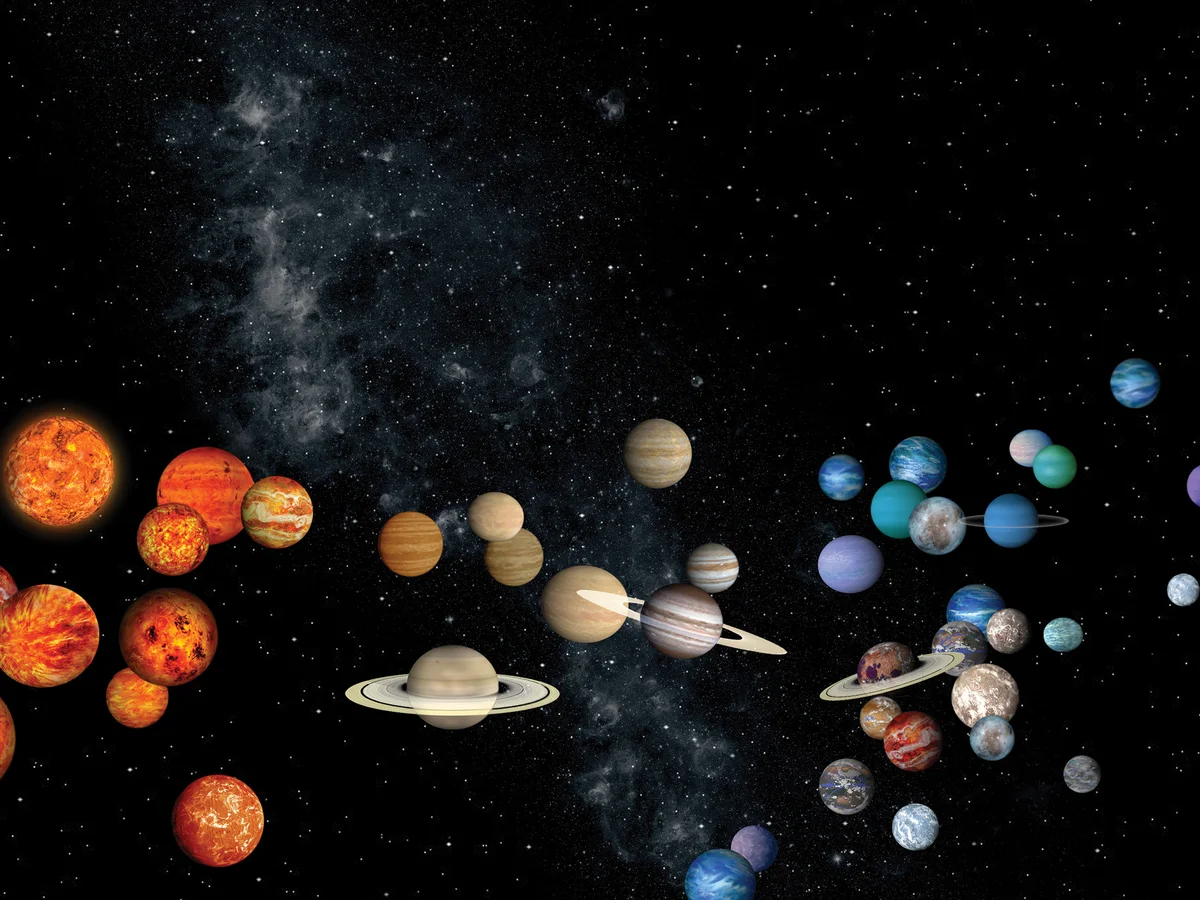
Astronomers have made an exciting discovery while studying planets beyond our solar system. A new study shows that there is a strange “gap” in the sizes of many planets found in space. This finding is helping scientists better understand how planets form and evolve over time.
The research, highlighted by Scientific American, focuses on exoplanets—planets that orbit stars outside our solar system. Over the past few decades, scientists have discovered thousands of these distant worlds. But as they looked more closely at the data, they noticed something unusual: certain types of planets seem to be missing.
Let’s explore what this means and why it matters.
What Are Exoplanets?
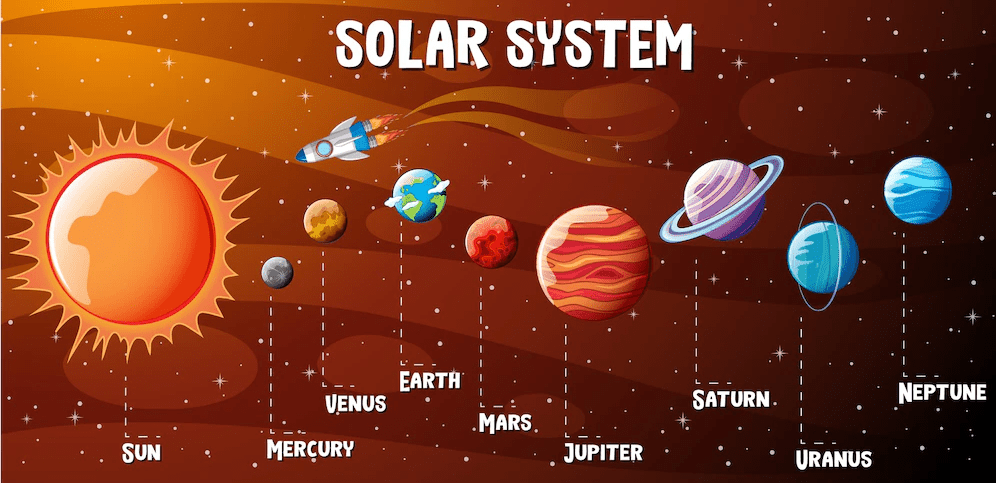
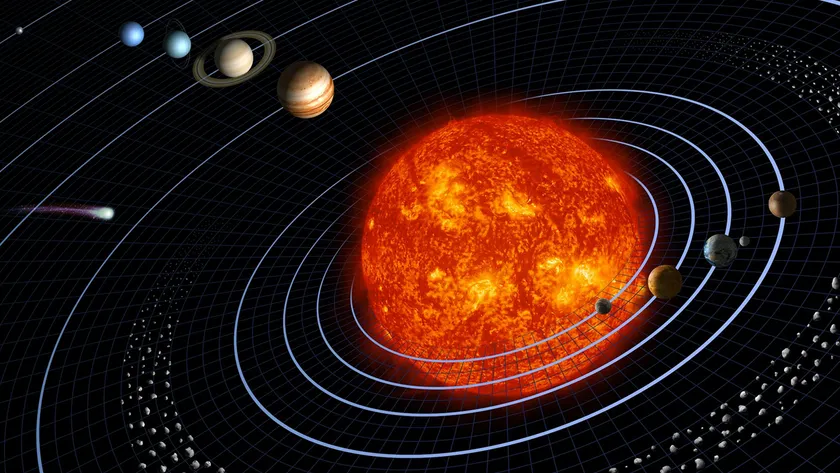
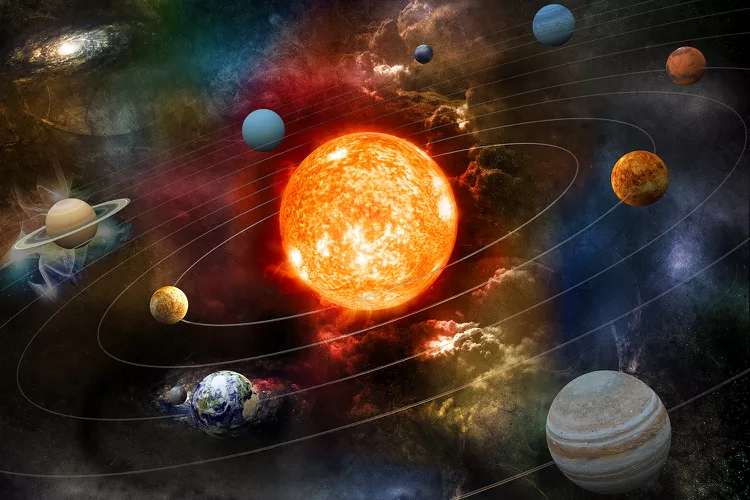
Exoplanets are planets that orbit stars other than our Sun. Our solar system has eight main planets, but the universe is filled with billions of stars, and many of them have their own planetary systems.
The first confirmed discovery of an exoplanet happened in the 1990s. Since then, space missions like Kepler Space Telescope and TESS have helped scientists discover more than 5,000 exoplanets.
These planets come in many shapes and sizes. Some are rocky like Earth, while others are giant gas planets like Jupiter. Some orbit very close to their stars, while others are far away and cold.
The Idea of a “Planet Gap”
When scientists studied the sizes of known exoplanets, they expected to find a smooth range—from small rocky planets to large gas giants. But that’s not what they found.
Instead, there is a clear shortage of planets that fall into a certain size range. This is often called the “radius gap” or “missing planets gap.”
The gap usually appears between planets that are about 1.5 to 2 times the size of Earth. There are many planets smaller than this and many larger ones—but fewer in between.
This discovery surprised scientists because it suggests that planet formation is not random. Something is causing planets to either stay small or grow larger, skipping this middle size.
Why Does This Gap Exist?
Scientists have a few ideas about why this gap happens. One of the most popular explanations is related to a process called atmospheric loss.
1. Stellar Radiation Strips Atmospheres
Young stars are very active and give off strong radiation. This radiation can strip away the atmosphere of nearby planets.
- Smaller planets may lose their thick gas layers and become rocky worlds.
- Larger planets have stronger gravity, so they can hold onto their atmospheres.
This creates two main groups:
- Small, rocky planets (like Earth)
- Larger planets with thick atmospheres (like mini-Neptunes)
The planets in between might lose just enough atmosphere to shrink, which creates the gap.
2. Core-Powered Mass Loss
Another idea is that heat from inside the planet itself can cause gases to escape.
Planets form from hot material, and over time, they cool down. As they cool, gases in their atmosphere can slowly escape into space.
This process may also help explain why mid-sized planets are rare.
3. Formation Differences
Some scientists believe that planets in the gap may never form at all.
During the early stages of planet formation:
- Some planets gather only solid material and stay small
- Others quickly collect gas and grow larger
There may be very little chance for a planet to stay in the middle size range.
What Data Did Scientists Use?
The discovery of this gap comes from studying thousands of planets found by missions like the Kepler Space Telescope.
Kepler worked by watching stars and detecting tiny dips in brightness when a planet passes in front of them. This method is called the transit method.
By measuring these dips, scientists can estimate:
- Planet size
- Orbit distance
- Sometimes even atmosphere
With such a large dataset, patterns like the missing planets gap became clear.
Why This Discovery Matters
This finding is important for several reasons.
1. Helps Us Understand Planet Formation
The gap gives scientists clues about how planets are born and change over time. It shows that there are clear processes shaping planetary systems.
2. Helps in Searching for Life
Understanding planet sizes helps scientists find planets that might support life.
Small rocky planets are more likely to be similar to Earth. By studying the gap, researchers can better identify which planets are worth studying further.
3. Improves Models of the Universe
Scientists use computer models to simulate how planets form. The gap helps improve these models so they match real observations.
Types of Planets Around the Gap
To better understand the gap, scientists group planets into categories:
Super-Earths
These are rocky planets larger than Earth but smaller than Neptune.
- Size: up to 1.5 times Earth
- Likely solid surface
- Thin or no atmosphere
Mini-Neptunes
These are planets larger than super-Earths but smaller than Neptune.
- Size: about 2–4 times Earth
- Thick atmospheres
- Mostly gas with possible small cores
The gap lies between these two types. It separates rocky planets from gas-rich ones.
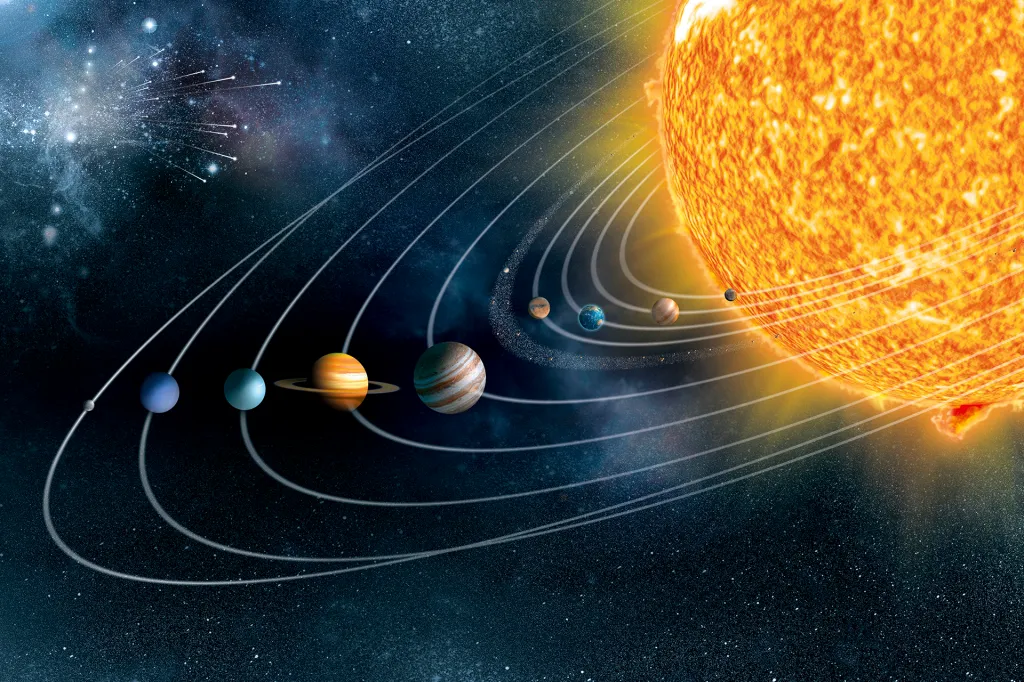
The Mystery of Missing Planets: What Scientists Just Discovered
Role of Advanced Technology
New telescopes are helping scientists study exoplanets in more detail.
One important tool is the James Webb Space Telescope.
This telescope can:
- Study planet atmospheres
- Detect gases like water vapor and methane
- Analyze light from distant stars and planets
With better data, scientists hope to understand the missing planets gap even more clearly.
Are There Exceptions?
Yes, not every planetary system follows the same pattern.
Some systems may have planets in the gap, but they are rare. Scientists are still studying these exceptions to understand why they exist.
These unusual planets could provide important clues and may even challenge current theories.
Future Research
The study of exoplanets is still growing. Scientists plan to:
- Discover more planets using new missions
- Study atmospheres in greater detail
- Understand how stars affect their planets
- Look for Earth-like worlds
Future missions and observatories will continue to improve our knowledge.
Big Picture: What This Means for Us
This discovery reminds us that the universe is full of surprises.
When scientists first started finding exoplanets, they expected systems similar to our own. But instead, they found a huge variety of worlds—many very different from anything in our solar system.
The missing planets gap shows that there are hidden rules shaping how planets form. By studying these patterns, we get closer to answering big questions like:
- How common are Earth-like planets?
- Could there be life elsewhere?
- How unique is our solar system?
Conclusion
The discovery of the “missing planets” gap is an important step in understanding the universe.
By studying thousands of exoplanets, scientists found that certain sizes of planets are surprisingly rare. This gap gives clues about how planets lose their atmospheres, how they form, and how they evolve.
Thanks to missions like the Kepler Space Telescope and advanced tools like the James Webb Space Telescope, we are learning more every day.
The universe is still full of mysteries, but discoveries like this bring us one step closer to understanding our place in it.
Read Also: Keep your face towards the sunshine and shadows will fall behind you
Watch Also: https://www.youtube.com/@TravelsofTheWorld24





Leave a Reply