
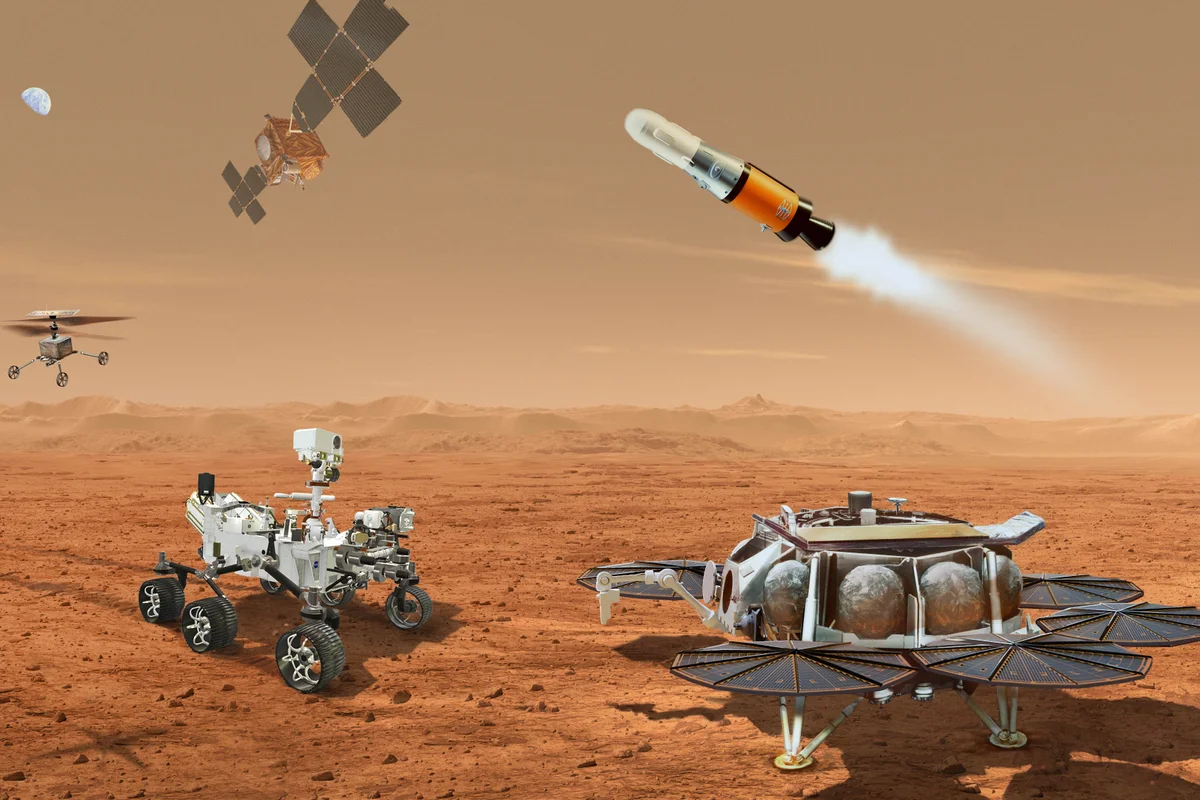
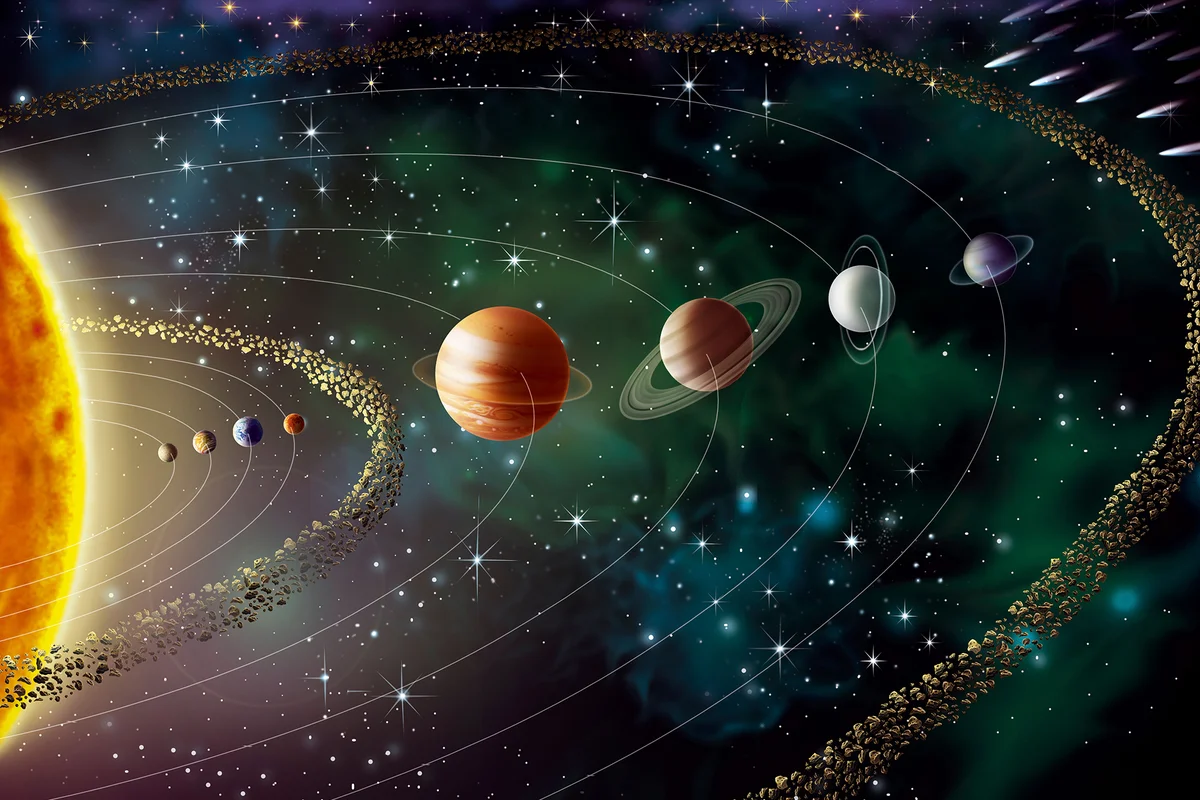
NASA has long been at the forefront of space exploration, pushing humanity beyond Earth’s orbit and into the vast expanse of the solar system. From the Apollo missions to the Mars rovers, the agency has achieved milestones that were once considered science fiction. However, as NASA sets its sights on interplanetary missions—including a sustainable human presence on the Moon and future crewed missions to Mars—challenges are emerging that could threaten these ambitious plans. Critics warn that technical, financial, and logistical hurdles may push these interplanetary aspirations toward disaster if not addressed promptly.
The Ambitious Vision of NASA
NASA’s interplanetary vision is bold and multi-faceted. Central to this plan is the Artemis program, aimed at returning humans to the Moon by the mid-2020s and establishing a sustainable lunar presence. Beyond the Moon, NASA is developing technologies for deep-space travel, including the Space Launch System (SLS), the Orion crew capsule, and advanced life-support systems capable of supporting astronauts on months-long missions to Mars.
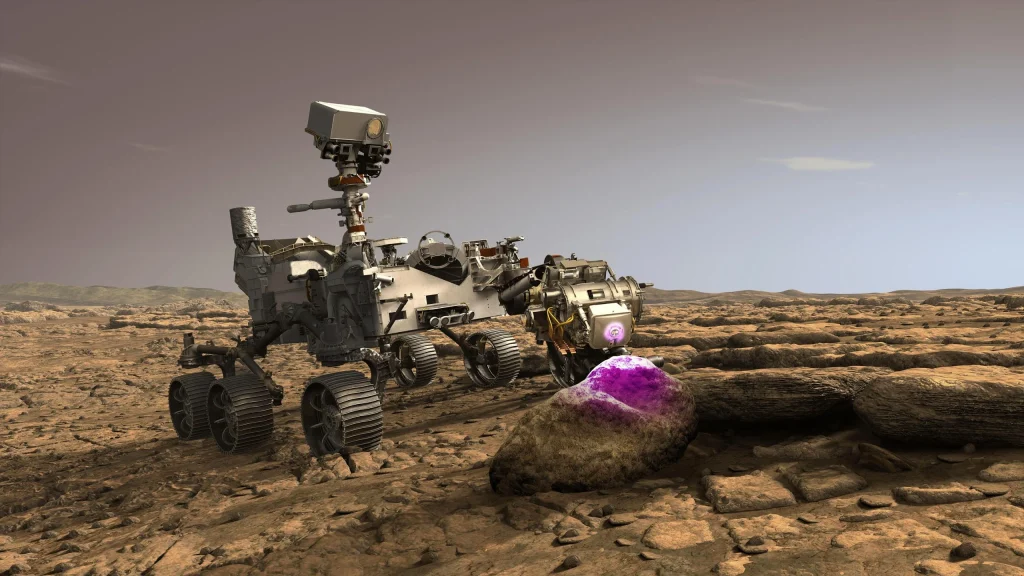
In parallel, robotic missions continue to explore the solar system. The Parker Solar Probe studies the Sun’s corona, the Mars Perseverance rover searches for signs of ancient life, and the James Webb Space Telescope is probing the earliest galaxies. These robotic efforts lay the groundwork for eventual human interplanetary exploration.
Yet, despite these remarkable achievements, the scale and complexity of interplanetary missions present unprecedented risks. Technical failures, budget constraints, and environmental hazards could derail even the most meticulously planned operations.
Technical Challenges and Risks
One of the most significant threats to NASA’s interplanetary ambitions is the sheer technical complexity of sending humans beyond low-Earth orbit for extended durations. Unlike missions to the International Space Station (ISS), which orbit only a few hundred miles above Earth, trips to the Moon and Mars involve months of travel through harsh space environments.
Radiation Exposure:
Astronauts venturing to Mars or even operating on the Moon’s surface will face dangerous levels of cosmic radiation and solar energetic particles. Prolonged exposure can damage DNA, increase cancer risks, and compromise the health of crew members. Current shielding technologies provide partial protection, but long-term solutions remain a work in progress.
Life-Support Systems:
Interplanetary missions require closed-loop life-support systems capable of recycling air, water, and waste for months or even years. NASA has made strides with systems aboard the ISS, but scaling these for deep-space missions presents a formidable engineering challenge. Failures in life-support could quickly become catastrophic in the vacuum of space.
Propulsion and Fuel Constraints:
Propelling spacecraft across millions of miles demands enormous energy efficiency. While chemical rockets are sufficient for lunar missions, Mars missions require advanced propulsion systems or innovative fuel strategies to minimize travel time and ensure crew safety. Any delay or malfunction in propulsion could strand astronauts far from Earth.
Equipment Reliability:
Spacecraft and instruments must operate flawlessly in extreme temperatures, vacuum conditions, and radiation exposure. Historical examples, like the loss of the Mars Climate Orbiter in 1999 due to a simple metric-to-imperial conversion error, illustrate how even small mistakes can jeopardize entire missions. As NASA plans more complex interplanetary operations, the margin for error narrows dangerously.
Financial Pressures
Another looming threat is budgetary constraints. Interplanetary missions are extraordinarily expensive, often costing tens of billions of dollars over multiple years or decades. The Artemis program alone has a projected cost exceeding $90 billion by the end of the decade.
Funding fluctuations tied to political priorities can disrupt timelines. Shifts in administration or Congress may redirect resources to other programs, forcing NASA to cut corners or delay critical technologies. Such interruptions could compromise mission safety and effectiveness.
Moreover, international competition and collaboration add complexity. While partnerships with ESA, JAXA, and other space agencies provide valuable support, differing priorities and budget cycles can lead to coordination challenges, further increasing the risk of mission delays or failures.
Logistical and Operational Challenges
Operating in deep space is not just a technical or financial problem—it is a logistical nightmare. Unlike missions in low-Earth orbit, interplanetary operations cannot rely on rapid resupply or immediate evacuation. Astronauts traveling to Mars will be months away from any possibility of returning to Earth in an emergency.
Communication Delays:
Signals between Earth and Mars can take up to 22 minutes one way, making real-time guidance impossible. Crews must operate autonomously, managing emergencies and performing repairs with minimal input from mission control. This level of autonomy requires intensive training and advanced AI support.
Supply and Resupply Issues:
Unlike the ISS, which can receive supplies regularly via cargo spacecraft, interplanetary missions must carry all necessary resources at launch or establish in-situ resource utilization, such as producing water or oxygen from local materials. Any failure in these systems could be catastrophic.
Psychological and Physiological Stress:
Long-duration spaceflight imposes severe psychological strains. Isolation, confinement, and the inability to return quickly to Earth can lead to stress, anxiety, and interpersonal conflict among crew members. NASA must develop robust support systems, including mental health protocols, recreation, and effective crew rotation strategies, to prevent human factors from undermining missions.
The Moon: Gateway or Trap?
The Artemis program envisions the Moon as a gateway for deeper space exploration. Establishing a sustainable lunar base could provide a testing ground for technologies needed for Mars. However, the Moon presents its own dangers.
Lunar Dust:
The Moon’s fine, abrasive regolith can damage equipment and pose health risks if inhaled. Apollo astronauts reported significant challenges with dust sticking to suits and instruments, highlighting a problem that could escalate with permanent bases.
Radiation Exposure:
Without a thick atmosphere or magnetic field, the Moon offers no natural shielding from solar radiation, necessitating robust shelters and protective systems for astronauts. Any miscalculation in habitat design could result in prolonged exposure to lethal doses.
Logistical Hurdles:
Establishing a permanent lunar base requires mining, construction, and life-support capabilities far beyond current capabilities. Delays in these systems could undermine the Artemis timeline and slow progress toward interplanetary goals.
Mars: The Ultimate Challenge
Mars represents NASA’s ultimate interplanetary ambition. Yet, the Red Planet is fraught with hazards that could make missions exceptionally dangerous.
Distance and Travel Time:
Mars is roughly 140 million miles from Earth on average. A round-trip mission could take 2–3 years, leaving no margin for error. Any malfunction in propulsion, life-support, or habitat systems could have deadly consequences.
Hostile Environment:
Martian temperatures average -80 degrees Fahrenheit, and the thin CO₂-rich atmosphere offers no breathable air. Dust storms can last for months, reducing solar power generation and damaging equipment. Radiation exposure is also a significant threat without permanent underground habitats.
Landing and Ascent Challenges:
Mars has a thin atmosphere, making controlled landing and launch extremely difficult. Unlike the Moon, Mars requires a combination of aerobraking, parachutes, and retro rockets for safe descent, with little room for error. The ascent from Mars to return crew to Earth is equally risky, demanding reliable propulsion systems that have never been tested in such conditions.
Leadership and Organizational Concerns
Beyond technical and logistical challenges, NASA faces organizational pressures. Coordination among multiple departments, contractors, and international partners can lead to delays, miscommunication, and cost overruns. Past examples, such as the Space Shuttle Challenger and Columbia disasters, illustrate how organizational missteps can have catastrophic consequences.
Critics argue that NASA’s aggressive timelines, ambitious objectives, and public pressure to deliver “firsts” in space exploration may compromise safety. Pushing human interplanetary missions too quickly could result in failures that are expensive, dangerous, or even fatal.
Opportunities for Mitigation
Despite the risks, NASA is actively pursuing strategies to mitigate potential disasters.
-
Advanced Technology Development: New propulsion methods, radiation shielding, and AI-assisted life-support systems are being developed to reduce risk.
-
Robotic Precursors: Robotic missions continue to scout potential landing sites, test in-situ resource utilization, and validate technologies before committing humans.
-
International Collaboration: Shared expertise, resources, and funding with other space agencies reduce single points of failure and spread risk.
-
Incremental Approach: The Artemis program’s stepwise strategy—from lunar flybys to crewed landings—aims to build experience and confidence before venturing to Mars.
Conclusion
NASA’s interplanetary plans represent humanity’s boldest ambitions in space exploration. From returning humans to the Moon to sending astronauts to Mars, these missions promise to expand our knowledge and capabilities dramatically. However, the risks are immense. Technical failures, financial constraints, environmental hazards, and organizational pressures could push these missions toward disaster if not carefully managed.
The path forward requires meticulous planning, robust technology, and a willingness to adapt to unforeseen challenges. With careful execution, NASA can turn these risks into opportunities, achieving feats that were once unimaginable. Without it, the dream of interplanetary exploration may face delays, setbacks, or worse, catastrophic failures.
NASA stands at a crossroads: the next decade will determine whether humanity’s reach for the stars becomes a historic triumph or a cautionary tale of overambition.
Read Also: Keep your face towards the sunshine and shadows will fall behind you
Watch Also: https://www.youtube.com/@TravelsofTheWorld24





Leave a Reply