
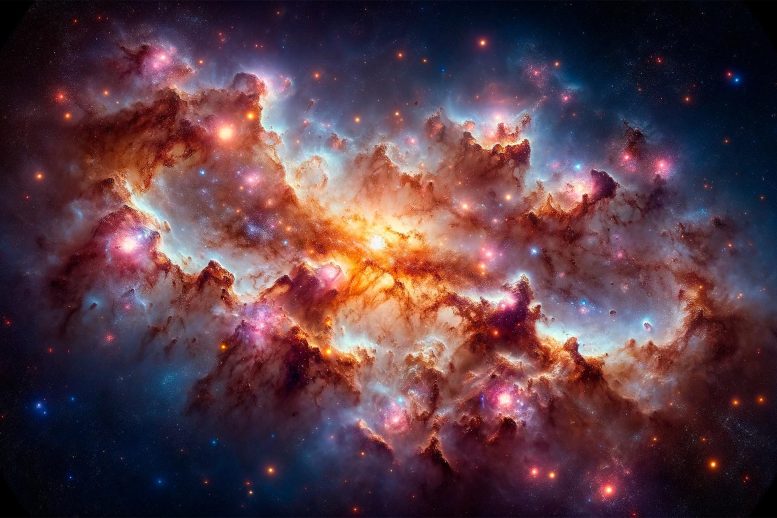
NASA’s James Webb Space Telescope (JWST) has provided astronomers with an unprecedented view into the heart of our galaxy, revealing mysterious and unexplained structures that challenge our understanding of the Milky Way. These observations, combining high-resolution infrared imaging and advanced spectroscopic analysis, expose intricate formations in the galactic center, offering a glimpse into processes that have remained hidden until now.
The center of the Milky Way, located about 26,000 light-years from Earth in the constellation Sagittarius, is home to a supermassive black hole known as Sagittarius A*, dense star clusters, and complex clouds of gas and dust. Observing this region has historically been difficult due to interstellar dust that obscures optical wavelengths. JWST’s infrared capabilities allow scientists to peer through this dust, uncovering features that were previously invisible.
The Heart of Our Galaxy
The Milky Way’s core is a dynamic and densely packed environment. It contains millions of stars, vast molecular clouds, and regions of intense radiation. At the center lies Sagittarius A*, a black hole with a mass of approximately four million suns. Surrounding this black hole are stars in tight orbits, as well as filaments of gas and dust shaped by strong gravitational and magnetic forces.
Prior observations from telescopes like Hubble and Spitzer revealed some structures, but their resolution and infrared sensitivity were limited. JWST now provides the most detailed view ever, capturing faint emissions and subtle variations in gas and dust that suggest the presence of previously unknown phenomena.
Unexplained Structures
Among the most striking discoveries are a series of elongated filaments, twisted arcs, and glowing knots of gas near the galactic center. These structures appear “stirred up,” suggesting the influence of powerful forces such as gravitational tides, stellar winds, or magnetic fields. Some features do not conform to known patterns of star formation or typical galactic structures, leaving astronomers intrigued and puzzled.
Spectroscopic analysis reveals unusual emission lines, indicating the presence of hot gas, complex molecules, and possibly shock-heated material. The chemical composition and energy distribution of these structures challenge existing models of the galactic center’s dynamics, raising questions about how such formations are created and maintained.
“These structures are unlike anything we’ve observed before in the Milky Way,” said Dr. Elena Martinez, an astronomer involved in the study. “They hint at processes operating on scales and energies that we are only beginning to understand.”
Infrared Imaging Reveals Hidden Detail
JWST’s Near-Infrared Camera (NIRCam) and Mid-Infrared Instrument (MIRI) have been instrumental in detecting these formations. Infrared light penetrates the dense clouds of interstellar dust that block optical telescopes, allowing astronomers to observe stars, gas, and molecular clouds at the galactic center in unprecedented detail.
The images show structures extending over several light-years, with complex patterns that suggest turbulence, filamentation, and possibly interactions with unseen objects. Some formations appear to align with the direction of magnetic fields, while others are irregular and chaotic, indicating multiple influencing factors.
Possible Origins of the Structures
Scientists are exploring several hypotheses to explain these unexpected structures. One possibility is that they are shaped by the powerful gravitational forces of Sagittarius A*. As stars and gas clouds orbit the supermassive black hole, tidal forces can stretch and distort matter, producing elongated filaments and arcs.
Another potential factor is the influence of massive stellar winds from nearby stars. Hot, young stars in the galactic center emit strong radiation and particle flows, which can compress, heat, or sculpt surrounding gas and dust. Magnetic fields threading through the region may further shape these formations, guiding charged particles along intricate paths.
Finally, some structures may be remnants of past explosive events, such as supernovae or energetic outbursts from Sagittarius A*. These events can inject enormous energy into the surrounding medium, creating shock fronts, knots, and turbulent flows that persist over thousands of years.
Challenges in Interpretation
Interpreting these new structures is challenging due to the extreme density and complexity of the galactic center. Multiple overlapping processes—gravitational, magnetic, radiative, and kinetic—are likely influencing the observed formations simultaneously. Separating these effects requires sophisticated modeling and detailed spectroscopic data.
Additionally, the region is highly dynamic. Stars and gas clouds move at high velocities, and interactions occur on timescales ranging from years to millennia. JWST provides a snapshot of a constantly evolving environment, but understanding the full picture will require ongoing observations and comparison with theoretical simulations.
Implications for Galactic Astronomy
These discoveries have profound implications for our understanding of the Milky Way and galactic evolution. They suggest that the central region is more structured and dynamic than previously thought, with processes that may influence star formation, gas dynamics, and the growth of the central black hole.
Understanding the origin of these unexplained structures could also shed light on similar phenomena in other galaxies. By comparing the Milky Way’s core with distant galactic nuclei, astronomers can refine models of galaxy formation and the interaction between supermassive black holes and their environments.
“This is a glimpse into the hidden architecture of our galaxy,” said Dr. Martinez. “It challenges our assumptions and opens new avenues for studying the interplay between stars, gas, dust, and black holes.”
Role of the James Webb Space Telescope
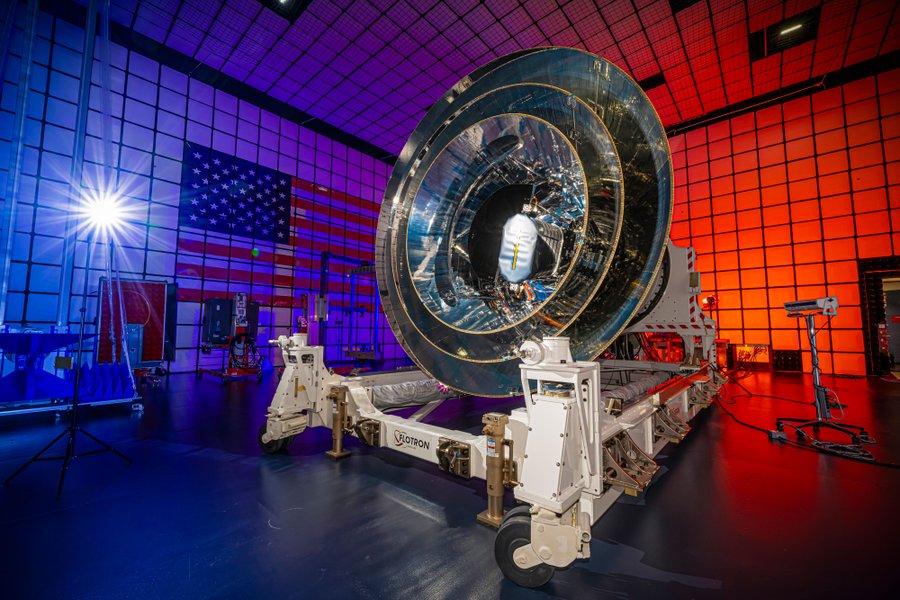
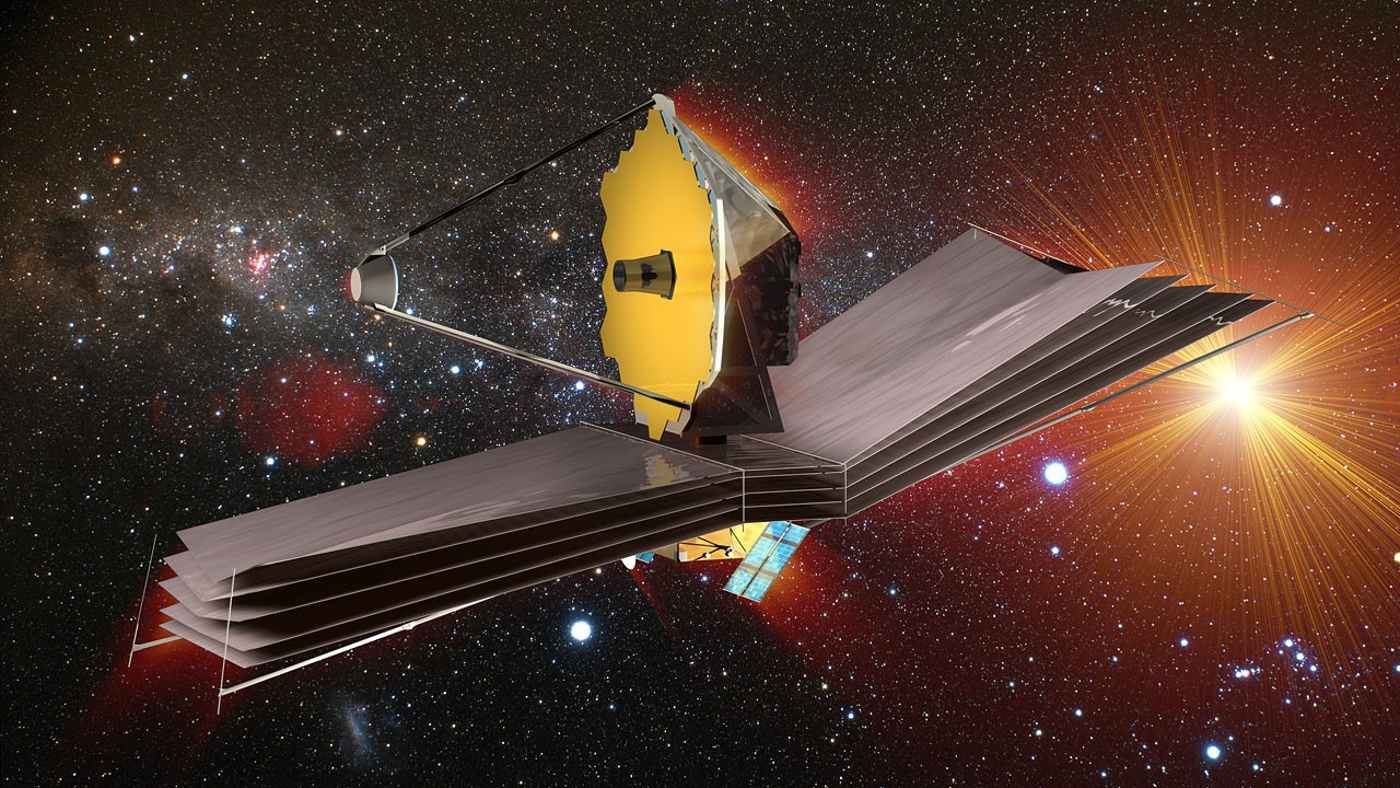
JWST’s advanced infrared capabilities make these observations possible. The telescope’s instruments can detect faint emissions, map chemical compositions, and resolve structures at scales previously unattainable. Its combination of sensitivity, resolution, and spectral coverage allows astronomers to probe both the morphology and the physical properties of the galactic center.
JWST is expected to continue monitoring the region, capturing changes over time and providing data that will help distinguish between competing theories for the origins of these structures. By observing the galactic center in multiple infrared bands, scientists can identify temperature variations, molecular abundances, and ionization states that reveal the physical conditions of the gas and dust.
Future Research Directions
The discovery of these structures raises several questions for future research:
-
What processes are primarily responsible for shaping the filaments, arcs, and knots in the galactic center?
-
How do magnetic fields influence the morphology and dynamics of gas clouds near Sagittarius A*?
-
Are these structures stable over long periods, or are they transient features resulting from recent energetic events?
-
How do these formations affect star formation rates and the accretion of material onto the central black hole?
Astronomers plan to combine JWST observations with data from other telescopes, including the Atacama Large Millimeter/submillimeter Array (ALMA) and the Chandra X-ray Observatory, to obtain a multi-wavelength view of the galactic center. This holistic approach will provide deeper insights into the physical processes governing this complex environment.
Broader Significance
Studying the Milky Way’s core has implications beyond our galaxy. Understanding the dynamics of gas, dust, and stars around a supermassive black hole informs our knowledge of active galactic nuclei, quasars, and other energetic cosmic phenomena.
The unexplained structures detected by JWST highlight the importance of high-resolution infrared astronomy in uncovering hidden features of the universe. They demonstrate that even in a galaxy we know well, there are still surprises waiting to be discovered.
Conclusion
The James Webb Space Telescope’s detection of unexplained structures in the heart of the Milky Way marks a major milestone in galactic astronomy. These filaments, arcs, and knots of gas and dust challenge previous models of the galactic center and reveal a dynamic, intricate environment shaped by gravitational forces, stellar winds, magnetic fields, and possibly energetic past events.
By providing unprecedented infrared views of this region, JWST is revolutionizing our understanding of the Milky Way’s core, offering insights into star formation, black hole interactions, and the chemical and physical evolution of our galaxy.
As JWST continues its mission, astronomers anticipate further discoveries that will illuminate the complex workings of the galaxy we call home, uncovering secrets hidden behind layers of cosmic dust and challenging our understanding of the universe on a fundamental level.








Leave a Reply