
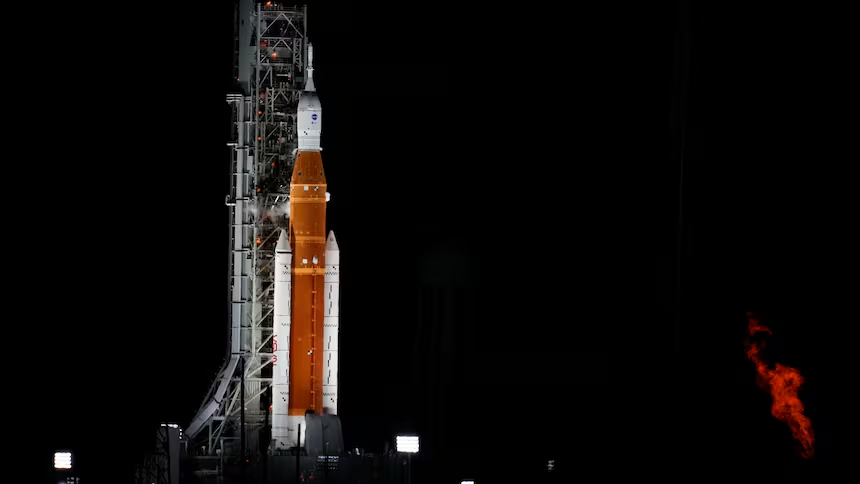
NASA’s ambitious plans to usher in a new era of human space exploration have encountered a temporary setback, as the launch of its Artemis mission has been postponed. The Artemis program, which aims to return astronauts to the Moon for the first time since the Apollo era and establish the foundation for sustainable lunar exploration, represents one of the most complex and high-profile space initiatives in modern history.
According to NASA officials, the delay is due to technical and safety considerations, emphasizing that the decision reflects the agency’s commitment to thorough testing and mission readiness rather than fundamental issues with the program itself. While the postponement is disappointing for space enthusiasts worldwide, it underscores the challenges of pushing the boundaries of human spaceflight.
The Artemis Program: A New Era for NASA
The Artemis program is designed to achieve what previous lunar missions could not: a sustained human presence on and around the Moon. Unlike the Apollo missions, which focused on brief landings and exploration, Artemis seeks to establish a long-term infrastructure that supports research, technology demonstration, and preparation for future missions to Mars.
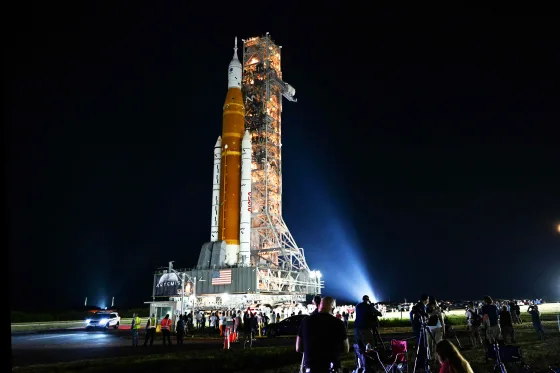
At the heart of the program is the Space Launch System (SLS), the most powerful rocket NASA has ever built. Coupled with the Orion spacecraft, SLS is intended to transport astronauts beyond low Earth orbit, safely carrying them to lunar orbit, and ultimately to the Moon’s surface. The Artemis missions will also involve partnerships with commercial and international space organizations, including SpaceX, Blue Origin, and the European Space Agency.
NASA envisions Artemis as more than a series of missions—it is a blueprint for humanity’s next steps in deep-space exploration. The program will test advanced life-support systems, lunar landers, and habitats, while also paving the way for industrial, scientific, and commercial activities on the Moon.
Reasons for the Delay
NASA has indicated that the postponement of the Artemis launch is related to a combination of technical and procedural factors. While the Space Launch System and Orion spacecraft have successfully passed several tests, final pre-flight checks identified areas requiring further validation to ensure the safety of astronauts and mission success.
Safety remains a top priority. Launching humans into deep space involves extreme technical complexity, from high-pressure fuel systems to life-support and communications. Any issue, no matter how minor, could jeopardize the mission. NASA’s decision reflects a conservative approach: it is better to delay and resolve potential problems than risk a catastrophic failure.
Officials have also cited weather conditions and supply chain challenges as contributing factors. The intricate coordination required for Artemis—spanning multiple contractors, international partners, and launch facilities—means that even small delays can ripple through the schedule.
The Importance of Artemis in NASA’s Vision
Artemis represents a critical milestone in NASA’s broader vision for human space exploration. Beyond the Moon, the program is a stepping stone toward sending astronauts to Mars. By testing technologies, habitats, and operational procedures on the Moon, NASA aims to reduce risks for more distant missions.
In addition to exploration, Artemis is expected to advance scientific understanding. Lunar research conducted under the program will include studies of geology, the Moon’s polar ice, radiation environments, and potential in-situ resource utilization—techniques to convert lunar materials into water, fuel, and building materials. These studies are essential for making future missions sustainable and self-sufficient.
Artemis also fosters international collaboration. Countries like Japan, Canada, and members of the European Union are contributing expertise, technology, and funding. This collaborative framework not only spreads costs and risks but also strengthens global partnerships in space exploration.
Technical Challenges in Human Spaceflight
Human spaceflight remains one of the most demanding endeavors ever attempted. Every launch involves millions of components that must function flawlessly under extreme conditions. Even minor deviations can compromise mission safety or success.
For Artemis, the challenges are magnified by the distance from Earth and the extended duration of lunar missions. Astronauts will be exposed to higher levels of radiation than on low Earth orbit missions, and life-support systems must operate reliably for weeks or months in a harsh environment.
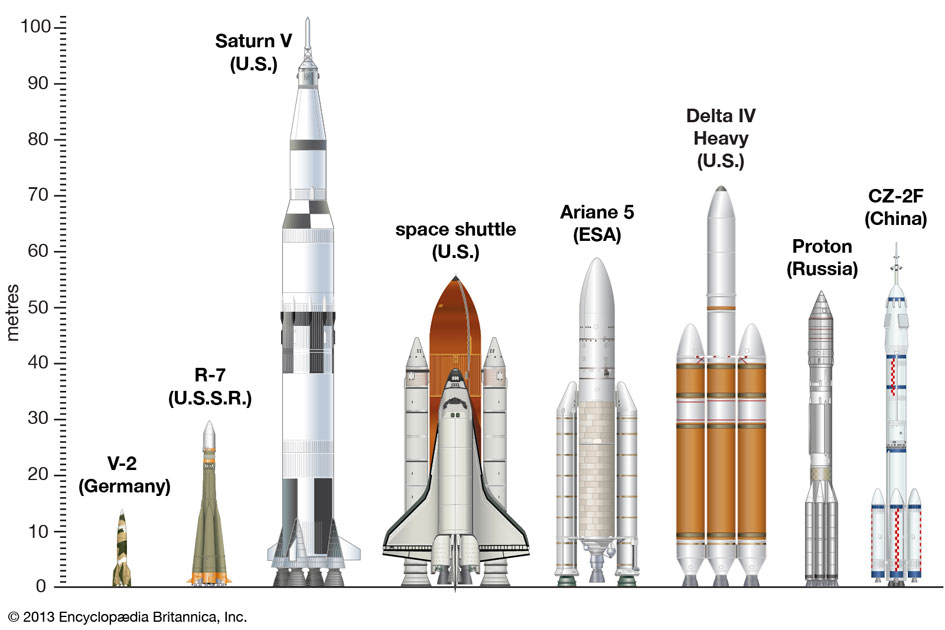
The Space Launch System itself is a marvel of engineering, capable of lifting heavier payloads than any other rocket in history. Its immense size and power, however, introduce complexity in testing and integration, contributing to the need for careful evaluation before launch.
Lessons Learned from Previous Missions
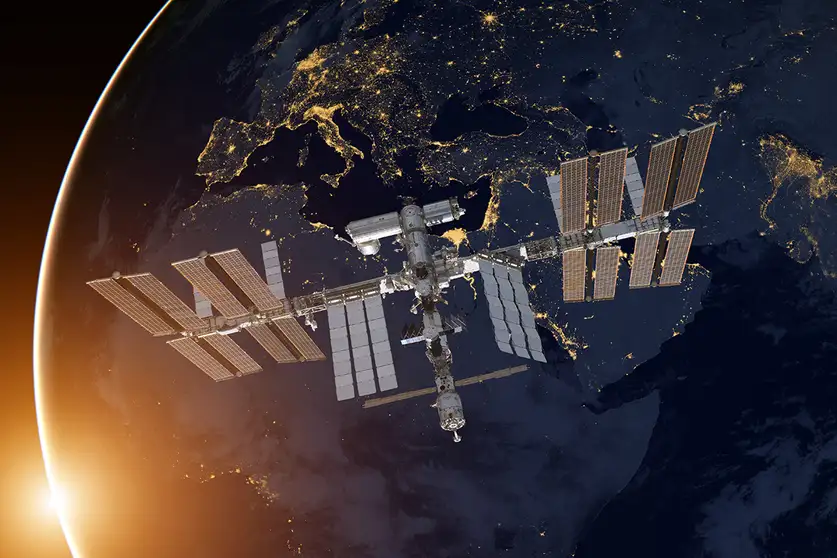
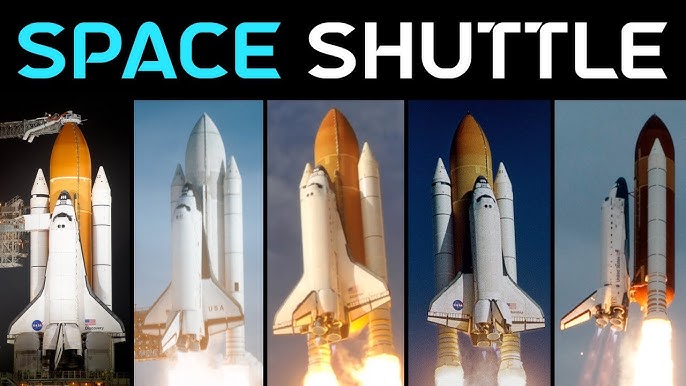
NASA’s decision to delay Artemis echoes lessons learned from past space programs. Apollo missions, the Space Shuttle program, and even the International Space Station construction all faced delays, technical setbacks, and rigorous testing protocols. These programs demonstrated that patient, methodical preparation often leads to safer, more successful missions.
The postponement also reflects NASA’s evolving approach to risk management. Unlike earlier eras, when political pressure sometimes accelerated launches, today’s strategy prioritizes safety, reliability, and mission success over rigid timelines. This cautious approach increases the likelihood that Artemis will achieve its goals without catastrophic setbacks.
Impact on Space Industry and Commercial Partners
Artemis’s delay affects not only NASA but also its commercial partners and the broader space industry. Companies involved in spacecraft, launch services, and lunar landers must adjust schedules, resources, and coordination with international partners.
SpaceX, for example, is developing crew and cargo transport vehicles that are integral to Artemis operations. Delays provide additional time for testing, certification, and refinement, potentially improving reliability for commercial operations and future tourist or research missions.
While the delay may impact short-term timelines, industry experts agree that it ultimately strengthens the program. Additional testing and verification reduce long-term risks, ensuring that commercial and government investments yield successful outcomes.
Public Perception and Expectations
The postponement of Artemis has generated mixed reactions among the public and space enthusiasts. Many express disappointment, reflecting excitement over returning humans to the Moon. Others view the delay as a prudent, responsible decision, highlighting the inherent complexity and danger of human space exploration.
NASA has emphasized transparency, providing updates on the reasons for the delay, revised timelines, and next steps. By communicating clearly, the agency aims to maintain public confidence while managing expectations.
Experts note that human spaceflight is never predictable, and delays are common—even historic missions like Apollo faced significant scheduling challenges. The focus remains on achieving a safe, successful return to the Moon rather than meeting arbitrary deadlines.
The Road Ahead
NASA has indicated that the Artemis launch will proceed once technical issues are resolved and all systems meet stringent safety criteria. Revised timelines are being developed, with launch windows dependent on spacecraft readiness, weather conditions, and coordination with international partners.
In the meantime, preparatory work continues. Astronaut training, equipment testing, and mission simulations are ongoing, ensuring that crews are ready once the launch is rescheduled. NASA is also using the delay to conduct additional reviews, refine operational procedures, and integrate lessons learned from previous missions.
The agency remains committed to achieving the broader goals of Artemis, including establishing a sustainable presence on the Moon and demonstrating technologies critical for deep-space exploration.
The Importance of Patience in Space Exploration
Artemis highlights a broader truth about human space exploration: it is inherently complex, uncertain, and iterative. Delays, setbacks, and unexpected challenges are part of the process. Patience, rigorous testing, and methodical preparation are essential to ensuring that humanity’s return to the Moon is safe, productive, and sustainable.
NASA’s decision to postpone the Artemis launch demonstrates a responsible approach, prioritizing the safety of astronauts and the integrity of the mission over political or public pressure. By taking the time to address technical issues thoroughly, the agency increases the likelihood that Artemis will succeed and set a strong foundation for future missions to Mars and beyond.
Artemis as a Symbol of Human Ambition
Despite the delay, Artemis continues to symbolize humanity’s ambition to explore, innovate, and expand beyond Earth. The program represents decades of scientific progress, engineering achievement, and international collaboration. It demonstrates our ability to push boundaries, confront challenges, and dream boldly about the future of space exploration.
As preparations continue, NASA and its partners are reinforcing the message that setbacks are temporary, but the goals of Artemis—returning to the Moon, enabling sustainable lunar operations, and preparing for Mars—are enduring.
Conclusion
The postponement of the Artemis launch is a temporary pause in what promises to be a historic chapter in human space exploration. While delays can be frustrating, they reflect the complexity of modern space missions and the commitment to safety and mission success.
Artemis is more than a lunar mission; it is the foundation for humanity’s next steps in deep space, combining science, technology, international cooperation, and commercial innovation. By taking the necessary time to address technical challenges, NASA ensures that when Artemis eventually launches, it will do so with the highest probability of success, safety, and scientific impact.
In the end, the delay is a reminder that space exploration is a careful balance of ambition, preparation, and patience. Artemis remains on course to open a new era of human presence beyond Earth, inspiring generations and paving the way for humanity’s journey to the Moon, Mars, and beyond.
Read Also: Keep your face towards the sunshine and shadows will fall behind you
Watch Also: https://www.youtube.com/@TravelsofTheWorld24








Leave a Reply