
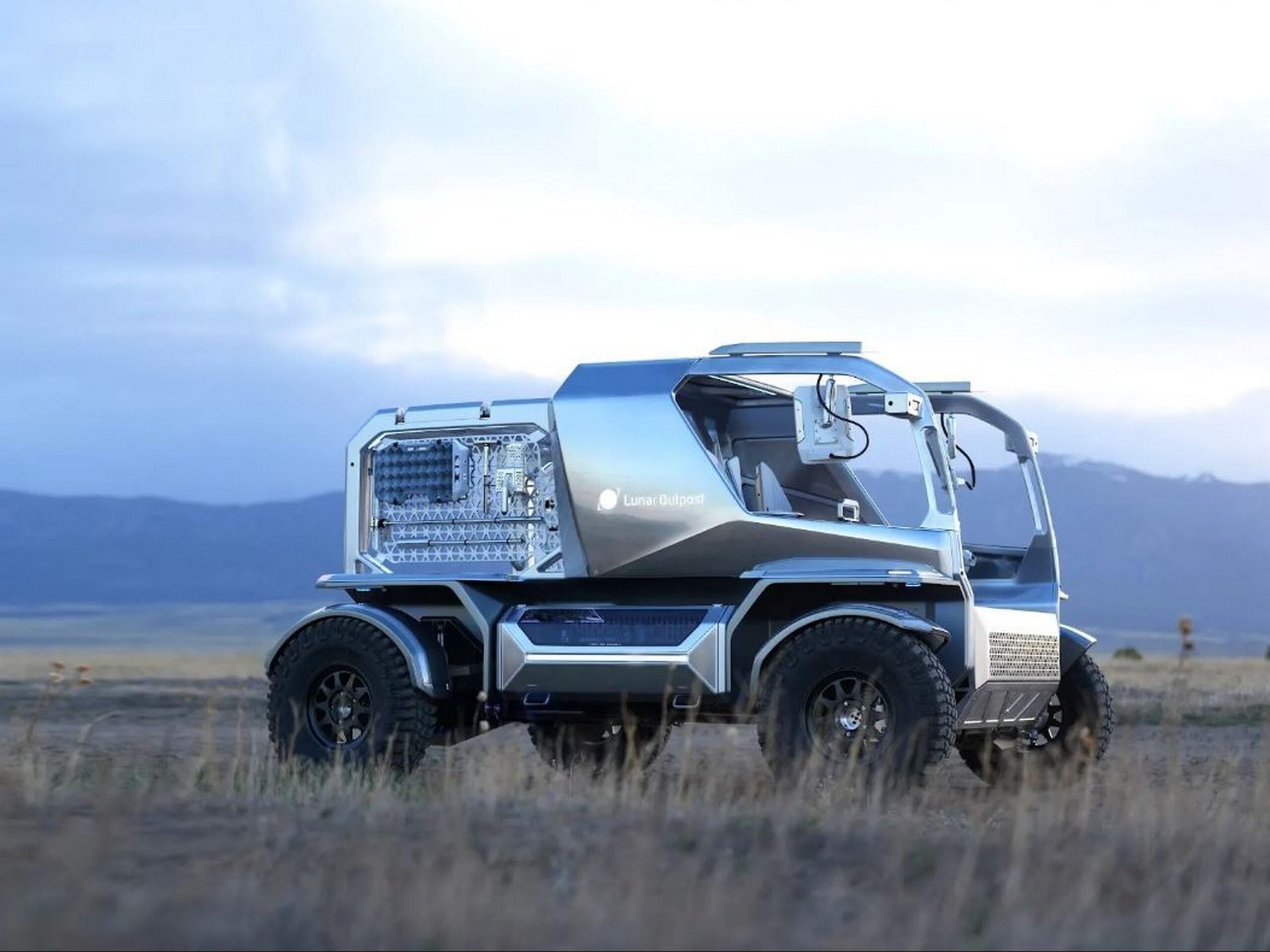
GM Unveils Plans for Moon Rover Battery Technology
General Motors (GM) has revealed exciting details about the battery technology powering its upcoming lunar rover, designed for NASA and commercial lunar exploration missions. The company claims the battery system could provide unprecedented range and lifespan, allowing rovers to operate efficiently on the Moon’s harsh and remote surface.
As interest in lunar exploration and Artemis missions grows, reliable and durable rover batteries are becoming crucial for scientific research, resource scouting, and future human habitation.
Why Battery Technology Matters for Lunar Rovers
Lunar rovers rely on advanced energy storage systems to navigate and conduct experiments in an extreme environment:
-
Extreme Temperatures: The Moon experiences daytime highs of 127°C (260°F) and nighttime lows of -173°C (-280°F). Batteries must function under this wide temperature range.
-
Long-Duration Missions: Rovers may need to operate for weeks or months without maintenance or charging.
-
High Energy Demands: Scientific instruments, communication systems, and mobility mechanisms require a stable and efficient power source.
GM’s new battery system aims to meet these challenges, providing high energy density, reliability, and longevity to support extended lunar operations.
The GM Lunar Rover Battery
GM has leveraged its expertise in electric vehicle (EV) technology, including innovations from its Ultium battery platform, to develop a space-ready energy solution:
-
High Energy Density
-
The battery packs store more energy per kilogram than conventional designs, enabling longer distances without recharging.
-
This is critical for lunar exploration, where solar charging may be limited by lunar night cycles.
-
-
Durable and Long-Lasting
-
Designed to withstand extreme temperatures, radiation, and mechanical stress.
-
Expected lifespan is significantly higher than current rover batteries, reducing mission risk.
-
-
Lightweight Design
-
Weight is a premium factor for space vehicles; GM’s battery achieves high energy output while minimizing mass.
-
Lightweight batteries allow rovers to carry more instruments or fuel for extended exploration.
-
-
Advanced Thermal Management
-
The system integrates insulation and active heating/cooling to maintain optimal battery performance.
-
Ensures consistent energy delivery during both lunar day and night cycles.
-
Expected Performance and Range
While GM has not revealed exact specifications, the company hinted that the range and operational duration could surpass current expectations:
-
Rovers could potentially travel tens of kilometers per lunar day on a single charge.
-
The battery system may support continuous operations across multiple lunar days, improving scientific productivity.
-
High reliability reduces downtime and maintenance requirements, which are critical in the remote lunar environment.
Such performance marks a significant improvement over previous lunar missions, where limited energy storage restricted rover mobility and research scope.
Impact on Lunar Exploration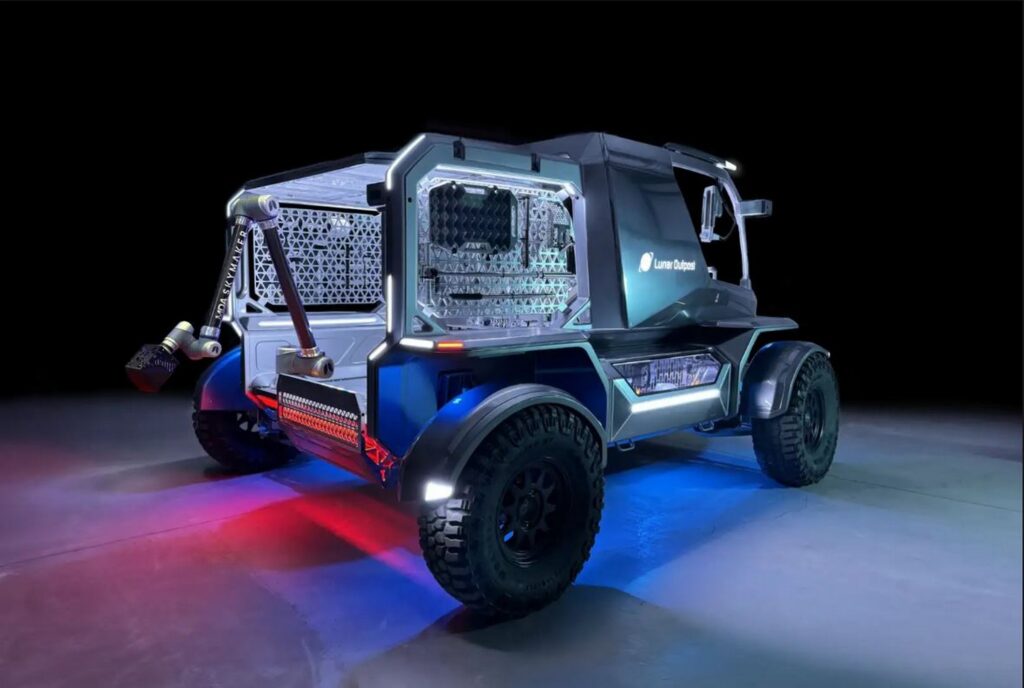
The development of advanced batteries for lunar rovers has broad implications:
-
Scientific Research
-
Extended range enables rovers to explore previously inaccessible regions, including craters, lava tubes, and polar ice deposits.
-
Continuous power allows for 24/7 operations, collecting critical data for geology, atmosphere, and potential water ice resources.
-
-
Human Missions
-
Reliable rovers can support astronauts, transporting cargo, tools, and instruments.
-
Energy storage systems may eventually integrate with lunar habitats for sustainable human presence.
-
-
Commercial Opportunities
-
Companies participating in lunar mining or research will benefit from high-performance batteries that increase operational efficiency.
-
GM’s Role in Space Exploration
GM’s venture into lunar battery technology highlights the growing role of automotive companies in space exploration:
-
Expertise in EV batteries translates well to space applications, particularly for energy density, thermal management, and durability.
-
Collaboration with NASA and private space companies strengthens GM’s presence in the emerging space economy.
-
Innovations developed for lunar rovers could spin off to terrestrial EV technology, enhancing consumer electric vehicles.
This crossover of automotive and space engineering illustrates the synergy between Earth-based and extraterrestrial technology development.
Challenges Ahead
Despite promising developments, lunar rover batteries face unique challenges:
-
Lunar Night
-
Nights last about 14 Earth days, requiring batteries to store or generate sufficient energy to survive without sunlight.
-
-
Radiation Exposure
-
Batteries must resist cosmic rays and solar radiation, which can degrade performance over time.
-
-
Dust and Surface Hazards
-
Lunar regolith is fine, abrasive, and clingy, potentially affecting battery casings and connectors.
-
GM engineers are addressing these challenges with robust design, protective shielding, and advanced materials to ensure mission success.
Future Prospects
Looking ahead, GM’s lunar battery technology may enable:
-
Autonomous rover fleets capable of mapping, mining, and construction on the Moon.
-
Integration with solar panels or nuclear-based energy systems to further extend operational capability.
-
Use in Mars missions or other deep-space exploration, leveraging long-range, high-lifespan batteries for extreme environments.
Such advancements contribute to sustainable extraterrestrial operations, supporting both scientific and commercial objectives.
Conclusion
GM’s announcement regarding its moon rover battery highlights a crucial step in enabling long-duration lunar exploration. By providing enhanced range, durability, and reliability, the technology promises to expand the reach and capabilities of lunar rovers, supporting scientific discovery and future human missions.
As lunar exploration accelerates through NASA’s Artemis program and growing commercial involvement, robust battery systems like GM’s will be key to unlocking new opportunities on the Moon and beyond. The combination of automotive innovation and space engineering demonstrates how technological crossover can drive humanity’s expansion into the solar system.
With these advancements, lunar rovers could soon traverse vast terrains, conduct continuous research, and support astronauts, bringing us closer to a permanent human presence on the Moon.
Read Also: The Race to 300 mph: Will Hennessey or Koenigsegg Break the Speed Record in 2025?
Watch Also: https://www.youtube.com/@TravelsofTheWorld24








Leave a Reply