

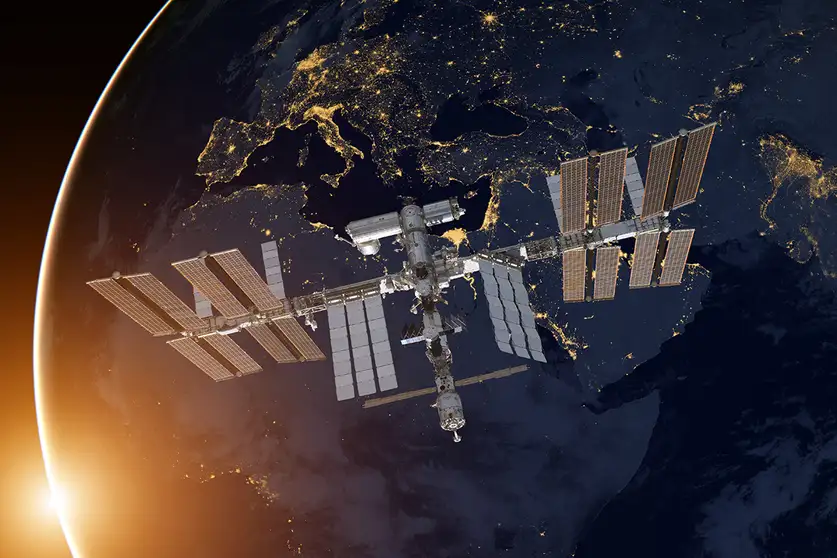
NASA has announced plans to secure a seat for one of its astronauts on a Russian Soyuz spacecraft scheduled to launch in April, marking a continuation of international cooperation in human spaceflight. Despite increasing private-sector capabilities with spacecraft like SpaceX’s Crew Dragon, NASA continues to rely on Soyuz missions to maintain a continuous presence aboard the International Space Station (ISS).
This article explores the reasons for NASA’s decision, the role of Soyuz in crew rotations, the significance of international partnerships, and the broader context of space exploration in 2025.
Background: NASA and Soyuz Cooperation
Since the retirement of the Space Shuttle program in 2011, NASA has relied on Russia’s Soyuz spacecraft to transport astronauts to and from the ISS:
-
Soyuz has been a reliable human-rated spacecraft for decades, with a proven record of safety and mission success
-
It serves as both transport and lifeboat, ensuring that astronauts aboard the ISS can return to Earth safely in case of emergencies
-
NASA purchases seats from Roscosmos to maintain continuous crew rotations and avoid gaps in ISS operations
The Soyuz collaboration underscores the importance of international partnerships in space, particularly in maintaining long-term human presence in orbit.
Why NASA Is Securing a Soyuz Seat
Even with commercial crew vehicles like SpaceX Crew Dragon operational, NASA’s decision to reserve a seat on Soyuz is driven by several factors:
-
Redundancy and Reliability
-
Soyuz provides a proven alternative if commercial systems face delays or technical issues
-
Ensures uninterrupted access to the ISS for crew rotation and scientific operations
-
-
Crew Continuity on the ISS
-
The ISS requires a minimum number of astronauts aboard to operate safely and conduct research
-
A Soyuz seat guarantees mission continuity for upcoming expeditions
-
-
Flexibility for Mission Planning
-
NASA can schedule astronauts based on training, research priorities, and mission requirements
-
Having access to both Soyuz and Crew Dragon offers greater operational flexibility
-
-
International Relations
-
Collaboration with Russia demonstrates continued diplomatic and technical cooperation, even amid global tensions
-
Strengthens shared expertise in human spaceflight operations
-
Details of the Soyuz Launch
The upcoming Soyuz flight is part of a regular crew rotation for the ISS:
-
Launch Vehicle: Soyuz MS series spacecraft, featuring advanced avionics and safety systems
-
Launch Site: Baikonur Cosmodrome, Kazakhstan
-
Crew Complement: Typically three astronauts/cosmonauts
-
Mission Duration: Approximately six months aboard the ISS, with potential extension depending on schedules
NASA aims to have its astronaut onboard to support ongoing experiments, maintenance, and outreach activities aboard the station.
Role of Soyuz in ISS Operations
Soyuz spacecraft play a critical role in ISS operations:
-
Transport of Crew
-
Ensures astronauts reach the ISS safely and efficiently
-
Supports international rotations, allowing NASA, Roscosmos, and other partners to maintain presence
-
-
Emergency Return Vehicle
-
Soyuz remains docked to the station for immediate evacuation if necessary
-
Provides a lifeboat function, critical for crew safety
-
-
Integration with ISS Systems
-
Soyuz interfaces with station docking ports and supports logistics and crew transfer operations
-
Crew aboard Soyuz can participate in scientific research, maintenance, and outreach projects
-
The combination of Soyuz and commercial crew vehicles ensures redundancy and resilience in human spaceflight.
Training and Preparation
Astronauts selected for Soyuz missions undergo rigorous training:
-
Language Skills: Russian language proficiency is essential for operating Soyuz systems
-
Technical Training: Familiarization with Soyuz operations, docking procedures, and emergency protocols
-
Physical Conditioning: Astronauts maintain peak fitness for the stresses of launch, microgravity, and reentry
-
Simulation Exercises: Extensive simulations prepare astronauts for both routine and emergency scenarios
This training ensures astronauts are fully capable of operating safely and effectively aboard the Soyuz and ISS.
International Collaboration and Diplomacy
NASA’s continued reliance on Soyuz highlights the importance of international partnerships:
-
Russia’s expertise in long-duration spaceflight and spacecraft operations complements NASA’s experience in station management and research
-
The collaboration fosters scientific exchange, technological innovation, and mutual trust
-
Joint missions help maintain global space stability and shared investment in human exploration
Even with the growth of commercial spacecraft, Soyuz remains a symbol of enduring international cooperation.
The Future of Human Spaceflight
NASA is actively diversifying human access to space:
-
Commercial Crew Program: SpaceX Crew Dragon and Boeing Starliner provide alternative crew transport options
-
Artemis Program: Plans for lunar exploration expand NASA’s human spaceflight objectives beyond low Earth orbit
-
International Partnerships: ESA, JAXA, and other agencies contribute expertise and crew to collaborative missions
However, Soyuz continues to serve as a critical bridge, ensuring reliable ISS operations while NASA develops long-term capabilities for deep-space missions.
Scientific and Operational Benefits
Having a NASA astronaut aboard Soyuz offers multiple benefits:
-
Research Continuity
-
Ensures experiments onboard the ISS continue without interruption
-
Supports projects in biology, materials science, Earth observation, and microgravity research
-
-
Operational Support
-
Astronauts assist in station maintenance, robotics operations, and logistics
-
Provides hands-on experience with both NASA and international systems
-
-
Public Engagement
-
NASA astronauts often share live updates, videos, and educational content from the ISS
-
Helps inspire students and the public worldwide
-
These benefits reinforce the value of crewed space missions beyond the spacecraft itself.
Timeline and Mission Outlook
The planned April Soyuz launch aligns with the ISS crew rotation schedule:
-
NASA expects final crew assignments and training schedules in the months leading up to launch
-
Launch date may be adjusted based on spacecraft readiness and orbital mechanics
-
Astronauts aboard will contribute to ongoing ISS operations for approximately six months, potentially extending based on station requirements
This schedule ensures a smooth transition between crews and maximizes the scientific output of the ISS.
Conclusion
NASA’s plan to secure a seat on the April Soyuz launch underscores the ongoing importance of international cooperation and reliability in human spaceflight. While commercial spacecraft are expanding NASA’s capabilities, Soyuz remains a proven, safe, and flexible option for maintaining a continuous presence aboard the ISS.
By combining Soyuz missions with commercial crew vehicles and future deep-space programs like Artemis, NASA ensures redundancy, operational continuity, and scientific productivity in space exploration. The upcoming April launch represents not only a routine crew rotation but also a symbol of enduring collaboration between NASA and Roscosmos, supporting humanity’s continued presence in low Earth orbit and preparing for future journeys to the Moon and beyond.
Read Also: The Race to 300 mph: Will Hennessey or Koenigsegg Break the Speed Record in 2025?
Watch Also: https://www.youtube.com/@TravelsofTheWorld24








Leave a Reply