
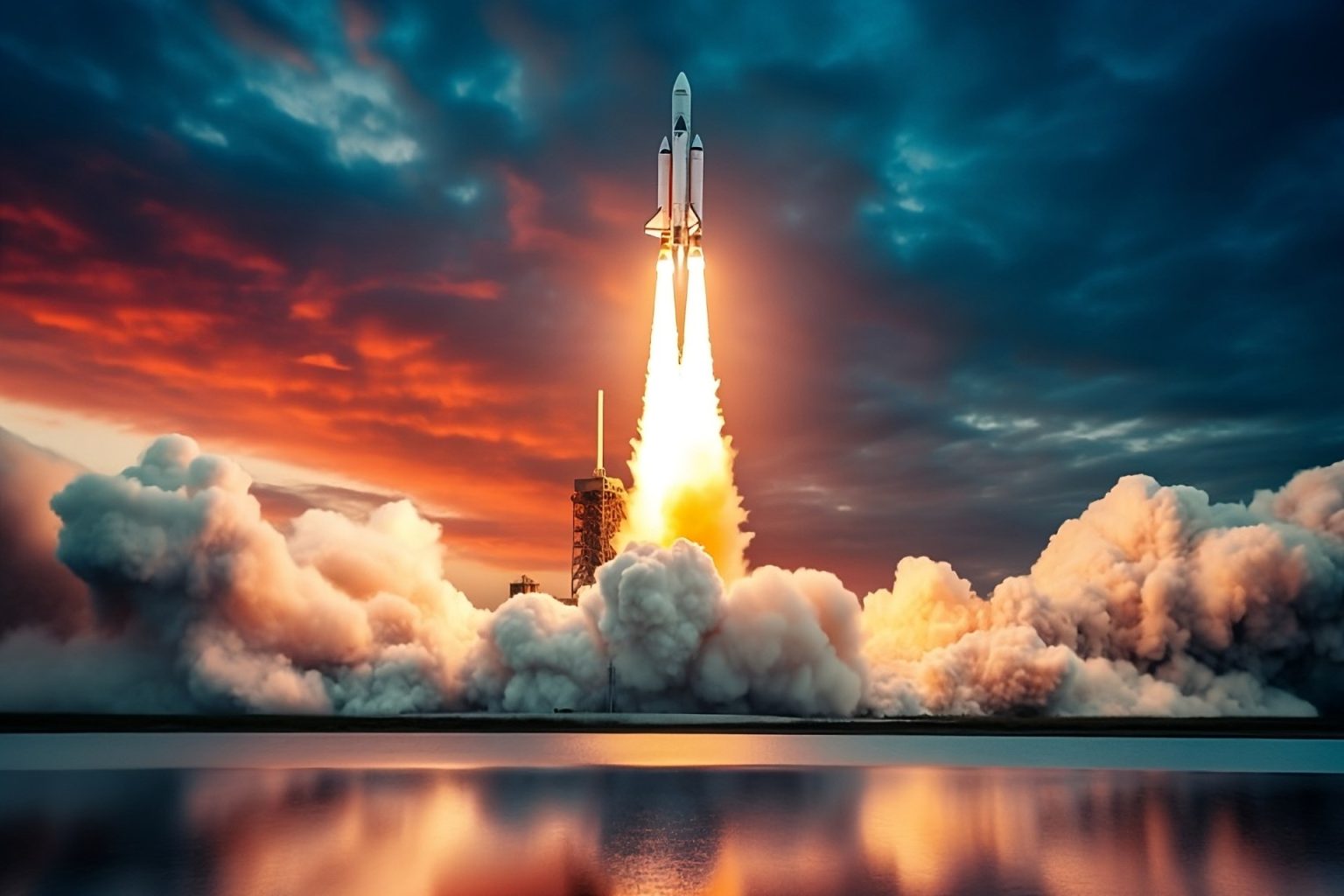
Rocket launch technology has undergone an extraordinary transformation since the earliest experiments in the mid-20th century. From rudimentary designs capable of barely reaching the edge of the atmosphere to modern reusable launch vehicles sending humans and cargo to orbit and beyond, the evolution of rockets reflects humanity’s innovation, ambition, and persistence.
This article explores the historical development of rocket technology, key milestones, modern innovations, and the future of space launch systems.
Early Beginnings of Rocketry
Rocket technology dates back centuries, with early innovations primarily in military and ceremonial applications:
1. Ancient Rockets
-
First used in China around the 13th century
-
Simple gunpowder-propelled devices for warfare and celebrations
-
Laid the foundation for propulsion concepts
2. Early Modern Experiments
-
20th century scientists such as Konstantin Tsiolkovsky developed theoretical models
-
Introduced the rocket equation, which mathematically describes motion in space
-
Inspired engineers to develop practical liquid and solid-fuel rockets
These early experiments were the conceptual backbone of modern space exploration.
The Space Race Era
The Cold War sparked intense development in rocket launch technology:
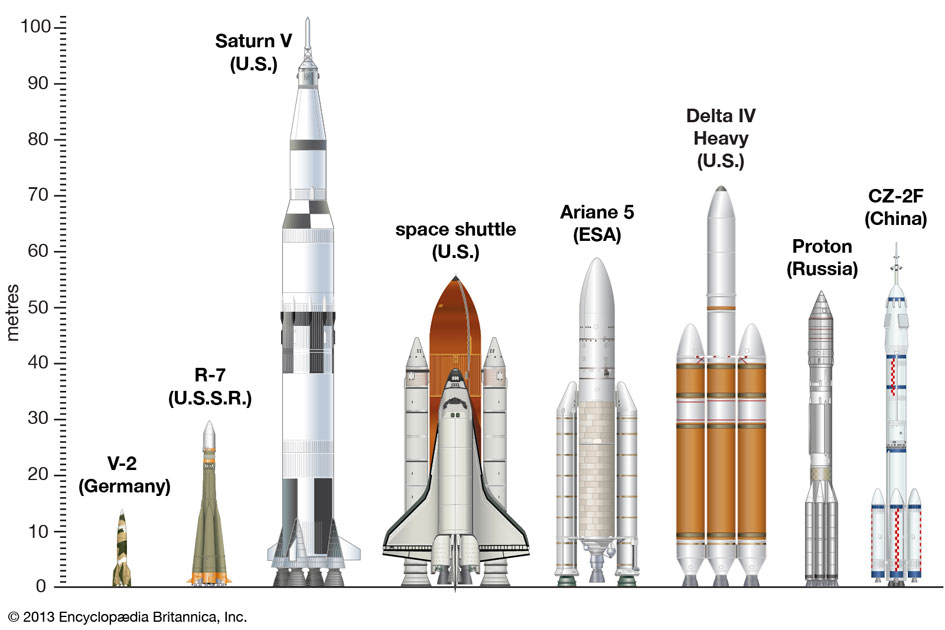
1. V-2 Rocket
-
Developed by Wernher von Braun during World War II
-
First long-range guided ballistic missile
-
Demonstrated the potential of liquid-fueled rockets
2. Sputnik and Explorer Missions
-
The Soviet Union launched Sputnik 1 in 1957, the first artificial satellite
-
The United States followed with Explorer 1 in 1958
-
Showcased the capability to reach orbit and sparked international competition
3. Human Spaceflight
-
Mercury, Gemini, and Apollo programs pushed rockets to carry humans
-
Saturn V, the most powerful rocket of its time, enabled the Moon landings
-
Highlighted the importance of reliability, thrust, and precision engineering
Modern Innovations in Rocket Launch Technology
Since the 1970s, rocket technology has evolved rapidly, focusing on efficiency, safety, and reusability:
1. Reusable Rockets
-
Companies like SpaceX and Blue Origin pioneered reusable boosters
-
Dramatically reduced launch costs
-
SpaceX’s Falcon 9 can land its first stage vertically for reuse
2. Advanced Propulsion Systems
-
Cryogenic fuels (liquid hydrogen and oxygen) increased efficiency
-
Ion and electric propulsion allow longer missions with lower fuel mass
-
Innovations enable deep-space exploration and satellite deployment
3. Autonomous Launch Systems
-
Modern rockets use computer-guided navigation
-
Allows precision orbit insertion and complex maneuvers
-
Reduces human error and increases mission reliability
4. Commercial Launch Industry
-
Private companies now operate alongside governments
-
Competition spurs innovation, cost reduction, and rapid development
-
Examples: SpaceX, Blue Origin, Rocket Lab, and Virgin Orbit
Satellite Launches and Global Connectivity
Rockets today are not just for astronauts—they launch communications, Earth observation, and scientific satellites:
-
Low Earth Orbit (LEO) constellations like Starlink provide global internet coverage
-
Remote sensing satellites track climate change, natural disasters, and urban growth
-
GPS satellites enhance navigation, commerce, and defense systems
This expansion illustrates the dual scientific and commercial value of modern rocket technology.
Human Space Exploration
Rocket evolution is inseparable from human spaceflight:
-
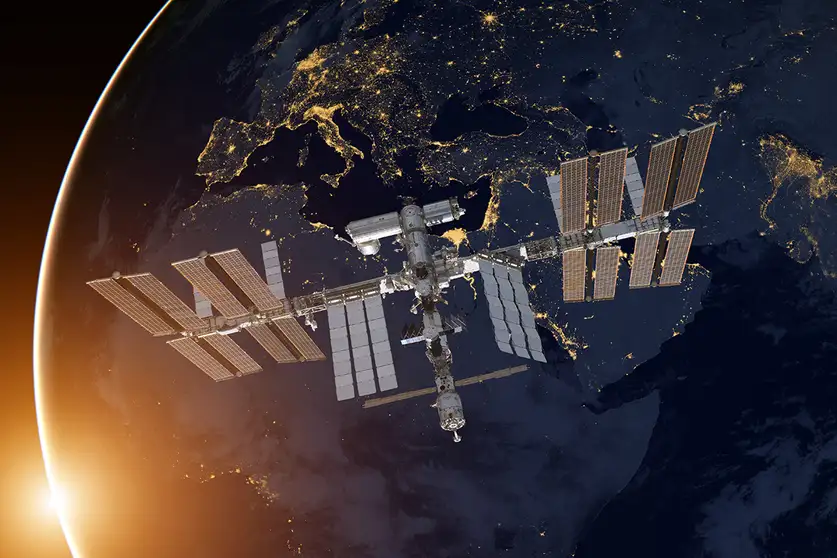
International Space Station (ISS) relies on rockets for crew and supplies
-
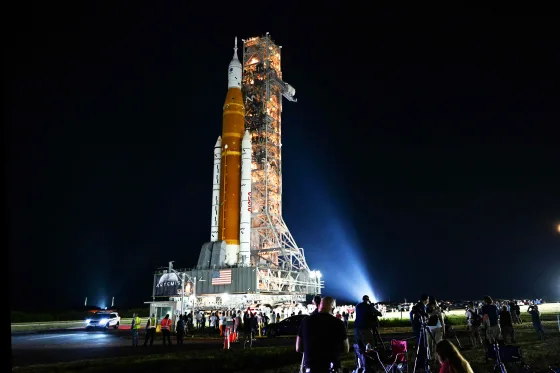
NASA’s Artemis program aims to land astronauts, including the first woman, on the Moon
-
Future missions to Mars and beyond require advanced rockets with higher thrust, reusable stages, and efficient life support integration
Modern rockets now balance human safety, cargo capacity, and mission flexibility.
Safety Improvements in Rocket Launches
Over decades, rocket launches have become safer due to technology and regulation:
-
Redundant systems ensure continued operation even if one component fails
-
Real-time telemetry allows mission control to monitor every stage
-
Abort systems can safely return astronauts in emergencies
-
Materials and engineering advances reduce risk of catastrophic failure
Safety is now a top priority, especially for human missions and commercial operations.
Environmental Considerations
The evolution of rockets also addresses environmental concerns:
-
Development of green propellants reduces toxic emissions
-
Reusable rockets minimize debris and waste
-
Satellite launches include deorbiting protocols to prevent space debris accumulation
Balancing exploration with environmental responsibility is a modern engineering challenge.
Notable Milestones in Rocket Evolution
-
Saturn V (1967–1973): Enabled Moon landings, still the tallest and most powerful rocket
-
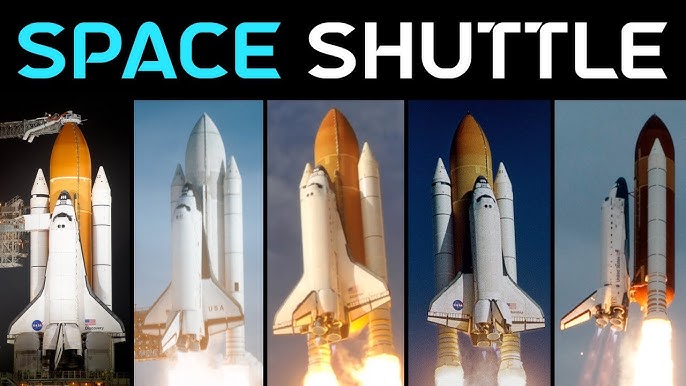
Space Shuttle (1981–2011): First partially reusable crewed spacecraft
-
Falcon 9 (2010–present): Revolutionized reusability with vertical landings
-
New Glenn and Starship: Next-generation rockets designed for heavy payloads and interplanetary missions
Each milestone represents incremental innovation, combining lessons from previous designs with modern technology.
Future of Rocket Launch Technology
The future promises radical advancements:
1. Fully Reusable Launch Systems
-
SpaceX’s Starship aims to be fully reusable, from first stage to spacecraft
-
Could drastically reduce launch costs and increase mission frequency
2. Nuclear Thermal and Electric Propulsion
-
Offers higher efficiency and thrust for deep-space missions
-
Essential for Mars, asteroid, and outer-planet exploration
3. Autonomous, AI-Driven Launch Operations
-
AI systems could optimize fuel efficiency, flight paths, and emergency responses
-
Reduces human workload and enhances mission precision
4. Space Tourism and Commercial Expansion
-
Companies are designing rockets for suborbital tourism and orbital hotels
-
Expands the role of rockets from exploration to commercial travel and industry
Impact on Society and Technology
Rocket evolution has far-reaching effects:
-
Economic impact: Commercial space industry fuels jobs, investment, and innovation
-
Scientific progress: Enables Earth observation, space telescopes, and planetary exploration
-
Technological spin-offs: Innovations in materials, computing, and robotics benefit industries on Earth
-
Inspiration: Rockets symbolize human ingenuity, curiosity, and ambition
Challenges Ahead
Despite advancements, challenges remain:
-
High launch costs for heavy payloads
-
Space debris management and orbital congestion
-
Radiation protection for deep-space missions
-
International regulations governing space launches
Overcoming these challenges requires collaboration, innovation, and policy development.
Conclusion
The evolution of rocket launch technology is a story of ingenuity, perseverance, and ambition. From primitive gunpowder rockets to reusable spacecraft capable of carrying humans to the Moon and beyond, the journey illustrates humanity’s relentless pursuit of exploration.
Modern rockets are faster, safer, and more efficient, opening doors for scientific discovery, commercial opportunities, and interplanetary travel. With continued innovation in propulsion, autonomy, and sustainability, the future promises even more incredible advancements, bringing humanity closer to Mars, the Moon, and the stars.
Rocket launch technology is not just engineering—it is the gateway to our cosmic future, reflecting the best of human creativity and determination.
Read Also: The Race to 300 mph: Will Hennessey or Koenigsegg Break the Speed Record in 2025?
Watch Also: https://www.youtube.com/@TravelsofTheWorld24






Leave a Reply