
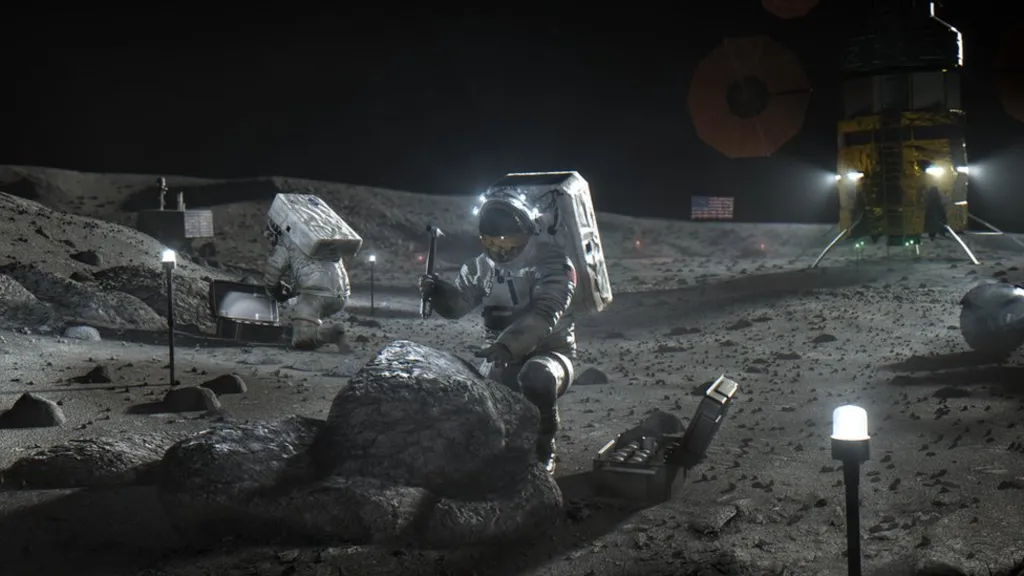
NASA has officially revealed its roadmap for landing the first woman on the Moon by 2026 as part of the Artemis program. This historic milestone represents a major step forward for gender inclusivity in space exploration and reaffirms humanity’s commitment to returning to the lunar surface after more than half a century.
The plan involves advanced spacecraft, rigorous astronaut selection, international collaboration, and significant technological innovation. This article explores NASA’s strategy, Artemis mission details, astronaut selection process, and the broader implications of landing the first woman on the Moon.
The Artemis Program: A New Era of Lunar Exploration
The Artemis program aims to establish a sustainable presence on the Moon and lay the groundwork for future Mars missions. Its key objectives include:
-
Returning humans to the lunar surface
-
Landing the first woman and the next man on the Moon
-
Developing lunar infrastructure, such as the Gateway orbital platform
-
Conducting scientific research to understand the Moon’s resources and environment
By emphasizing sustainability and inclusivity, Artemis sets the stage for a new chapter in space exploration.
Mission Timeline and Milestones
NASA’s plan for landing the first woman involves a series of coordinated milestones:
1. Artemis I
-
Completed as an uncrewed test flight of the Space Launch System (SLS) and Orion spacecraft
-
Validated launch, orbital operations, and reentry procedures
2. Artemis II
-
First crewed mission, testing life support, navigation, and deep-space travel
-
Will carry astronauts around the Moon without landing
3. Artemis III
-
Scheduled for 2026, this mission will land astronauts, including the first woman, on the lunar surface
-
Focuses on lunar south pole exploration and sustainable operations
Subsequent Artemis missions aim to establish long-term lunar habitats, robotic assistance, and resource utilization.
Astronaut Selection for the Historic Mission
NASA has emphasized a diverse and highly skilled astronaut crew:
-
Selection criteria include experience in spaceflight, technical expertise, and adaptability
-
Physical and psychological assessments ensure astronauts can handle long-duration missions and high-stress environments
-
NASA aims to highlight gender equality and inspire future generations
The inclusion of the first woman represents a symbolic and scientific milestone, reinforcing NASA’s commitment to diverse leadership in space exploration.
Technological Innovations for Lunar Landing
Landing humans safely on the Moon requires state-of-the-art technology:
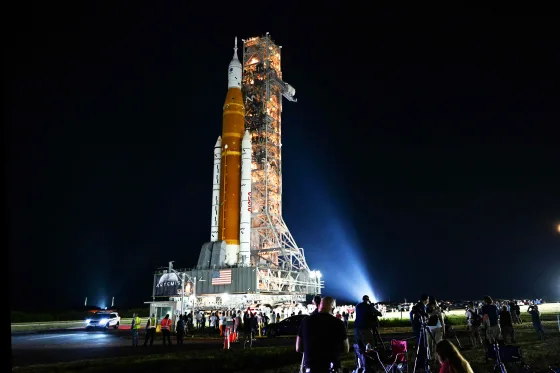
1. Space Launch System (SLS)
-
NASA’s most powerful rocket, designed to carry astronauts and cargo beyond low Earth orbit
-
Capable of supporting long-duration lunar missions
2. Orion Spacecraft
-
Crew vehicle for deep-space travel
-
Equipped with life support systems, navigation, and safety measures for lunar missions
3. Human Landing System (HLS)
-
Lunar lander designed to transport astronauts from lunar orbit to the surface
-
Advanced propulsion and safety systems ensure precise landing in challenging terrain
4. Gateway Orbital Platform
-
Modular space station orbiting the Moon
-
Serves as a staging point for lunar missions, including refueling, research, and emergency support
Scientific Goals of the Mission
The first woman on the Moon will contribute to critical scientific research, including:
-
Geological Studies
-
Examine lunar rock formations, regolith, and ancient craters
-
Study the Moon’s history and evolution
-
-
Resource Assessment
-
Identify potential sources of water ice and other materials
-
Support sustainable lunar habitats and future Mars missions
-
-
Biological Research
-
Study human adaptation to low-gravity environments
-
Prepare astronauts for long-duration missions on Mars
-
-
Technology Testing
-
Evaluate new suits, rovers, and communication systems in lunar conditions
-
These objectives highlight how gender-inclusive missions can also advance science and technology.
International Collaboration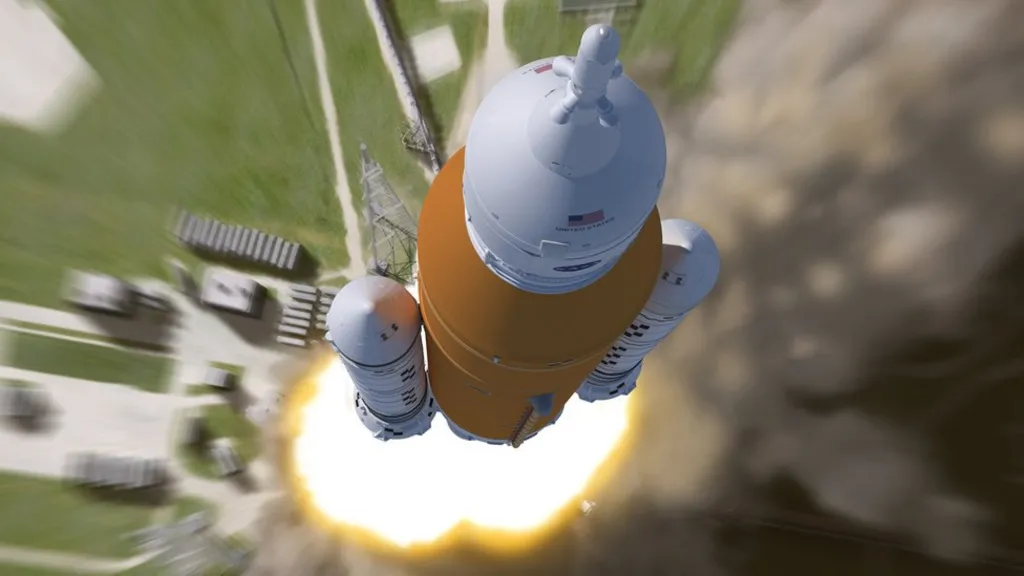
NASA is partnering with international space agencies:
-
European Space Agency (ESA): Contributing science modules and logistics
-
Canadian Space Agency (CSA): Providing robotic assistance for lunar exploration
-
Japan Aerospace Exploration Agency (JAXA): Supporting habitat and supply systems
Global cooperation ensures shared resources, expertise, and safety, making Artemis a truly international endeavor.
Training the First Woman on the Moon
Astronaut training includes:
-
Simulated lunar landings using virtual reality and lunar terrain analogs
-
Extravehicular activity (EVA) training in neutral buoyancy labs
-
Survival training for extreme lunar conditions
-
Scientific training for geological sampling and data collection
These preparations ensure astronauts can perform critical mission tasks safely and effectively.
Impact on STEM and Society
Landing the first woman on the Moon has profound societal implications:
-
Inspires young women and girls to pursue careers in STEM
-
Highlights gender equality in leadership roles
-
Strengthens public interest in space exploration and science
-
Encourages investment in new technologies, education, and research
NASA hopes the mission will create lasting influence, motivating future generations to explore space.
Safety Measures and Contingency Plans
NASA prioritizes astronaut safety:
-
Redundant life support systems aboard Orion and HLS
-
Emergency abort procedures during launch, orbit, and landing
-
Continuous medical monitoring and psychological support
-
Backup supply and communication lines via Gateway and Earth
These measures ensure astronauts can handle unexpected events while performing their mission.
Challenges for the Historic Mission
Several challenges must be overcome:
-
Lunar south pole terrain is rugged and shadowed, complicating landings
-
Limited sunlight affects solar power and surface operations
-
Communication delays require autonomous decision-making
-
Long-duration exposure requires advanced life support and health monitoring
NASA addresses these challenges through technology, training, and careful mission planning.
Long-Term Vision: Sustainable Lunar Presence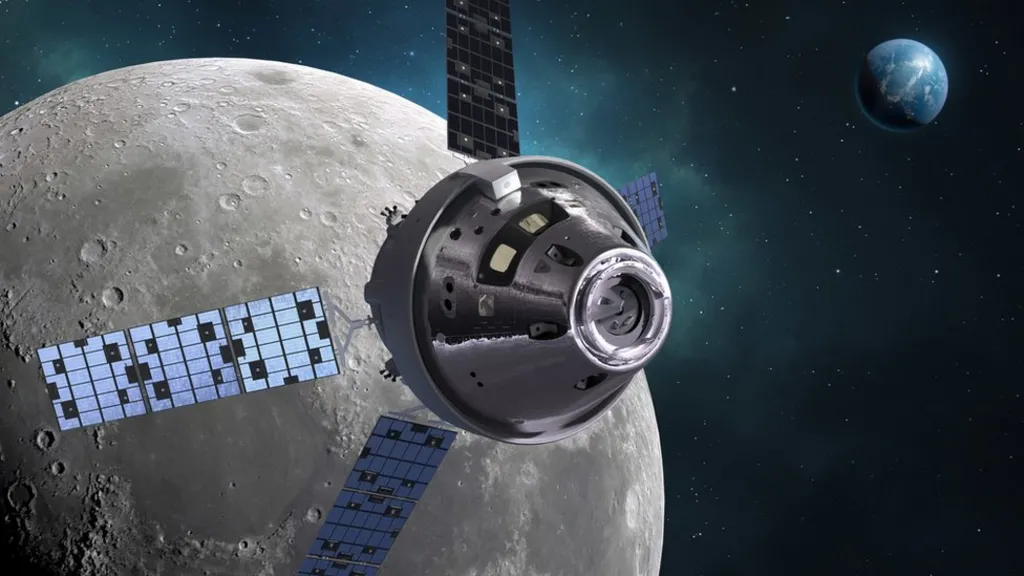
The Artemis program aims to establish a sustainable human presence on the Moon:
-
Permanent or semi-permanent habitats
-
Robotic systems assisting astronauts with mining and construction
-
Resource utilization, especially water ice for oxygen, fuel, and life support
-
Preparing humans for Mars exploration
Landing the first woman is a stepping stone to this ambitious vision.
Public Engagement and Outreach
NASA promotes public engagement through:
-
Educational videos, interviews, and live streams
-
Interactive websites and apps highlighting mission updates and astronaut profiles
-
STEM programs encouraging youth participation in space science
The historic first female lunar landing will capture global attention, inspiring new generations.
Conclusion
NASA’s plan to land the first woman on the Moon by 2026 is both historic and strategic. The mission combines advanced technology, rigorous astronaut training, scientific exploration, and international collaboration.
Beyond the symbolic achievement, it advances science, sustainability, and inclusivity in space exploration. By overcoming technical and logistical challenges, NASA demonstrates that returning to the Moon is achievable, and that the Moon will serve as a platform for future missions to Mars and beyond.
This milestone promises to inspire millions worldwide, particularly young women in STEM, while advancing humanity’s understanding of the Moon and the broader solar system. Landing the first woman on the Moon is not just a historic achievement—it is a catalyst for a new era of exploration.
Read Also: The Race to 300 mph: Will Hennessey or Koenigsegg Break the Speed Record in 2025?
Watch Also: https://www.youtube.com/@TravelsofTheWorld24









Leave a Reply