
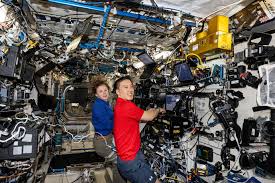
NASA astronauts aboard the International Space Station (ISS) recently described their experience of being temporarily stranded in orbit due to unforeseen delays in their return journey. While the situation posed logistical and psychological challenges, the astronauts emphasized that adapting to unexpected circumstances is an inherent part of space exploration.
This article explores the circumstances behind the delay, the day-to-day experiences of astronauts in space, how NASA manages unexpected situations, and the broader lessons for long-duration human spaceflight.
The Situation: Why the Astronauts Were Stranded
The astronauts were originally scheduled for a routine return to Earth, but a combination of factors extended their stay:
1. Technical Delays
-
Minor malfunctions in the return spacecraft systems
-
Additional inspections and maintenance required before reentry
2. Launch Schedule Adjustments
-
Delays in the arrival of replacement crew or cargo vehicles
-
Coordination with international partners affected timing
3. Weather Conditions
-
Earth-based landing zones faced unfavorable conditions, including storms and high winds
-
Safety protocols required a delay to ensure a secure return
NASA noted that while such delays are uncommon, they are anticipated in mission planning, and protocols exist to manage them safely.
Living in Space: The Daily Routine
Even when stranded, astronauts maintain structured schedules to ensure their physical and mental well-being:
1. Scientific Research
-
Conducting microgravity experiments in biology, physics, and materials science
-
Monitoring long-term experiments that require continuous observation
2. Station Maintenance
-
Regular checks on life support systems, power, and communications
-
Upgrades to equipment and software to maintain ISS functionality
3. Exercise
-
Two hours of daily exercise using resistance and treadmill equipment
-
Mitigates muscle atrophy, bone density loss, and cardiovascular strain
4. Mental Health and Recreation
-
Communication with family via video calls
-
Watching movies, reading, and playing games
-
Observing Earth from orbit, which provides both inspiration and stress relief
Astronauts stress that staying productive and maintaining routine helps manage stress and uncertainty.
Psychological Challenges of Being Stranded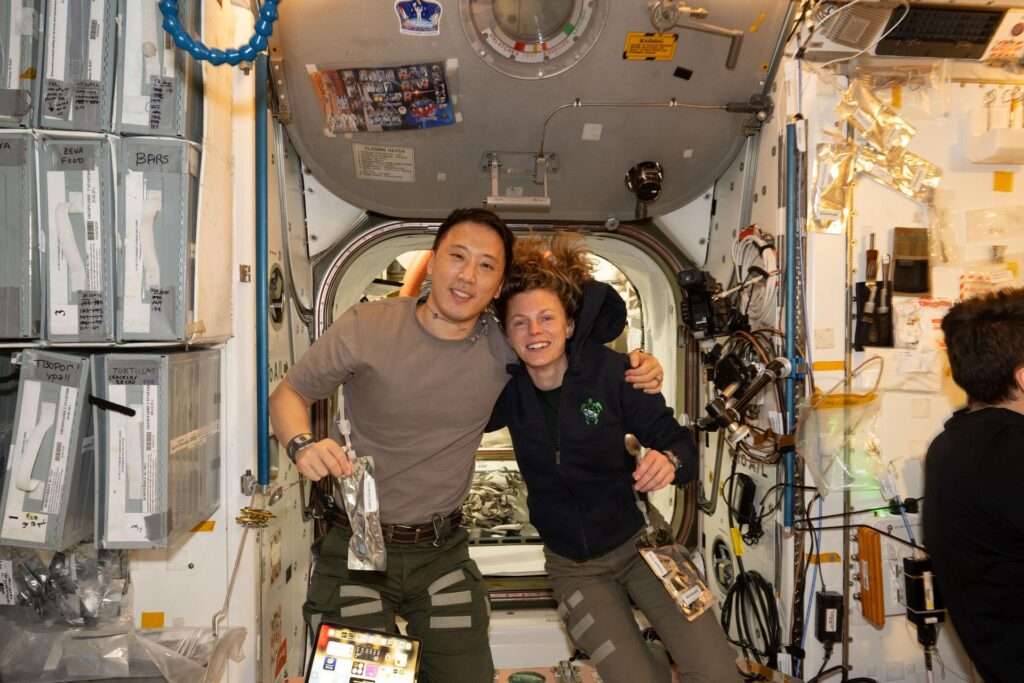
Being temporarily stranded in space can strain even the most experienced astronauts. Challenges include:
-
Isolation from family and friends for an extended period
-
Confined quarters, which limit personal space and privacy
-
Managing uncertainty about return timelines
-
Increased workload and vigilance to maintain safety
NASA mitigates these challenges by providing psychological support, including real-time counseling, group discussions, and structured leisure activities.
Physical Health Considerations
Extended stays, even by a few weeks, require careful health monitoring:
-
Bone density and muscle mass are maintained through exercise routines
-
Cardiovascular health is tracked using wearable devices and routine checkups
-
Nutrition is closely managed to support both physical health and cognitive function
Astronauts reported that maintaining physical fitness and a healthy routine is essential for both morale and mission success.
Communication and Coordination
NASA maintains constant communication with astronauts through Mission Control:
-
Daily briefings on operational tasks
-
Updates on spacecraft systems, experiments, and weather conditions
-
Coordination with international partners for docking and resupply missions
Effective communication ensures that astronauts are prepared for any contingency and can make informed decisions while in orbit.
Scientific Achievements During Extended Stay
Despite the unexpected delay, astronauts continued contributing to science:
1. Microgravity Experiments
-
Studied fluid dynamics, combustion, and biological growth in space
-
Produced data critical for future space missions and Earth-based applications
2. Medical Research
-
Monitored long-term physiological changes
-
Provided data for understanding muscle, bone, and cardiovascular health in microgravity
3. Earth Observation
-
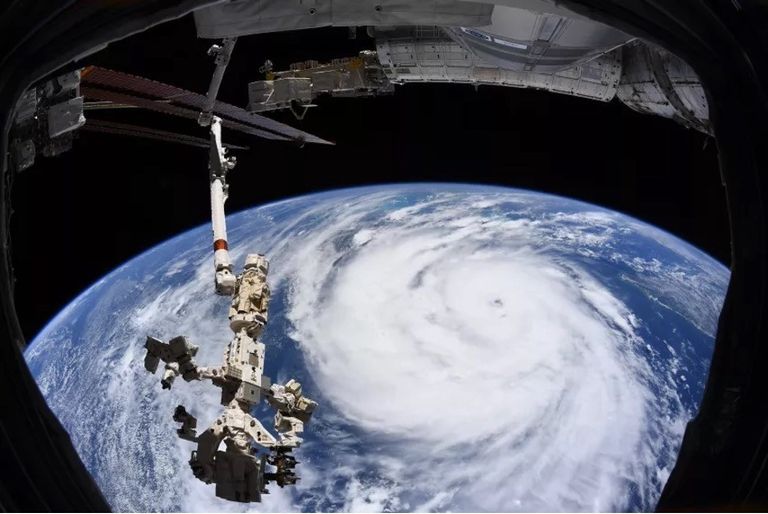
Captured high-resolution imagery of climate, weather patterns, and natural disasters
-
Assisted researchers in environmental monitoring and planning
The extended stay allowed scientists to collect additional valuable data that would have been impossible during the original schedule.
Lessons in Adaptability
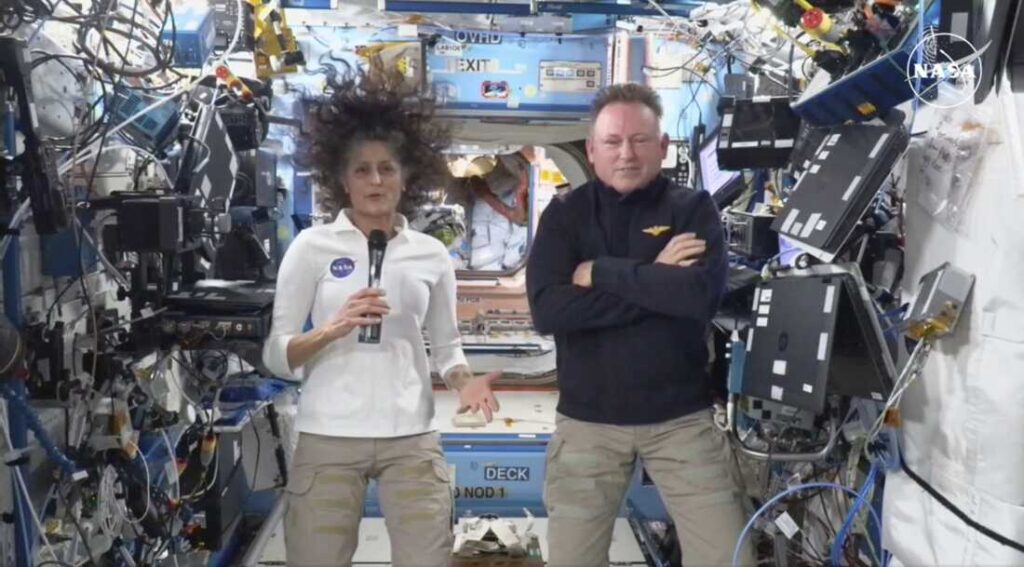
This image made from a NASA live stream shows NASA astronauts Suni Williams and Butch Wilmore during a press conference from the International Space Station on Friday, Sept. 13, 2024. (NASA via AP)
Astronauts emphasized that flexibility is key in space exploration:
-
Adaptation to delays is as important as technical skill
-
Problem-solving and teamwork are critical during unexpected circumstances
-
Psychological resilience is strengthened by structured routines and support systems
These lessons are vital for long-term missions, including lunar habitats and Mars expeditions, where delays and contingencies are likely.
NASA’s Safety Protocols
NASA’s response to delays ensures astronaut safety:
-
Redundant life support systems maintain air, water, and temperature
-
Emergency evacuation plans are always in place
-
Continuous monitoring of spacecraft integrity, radiation exposure, and supplies
-
Coordination with international partners ensures rescue or resupply options if needed
These measures ensure that even an unexpected extension in orbit does not compromise mission safety.
Public Communication and Transparency
NASA uses the situation to educate and inform the public:
-
Press releases and updates explain why delays occur
-
Videos and interviews from astronauts provide insight into life in space
-
Educational materials allow students and enthusiasts to learn about space operations and human resilience
Transparency helps build public confidence in NASA’s operational and safety standards.
Technological Readiness
NASA ensures that the ISS and spacecraft can support extended stays without compromising safety:
-
Redundant power systems
-
Life support backups for air, water, and food
-
Advanced communication systems to maintain real-time monitoring and guidance
These systems allow astronauts to remain in orbit safely, even beyond planned mission durations.
Implications for Future Space Missions
Unexpected delays provide valuable lessons for future human spaceflight:
-
Mars missions will require astronauts to endure longer isolation and self-sufficiency
-
Lunar bases will need contingency plans for return delays and emergencies
-
Extended stays help engineers refine spacecraft systems, life support, and supply chains
In essence, dealing with unexpected circumstances in low Earth orbit prepares astronauts and NASA for deep-space exploration.
Astronaut Perspectives
The astronauts themselves emphasized:
“Being stuck in space is just part of the job. We train for the unexpected, and our team is ready for any situation.”
“Even with delays, we continue our research and maintain station operations. It’s challenging, but it’s what we signed up for.”
These statements highlight the professionalism, resilience, and dedication required for space missions.
The Role of International Cooperation
The ISS is a collaborative effort among multiple countries:
-
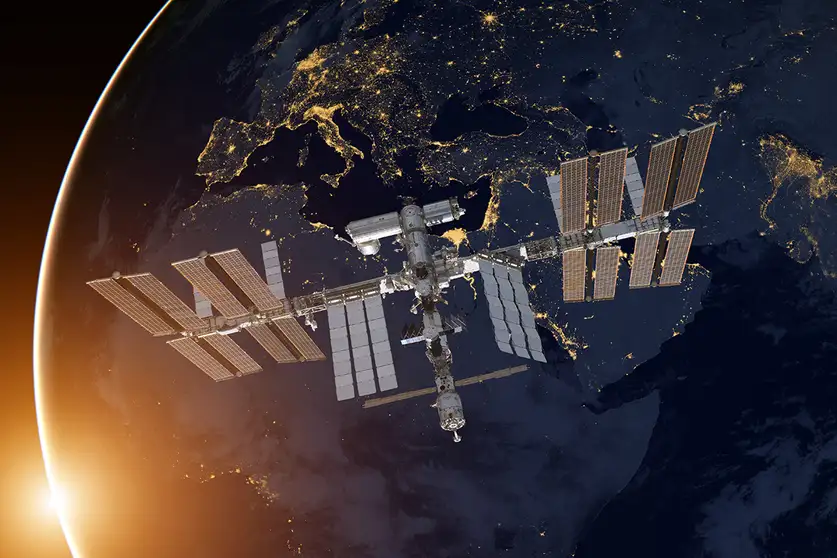
NASA coordinates with Roscosmos, ESA, JAXA, and other partners
-
Delays in one part of the operation often require adjustments from multiple agencies
-
Collaborative problem-solving ensures missions remain safe and productive
International partnerships enhance resilience during unexpected circumstances, ensuring astronauts are supported from multiple angles.
Conclusion
Being temporarily stranded in space is a reality that astronauts train extensively to handle. Through structured routines, technological readiness, psychological support, and international coordination, NASA ensures that such delays are managed safely and productively.
The experience underscores key lessons for future long-duration missions, including lunar bases, Mars exploration, and deep-space travel. Adaptability, teamwork, and resilience are just as important as technical skill, and astronauts continue to demonstrate that being prepared for the unexpected is an integral part of the job.
Ultimately, the incident serves as a reminder that space exploration is inherently unpredictable, but with proper planning, technology, and professionalism, humanity can continue to explore safely and effectively.
Read Also: The Race to 300 mph: Will Hennessey or Koenigsegg Break the Speed Record in 2025?
Watch Also: https://www.youtube.com/@TravelsofTheWorld24








Leave a Reply