
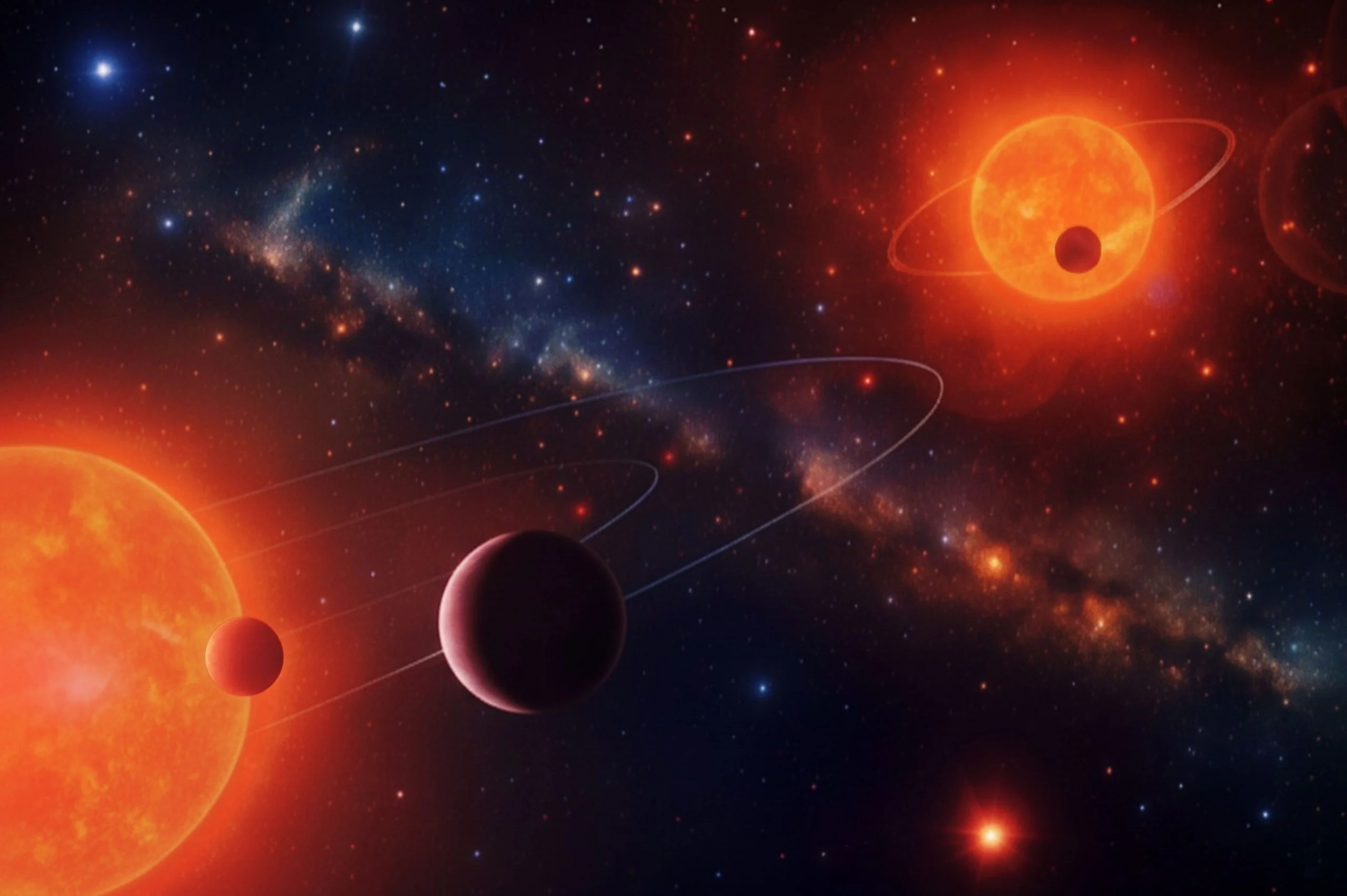
Astronomers are often prepared to encounter strange and unpredictable things in the universe—but every once in a while, a discovery emerges that forces scientists to rethink what they thought they understood. In 2025, such an extraordinary revelation captured the global scientific community’s imagination: a bizarre three-planet system whose structure, behavior, and composition defy nearly every rule of planetary formation taught in textbooks.
The discovery, made using a combination of cutting-edge space telescopes and ground-based observatories, centers on a star system that challenges key assumptions about how planets form, how solar systems remain stable, and what types of worlds can exist side-by-side. From impossible orbits to contradictory planetary sizes, this system is rewriting our understanding of cosmic architecture.
A Star System Unlike Anything Seen Before
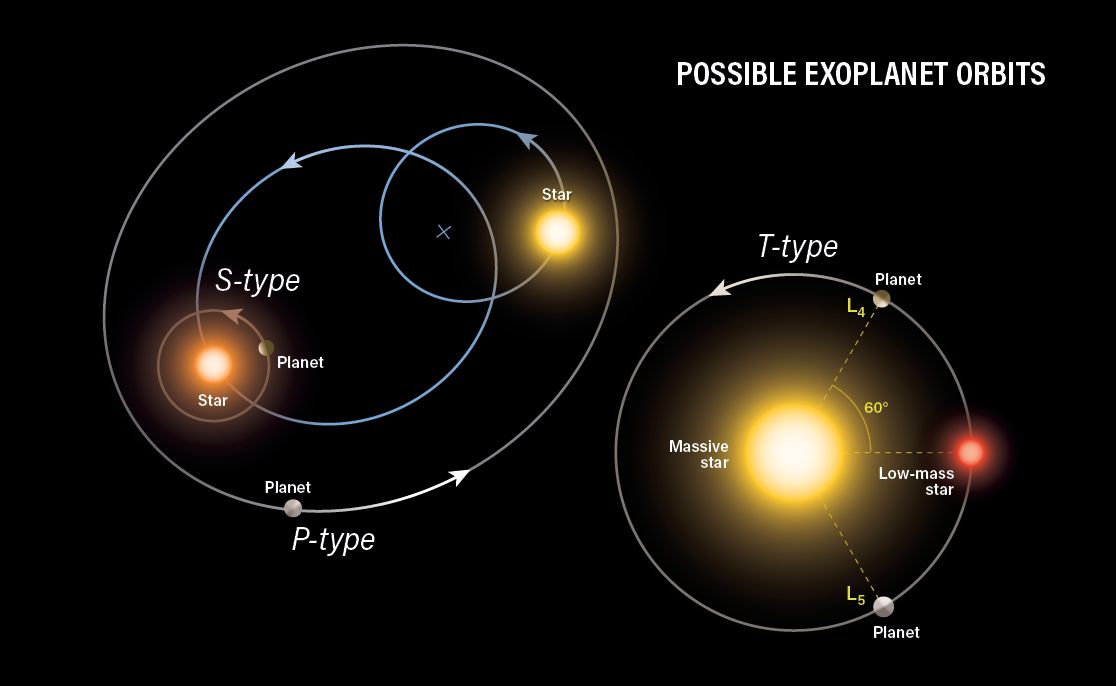
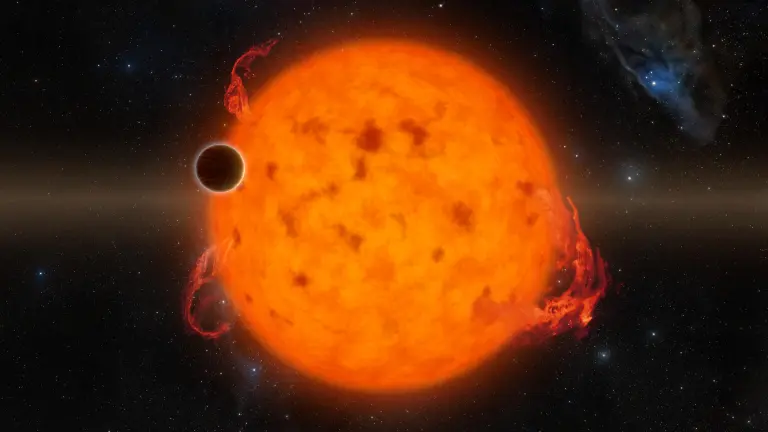
The newly discovered three-planet system—located roughly 140 light-years from Earth—orbits a small, sun-like star. At first glance, it resembles many other systems found in the last decade of exoplanet exploration. But deeper observations quickly revealed that its planets exhibit extreme contradictions that shouldn’t logically coexist.
The Three Planets
Scientists identified the following worlds:
-
Planet A:
-
A super-Earth, about 1.6 times Earth’s size
-
Rocky, dense, and extremely hot
-
Orbits incredibly close to the star
-
-
Planet B:
-
A mini-Neptune with a thick atmosphere
-
Much larger but surprisingly less massive
-
Orbits between the inner super-Earth and outer rocky world
-
-
Planet C:
-
A rocky Earth-like planet
-
Orbits farther out—but still unexpectedly warm
-
Appears to have retained an unusually thick atmosphere
-
What Makes It Weird
In most known planetary systems, smaller rocky worlds orbit close to the star, while larger gas-rich worlds form farther away. That pattern reflects how protoplanetary disks accumulate mass.
But this system features:
-
A large “puffy” planet sandwiched between two compact rocky ones
-
Planets whose densities and masses do not scale with their distance from the star
-
Orbital periods that are mathematically stable yet physically improbable
This configuration shouldn’t exist naturally—or at least, not under any known model.
A Puzzle of Planetary Formation

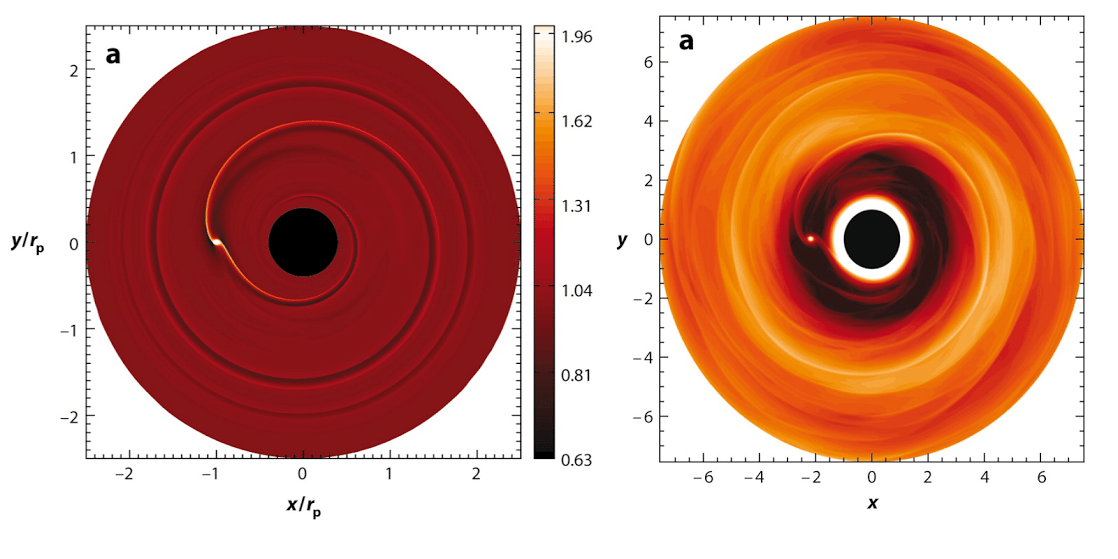
Researchers began analyzing the system using data from telescopes including NASA’s Transiting Exoplanet Survey Satellite (TESS), the James Webb Space Telescope, and precision radial-velocity instruments.
What they found only deepened the mystery.
Planet B Should Not Be There
The central mini-Neptune contradicts fundamental astrophysical expectations.
-
It is too large to have formed where it currently orbits.
-
Its atmosphere is too thick to have survived so close to the heat of the star.
-
Its mass is strangely low, suggesting it is filled with hydrogen and helium—yet it sits inside a zone where such volatile elements should have evaporated.
A Planet That Migrated—or Was Pushed?
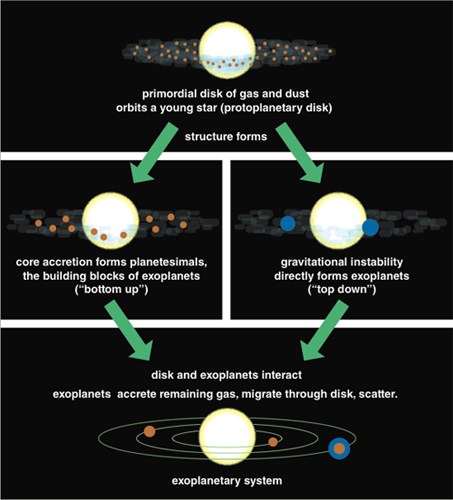
The best hypothesis is that Planet B did not form where it is today. Instead, scientists believe:
-
It may have originated farther from the star
-
Then migrated inward
-
Only to be stopped—or compressed—by gravitational interactions with the rocky planets
This would require a precise cosmic choreography that borders on the impossible.
Orbital Resonances That Should Fail—but Don’t


One of the greatest surprises is that the three planets orbit in a near-perfect resonance chain, where their periods follow a repeating mathematical pattern. Systems like this exist elsewhere—for example, Jupiter’s moons Ganymede, Europa, and Io—but the nature of these planets makes such stability remarkable.
For example:
-
Planet A completes an orbit in 7 days
-
Planet B in 14 days
-
Planet C in 28 days
This 1:2:4 resonance is extraordinarily rare among exoplanet systems—especially those containing mixed worlds with drastically different masses and densities.
Why Is This Resonance Shocking?
-
A gas-rich mini-Neptune typically disrupts the orbits of rocky planets
-
Resonance chains require long-term stability
-
Migration would normally destroy such delicate orbital spacing
Yet here, the resonance is intact—meaning the system has existed in this configuration for billions of years.
It shouldn’t be possible, yet somehow it is.
Clues from Atmospheric Chemistry
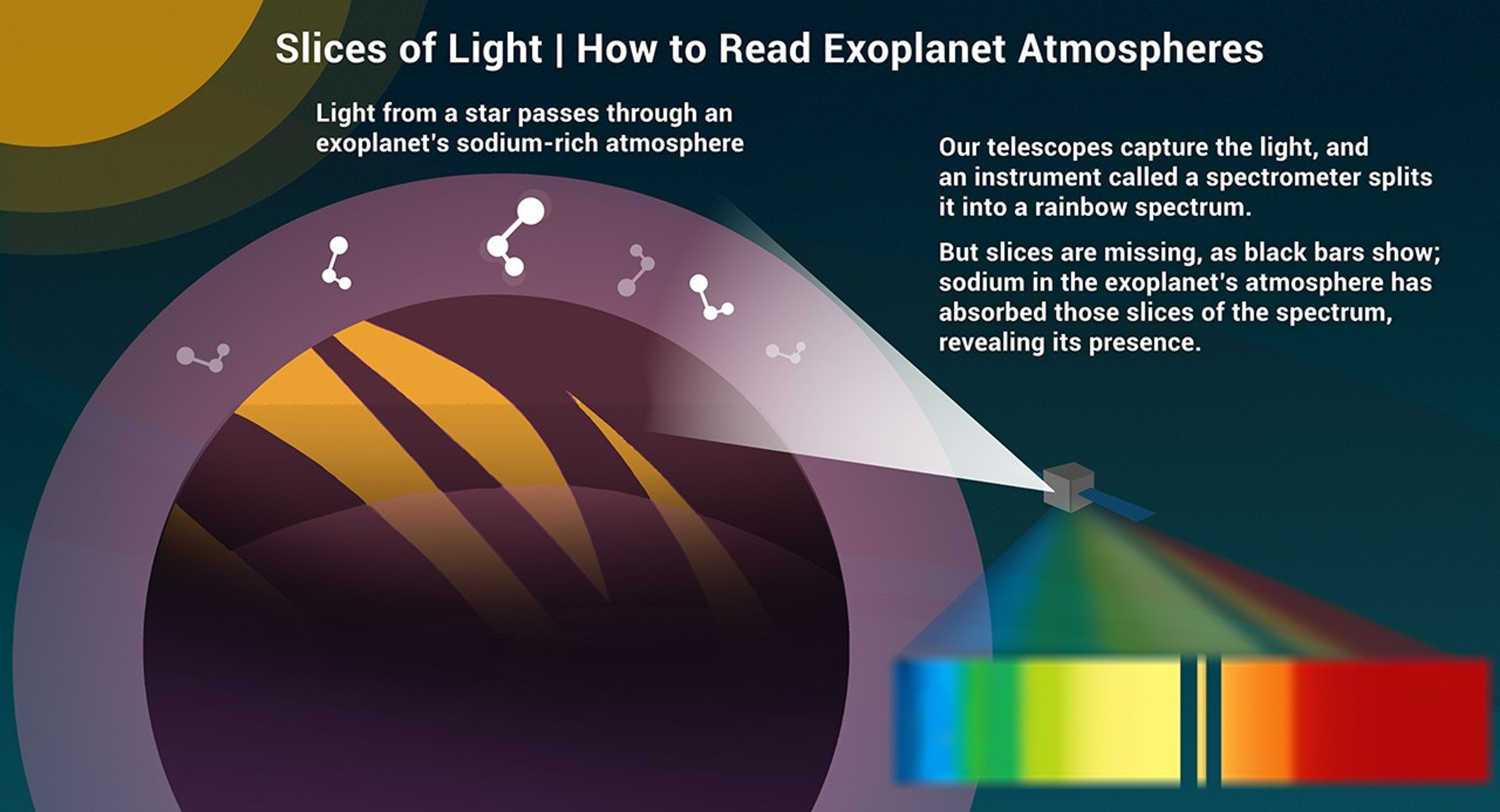
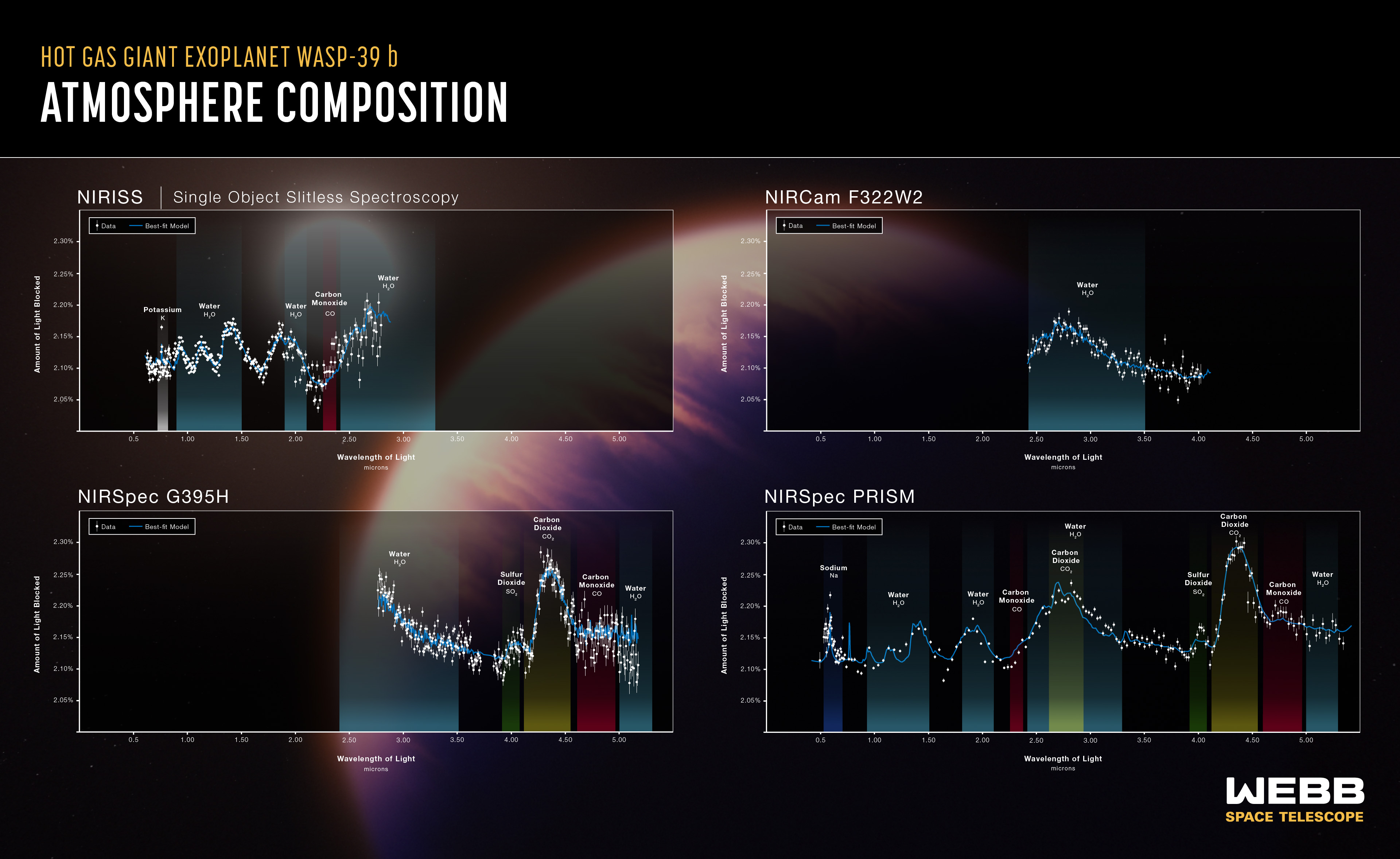
Using infrared data, astronomers analyzed light filtering through the planets’ atmospheres. What they found challenges assumptions about planetary evolution.
Planet B’s Atmosphere: The Puffy World
-
Thick hydrogen envelope
-
Trace methane and water vapor
-
Signs of escaping atmospheric mass
This suggests Planet B is actively losing gas—but not at the rate expected for a planet so close to its star. Something is replenishing or retaining its atmosphere.
Planet C’s Atmosphere: Surprisingly Dense
Planet C, the outer rocky world, has a denser atmosphere than Earth, possibly containing:
-
Nitrogen
-
Carbon dioxide
-
Small amounts of water vapor
This is puzzling because the planet is too warm for such a stable envelope unless unusual internal or magnetic processes are at work.
A System That Breaks the Rules of Planetary Science
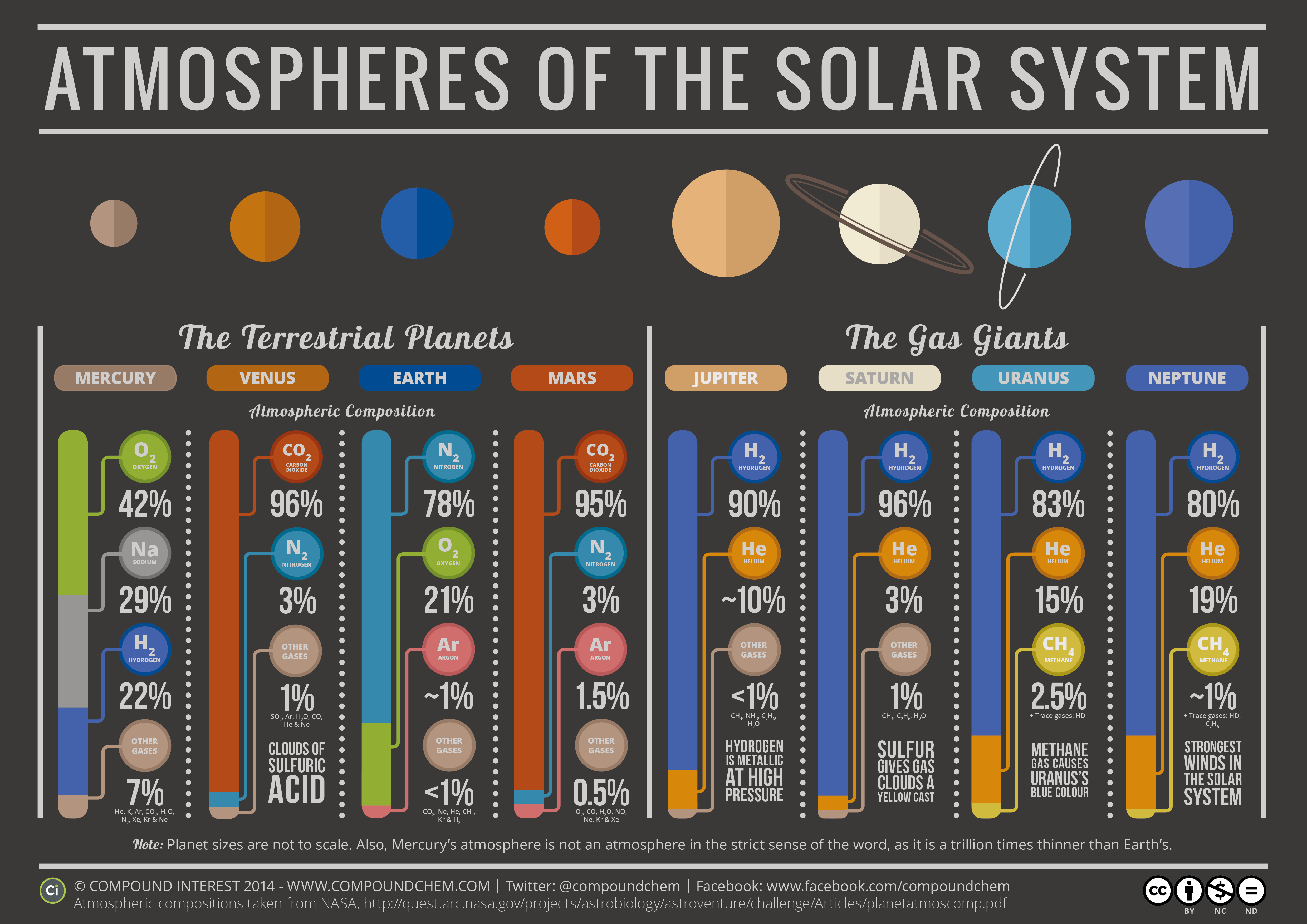
Scientists have identified several “broken rules” within this system:
1. Composition Rule Broken
Rocky → Gas-rich → Rocky
This order should not be possible.
2. Migration Rule Broken
Migrating planets should disrupt nearby rocky worlds.
3. Density Rule Broken
The largest planet is the least dense; the smallest is the most dense.
4. Temperature Rule Broken
Planet C is farther but unexpectedly warm, suggesting energy redistribution.
5. Stability Rule Broken
The resonance should collapse—but it doesn’t.
Each contradiction highlights gaps in our current understanding of how planets form and evolve.
What This System Might Teach Us

This three-planet system may become a key laboratory for future exoplanet science.
1. New Models of Planet Formation
The system suggests planets may form in chaotic patterns, influenced by:
-
Disk instabilities
-
Violent early migrations
-
Planet-planet gravitational interactions
2. Better Understanding of Mixed Worlds
Hybrid systems with both rocky and gas-rich worlds may be more common than thought.
3. Insights into Atmospheric Loss
Planet B’s “puffy” body could help scientists understand how atmospheres escape or evolve under extreme pressure.
4. Future Clues About Habitability
Planet C’s surprising atmosphere raises new questions:
-
Can rocky planets remain stable in chaotic systems?
-
Could they retain water or magnetic fields despite close giant neighbors?
These answers may influence future studies on the likelihood of life-bearing planets in the galaxy.
The Future of Observation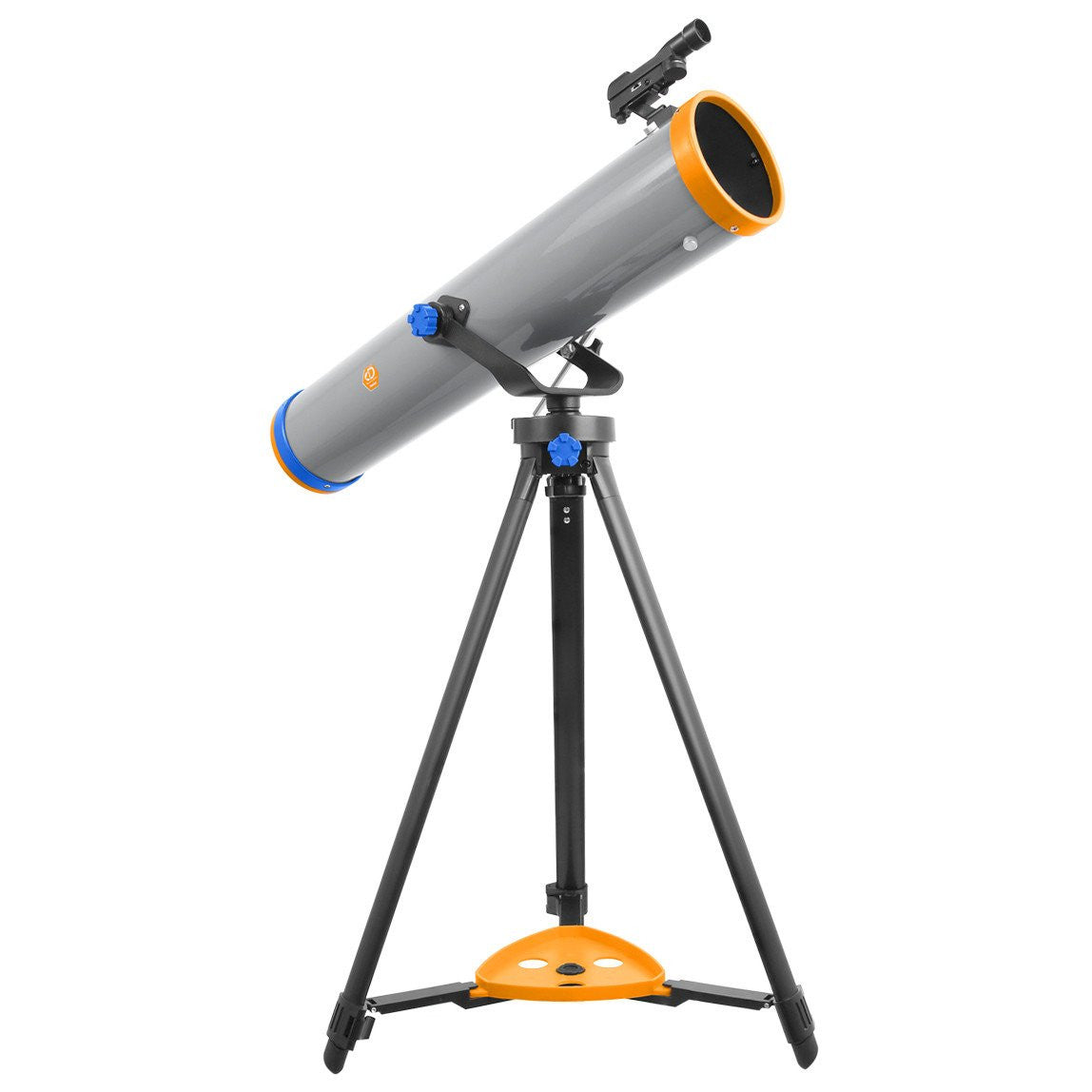
Astronomers plan to study this system using upcoming observatories such as:
-
NASA’s Roman Space Telescope
-
ESA’s PLATO mission
-
Extremely Large Telescope (ELT) on Earth
These instruments will provide sharper atmospheric data and possibly detect additional unseen planets influencing the system’s unusual layout.
Conclusion: A Cosmic Rule-Breaker That Changes Everything
The discovery of this bizarre three-planet system is one of the most important astronomical findings of the decade. By defying classical theories of formation, stability, and composition, it forces scientists to reconsider how diverse and complex planetary systems can be.
It reveals that the universe is far stranger—and far more creative—than the neat models scientists have used for decades. As researchers continue to investigate these mysterious worlds, they may uncover new rules that reshape our understanding of not just this one system, but billions of planets scattered across the galaxy.
In short, this discovery reminds us that space is still full of surprises. And sometimes, those surprises rewrite everything we thought we knew.
Read Also: Keep your face towards the sunshine and shadows will fall behind you
Watch Also: https://www.youtube.com/@TravelsofTheWorld24








Leave a Reply