
The year 2025 is shaping up to be one of the most exciting years in space exploration in decades. A unique convergence of lunar missions, asteroid encounters, commercial launches, and new space telescopes will push humanity further into the cosmos than ever before. With national space agencies and private companies expanding their capabilities, the world is preparing to witness bold journeys that will define the next era of scientific discovery.
From the return of humans to the Moon under NASA’s Artemis program, to an unprecedented close-up look at a metallic asteroid, to new spacecraft launching toward Mars, 2025 stands as a year of innovation, ambition, and cosmic curiosity. This article explores the biggest missions slated for the year—what they aim to achieve, why they matter, and how they may reshape our understanding of the universe.
1. Artemis 2: Humanity’s Return to the Moon


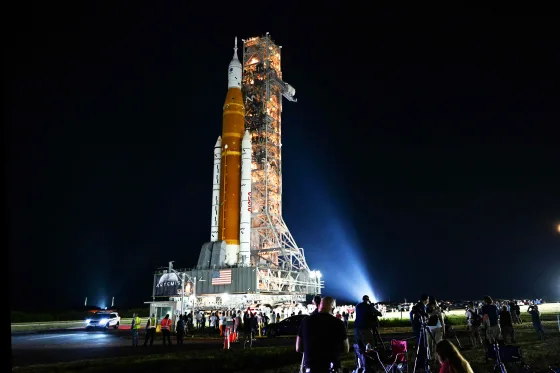
At the center of 2025’s mission lineup is Artemis 2, NASA’s first crewed lunar mission since 1972. While Artemis 1 successfully orbited the Moon without astronauts, Artemis 2 will carry a crew of four on a lunar flyby, testing life-support systems, deep-space communication, and new spacecraft operations.
Mission Goals
-
Conduct a high-altitude lunar flyby lasting about 10 days
-
Test the Orion spacecraft’s environmental and propulsion systems
-
Validate all systems required before Artemis 3’s planned landing
-
Take humanity farther into deep space than any previous crewed mission in 50+ years
Why It Matters
Artemis 2 will mark the first time a diverse, international crew ventures beyond low Earth orbit in modern history. If successful, it will pave the way for Artemis 3, the first human lunar landing of the 21st century, and eventually the establishment of a sustained human presence on the Moon.
2. JAXA + NASA: The Martian Moons Mission (MMX)
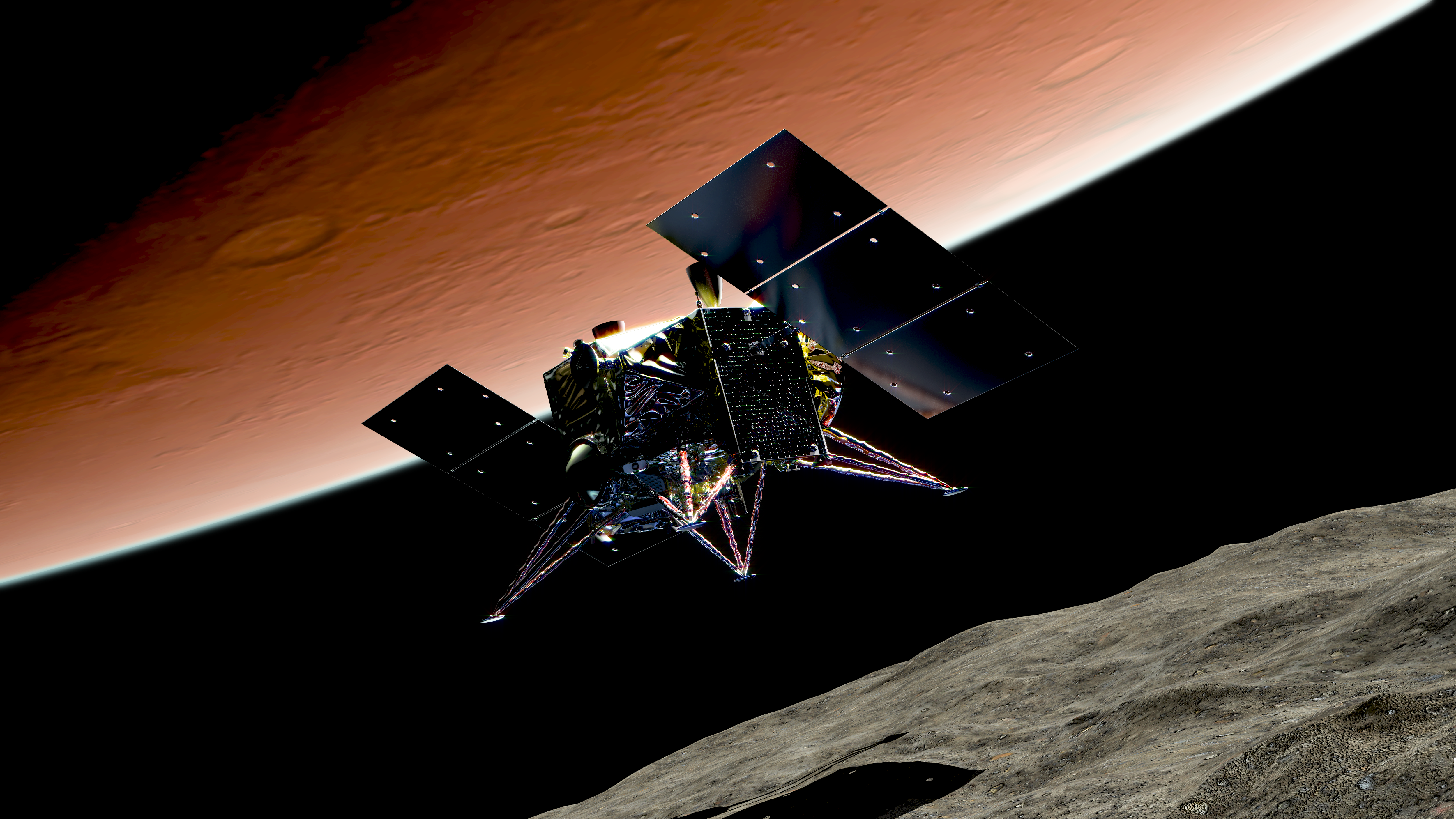


Japan’s space agency, JAXA, is preparing to launch the Martian Moons Exploration (MMX) spacecraft—one of the most intriguing robotic missions of the decade. Scheduled for launch in 2025, MMX aims to land on Phobos, the larger of Mars’ two moons, and return a sample to Earth.
Mission Highlights
-
Explore both Phobos and Deimos in unprecedented detail
-
Land on Phobos and collect surface samples
-
Return the sample to Earth by 2029
-
Help determine whether the moons formed from Martian impact debris or captured asteroids
Why It Matters
A sample from Phobos could reveal ancient secrets about the early solar system, Mars’ formation, and how water and organics may have spread through space. This will be humanity’s first-ever sample return from a moon other than our own.
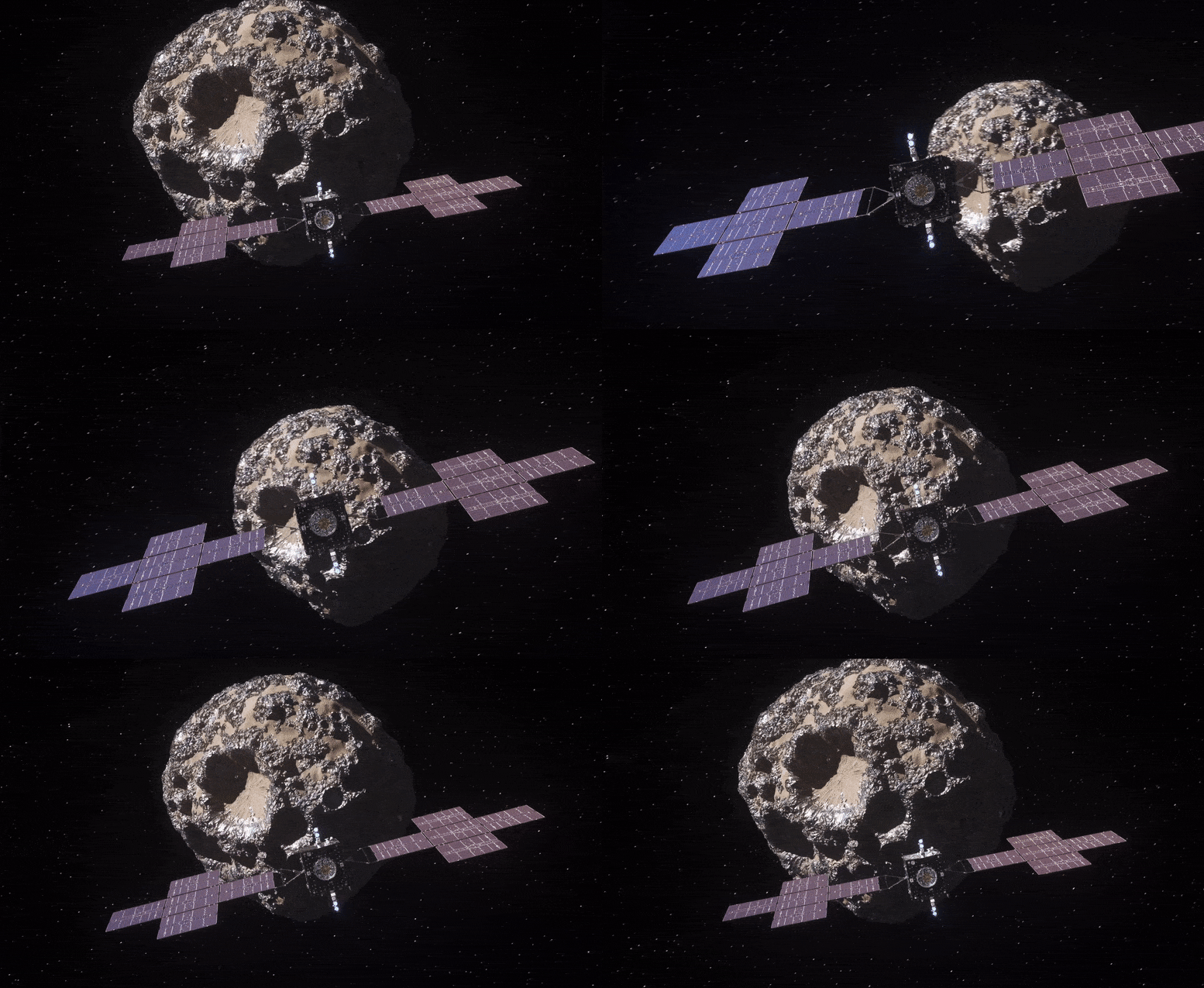
3. NASA’s Psyche Mission Reaches Its Asteroid


Mission Objectives
-
Orbit 16 Psyche and map its metallic composition
-
Study the asteroid’s gravity, density, and magnetic field
-
Determine whether Psyche is a planetary core remnant
-
Provide clues about how rocky planets like Earth formed
Why It Matters
Psyche could help scientists understand planetary formation, especially the violent processes that led to Earth’s layered structure with a metallic core. It’s also the first mission to explore a metal world, offering a glimpse into resources and geology never studied before.
4. Commercial Spaceflight Expands: SpaceX, Blue Origin & More

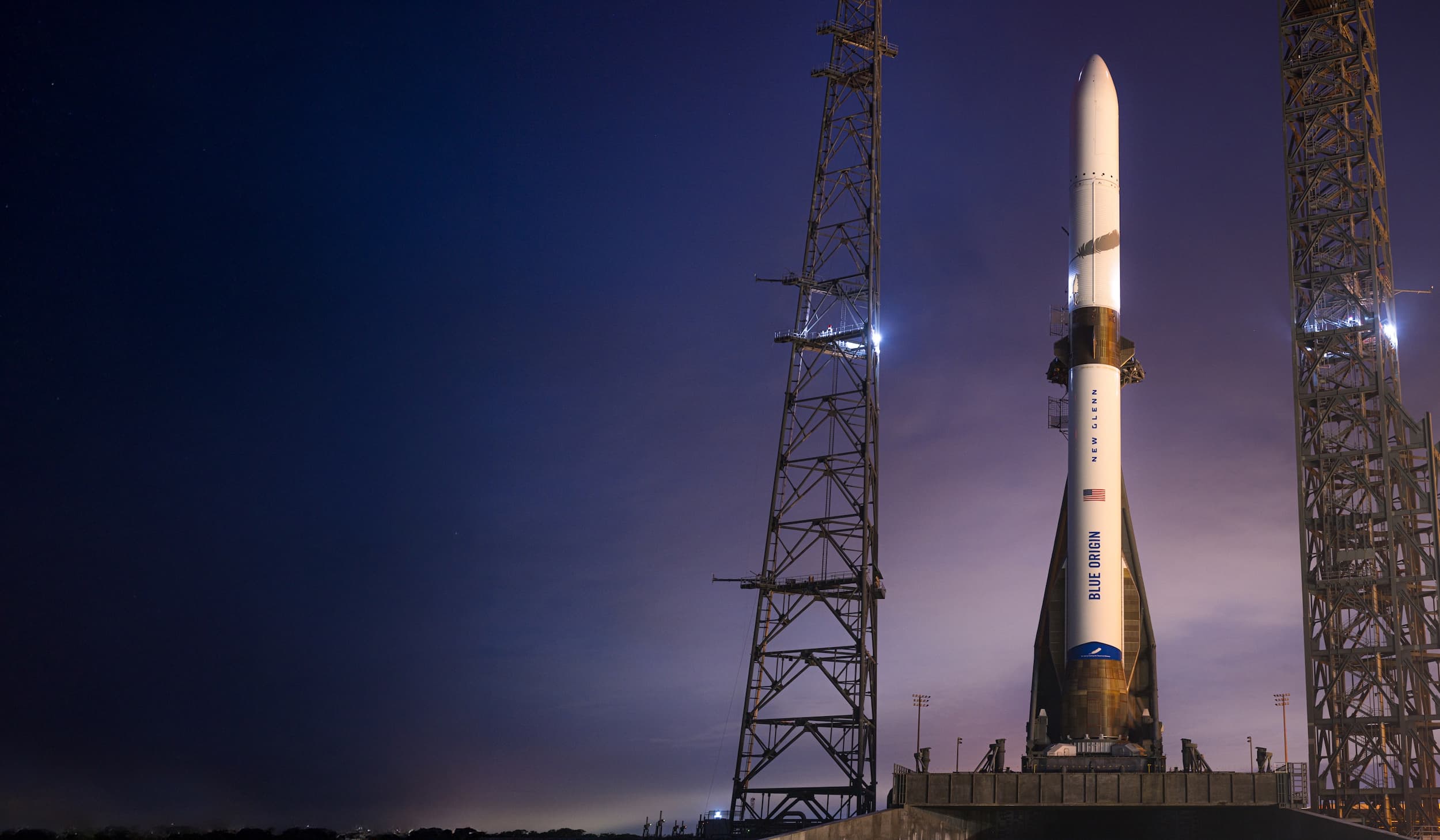

2025 will be a major year for private space companies as they push the boundaries of reusable, heavy-lift rockets and commercial spaceflight.
Key Commercial Developments
1. SpaceX Starship Missions
-
Expected regular orbital flights
-
Potential uncrewed tests supporting Artemis
-
Expanded satellite deployment and cargo missions
2. Blue Origin’s New Glenn
After years of development, New Glenn is expected to make its first operational flights in 2025, offering a new heavy-lift option for commercial and government payloads.
3. Private Astronaut Missions
Companies such as Axiom Space and Space Adventures plan more missions to the International Space Station, accelerating the rise of commercial space tourism.
Why It Matters
This commercial wave will lower costs, increase launch capacity, and push human spaceflight into a new era where private companies help shape the future of exploration.
5. ESA’s JUICE Continues Its Journey to Jupiter


2025 Highlights
-
Key gravity-assist flybys
-
System tests before arrival at Jupiter
-
Preparation for studying Ganymede, Europa, and Callisto
Why It Matters
JUICE aims to study the icy moons believed to harbor subsurface oceans, making them prime candidates in the search for extraterrestrial life.
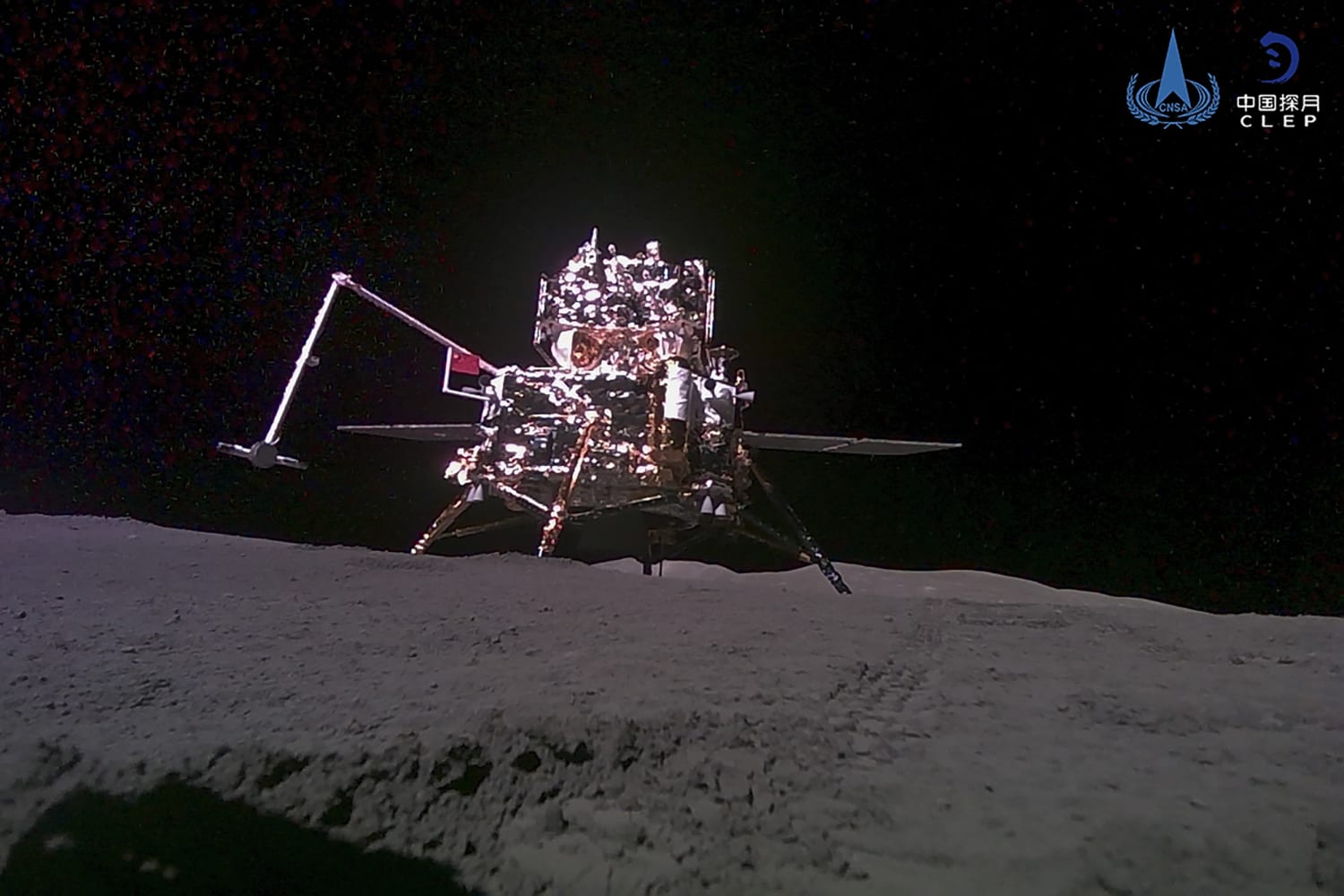
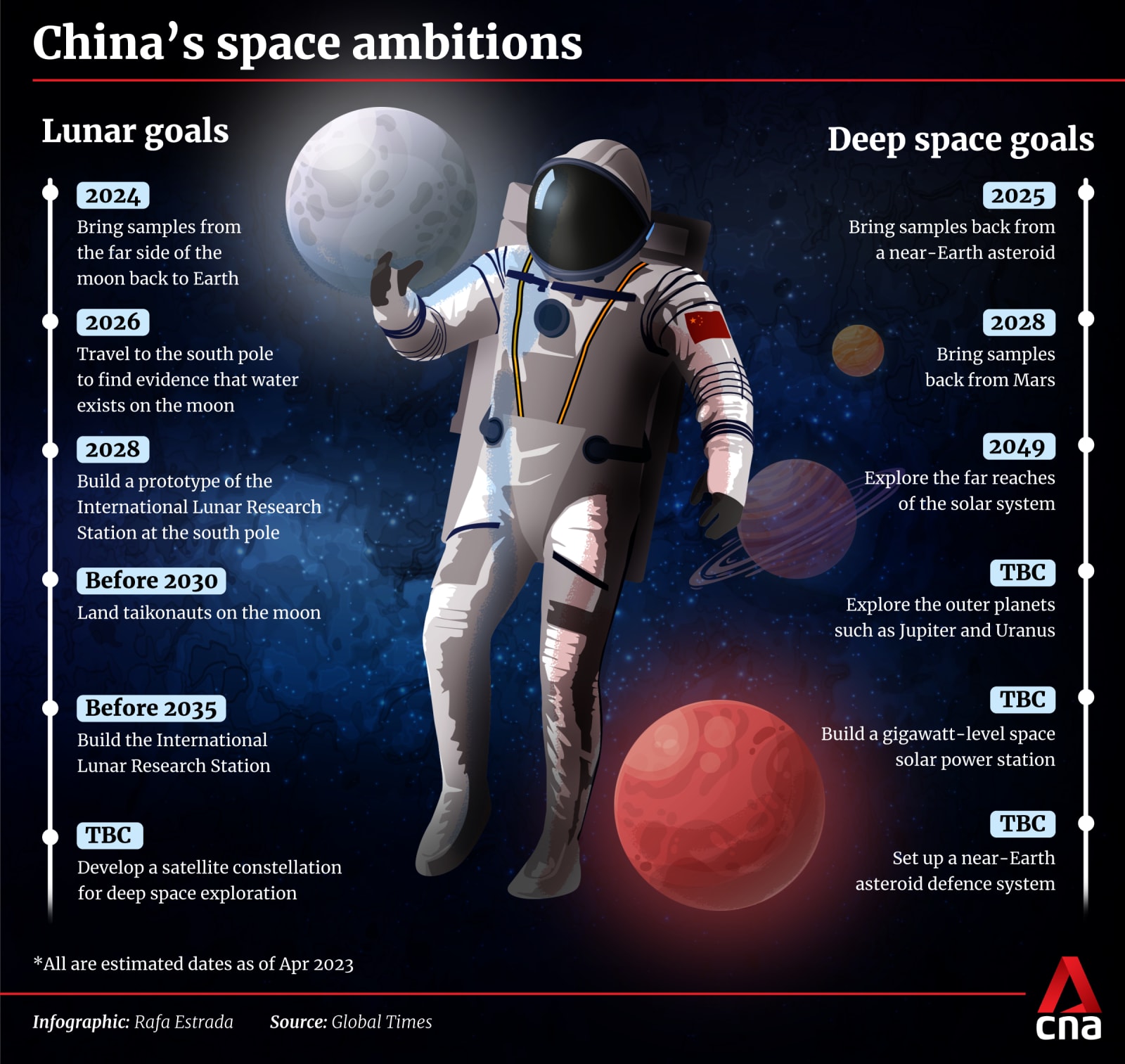
6. China’s Lunar Ambitions: Chang’e Missions

Possible Missions
-
A new lunar sample return
-
Infrastructure development for a future International Lunar Research Station (ILRS)
-
Collaborative scientific payloads with global partners
Why It Matters
China is emerging as a major lunar exploration leader, and 2025 may bring new milestones that build momentum toward its plan of landing astronauts on the Moon by 2030.
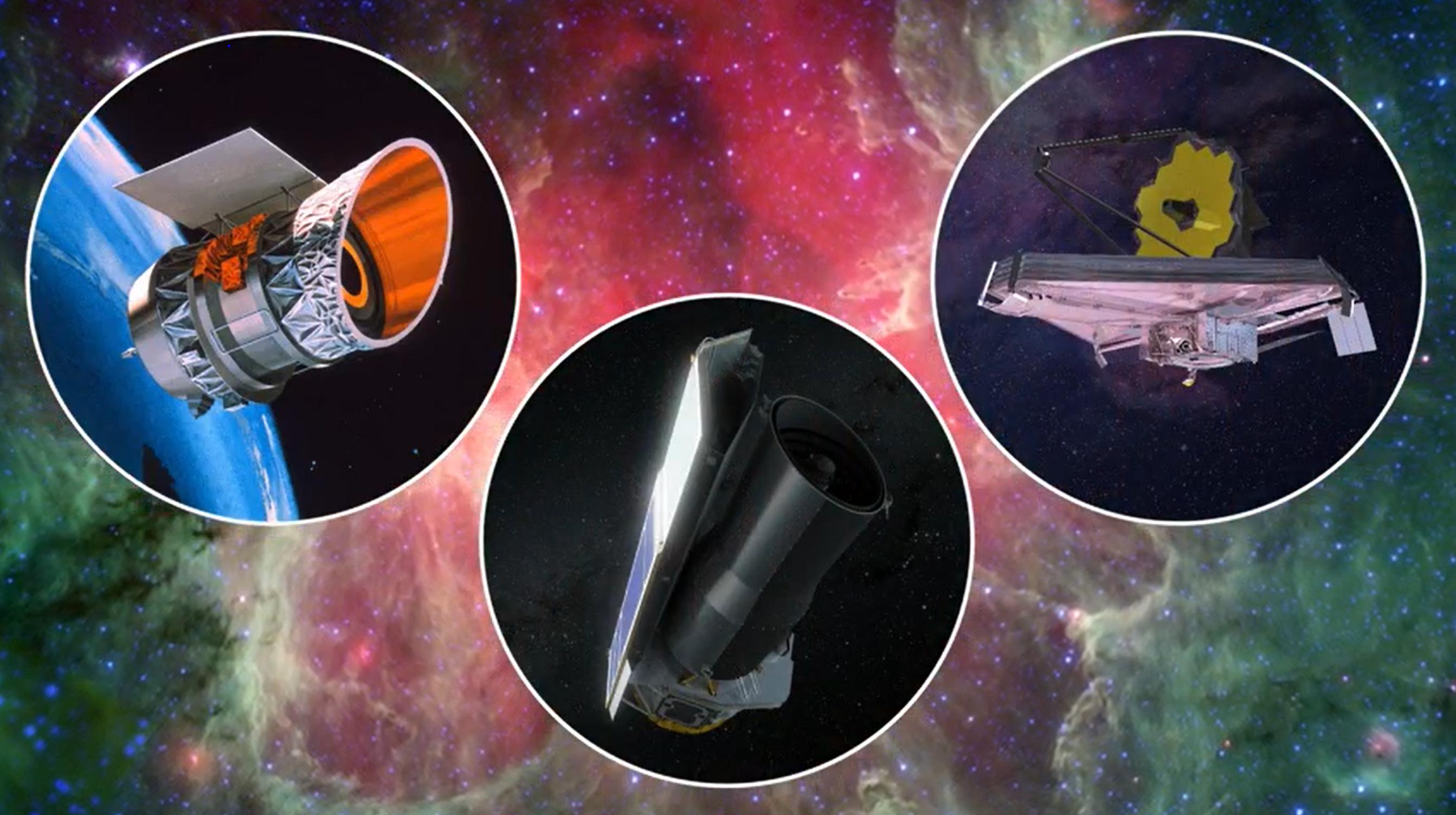
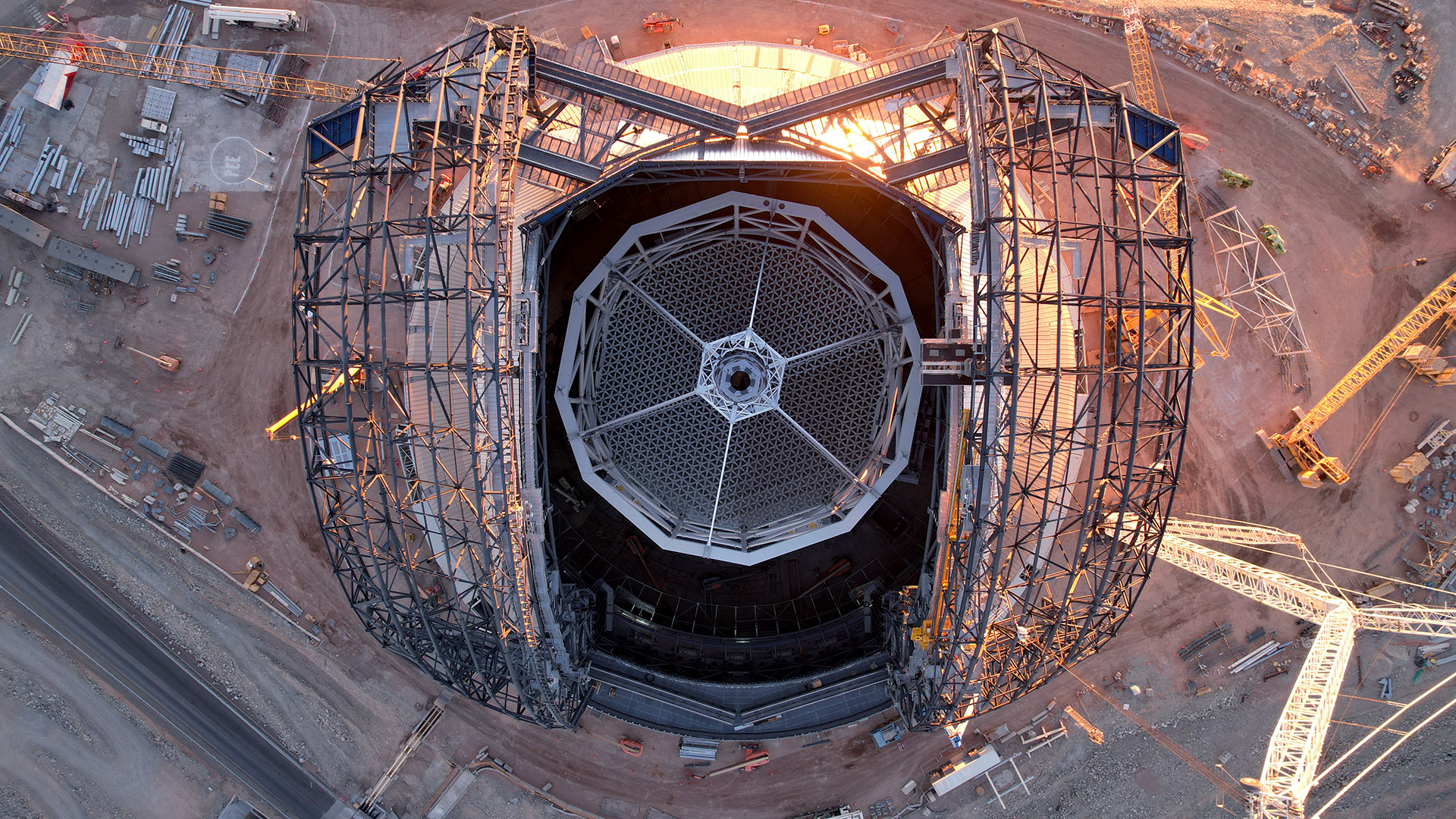
7. New Space Telescopes and Observatories Launch

Examples
-
Infrared and X-ray telescopes designed to complement JWST
-
New Earth-observation satellites monitoring climate change
-
Small satellites contributing to astronomy, weather, and communication
Why It Matters
These telescopes will help fill observational gaps, enabling scientists to study everything from stellar nurseries to dark matter to climate trends on Earth.
Conclusion: 2025—A Defining Year for Human Exploration
As humanity re-enters the lunar neighborhood, reaches mysterious worlds, and pushes deeper into the cosmos, 2025 stands out as a turning point in space exploration. It is a year where national agencies and private companies are working side-by-side, transforming science fiction into everyday reality.
From the Artemis 2 crewed lunar flyby, to Psyche’s metallic asteroid encounter, to international and commercial missions around the solar system, the coming year promises discoveries that will shape our understanding of the universe for generations.
Space exploration is entering a new era—bold, collaborative, sustained—and 2025 is just the beginning.
Read Also: Keep your face towards the sunshine and shadows will fall behind you
Watch Also: https://www.youtube.com/@TravelsofTheWorld24









Leave a Reply