
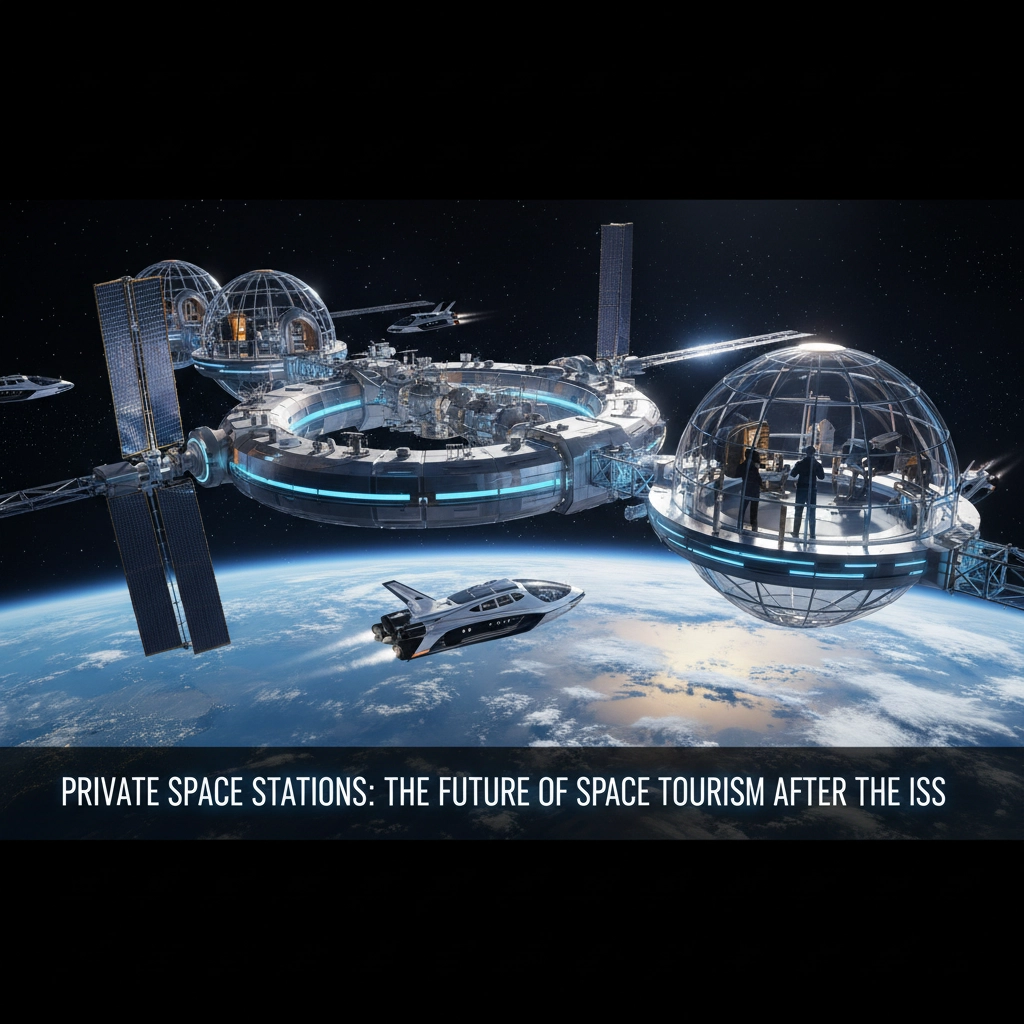
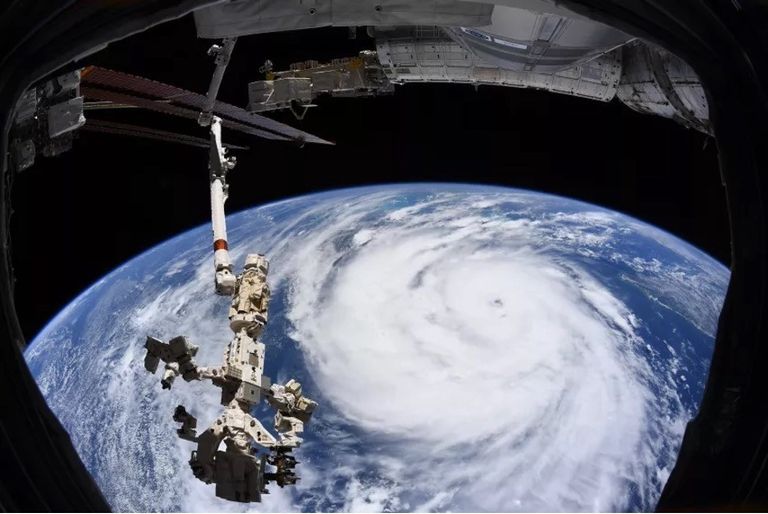
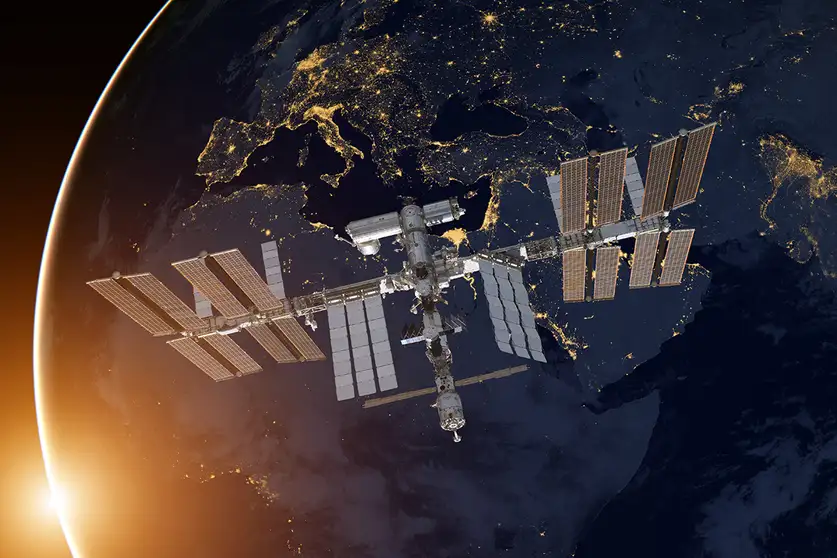
The concept of civilians visiting space once seemed like science fiction. But that is changing fast. NASA has recently reaffirmed its push to open the International Space Station (ISS) to private-sector astronauts — including paying “tourists” — beginning as early as next year.
Here’s a deep dive into what this plan entails, why NASA is doing it, how it will work, and what the future of space tourism might look like.
Why NASA Is Opening ISS to Tourists
1. Building a Low‑Earth Orbit Economy
NASA is increasingly shifting from being the sole operator of space missions to becoming a customer in a broader commercial low-Earth orbit (LEO) economy. This involves enabling private companies to use the ISS for commercial research, manufacturing, marketing — and yes, tourism.
By leasing out access to the ISS, NASA hopes to reduce operational costs, attract private investment, and create a sustainable market for orbital services — rather than bearing all costs internally.
2. Expanding Access to Space
In the past, spaceflight was limited to trained government astronauts, but the rise of private spaceflight and commercial crew vehicles has changed that. Opening the ISS to private astronauts makes space more accessible — not for everyone, but for those able to pay — bridging the gap between professional astronauts and ordinary people.
3. Diversifying Station Use
The ISS has long been a hub for scientific research. Allowing commercial and marketing activities — from product manufacturing to media creation — diversifies its role. That could include making use of microgravity for advanced manufacturing, filming movies or adverts, or conducting unique experiments that have commercial applications.
How the Plan Will Work: Private Astronaut Missions & Commercial Use
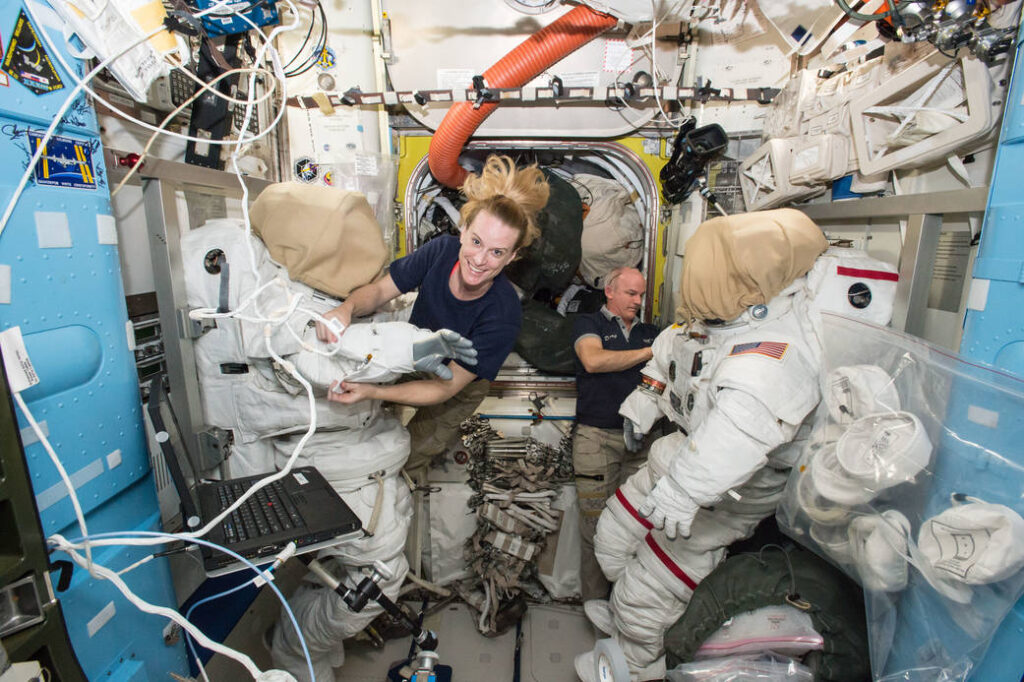
NASA 2071122 76.1F
Private Astronaut Missions
Under the new directive, NASA will permit private astronaut missions — likely short-term stays — to the ISS. These missions will be:
-
Privately funded
-
Flown on U.S. spacecraft developed under NASA’s Commercial Crew Program (e.g. by commercial partners)
-
Of limited duration — for example, previous statements suggested up to 30 days per mission.
-
Subject to medical and training standards similar to those for professional astronauts. Private astronauts will need to meet NASA’s medical requirements and training protocols.
NASA has indicated it may accommodate up to two such private missions per year, depending on demand and logistics.
Commercial & Marketing Activities Aboard the ISS
Beyond tourism, the new policy allows commercial entities to use the ISS for manufacturing, research, media production — even marketing. That could include:
-
Pharmaceutical or material science research in microgravity
-
Production of high-value materials or products that benefit from the station’s unique environment
-
Filming advertisements, movies, or content that leverages the view and setting of space
Companies will pay for use of the station’s resources (crew time, cargo capacity, utilities) under a defined pricing structure.
Allocation of Station Resources
Under initial rollout:
-
A modest fraction (e.g. 5%) of NASA’s annual allocation of crew resources and cargo capacity will be made available for commercial use.
-
This includes crew time (for private astronauts) and cargo launch capacity.
As the market and demand evolve, NASA may expand or adjust these allocations.
What “Tourism” on the ISS Looks Like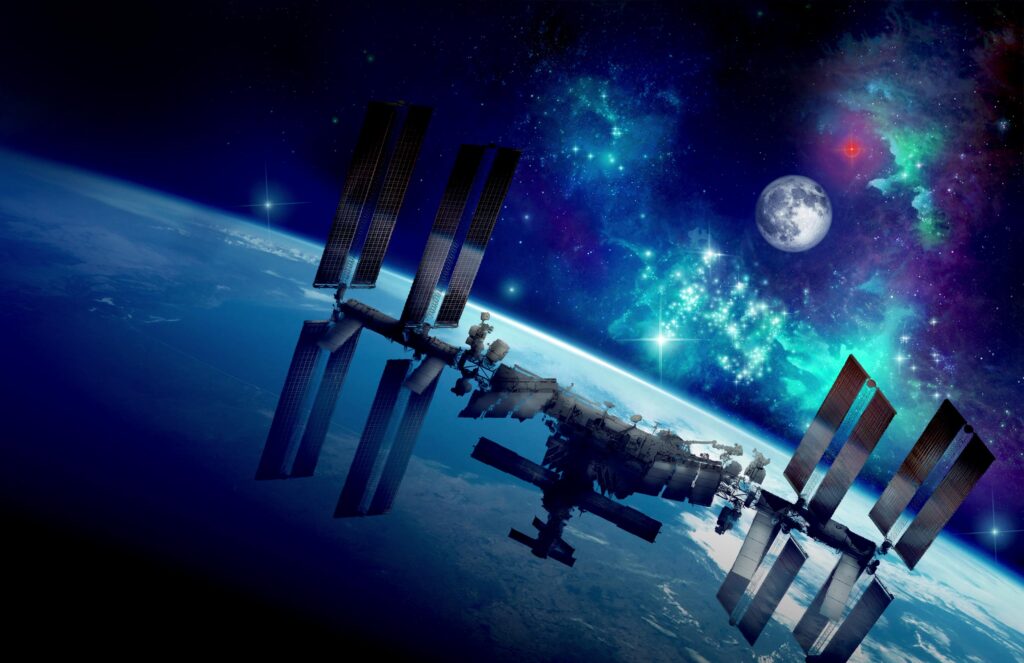
Space tourism to the ISS won’t be like a cruise or hotel stay. It will be more like a high-stakes, highly regulated expedition. Here’s what a tourist–astronaut can expect:
-
Pre-flight training, medical clearing, and possibly a former astronaut acting as mission commander or guide. Recent reporting suggests that NASA may require private missions to include a veteran astronaut to oversee safety.
-
Launch aboard a certified commercial crew spacecraft (e.g. a capsule launched by a private company) under existing safety and docking standards.
-
A stay aboard the ISS — likely limited to a few days or a few weeks — depending on the mission design and available resources. Earlier plans discussed up to 30-day visits.
-
Compliance with ISS operations: limited access to critical systems, restrictions on “high-criticality hardware,” and supervision by experienced astronauts or ISS crew.
Given the costs and complexity involved, this kind of trip will likely remain accessible to wealthy individuals, companies, or well-funded organizations — not mass-market tourism.
Timeline: When Could Tourists Actually Go to the ISS?
The idea of private astronauts visiting the ISS was announced several years ago.
But recently (2025), NASA renewed its commitment to support private astronaut missions — issuing calls for companies to propose missions to the ISS for 2026 and 2027.
If all goes according to plan — commercial crew vehicles are ready, crew training is completed, docking slots are available — the first tourist/ private–astronaut missions could begin as early as next year (2026).
That said, timelines remain tentative and dependent on several factors, including:
-
Availability of certified commercial spacecraft
-
Regulatory, safety, and medical clearances
-
Scheduling of ISS traffic (spacecraft docking, crew rotations, cargo missions)
-
Demand from private individuals or companies
Challenges, Risks, and What Might Limit Space Tourism’s Growth
High Cost
Becoming an “ISS tourist” won’t be cheap. The cost of training, launch, life-support, accommodations — plus the scarcity of docking slots — will likely keep the price tag high, limiting access to a small, wealthy demographic.
Limited Availability
NASA currently plans for only a small number of private missions per year (e.g. up to two). As long as that limit stands, demand may far exceed supply.
Safety and Training Requirements
Spaceflight remains risky. Even short stays require medical fitness, training, and adherence to strict safety protocols. That makes the process long and demanding, reducing the pool of eligible participants.
ISS Operational Constraints
The ISS is a scientific laboratory — not a hotel. Tourists must share space with astronauts conducting research, cargo missions, and station maintenance. Docking ports are limited, and scheduling must accommodate station operations, cargo supply, and crew rotations.
Regulatory and Ethical Considerations
There are questions about what kind of commercial or marketing activities should be allowed in space, how safety and liability are handled, and the long-term sustainability of privatizing orbital resources.
What This Means for the Future of Space Travel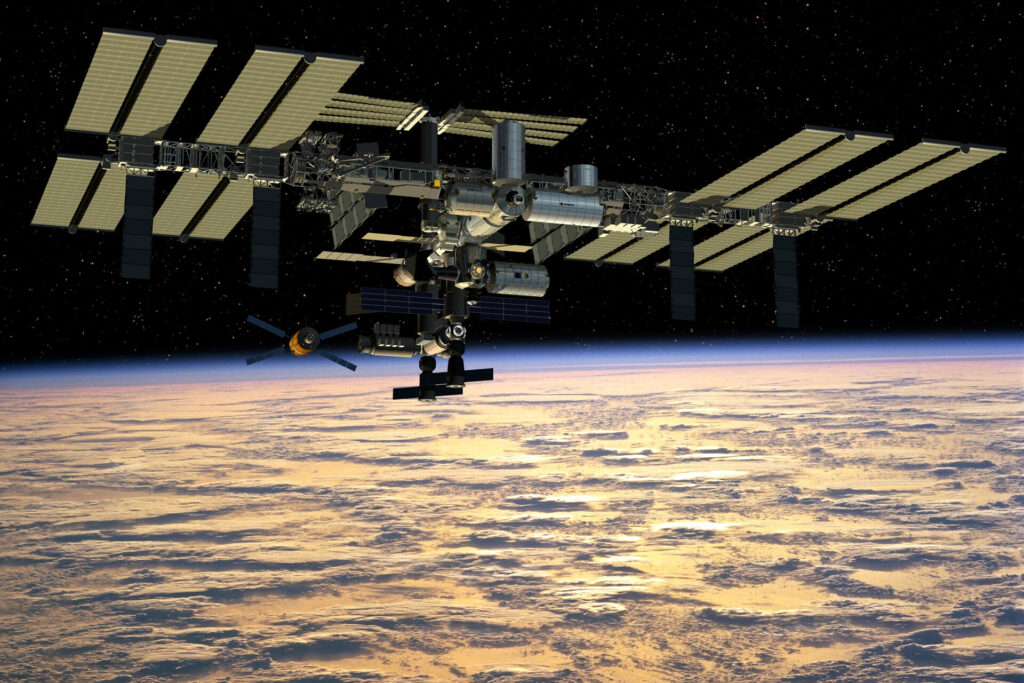
Opening the ISS to tourists and private astronauts is a major milestone — but only the beginning. Here are the broader implications:
1. A Commercial Space Economy Takes Shape
If successful, NASA’s model could pave the way for a full-fledged low-Earth-orbit economy — with private space stations, orbital hotels, manufacturing hubs, research labs, and more. The ISS may end up being just the first “orbital resort.”
2. Broader Access to Space
Over time, space travel may become accessible to more than just professional astronauts. Entrepreneurs, artists, researchers, even wealthy travelers might get their shot at experiencing life in orbit — expanding humanity’s presence beyond Earth.
3. Innovation in Microgravity Research & Manufacturing
Microgravity offers unique conditions for materials science, biology, pharmaceuticals, and advanced manufacturing. Commercial entities may leverage the ISS (or future space stations) to produce products or conduct experiments impossible on Earth — unlocking new industries.
4. Cultural, Educational, and Symbolic Impact
The idea of ordinary people going to space — not just elite astronauts — could inspire generations. It reinforces the idea that space belongs to humanity, not just governments. The stories, media, and art generated from space tourists could reshape how we view Earth and our place in the universe.
Conclusion
NASA’s decision to open the International Space Station to tourists and private-sector astronauts is a bold and historic step. It marks a significant shift: from space as exclusively the domain of governments, scientists, and professional astronauts — to a future where space is more accessible, commercial, and open to private enterprise.
If all goes well, we may see the first “citizen astronauts” aboard the ISS as soon as next year, taking part in short missions, space-based research, or even creative projects.
Of course, this isn’t a vacation cruise — it’s still spaceflight, with all its challenges: cost, risk, and complexity. But the door is now open. And for many, that possibility is nothing short of breathtaking.
As humanity looks upward, that orbiting lab above us may become not just a symbol of scientific achievement — but a gateway to a new era of exploration, commerce, and wide‑ranging human experience beyond Earth’s surface.
Read Also: Keep your face towards the sunshine and shadows will fall behind you
Watch Also: https://www.youtube.com/@TravelsofTheWorld24






Leave a Reply