
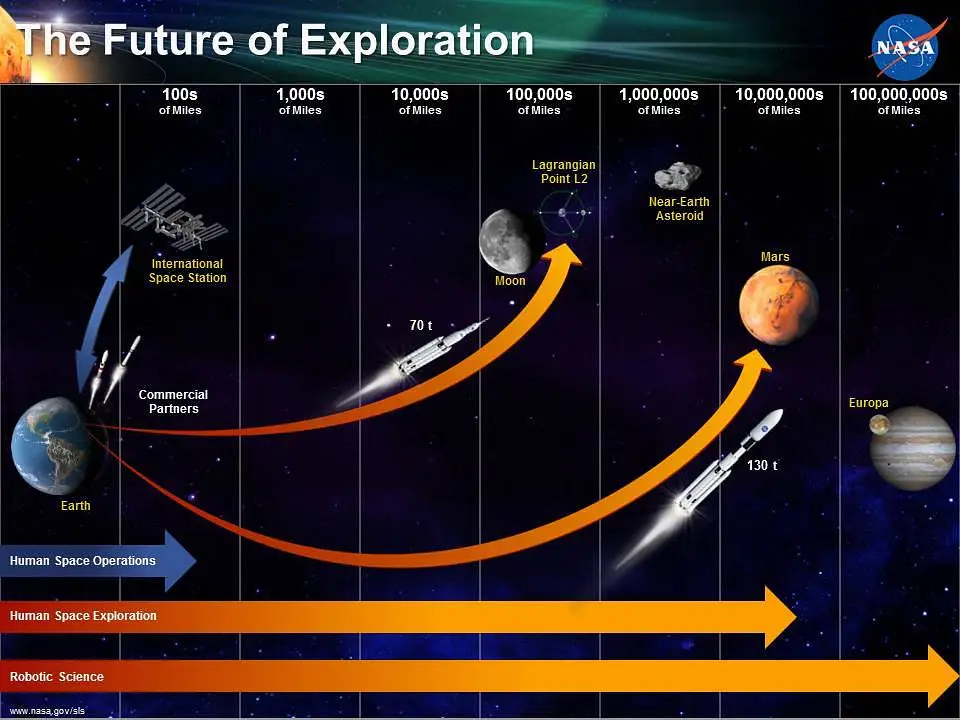
The Birth of NASA: A New Era Begins
In the late 1950s, the world witnessed the dawn of the space race. The successful launch of Sputnik 1 by the Soviet Union shocked the global community and accelerated the United States’ commitment to space exploration. On July 29, 1958, the U.S. government established NASA to centralize and advance all American civil aerospace efforts.
NASA’s early years were marked by rapid innovation. Projects such as Mercury, Gemini, and Apollo laid the foundation for human spaceflight. Engineers, scientists, and astronauts worked tirelessly to develop spacecraft capable of propelling humans beyond Earth’s atmosphere.
The Apollo program culminated in a historic achievement—Apollo 11—when astronauts landed on the Moon in July 1969. This moment not only demonstrated technological triumph but also united the world in awe as humans took their first steps on another celestial body.
NASA’s Core Missions
NASA’s work extends far beyond launching astronauts into space. Its mission encompasses four major pillars:
1. Human Spaceflight
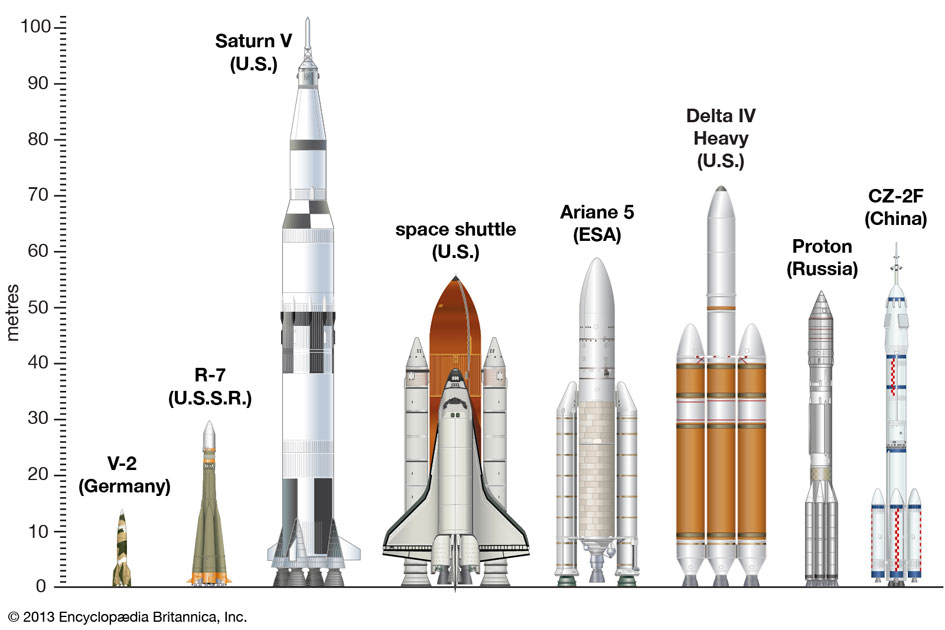
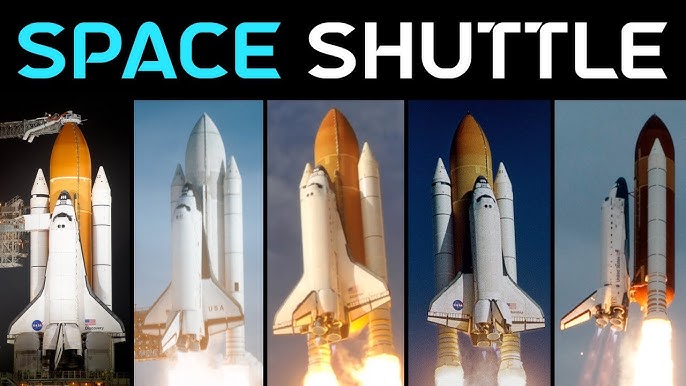
NASA’s human spaceflight programs have evolved dramatically since the 1960s. Following Apollo, the Space Shuttle Program introduced reusable spacecraft, enabling frequent missions, satellite deployments, and the construction of the International Space Station (ISS). Today, NASA collaborates with commercial partners like SpaceX and Boeing through the Commercial Crew Program, ensuring continuous human presence in orbit.
2. Scientific Discovery
NASA conducts scientific research to better understand Earth, the Sun, the planets, and the universe. Its fleet of satellites monitors climate patterns, ocean temperatures, atmospheric changes, and environmental health. Meanwhile, deep-space missions study asteroids, comets, and distant worlds.
3. Aeronautics Research
True to its name, NASA also drives innovation in aviation. Engineers develop advanced aircraft designs, cutting-edge propulsion technologies, and safer, quieter, and more efficient flight systems. This research has directly influenced the commercial and military aviation industries.
4. Technology Development
NASA pioneers technologies that eventually benefit life on Earth. From robotics to medical innovations, countless modern conveniences—from satellite navigation to memory foam—trace their origins to NASA research.
Exploring the Solar System and Beyond
One of NASA’s greatest strengths is its ability to explore places humans cannot yet reach. Through robotic missions, the agency has ventured to nearly every part of the solar system, uncovering mysteries that reshape our understanding of space.
Mars Exploration
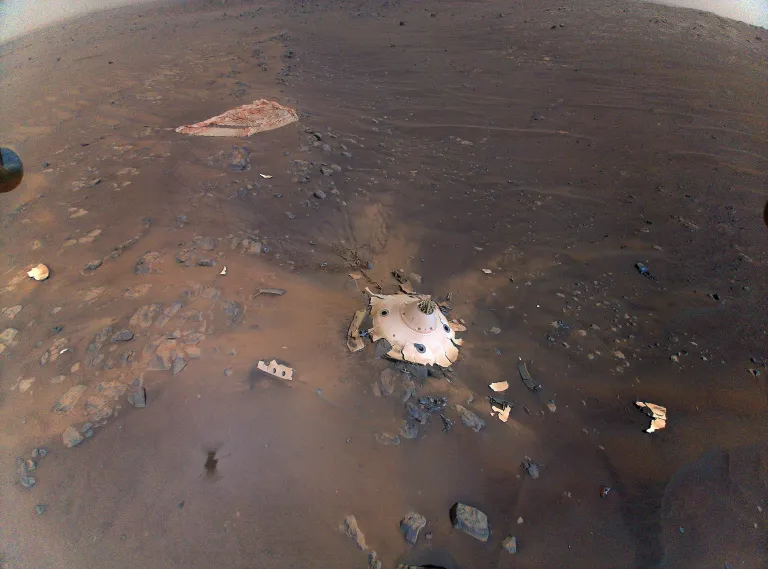
NASA has long been fascinated with the Red Planet. Robotic explorers such as Spirit, Opportunity, Curiosity, and Perseverance have traveled across Martian landscapes, searching for signs of ancient water and potential habitability. Orbiters and landers have revealed detailed maps, weather patterns, and geological clues. These missions pave the way for NASA’s long-term goal of sending humans to Mars.
Studying the Outer Planets
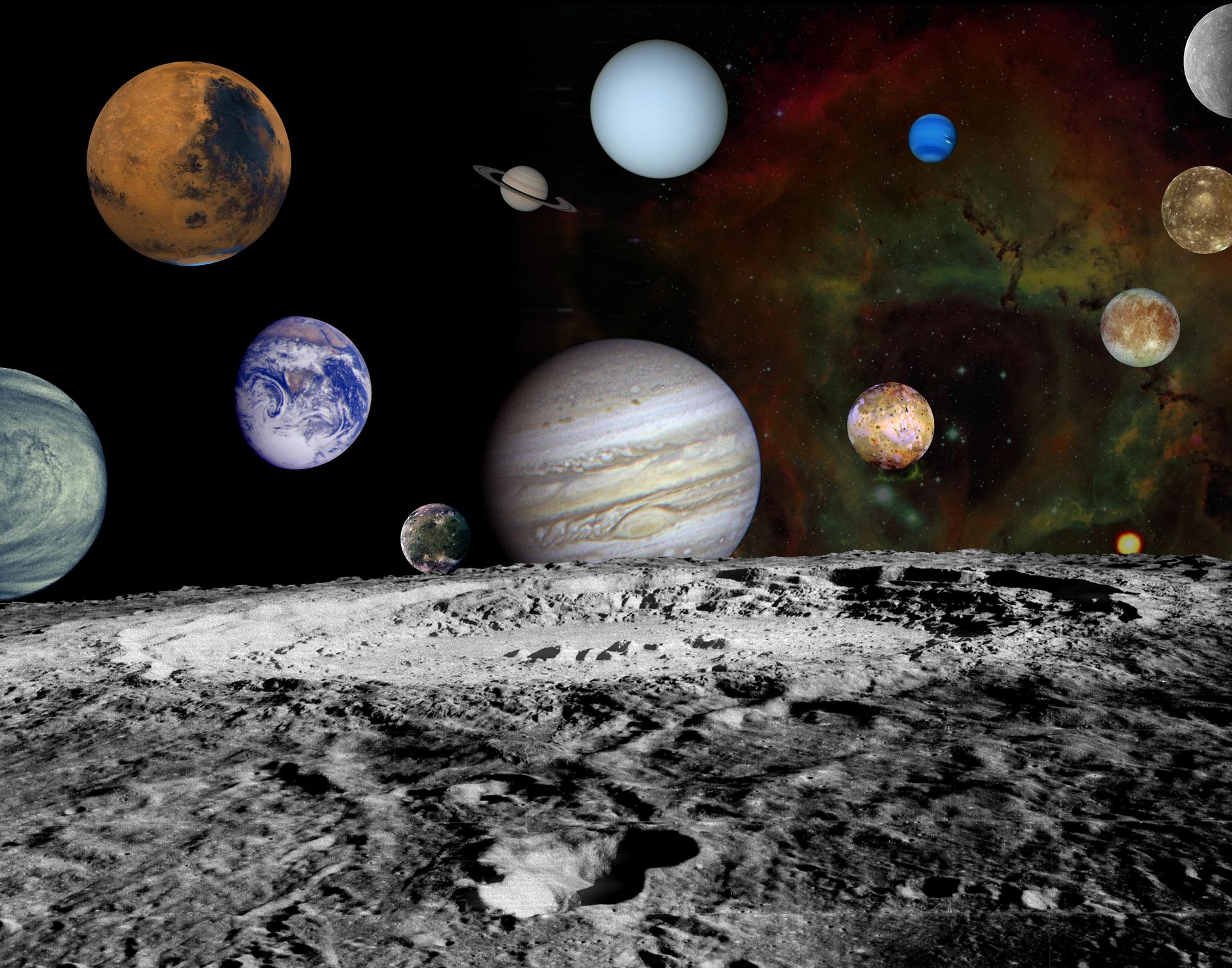
NASA’s spacecraft have visited all the major planets. Missions like Voyager 1 and 2, Cassini, Juno, and New Horizons have revealed incredible details—from Jupiter’s swirling storms to Saturn’s rings, from Pluto’s icy mountains to Uranus and Neptune’s mysterious atmospheres.
Asteroids, Comets, and the Origins of the Solar System
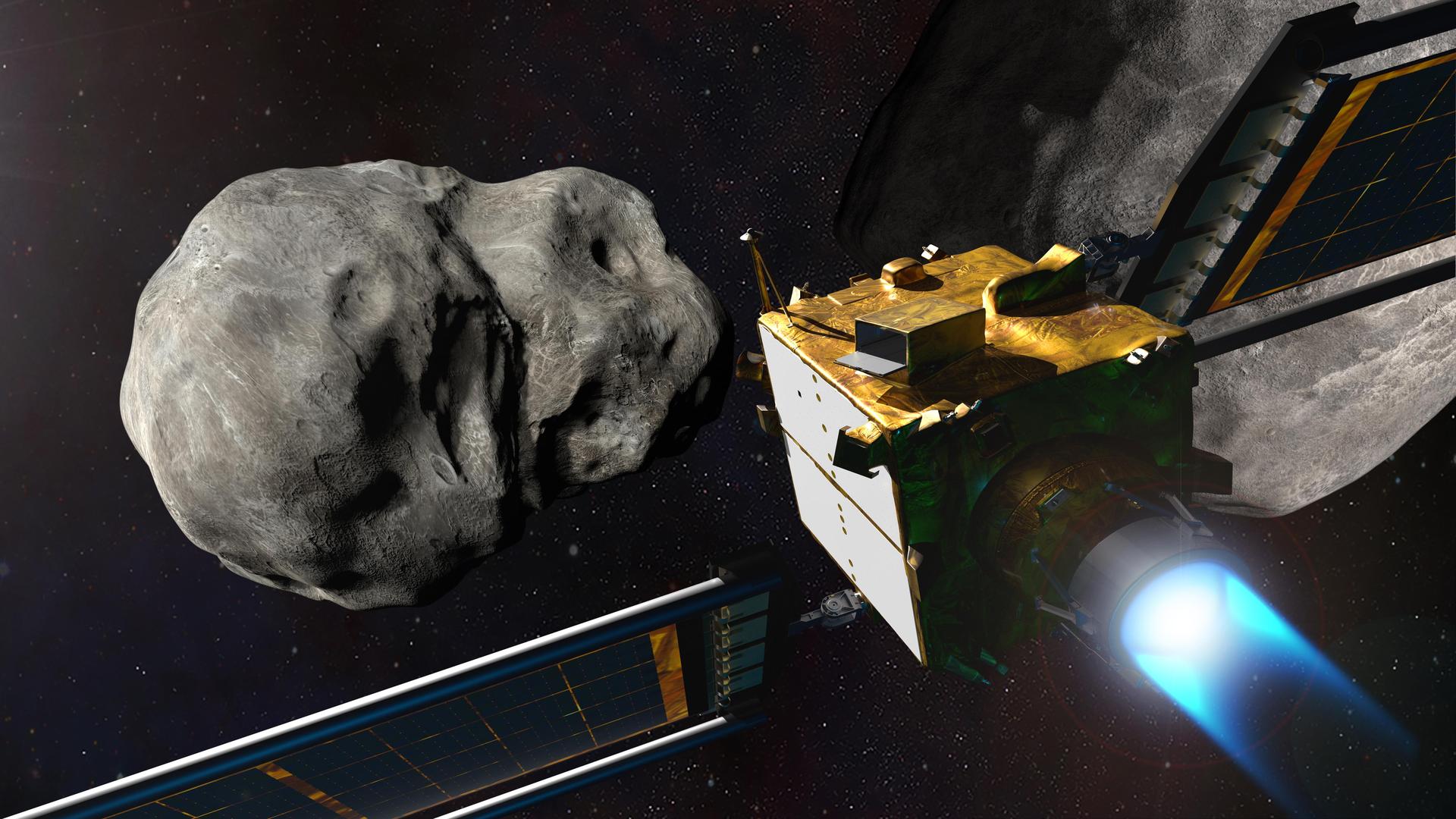
By studying objects such as asteroids and comets, NASA gathers clues about the birth of the solar system. Missions like OSIRIS-REx, which collected samples from asteroid Bennu, provide invaluable material for scientists to study back on Earth.
Looking Deep Into the Universe
NASA’s space telescopes offer breathtaking glimpses into galaxies, nebulae, and cosmic events.
Hubble Space Telescope
Launched in 1990, Hubble has captured iconic images of galaxies, star formations, and distant phenomena. It provided some of the most accurate measurements of the universe’s age and expansion rate.
James Webb Space Telescope
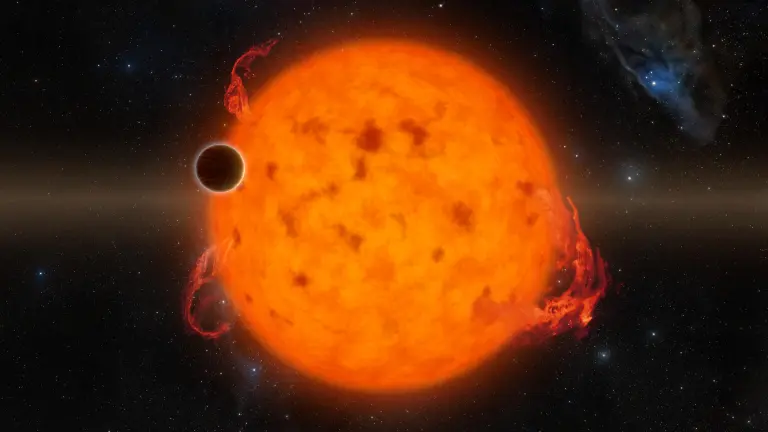
The James Webb Space Telescope (JWST) represents a new era of deep-space observation. Equipped with powerful infrared sensors, JWST peers further into the universe’s past than any telescope before it. It studies the formation of the first galaxies, searches for potential life-supporting exoplanets, and reveals previously invisible cosmic structures.
The International Space Station: A Global Laboratory
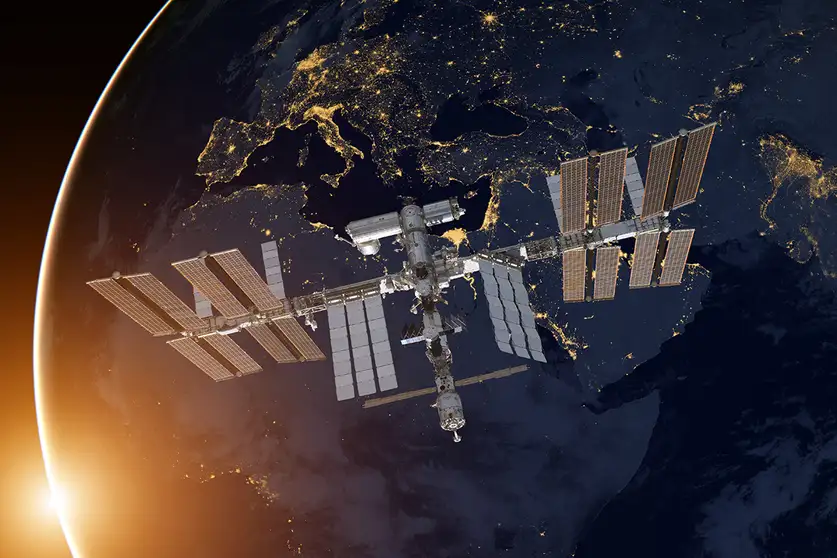
The ISS stands as one of humanity’s greatest engineering achievements and a symbol of international cooperation. NASA, in collaboration with partner agencies like ESA, CSA, JAXA, and Roscosmos, operates this orbiting laboratory where astronauts conduct experiments in microgravity.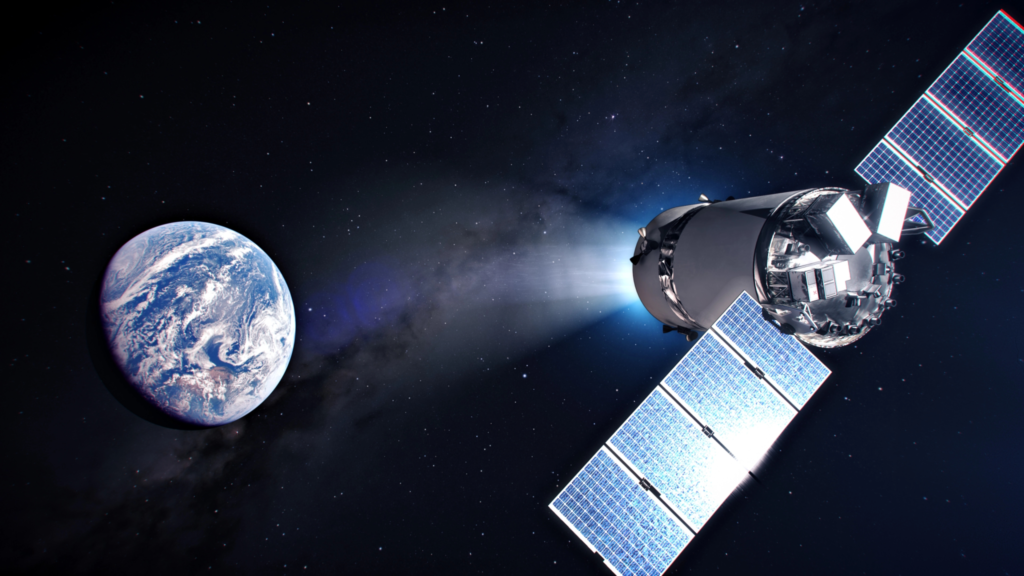
These experiments contribute to breakthroughs in:
-
Medicine and human physiology
-
Biology and genetics
-
Material science
-
Physics
-
Earth observation
-
Technology development
The ISS also serves as a testbed for future missions to the Moon and Mars. Its collaborative spirit represents what humanity can achieve when nations unite toward shared goals.
Returning to the Moon: The Artemis Program
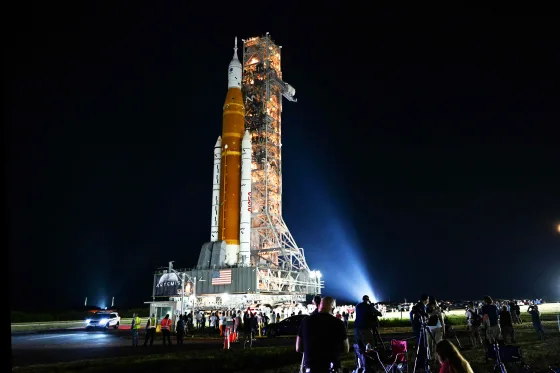
NASA’s latest major initiative is the Artemis program, a bold plan to return humans to the Moon and establish a sustainable presence there. Unlike Apollo, Artemis focuses on long-term exploration, infrastructure development, and scientific research.
Key Artemis goals include:
-
Landing the first woman and the first person of color on the Moon
-
Building the Lunar Gateway, an orbiting station around the Moon
-
Developing habitats and technology for long-term lunar missions
-
Preparing for human missions to Mars
By developing new spacecraft like Orion and powerful rockets like the Space Launch System (SLS), NASA is shaping the next chapter in human exploration.
Earth Science: Understanding Our Home Planet
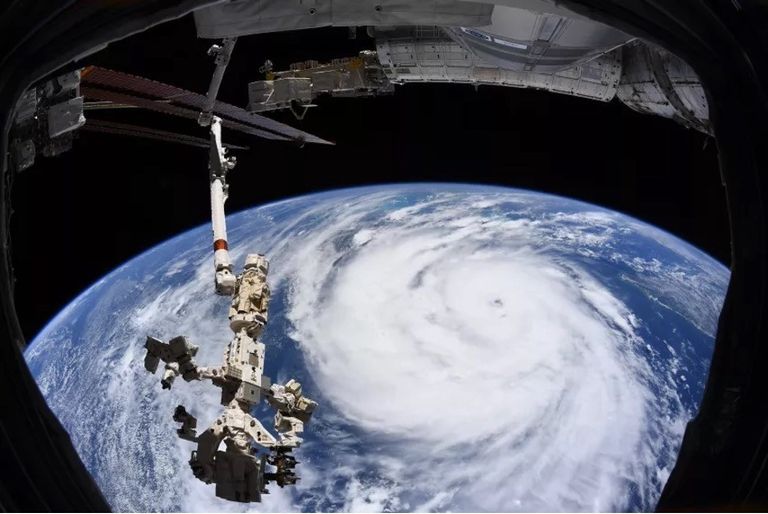
NASA is not only focused on distant space—it plays a vital role in studying Earth’s climate and environment. Satellites track wildfires, storms, sea-level changes, ice melt, and atmospheric conditions. This data supports global climate research, disaster management, agriculture, and environmental protection.
NASA’s Earth science missions help scientists:
-
Predict hurricanes and extreme weather
-
Monitor global warming and greenhouse gas emissions
-
Understand ocean changes and marine ecosystems
-
Study long-term climate trends
These contributions are essential as the world faces increasing climate challenges.
NASA’s Impact on Everyday Life
The technologies developed for space exploration often find applications in everyday life. NASA innovations have influenced:
-
Medical devices and imaging
-
GPS and navigation systems
-
Water purification technology
-
Firefighting equipment
-
Sports gear and safety equipment
-
Computer technology and communication systems
NASA’s research pushes boundaries, but its ripple effects touch millions of people worldwide.
A Legacy of Inspiration
For 65 years, NASA has inspired generations of scientists, engineers, students, and dreamers. Its missions capture the imagination, proving that curiosity and perseverance can overcome incredible challenges.
Every image of a distant galaxy, every rover exploring the Martian surface, every astronaut floating above Earth tells a story of human ambition. NASA’s legacy is not just technological—it is deeply human. It reminds us that exploration is part of who we are.
Conclusion
From its beginnings during the space race to its current leadership in deep-space exploration, aerospace research, and Earth science, NASA has shaped the world’s understanding of the universe for more than 65 years. With programs like Artemis, cutting-edge telescopes, and partnerships across the globe, NASA continues to push the boundaries of what humanity can achieve.
As we look toward the future—toward the Moon, Mars, and beyond—NASA remains a symbol of innovation, courage, and the limitless potential of human curiosity.
Read Also: Keep your face towards the sunshine and shadows will fall behind you
Watch Also: https://www.youtube.com/@TravelsofTheWorld24






Leave a Reply