
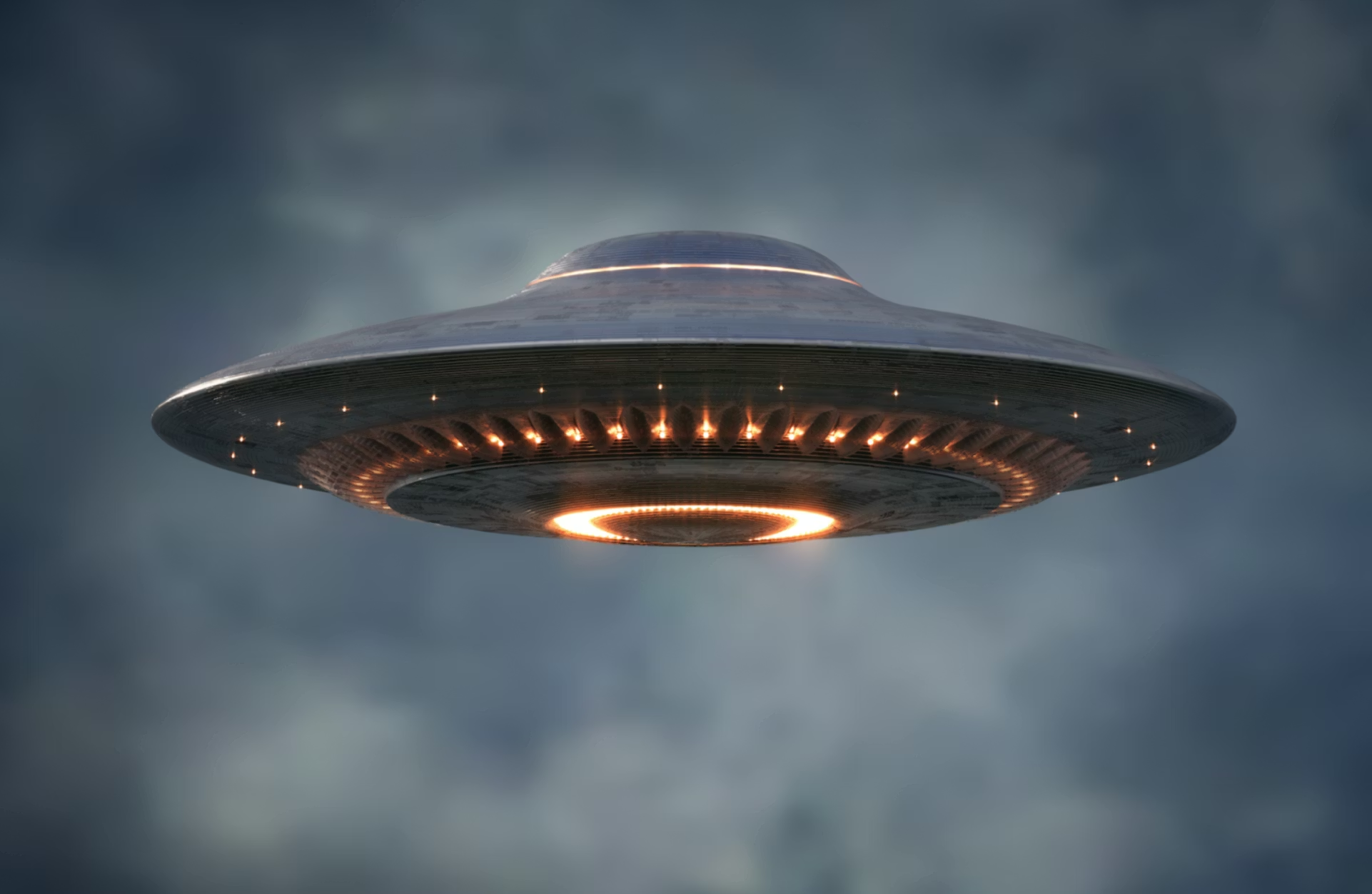
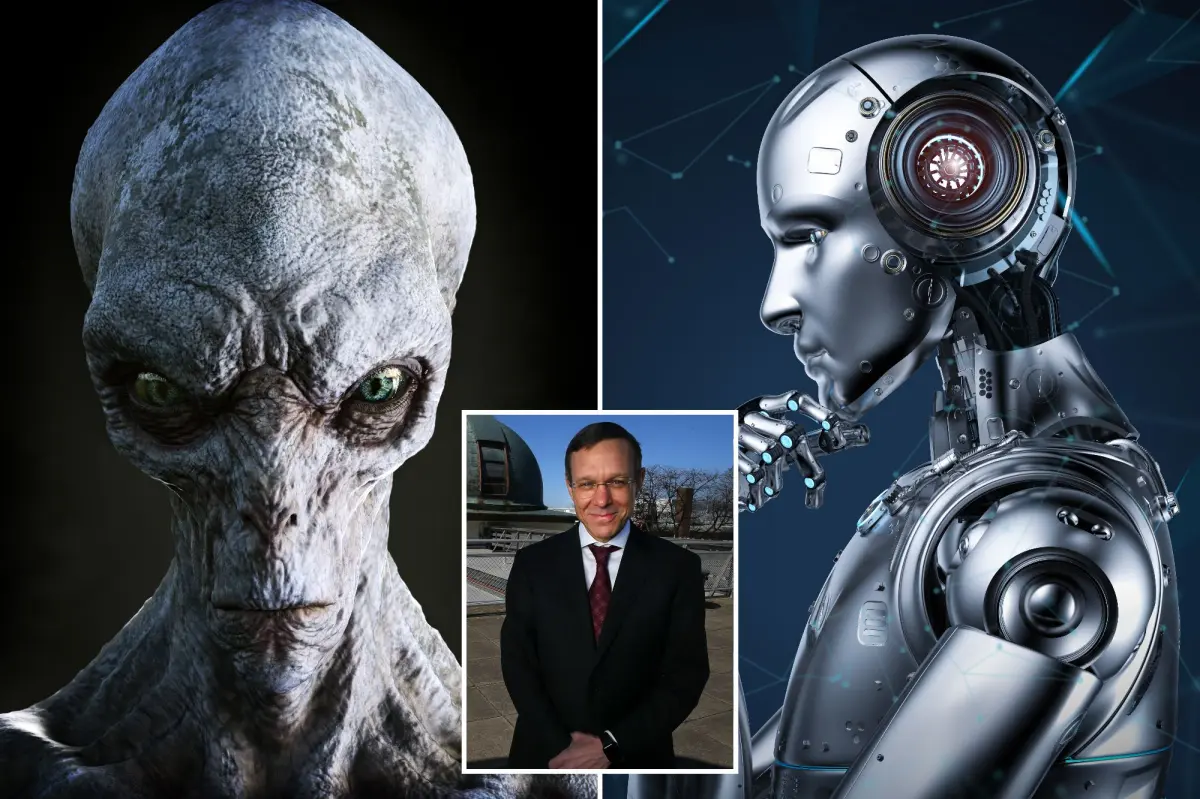
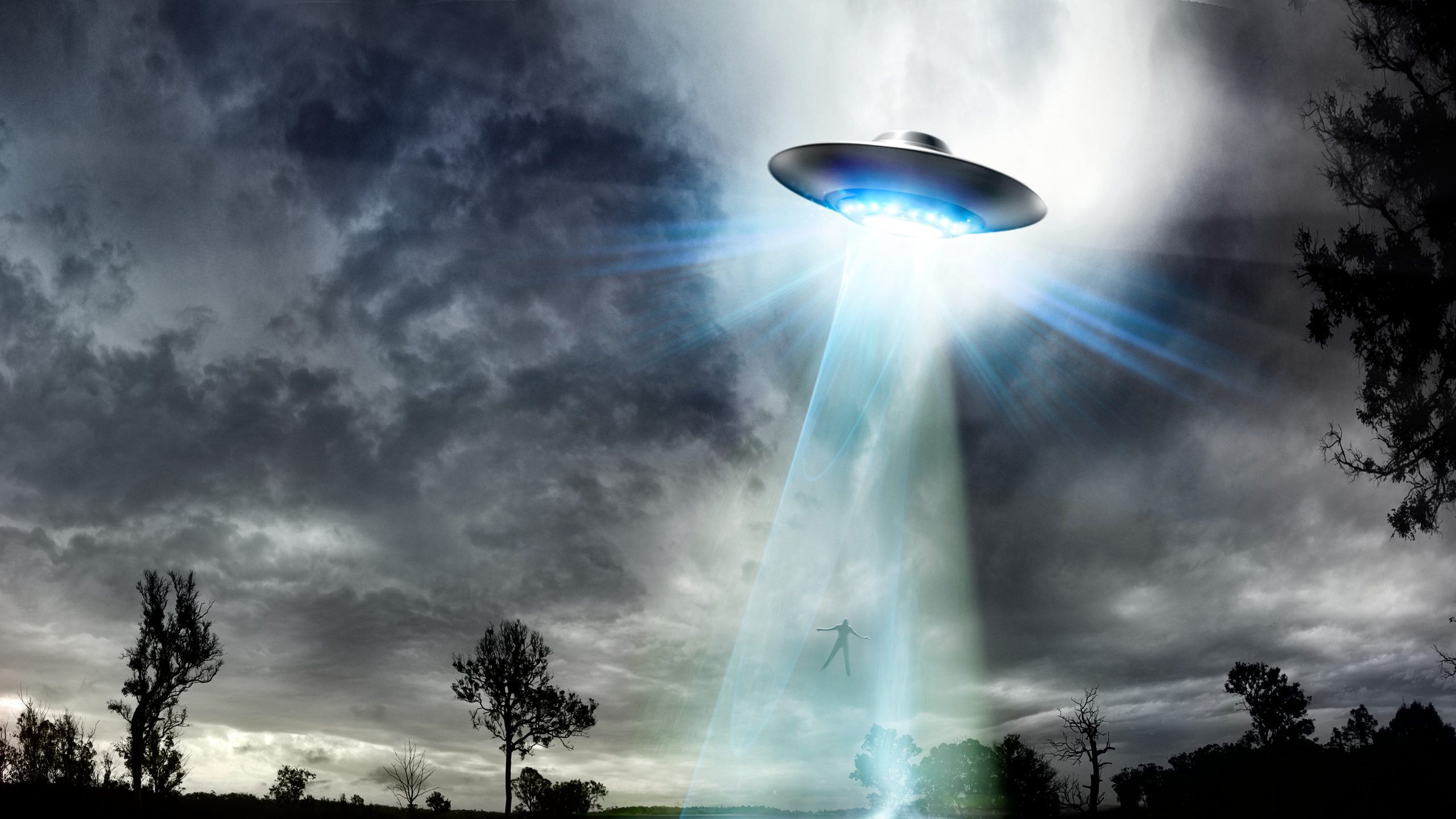
The idea of UFOs—now often called UAP (Unidentified Aerial Phenomena)—has moved from rumors and stories into serious research. At the same time, Artificial Intelligence (AI) is growing fast and being used in many scientific fields.
So a very interesting question comes up: Can AI actually help us find real evidence of UFOs?
Let’s explore this in a simple and clear way.
What Do We Mean by “Evidence of UFOs”?
First, it’s important to understand something.
“Evidence of UFOs” does not automatically mean aliens.
It simply means:
- Clear data showing unknown objects
- Verified sightings
- Recorded patterns that cannot be explained easily
Right now, many UFO sightings exist, but strong, confirmed evidence is still limited.
Why AI Is Important in This Search
Artificial Intelligence is very good at handling large amounts of data.
And UFO research involves a LOT of data:
- Radar recordings
- Satellite images
- Pilot reports
- Video footage
- Sensor readings
This is where AI becomes useful.
Organizations like NASA already use AI to analyze space data, and similar methods can be used for UFO research.
How AI Can Help Detect UFOs
AI can support UFO research in several powerful ways:
1. Analyzing Massive Data
AI can go through millions of data points quickly, something humans cannot do easily.
2. Finding Patterns
It can detect repeated shapes, movements, or signals that might be missed by human observers.
3. Identifying Known Objects
AI can compare sightings with known aircraft, satellites, and weather patterns to filter out normal explanations.
4. Highlighting Unknown Cases
After removing known objects, AI can focus on truly unexplained cases.
The Role of Government and Agencies
In the United States, agencies like NASA and the Pentagon are already studying UAP reports.
Their findings show:
- Some objects remain unexplained
- More data is needed
- Better analysis tools are required
AI is being considered as one of those tools.
Real Examples of AI in Action
AI is already being used in related fields, such as:
- Tracking satellites
- Monitoring airspace
- Studying space signals
- Detecting unusual movements in radar data
These same techniques can be applied to UFO research.
Can AI Prove UFOs Are Alien?
This is where things get clear.
AI can help detect unknown objects—but it cannot prove they are aliens.
To confirm alien life, scientists would need:
- Physical evidence
- Verified technology not made by humans
- Repeatable observations
AI helps with detection, not final proof.
Why Human Judgment Still Matters
Even with powerful AI, humans are still needed.
AI can:
- Find patterns
- Flag unusual data
But humans must:
- Interpret results
- Check accuracy
- Avoid false conclusions
So AI and humans work together, not separately.
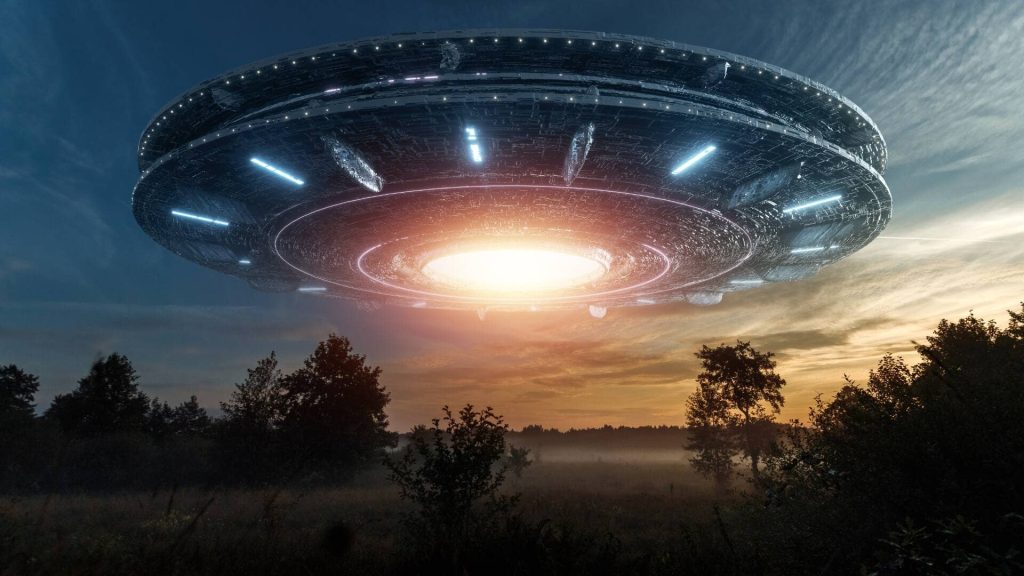
How AI Is Changing the Search for UFO Evidence
Challenges in Using AI for UFO Research
There are still some limitations:
1. Data Quality
If the data is unclear or incomplete, AI cannot give accurate results.
2. Misidentification
AI can sometimes mistake natural events for something unusual.
3. Bias in Data
AI learns from data, so if the data is limited, results may not be perfect.
Why This Approach Is Still Promising
Even with challenges, AI offers big advantages:
- Faster analysis
- Better filtering of known objects
- Improved tracking systems
- Continuous monitoring
This makes the search for UFO evidence more scientific and less based on guesswork.
Public Interest and Curiosity
People are very interested in UFOs, and AI adds a new layer to that curiosity.
The idea that machines might help discover something unknown makes the topic even more exciting.
But it’s important to stay realistic and rely on facts.
What Scientists Are Really Looking For
Scientists are not just looking for “flying objects.” They are looking for:
- Patterns that cannot be explained
- Signals that are not natural
- Movements beyond known technology
AI helps narrow down these possibilities.
The Future of AI in UFO Research
In the coming years, we may see:
- More advanced AI systems
- Better global data sharing
- Improved satellite monitoring
- Faster identification of unknown objects
This could lead to clearer answers about UAPs.
Final Thoughts
Artificial Intelligence will likely play a big role in helping us study UFOs more seriously.
It can:
- Analyze huge amounts of data
- Detect patterns humans might miss
- Help identify unknown objects
But it cannot confirm aliens on its own.
Organizations like NASA and the Pentagon are already using modern tools to understand unexplained aerial phenomena.
So while AI may help us get closer to answers, the mystery is still not solved.
For now, the question remains open—but we are getting better at searching for the truth.
Read Also: Keep your face towards the sunshine and shadows will fall behind you
Watch Also: https://www.youtube.com/@TravelsofTheWorld24









Leave a Reply