
When people talk about America’s secret spy world, they mean the hidden jobs, hidden locations, and hidden operations carried out by U.S. intelligence agencies. These organizations work in secrecy to protect the country, gather information, and stop threats before they happen. Although most of their work is classified, leaks, research, books, and documentaries have given us glimpses of what really goes on behind the scenes.
In this explanation, we’ll take a deep look at how spy agencies like the National Security Agency (NSA) and the Central Intelligence Agency (CIA) operate, what their secret missions look like, and why they matter.
What Makes an Agency “Top Secret”?
U.S. intelligence agencies are designed to operate quietly. They do not share details of their plans, locations, or internal workings with the public. This level of secrecy helps protect sensitive operations, keep informants safe, and prevent enemies from learning how the U.S. gathers intelligence.
People often call these agencies “top secret” because:
-
They deal with classified information.
-
They work in secure facilities where access is tightly controlled.
-
Their missions can involve undercover work, surveillance, or cyber operations.
All of this means most of what they do is invisible to the average person.
Intelligence Through Communications and Signals
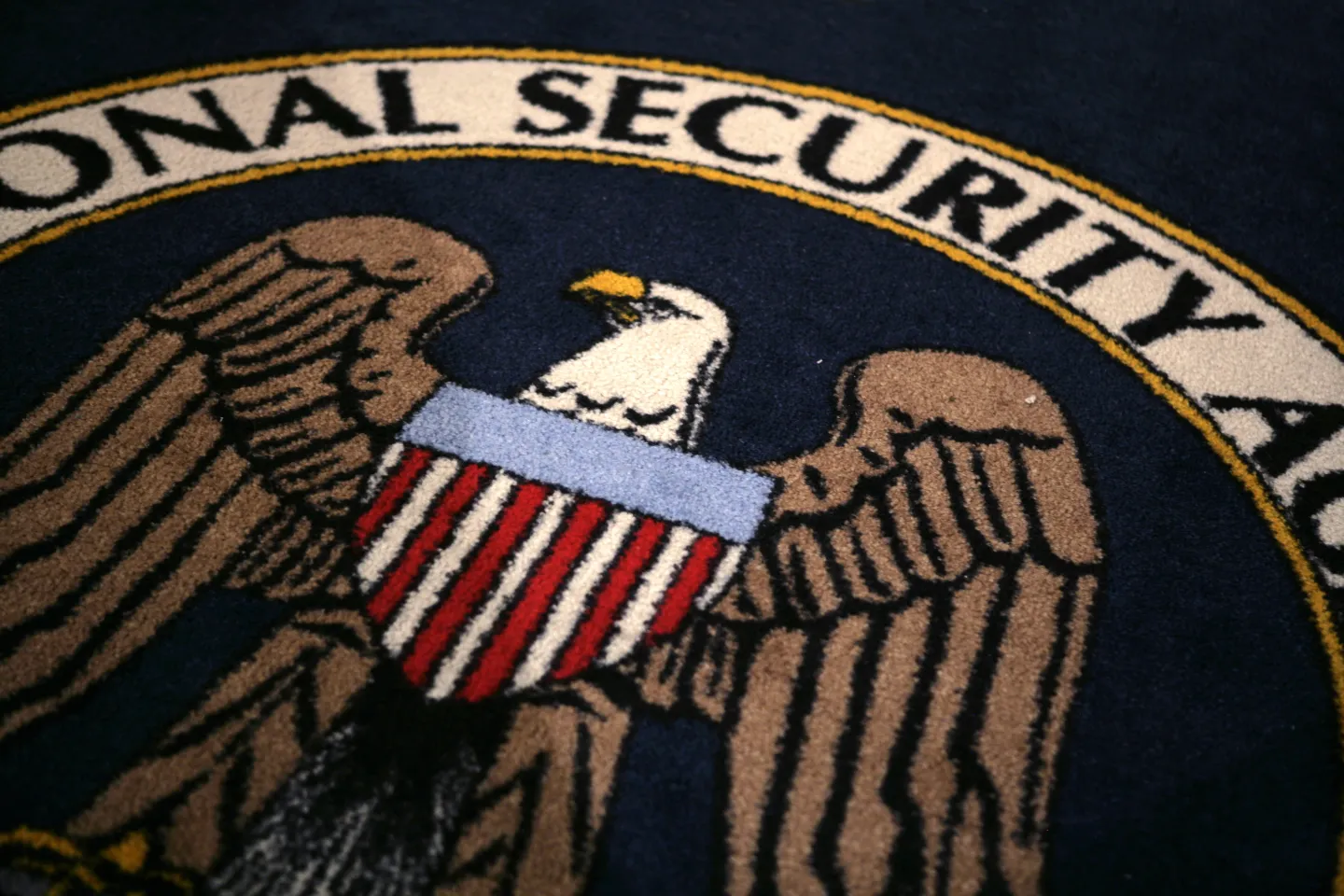
One of the most secretive parts of America’s spy network is the National Security Agency (NSA). It’s sometimes jokingly called “No Such Agency” because its work is so hidden. The NSA’s main job is to collect and analyze signals intelligence — that means electronic communications like phone calls, emails, or satellite transmissions.
Inside NSA facilities, analysts work around the clock to intercept and study communications that might reveal foreign threats. These could be related to terrorism, foreign military plans, nuclear programs, or cyber attacks. The personnel trained for this work use advanced computers and special tools to piece together patterns and intelligence that would be invisible to normal observation.
Espionage and Human Intelligence
Another major corner of the secret world is human intelligence (HUMINT), which is handled mostly by the Central Intelligence Agency (CIA). While the NSA focuses on signals and tech, the CIA often works with people — spies, informants, or partners overseas — to collect information.
Some of this work includes:
-
Recruiting foreign nationals who have access to important information.
-
Training agents who live undercover in other countries.
-
Building networks of contacts who provide tips or reports.
Because this work is sensitive, the CIA keeps its operations and agent identities strictly confidential. However, occasional documentaries or authorized visits to places like the CIA Museum in Langley, Virginia provide rare official insights into the culture, history, and tools of intelligence work. Although the museum itself is not open to the public, items from Soviet‑era espionage tools and early spy gadgets have been shown to journalists, offering a small glimpse into this hidden world.
A Glimpse From Leaks and Old Documents
Sometimes, behind‑the‑scenes information gets revealed by leaks. For example, in 2016, a set of internal newsletters from the NSA was published online. These newsletters gave a peek into some operations the agency carried out, such as:
-
Efforts to intercept communications of organized crime figures.
-
Support for interrogations at military detention centers.
-
Intelligence collected during wars or foreign deployments.
These rare documents showed that NSA analysts didn’t just sit behind computers, but were actively involved in gathering and using information to help U.S. military and security efforts around the world.
Espionage Training and Operations
Intelligence agencies don’t just collect data — they train for action. CIA officers and NSA analysts often work with foreign partners or in foreign countries. They learn languages, take cultural training, and practice gathering information without being detected. This type of work requires being calm under pressure, good judgment, and the ability to think like an adversary.
These skills are so sensitive that much of the training happens in secure facilities and is not shared publicly. Only rare authorized reports or interviews shed light on how it’s done.
The Technology Behind the Secrecy
Modern spy agencies rely heavily on technology. The NSA especially uses advanced systems for:
-
Monitoring global communications.
-
Breaking codes and encryptions.
-
Protecting U.S. systems from cyber threats.
-
Tracking digital movements around the world.
Another secretive unit inside the NSA, called Tailored Access Operations (TAO), specializes in cyber intelligence. This unit develops tools and techniques to access and monitor foreign computer systems. It’s one of the most highly classified parts of the agency’s cyber capabilities.
These technological efforts are so classified that even many people within the government have limited access to details.
Fiction vs Reality
Movies and TV shows often show spies as glamorous characters with gadgets and dramatic missions. In reality, intelligence work is often slow, methodical, and detailed. Agents and analysts spend much of their time gathering pieces of information, checking facts, and piecing together small clues into big insights. Only when information is properly verified and analyzed does it become actionable intelligence that can be used by decision‑makers.
Still, efforts are sometimes made to give the public a glimpse into the hidden world. Documentaries like The Spymasters: CIA in the Crosshairs have shown parts of CIA leadership and operations in a controlled way. But even these portrayals are heavily edited and approved by the agencies, so they only reveal what’s safe to show.
Why Secrecy Matters
All this secrecy seems extreme, but there’s a reason for it. If spy agencies revealed too much about how they operate:
-
Enemies could avoid detection by changing their communication methods.
-
Spy networks or informants could be exposed and put in danger.
-
Operations that protect national security could fail before they begin.
Secrecy makes sure that intelligence tools and methods stay effective. However, this also creates debate about transparency and accountability, especially when public rights and privacy are involved.
Public Awareness and Declassification
From time to time, the government publishes parts of old operations or declassifies documents. These releases help historians, writers, and journalists understand how intelligence agencies worked in past conflicts, wars, or global events. Books by authors like James Bamford, who have studied agencies like the NSA and CIA, are widely read for this reason.
These books offer histories, explanations, and even controversies about secret programs, helping the public learn more about a world that is usually hidden behind layers of classification.
Summary
The world of America’s secret spy agencies is complex, highly classified, and full of hidden operations. Agencies like the NSA gather signals intelligence and monitor communications around the world. The CIA focuses on human intelligence, undercover operations, and foreign partnerships. Both rely on advanced technology, secrecy, and careful planning to protect the nation.
Occasionally, leaks, books, and authorized documentaries give us a rare peek behind the curtain. These glimpses show analysts at work, historical operations, and some of the tools used in the intelligence world. But most of the work remains secret for good reason — protecting national security requires protecting the methods and people involved.
Together, these behind‑the‑scenes activities form part of a global effort to keep the United States safe from threats, both foreign and domestic, in ways that most people never see.
Read Also: Keep your face towards the sunshine and shadows will fall behind you
Watch Also: https://www.youtube.com/@TravelsofTheWorld24






Leave a Reply