
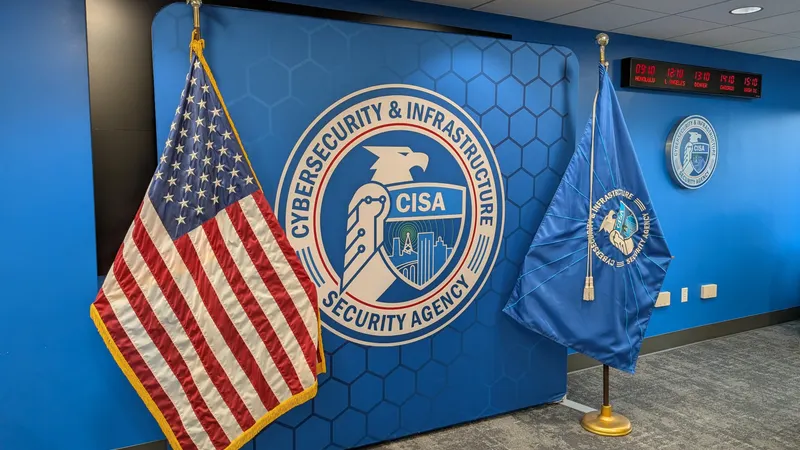
The Cybersecurity and Infrastructure Security Agency (CISA) plays a major role in protecting the United States from cyber threats and attacks on critical infrastructure. The agency works closely with many partners around the world, including private companies, universities, and foreign governments. These partnerships are important because cyber threats do not respect borders, and no single organization can fight them alone.
However, recent reports and discussions have raised concerns that CISA’s partnerships with international groups, industry leaders, and academic institutions may be reduced or weakened. If these partnerships are cut or scaled back, it could affect how information about cyber threats is shared and how quickly organizations can respond to attacks.
Understanding why these partnerships matter and what could happen if they are reduced helps explain the broader impact on cybersecurity and national security.
The Role of CISA
The Cybersecurity and Infrastructure Security Agency was created in 2018 as part of the Department of Homeland Security. Its main mission is to protect critical infrastructure in the United States. Critical infrastructure includes systems and services that people depend on every day, such as power grids, transportation networks, hospitals, water systems, and communication networks.
Cyber attacks on these systems could cause major disruptions. Because of this risk, CISA focuses on preventing cyber threats, detecting attacks, and helping organizations recover quickly when incidents occur.
One of the agency’s strongest tools is its network of partnerships. These relationships allow CISA to share knowledge, coordinate responses, and build stronger defenses across many sectors.
Why Partnerships Matter in Cybersecurity
Cybersecurity is not something a single government agency can handle alone. Modern cyber threats often involve global networks, international hackers, and advanced technology. Attackers can operate from different countries and target organizations across multiple regions at the same time.
Partnerships help solve this challenge by allowing organizations to share information quickly. For example, if a company detects a new type of malware, it can share that information with CISA. CISA can then alert other organizations before the threat spreads.
Universities also play an important role by conducting research and training the next generation of cybersecurity professionals. Academic institutions often develop new technologies and strategies that help improve digital security.
International partnerships are equally important. When countries work together, they can track cyber criminals across borders and respond more effectively to global threats.
Cooperation With Industry
Private companies operate much of the world’s digital infrastructure. Internet providers, cloud services, software companies, and technology firms all manage systems that millions of people rely on every day.
Because these systems are often targets for cyber attacks, CISA works closely with industry partners to improve security. Companies share information about threats, vulnerabilities, and suspicious activity. In return, CISA provides guidance, threat intelligence, and support during cyber incidents.
This cooperation has helped stop many attacks before they caused serious damage. It also helps organizations learn from each other’s experiences.
If industry partnerships are reduced, companies may receive fewer alerts and less support from government experts. This could make it harder to identify and stop threats quickly.
Collaboration With Universities
Academic institutions have become important partners in cybersecurity research. Universities conduct studies on topics such as encryption, network defense, artificial intelligence, and digital privacy.
Through partnerships with CISA, universities can apply their research to real-world problems. Students and researchers often participate in training programs, internships, and joint projects that improve cybersecurity tools.
These collaborations also help build the future workforce. Cybersecurity is a rapidly growing field, and many experts working in government or private companies today started their careers through academic research programs.
If funding or support for these partnerships is reduced, it could slow down innovation and limit opportunities for students entering the field.
International Cooperation
Cyber threats often come from outside national borders. Criminal groups, state-sponsored hackers, and organized cyber networks can operate from anywhere in the world.
Because of this, international cooperation is essential. CISA works with foreign governments, global organizations, and cybersecurity agencies to exchange threat information and coordinate responses.
For example, when a large cyber attack targets multiple countries, agencies can work together to trace the source of the attack and stop it. Shared intelligence allows countries to react faster and strengthen their defenses.
Reducing international cooperation could make it harder to track global cyber threats and respond to attacks quickly.
Reasons Behind Possible Cuts
There are several possible reasons why partnerships might be reduced or scaled back. Changes in government priorities, budget decisions, or policy shifts can affect how agencies operate.
Some officials believe that resources should be focused more on domestic programs rather than international initiatives. Others may argue that private companies should take more responsibility for protecting their own systems.
Budget pressures can also play a role. Government agencies often face difficult choices when deciding how to allocate limited funding.
While these decisions may be based on policy or financial considerations, they can have long-term effects on cybersecurity cooperation.
Concerns From Experts
Many cybersecurity experts believe that cutting partnerships could weaken the overall security system. Threat information moves quickly, and strong communication between organizations is essential.
Without regular collaboration, there is a risk that important warnings may not reach the right people in time. This could allow cyber attacks to spread further before they are detected.
Experts also point out that cyber threats are becoming more complex. Attackers are using advanced tools such as artificial intelligence and automated hacking techniques. To keep up with these threats, cooperation between governments, companies, and researchers is more important than ever.
The Growing Cyber Threat Landscape
Cyber attacks have increased significantly in recent years. Criminal groups target businesses with ransomware, hackers attempt to steal sensitive data, and foreign intelligence services sometimes conduct cyber espionage.
Critical infrastructure systems are also becoming more connected to digital networks. While this improves efficiency, it also creates new security risks.
For example, attacks on energy systems, transportation networks, or healthcare services could disrupt daily life for millions of people.
Because these threats are global and complex, partnerships remain one of the most effective ways to protect digital infrastructure.
The Future of Cybersecurity Cooperation
Even if some partnerships are reduced, many experts believe cooperation will remain a key part of cybersecurity strategy. Governments, companies, and universities all benefit from sharing knowledge and resources.
New technologies may also help strengthen collaboration. Secure data platforms, automated threat detection systems, and artificial intelligence tools can help organizations share information faster and more effectively.
In the long run, cybersecurity will likely continue to depend on strong partnerships between many different groups.
Conclusion
The Cybersecurity and Infrastructure Security Agency has built a large network of partnerships with international organizations, private companies, and academic institutions. These relationships help improve cybersecurity by allowing experts to share information, develop new technologies, and respond quickly to threats.
If these partnerships are reduced, it could create challenges for global cybersecurity efforts. Cooperation plays a key role in defending digital systems and protecting critical infrastructure.
As cyber threats continue to grow, strong collaboration between governments, industry, and universities will remain an important part of building a safer digital future.
Read Also: Keep your face towards the sunshine and shadows will fall behind you
Watch Also: https://www.youtube.com/@TravelsofTheWorld24








Leave a Reply