

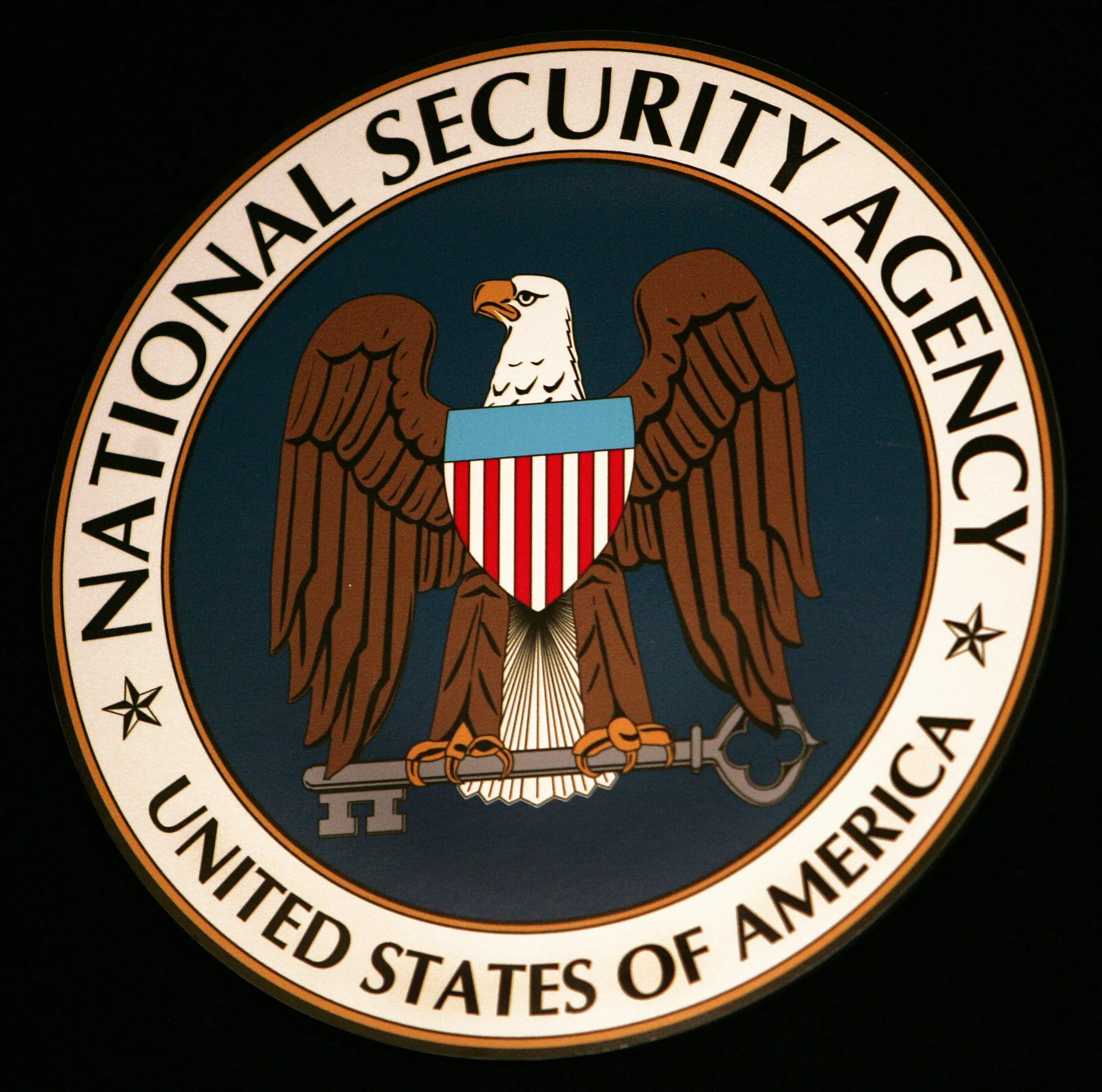
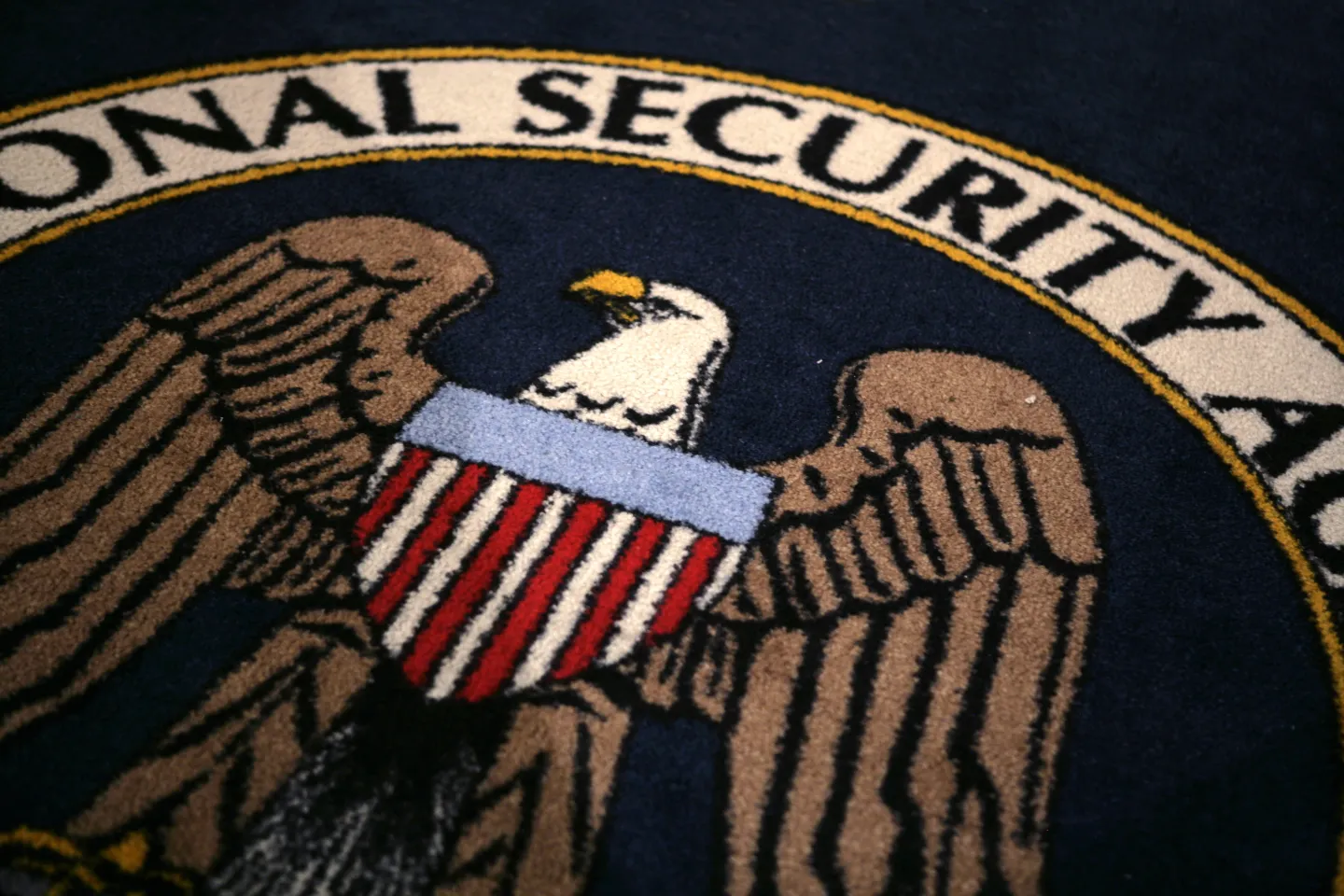
The National Security Agency (NSA) is one of the most important intelligence organizations in the United States. Its main job is to collect and study information from electronic communications and to protect American government systems from cyber threats. Over the years, the NSA has played a key role in national security, technology development, and intelligence gathering.
Although most of its work is done in secret, the agency has had a major influence on how the United States protects itself from foreign threats. Looking back at the history of the NSA helps us understand how intelligence work has changed over time and how technology has become a big part of modern security.
The Creation of the NSA
The NSA was officially created in 1952 by U.S. President Harry S. Truman. At that time, the United States was dealing with the early years of the Cold War. The government needed better ways to monitor the communications of other countries, especially rivals like the Soviet Union.
Before the NSA existed, the United States already had smaller groups that worked on codebreaking and signals intelligence during World War II. One famous project was the effort to break enemy codes and intercept secret messages. These early efforts showed how powerful intelligence from communications could be.
Because of this experience, the U.S. government decided to create a dedicated agency focused on signals intelligence. That agency became the National Security Agency.
What the NSA Actually Does
The NSA has two main missions. The first is signals intelligence, and the second is cybersecurity.
Signals intelligence means collecting information from electronic signals such as phone calls, emails, radio transmissions, and other types of communication. By studying these signals, analysts can learn about the plans and activities of foreign governments, military forces, or hostile groups.
The second mission is protecting U.S. government communication systems from hackers and cyber attacks. As technology became more advanced and the internet became part of everyday life, cybersecurity became one of the agency’s biggest responsibilities.
The NSA During the Cold War
The Cold War was one of the most important periods in the history of the NSA. During this time, the United States and the Soviet Union were competing for global influence. Both sides used intelligence to understand each other’s military plans and political strategies.
The NSA worked to intercept communications from the Soviet Union and its allies. This information helped American leaders understand military movements, nuclear developments, and diplomatic strategies.
Much of the NSA’s work during this time was extremely secret. Even the existence of the agency was not widely known to the public for many years.
Signals intelligence collected by the NSA helped the United States stay informed about global events and reduce the risk of surprise attacks during this tense period.
Advances in Technology
As technology changed, the NSA also had to change the way it worked. In the early days, intelligence collection mostly involved radio signals and coded messages. But with the rise of computers and digital communication, the agency had to develop new tools.
By the late 20th century, satellites, fiber-optic cables, and the internet became major sources of communication. The NSA invested heavily in advanced technology to monitor these systems and analyze large amounts of data.
The agency also helped develop strong encryption methods that protect sensitive government information. Encryption is a method used to keep data secure so that only authorized people can read it.
After the September 11 Attacks
The terrorist attacks on the United States in September 11 attacks in 2001 changed the focus of many intelligence agencies, including the NSA.
After the attacks, the U.S. government expanded intelligence efforts to prevent terrorism. The NSA increased its work in tracking communications linked to terrorist organizations.
New laws and policies allowed intelligence agencies to share information more easily with other parts of the government. Cooperation between agencies became stronger as they worked together to identify threats and stop attacks before they could happen.
The Role of the NSA in Cybersecurity
In the modern world, cybersecurity is one of the NSA’s most important missions. Cyber attacks can target government networks, businesses, power systems, and even hospitals.
The NSA works with other government agencies and private companies to improve digital security. It studies cyber threats from foreign governments, criminal groups, and hackers.
The agency also provides guidance on how organizations can protect their systems from attacks. This includes advice on encryption, network protection, and secure communication practices.
As cyber warfare becomes more common, the NSA’s role in defending digital infrastructure continues to grow.
Controversies and Public Debate
Despite its important role in national security, the NSA has also been involved in several public controversies. Some critics believe the agency collects too much data and raises concerns about privacy and civil liberties.
In 2013, former NSA contractor Edward Snowden revealed classified information about surveillance programs. These disclosures sparked global debates about government monitoring and the balance between security and privacy.
After the revelations, new laws and reforms were introduced to limit certain surveillance activities and increase transparency.
These discussions continue today as governments around the world try to balance security needs with the protection of individual rights.
The NSA Today
Today, the National Security Agency remains one of the largest and most technologically advanced intelligence agencies in the world. Its headquarters are located at Fort Meade in the U.S. state of Maryland.
Thousands of analysts, engineers, linguists, and cybersecurity experts work there. Their work involves studying communications, analyzing global threats, and protecting digital systems.
The agency continues to focus on major issues such as cyber warfare, international espionage, terrorism, and emerging technologies.
The Future of Intelligence and the NSA
Looking ahead, intelligence work will likely become even more connected to technology. Artificial intelligence, advanced data analysis, and new communication systems will shape how intelligence agencies operate.
The NSA is expected to continue adapting to these changes by investing in new tools and training skilled experts in cybersecurity and digital intelligence.
As global threats evolve, the agency will remain an important part of the United States’ effort to protect national security and maintain stability.
Conclusion
The history of the National Security Agency shows how intelligence work has changed from simple codebreaking during World War II to complex digital security operations today.
From monitoring Cold War communications to defending against cyber attacks, the NSA has played a major role in protecting the United States. While its work often happens behind the scenes, its impact on national security and global intelligence is significant.
Understanding the past and present of the NSA helps explain how modern intelligence agencies operate and why they remain a critical part of national defense.
Read Also: Keep your face towards the sunshine and shadows will fall behind you
Watch Also: https://www.youtube.com/@TravelsofTheWorld24






Leave a Reply