
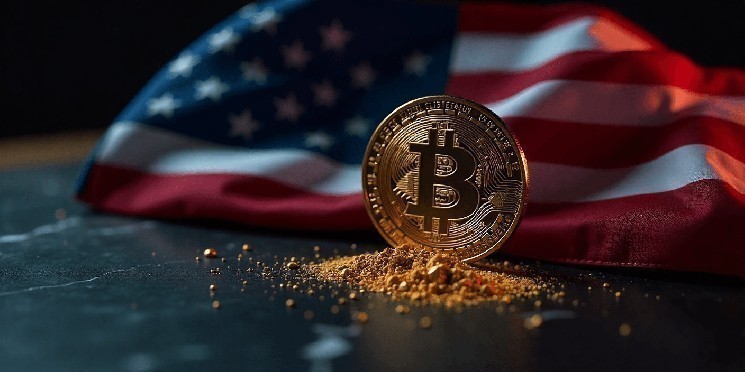
Whenever there is tension in the Middle East, global markets react fast. Oil, stocks, and especially crypto all move based on fear and hope. Recently, signals that Donald Trump may be “winding down” the Iran conflict have caught the attention of investors around the world.
This kind of news is not just political. It can directly affect how people trade Bitcoin and other cryptocurrencies.
So the big question is:
What does a “winding down” of conflict mean for crypto prices?
Let’s break it down in a simple way.
1. Why global conflict matters for crypto
Crypto is not completely separate from the real world. Even though it runs on digital systems, its price is heavily influenced by global events.
When there is war or tension:
- Investors feel unsafe
- They move money into “safe” assets like gold or sometimes Bitcoin
- Markets become very unstable
When conflict slows down or reduces:
- Fear goes down
- Investors take more risk
- Money often moves back into stocks and crypto
So peace or de-escalation usually brings a “risk-on” mood in markets.
2. What “winding down” means for markets
When a leader signals that a conflict is being “wound down,” it usually means:
- Military actions may reduce
- Diplomatic talks may increase
- Long-term escalation might slow
This does not always mean full peace, but it reduces panic in markets.
Recent reports show that Trump’s comments about reducing or “winding down” Middle East military activity have already influenced oil prices and global sentiment .
And when oil prices move, crypto often reacts too.
3. Immediate reaction: less fear, more risk-taking
Crypto markets are very emotional in the short term.
If investors believe the conflict is cooling down:
- Fear decreases
- People start buying risky assets again
- Bitcoin and altcoins often see a short-term bounce
This is because crypto is seen as a “high-risk, high-reward” asset.
When the world feels stable, traders feel more comfortable entering it.
4. Oil prices and crypto connection
Oil plays a big role in this situation.
During conflict:
- Oil prices usually rise
- Inflation worries increase
- Markets become nervous
But when tensions reduce:
- Oil prices often fall
- Inflation pressure can ease
- Risk assets like crypto can benefit
For example, recent easing of tensions helped push oil prices lower, which improved market mood .
Lower oil prices often support crypto indirectly because:
- Inflation fears reduce
- Investors feel more confident
- Liquidity returns to markets
5. Bitcoin’s “safe vs risky” behavior
Bitcoin is interesting because it behaves in two different ways:
A. During conflict
- Some people call it “digital gold”
- It may rise due to fear of traditional systems
- But it can also drop if panic spreads
B. During peace signals
- It behaves more like a risky tech asset
- It often follows stock market trends
- Money flows back into it when confidence improves
So if conflict is winding down, Bitcoin usually shifts toward a more “risk-on” behavior.
6. Short-term crypto impact (first reaction)
If Trump’s statement is taken seriously by markets, the short-term impact could be:
- Bitcoin may rise slightly
- Altcoins may move faster than Bitcoin
- Trading volume may increase
- Liquidations may happen due to sudden price swings
But this reaction is usually quick and emotional.
7. Long-term impact (more important part)
The bigger question is not the first reaction, but what happens after.
Possible long-term effects:
A. Stable global environment
If tensions continue to ease:
- Crypto adoption can grow
- Institutional investors may enter more confidently
- Market volatility may reduce over time
B. Focus back on economy and regulation
When war is not the main focus:
- Governments may shift attention to financial policy
- Crypto regulation could become more structured
- Banks may expand crypto services
C. Risk appetite returns
If investors feel safe:
- More money flows into crypto projects
- Startups and Web3 growth can increase
8. But there is still uncertainty
Even if leaders signal de-escalation, markets don’t fully trust political statements.
Why?
- Conflicts can restart quickly
- Geopolitical situations change fast
- Investors remember past surprises
So crypto traders usually stay cautious even during positive news.
This is why you often see:
- Initial price pump
- Followed by correction
- Then stabilization
9. Crypto is still a “reaction market”
One important thing to understand is that crypto does not lead global news—it reacts to it.
So in this case:
- Political news comes first
- Markets respond second
- Price settles later
This makes crypto very sensitive to headlines like “winding down conflict.”
10. What traders usually watch
If you look at how crypto traders think, they don’t just read headlines. They watch:
- Oil prices
- US dollar strength
- Stock market direction
- Global risk sentiment
- Political confirmation (not just statements)
All these factors decide whether crypto will go up or down after such news.
Final thoughts
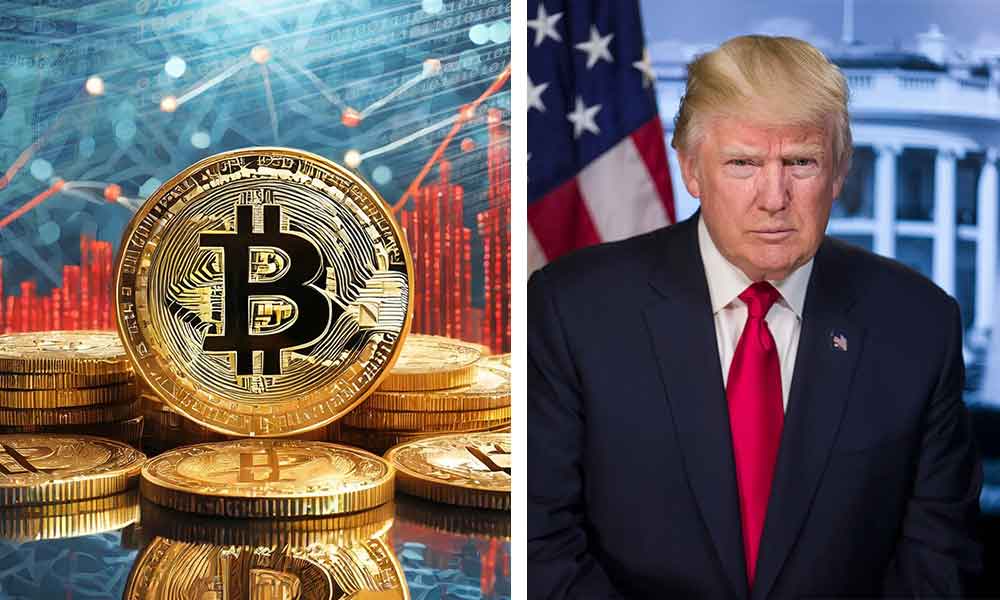
Trump’s signal of “winding down” the Iran conflict is not just a political statement—it is a market-moving signal.
In simple terms:
- Less war tension = more market confidence
- More confidence = higher risk appetite
- Higher risk appetite = better environment for crypto
But the effect is not always straight or permanent. Crypto reacts fast, sometimes overreacts, and then adjusts.
So while such news can support Bitcoin and other digital assets in the short term, the long-term direction still depends on bigger factors like global economy, interest rates, and regulation.
In the end, crypto doesn’t move on politics alone—but politics can definitely shake it in the short run.
Read Also: Keep your face towards the sunshine and shadows will fall behind you
Watch Also: https://www.youtube.com/@TravelsofTheWorld24






Leave a Reply