
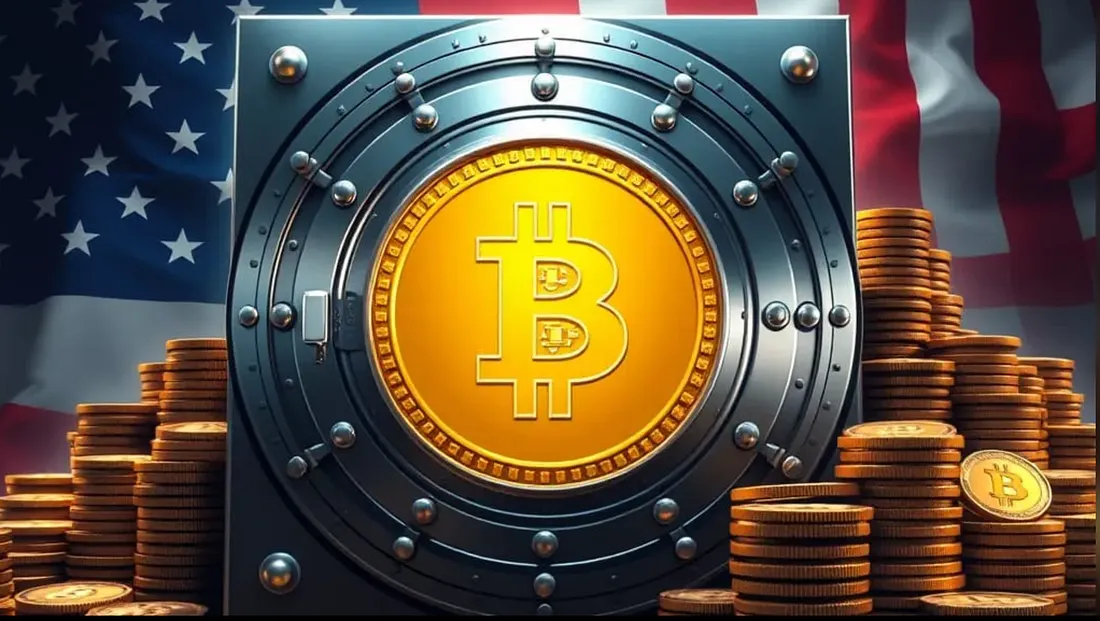
Bitcoin has moved from being just an internet experiment to something governments and big institutions now take seriously. One of the most debated ideas today is whether governments should hold Bitcoin reserves, similar to how they hold gold or foreign currency.
Some people believe it could protect national economies in the future. Others think it is too risky and unstable for governments to rely on. So the real question is simple: Do governments actually need Bitcoin reserves, or is it just an overhyped idea?
Let’s break it down in a clear and easy way.
1. What are Bitcoin reserves in simple terms?
A Bitcoin reserve means a government holds Bitcoin as part of its national savings, just like:
- Gold reserves
- Foreign currency reserves (like US dollars or euros)
Instead of keeping everything in traditional assets, the government would also store Bitcoin.
The idea is that Bitcoin could act as:
- A backup asset
- A hedge against inflation
- A new form of digital value storage
Some supporters even compare it to “digital gold.”
2. Why some people think governments should hold Bitcoin
There are a few strong arguments from supporters.
A. Protection against inflation
Inflation reduces the value of money over time. Bitcoin has a fixed supply (only 21 million coins), so it cannot be printed like traditional money.
Because of this, some people believe Bitcoin could help protect national wealth in the long run.
B. Diversification of reserves
Most governments rely heavily on:
- US dollars
- Gold
- Other fiat currencies
Supporters argue that adding Bitcoin could diversify reserves and reduce risk if traditional systems face problems.
C. Growing global adoption
Bitcoin is now owned by millions of people and large institutions. Some companies and even financial funds already hold it.
So supporters say if the world is slowly accepting Bitcoin, governments should not ignore it.
D. Technological future
Some believe the future of finance will be digital. If that happens, countries holding Bitcoin early could have an advantage.
3. Why many governments are still hesitant
Even with these arguments, most governments are still very careful. And there are strong reasons for that.
A. Price volatility
Bitcoin’s price is not stable. It can go up or down very quickly.
For a government, this is a big problem because national reserves are supposed to be safe and predictable.
Imagine a country holding billions in Bitcoin and suddenly the price drops sharply. That would create serious financial risk.
B. Lack of control
Governments like control over their financial systems. But Bitcoin is decentralized, meaning:
- No central authority controls it
- No government can manage its supply
- No one can “fix” its price
This lack of control makes it uncomfortable for many policymakers.
C. Regulatory uncertainty
Different countries still disagree on how to classify Bitcoin:
- Is it currency?
- Is it property?
- Is it a financial asset?
Without clear global rules, governments hesitate to fully commit.
D. Security concerns
Even though Bitcoin is secure at the network level, storing large national reserves brings risks like:
- Cybersecurity threats
- Private key loss
- Internal misuse
Governments would need extremely strong systems to manage this safely.
4. Real-world examples of government involvement
Some governments have already experimented with Bitcoin in different ways.
A. Countries holding seized Bitcoin
Some governments hold Bitcoin that was seized from illegal activities. These holdings are not always “investment decisions,” but they still mean governments already interact with Bitcoin.
B. El Salvador’s Bitcoin experiment
Bitcoin was adopted as legal tender in El Salvador, making it the first country to do so. The government also started holding Bitcoin as part of its national strategy.
This move got global attention, but it also faced criticism due to price swings and economic concerns.
C. Other countries exploring digital assets
Some nations are studying Bitcoin and blockchain systems but are not fully committing to holding it as a reserve yet.
Most are still in a “wait and see” approach.

Bitcoin Reserves for Countries: Smart Move or Risky Idea?
5. Could Bitcoin replace traditional reserves?
Right now, the answer is no.
Traditional reserves like gold and foreign currencies are:
- More stable
- Widely accepted
- Easier to use in global trade
Bitcoin is still young compared to these systems.
However, some experts believe Bitcoin could become:
- A small part of reserves (not the main one)
- A digital hedge alongside gold
So instead of replacing everything, Bitcoin may just become an extra layer of protection.
6. The risk vs reward balance
For governments, decisions are not just about profit. They focus on stability.
Potential rewards:
- Protection against currency weakness
- Exposure to new financial technology
- Long-term value growth
Potential risks:
- Extreme price volatility
- Policy uncertainty
- Public trust issues if losses happen
This is why most governments prefer caution over speed.
7. What would need to change for Bitcoin reserves to become common?
For Bitcoin to become a regular part of government reserves, a few things would likely need to happen:
A. More price stability
If Bitcoin becomes less volatile over time, governments may trust it more.
B. Clear global regulation
International agreement on how Bitcoin is treated would reduce uncertainty.
C. Better infrastructure
Governments would need secure systems for storing and managing large crypto holdings.
D. Wider adoption in global trade
If countries start using Bitcoin in trade settlements, it would become more practical as a reserve asset.
8. So, are Bitcoin reserves necessary?
The honest answer is: not necessary right now, but possibly useful in the future.
At the moment:
- Governments already have strong reserve systems
- Bitcoin is still too unstable for full reliance
- Risks are higher than proven benefits
But in the future:
- Bitcoin could become a small strategic asset
- It might work alongside gold and fiat reserves
- It could play a role in digital global finance
So it’s not about replacing the system—it’s more about whether Bitcoin will become part of it.
Final thoughts
Bitcoin reserves are an interesting idea, but they are still in the early debate stage. Some see them as the future of national finance, while others see them as too risky and unpredictable.
Right now, most governments are watching and testing rather than fully committing.
In simple terms:
- Bitcoin is powerful but still unstable
- Governments are careful because they must protect entire economies
- The future depends on how Bitcoin matures over time
So, Bitcoin reserves are not a must-have today, but they could become an option tomorrow if the global financial system continues moving toward digital assets.
Read Also: Keep your face towards the sunshine and shadows will fall behind you
Watch Also: https://www.youtube.com/@TravelsofTheWorld24










Leave a Reply