
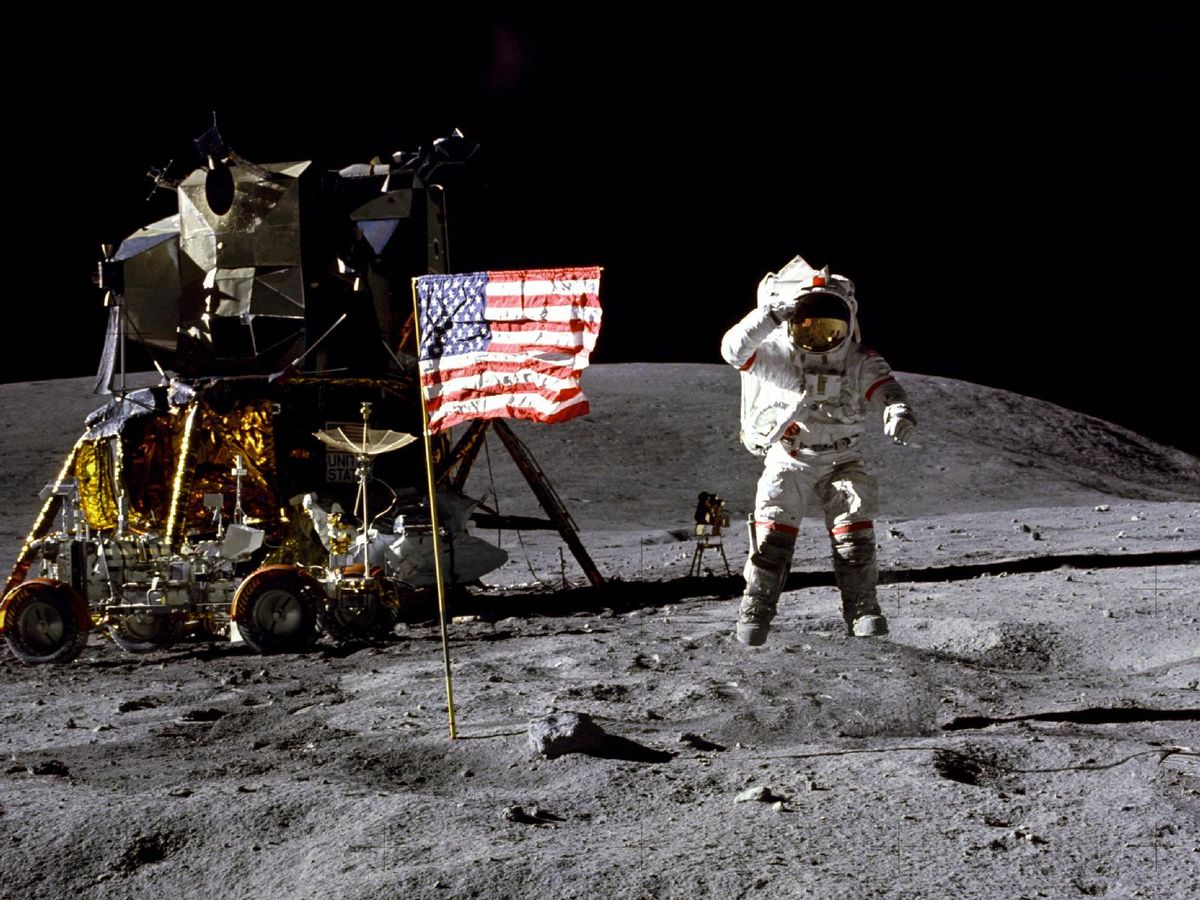
Space exploration has long captured human imagination, pushing the boundaries of science, technology, and human endurance. Over the decades, numerous missions have left indelible marks on our understanding of the cosmos. From the first satellites orbiting Earth to probes reaching distant planets and the Sun, each mission has contributed unique insights that shape modern astronomy and space technology. Here, we explore the ten most famous space missions in history, highlighting their objectives, achievements, and lasting impact.
1. Sputnik 1 (1957) – The Dawn of the Space Age
The space race began in earnest when the Soviet Union launched Sputnik 1 on October 4, 1957. This 184-pound spherical satellite, equipped with radio transmitters, became the first human-made object to orbit Earth. Its successful deployment stunned the world and marked the start of the space age.
Impact:
Sputnik 1 not only demonstrated the feasibility of sending objects into orbit but also spurred the United States to accelerate its own space program, ultimately leading to NASA’s creation in 1958. The beeping signals from Sputnik captivated the public, proving that human technology could reach beyond Earth.
2. Apollo 11 (1969) – First Humans on the Moon
Perhaps the most iconic space mission in history, Apollo 11, carried astronauts Neil Armstrong, Buzz Aldrin, and Michael Collins to the Moon. On July 20, 1969, Armstrong took the first steps on the lunar surface, famously saying, “That’s one small step for man, one giant leap for mankind.”
Achievements:
-
First human landing on another celestial body
-
Collected 47.5 pounds of lunar rocks and soil
-
Advanced lunar science and geology
-
Demonstrated human ability to survive and operate in deep space
Impact:
Apollo 11 symbolized technological achievement and national pride, inspiring generations of scientists and engineers. Its success paved the way for further lunar exploration and the development of international space collaborations.
3. Voyager 1 & 2 (1977) – Exploring the Outer Planets
Launched in 1977, the Voyager probes were designed to study Jupiter, Saturn, Uranus, and Neptune. Voyager 1 and 2 carried a Golden Record containing sounds, music, and greetings from Earth, intended for any potential extraterrestrial life.
Achievements:
-
Voyager 1: First human-made object to enter interstellar space (2012)
-
Detailed images and data of Jupiter, Saturn, Uranus, and Neptune
-
Discovery of new moons and rings around planets
-
Provided invaluable information about planetary atmospheres and magnetic fields
Impact:
Voyager missions revolutionized planetary science and demonstrated humanity’s ability to send robotic explorers far beyond Earth. Their ongoing journey into interstellar space continues to provide data about the heliosphere and cosmic radiation.
4. Hubble Space Telescope (1990) – A Window to the Universe
The Hubble Space Telescope, launched in 1990 aboard Space Shuttle Discovery, transformed astronomy by providing high-resolution images of distant galaxies, nebulae, and star clusters. Orbiting above Earth’s atmosphere, Hubble avoids atmospheric distortion, allowing unparalleled clarity.
Achievements:
-
Captured iconic images like the Pillars of Creation
-
Determined the rate of expansion of the universe (Hubble Constant)
-
Discovered exoplanets and studied their atmospheres
-
Advanced knowledge of dark matter and black holes
Impact:
Hubble’s observations have shaped modern cosmology and astronomy. Its success led to follow-up missions, including the James Webb Space Telescope, extending humanity’s ability to observe the cosmos.
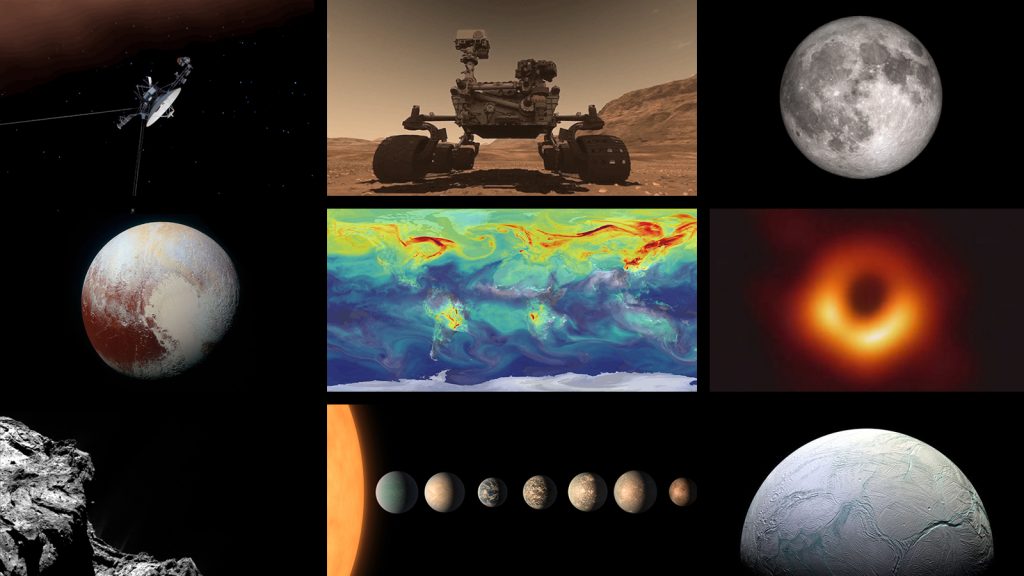 5. Mars Pathfinder (1997) – A New Era in Mars Exploration
NASA’s Mars Pathfinder mission, including the Sojourner rover, landed on Mars in 1997. The mission demonstrated a low-cost approach to planetary exploration while testing new technologies for future missions.
Achievements:
-
Successfully delivered a robotic rover to Mars
-
Analyzed Martian rocks, soil, and atmosphere
-
Conducted experiments on solar-powered rover mobility
-
Provided high-resolution images of the Martian surface
Impact:
Mars Pathfinder paved the way for advanced rovers like Spirit, Opportunity, Curiosity, and Perseverance. It marked a shift toward robotic exploration as a cost-effective, scientifically productive method for studying other planets.
6. International Space Station (ISS) (1998–Present) – Humanity in Orbit
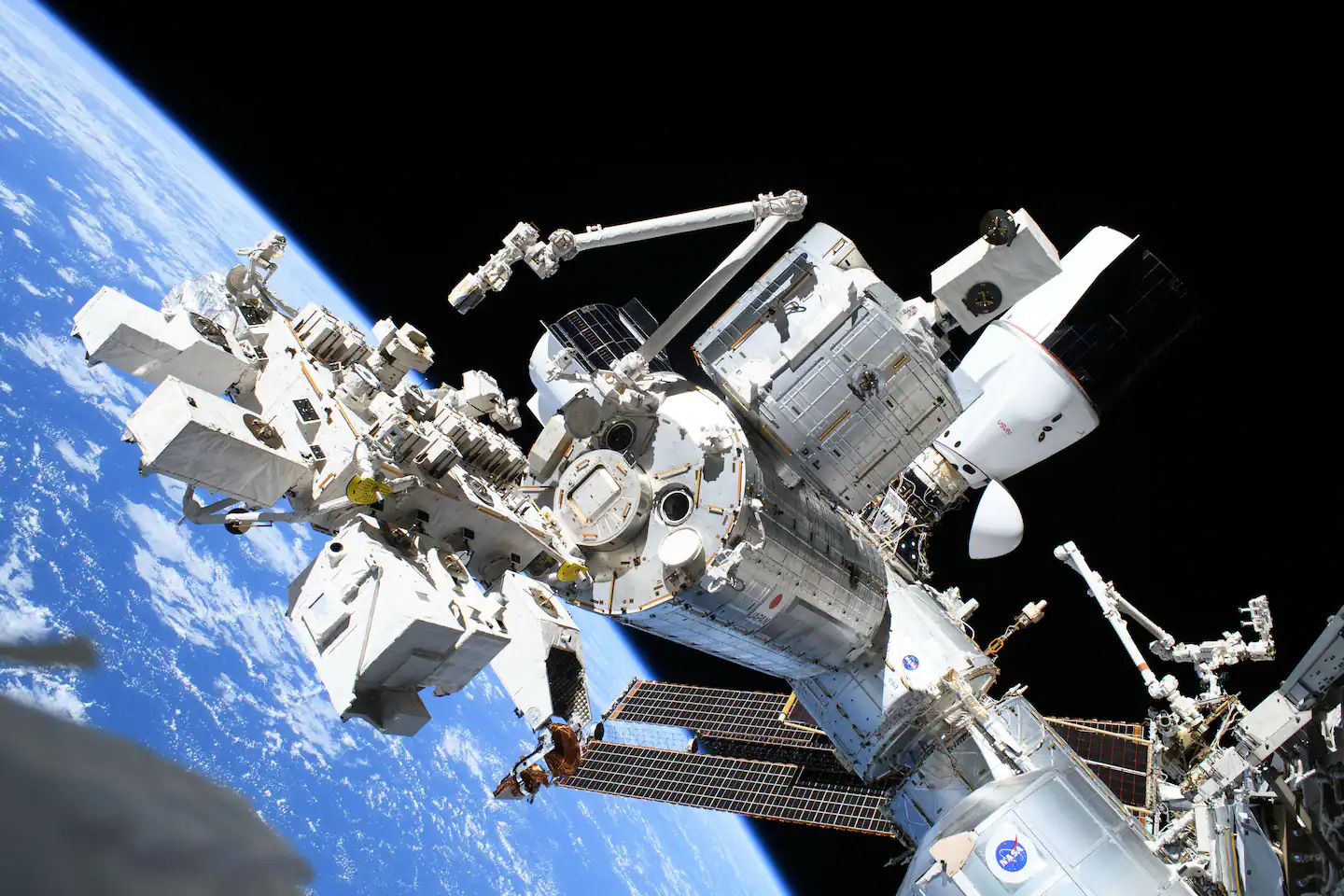
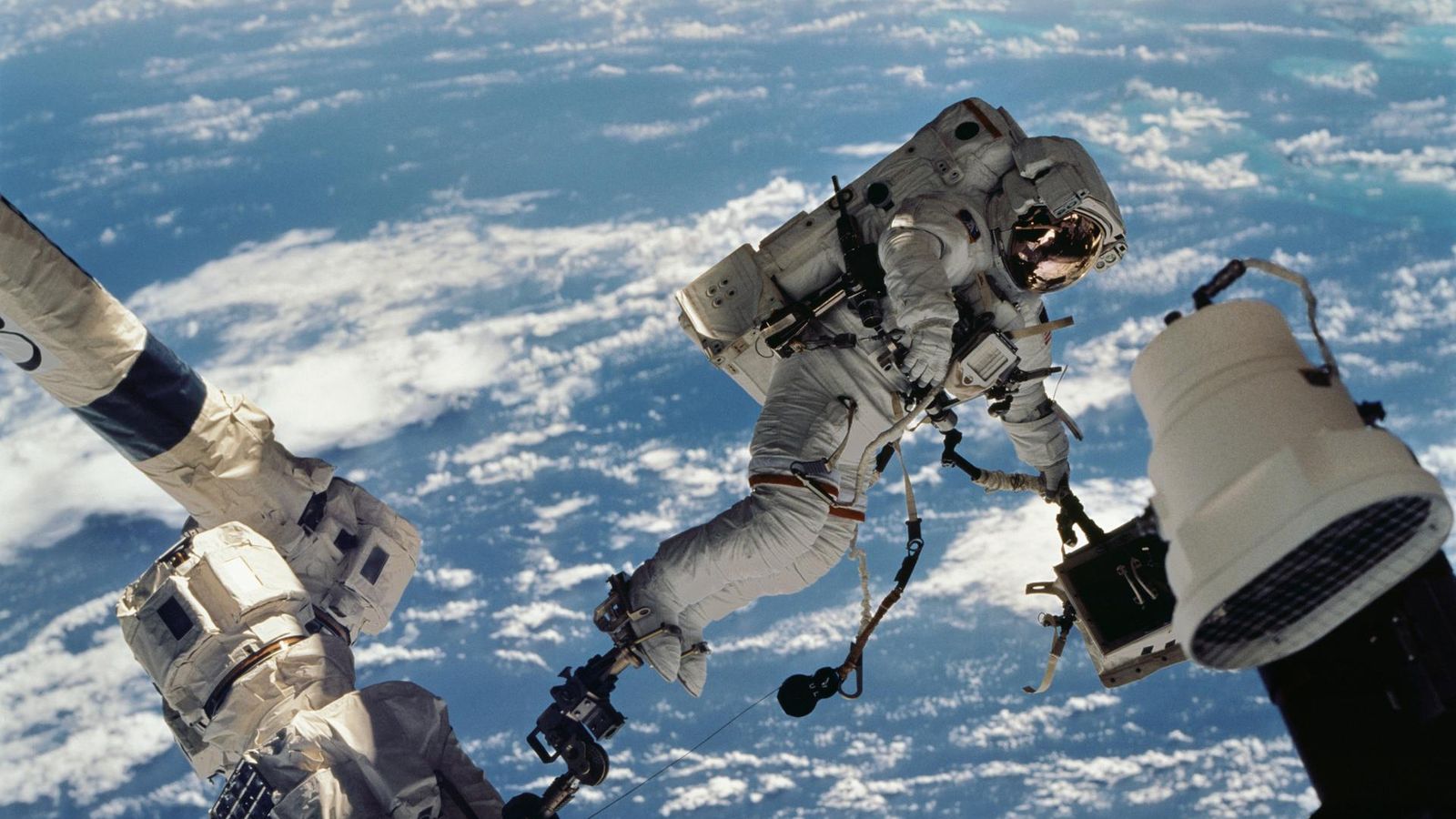
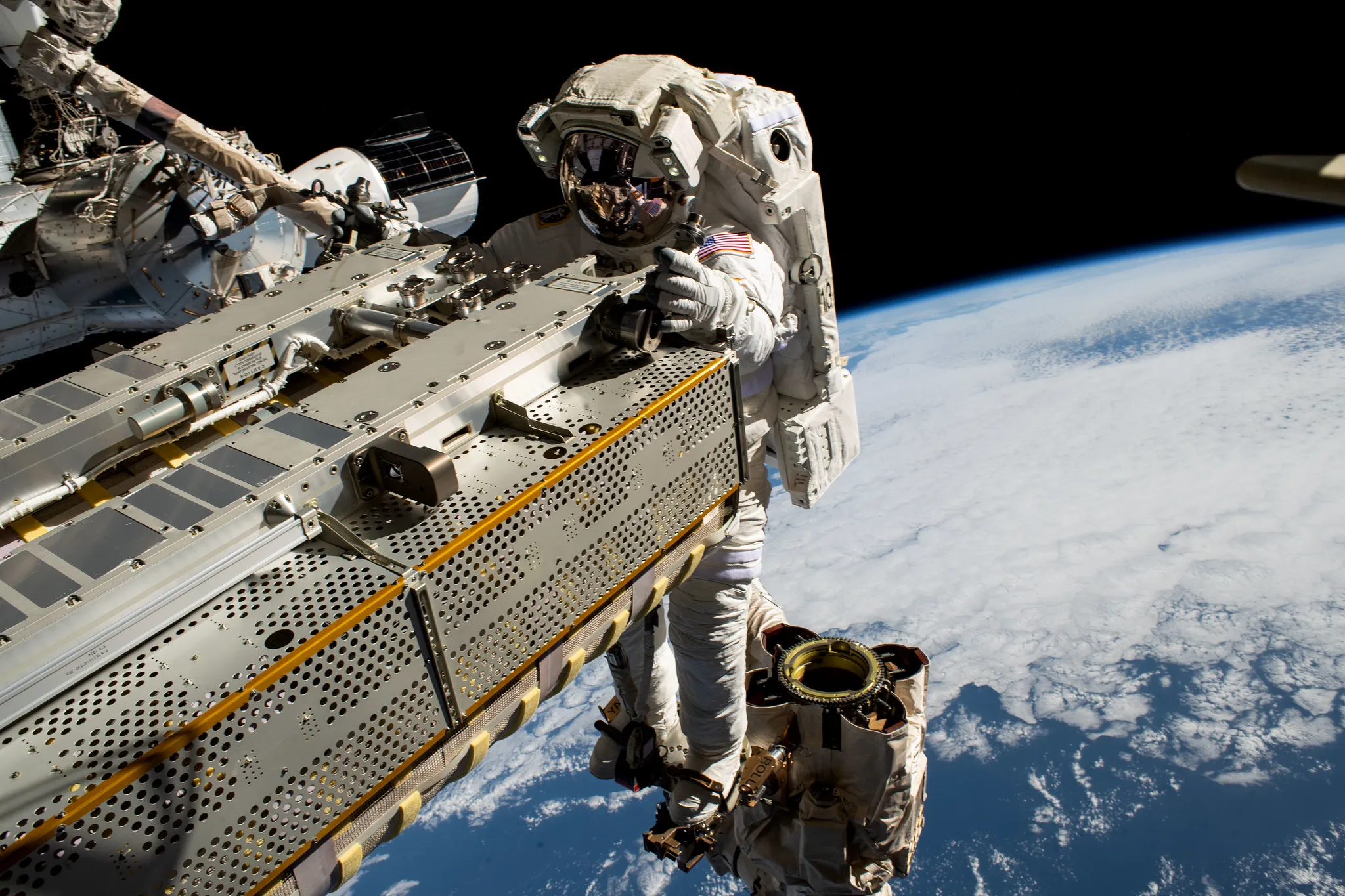
The International Space Station, launched in 1998, represents a global effort involving NASA, Roscosmos, ESA, JAXA, and CSA. Orbiting Earth at approximately 250 miles, it serves as a laboratory for scientific experiments and long-duration space habitation.
Achievements:
-
Supports microgravity research in biology, physics, and materials science
-
Enables long-term human habitation in space
-
Serves as a platform for international cooperation and space technology testing
-
Hosts astronauts from around the world continuously since 2000
Impact:
The ISS is a symbol of global collaboration and has provided critical knowledge for future missions to the Moon, Mars, and beyond. It demonstrates humanity’s ability to live and work in space sustainably.
7. Cassini-Huygens (1997–2017) – Unveiling Saturn
The Cassini-Huygens mission to Saturn and its largest moon, Titan, provided an unprecedented view of the ringed planet and its complex system of moons. Cassini orbited Saturn, while the Huygens probe descended to Titan’s surface in 2005.
Achievements:
-
Discovered water ice plumes on Enceladus, suggesting potential habitability
-
Captured detailed images of Saturn’s rings and moons
-
Analyzed Titan’s atmosphere and surface, revealing lakes of liquid methane and ethane
-
Conducted 13 years of orbital science around Saturn
Impact:
Cassini-Huygens transformed our understanding of the Saturnian system and the potential for life in the outer solar system. Its findings continue to inspire planetary scientists and astrobiologists worldwide.
8. New Horizons (2006) – A Close Encounter with Pluto
NASA’s New Horizons mission, launched in 2006, achieved a historic flyby of Pluto in 2015, revealing the dwarf planet’s complex geology and atmosphere.
Achievements:
-
First close-up images of Pluto and its moons
-
Discovered mountains, glaciers, and possible cryovolcanoes on Pluto
-
Extended mission to study Kuiper Belt objects beyond Pluto
-
Provided insights into the outer solar system’s formation and evolution
Impact:
New Horizons expanded our understanding of distant planetary bodies and demonstrated the feasibility of fast, long-duration robotic missions to the outer solar system. Its success reignited public interest in Pluto and planetary science.
9. Parker Solar Probe (2018–Present) – Touching the Sun
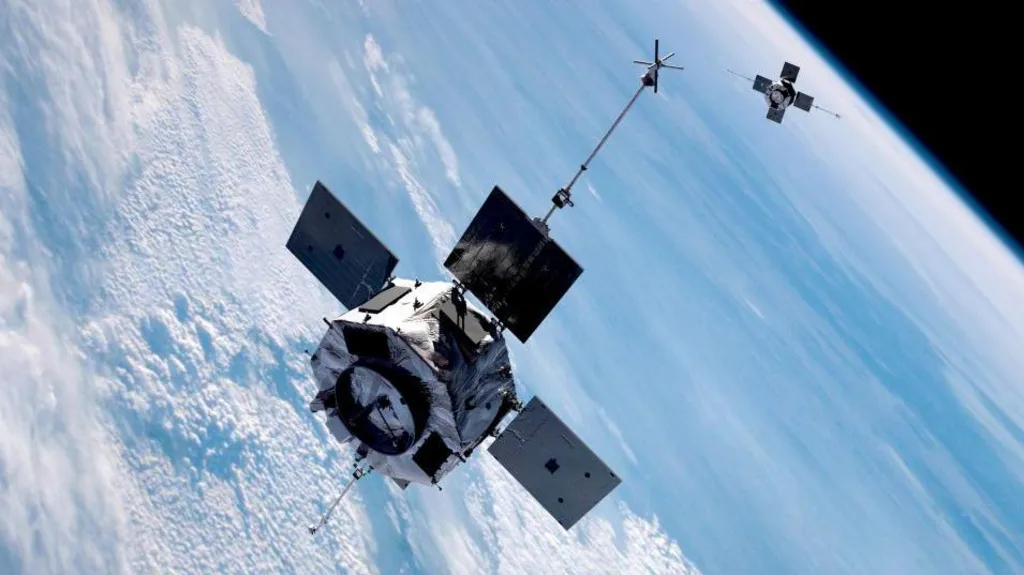
NASA’s Parker Solar Probe is on a mission to study the Sun’s outer atmosphere, the corona. Launched in 2018, it is the fastest human-made object and will eventually approach within 4 million miles of the Sun.
Achievements:
-
First spacecraft to fly through the Sun’s corona
-
Measures solar wind, magnetic fields, and energetic particles
-
Helps understand solar storms that affect Earth’s technology and astronauts
-
Provides unprecedented insights into the Sun’s behavior and structure
Impact:
The mission is revolutionizing solar physics and improving predictions for space weather. Parker Solar Probe exemplifies human ingenuity and the drive to explore even the most extreme environments in our solar system.
10. Artemis I (2022–Present) – Returning Humans to the Moon
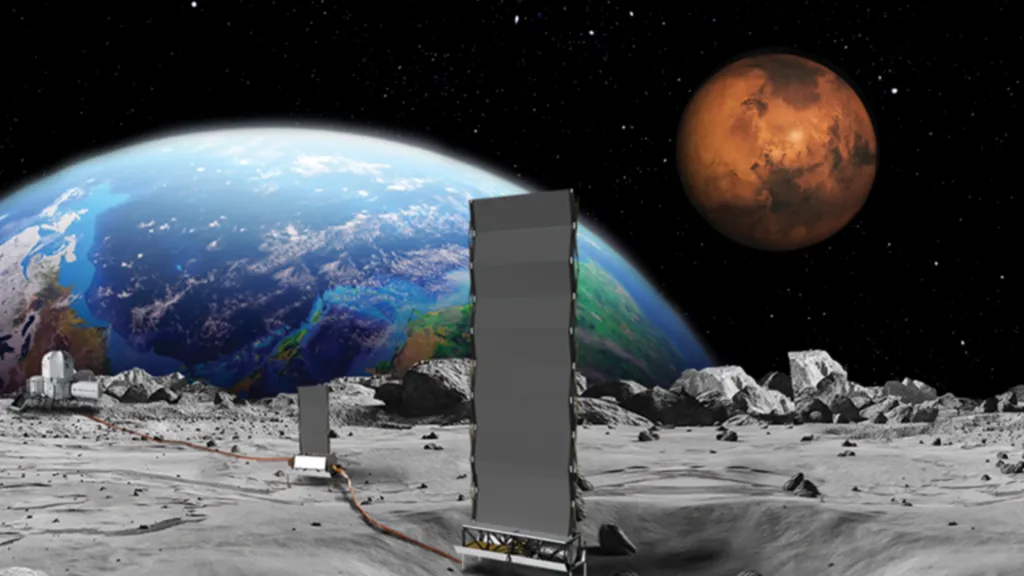
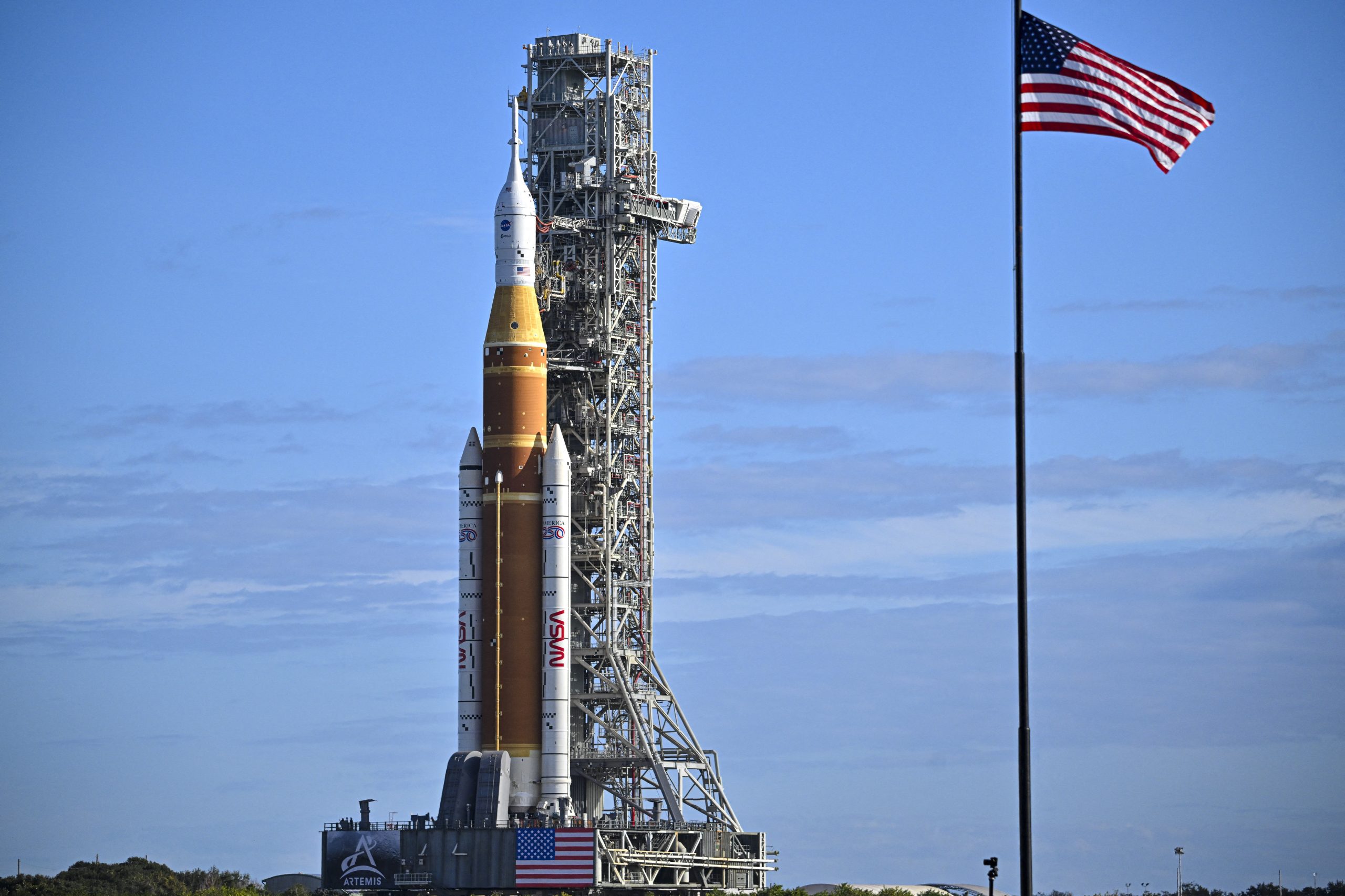
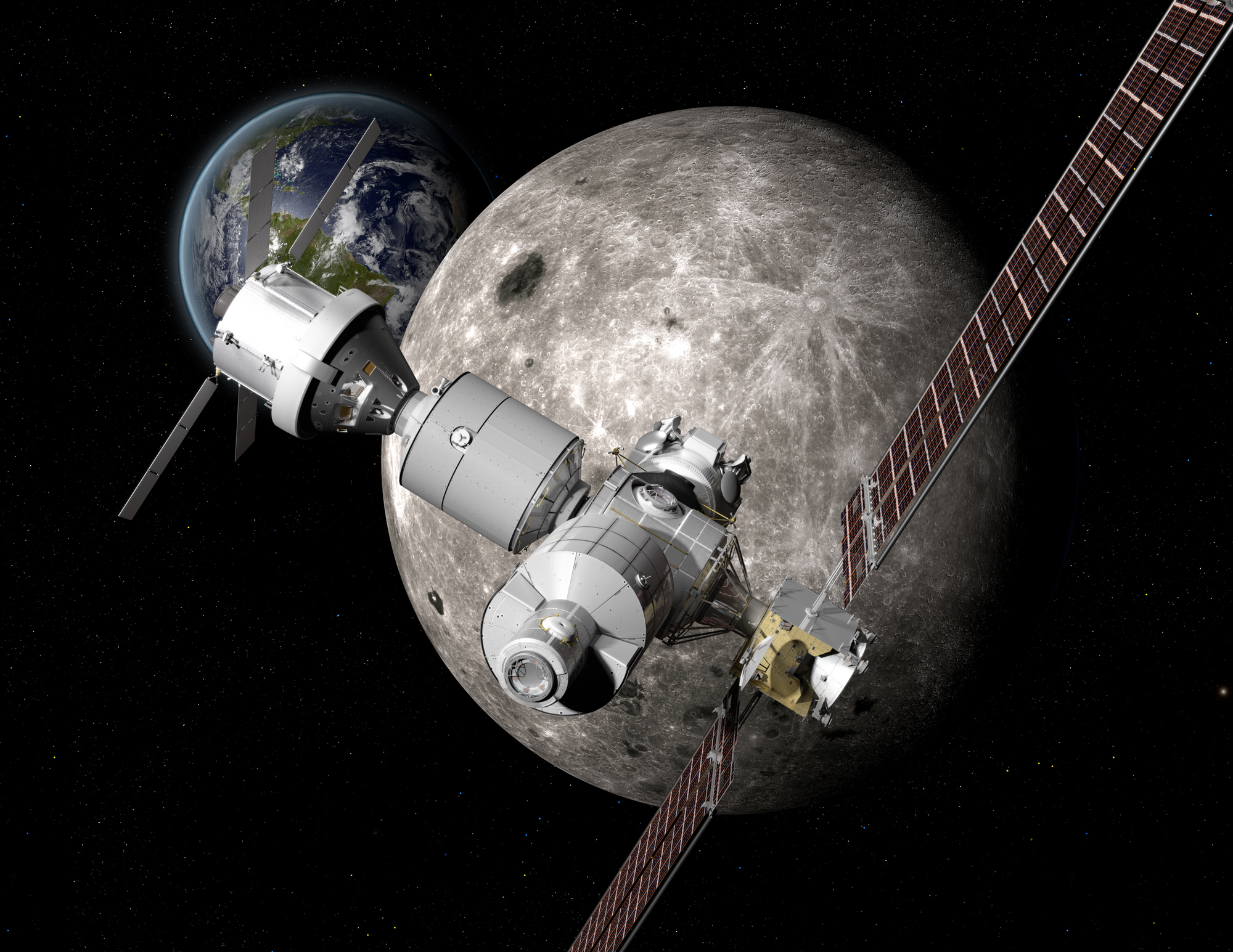
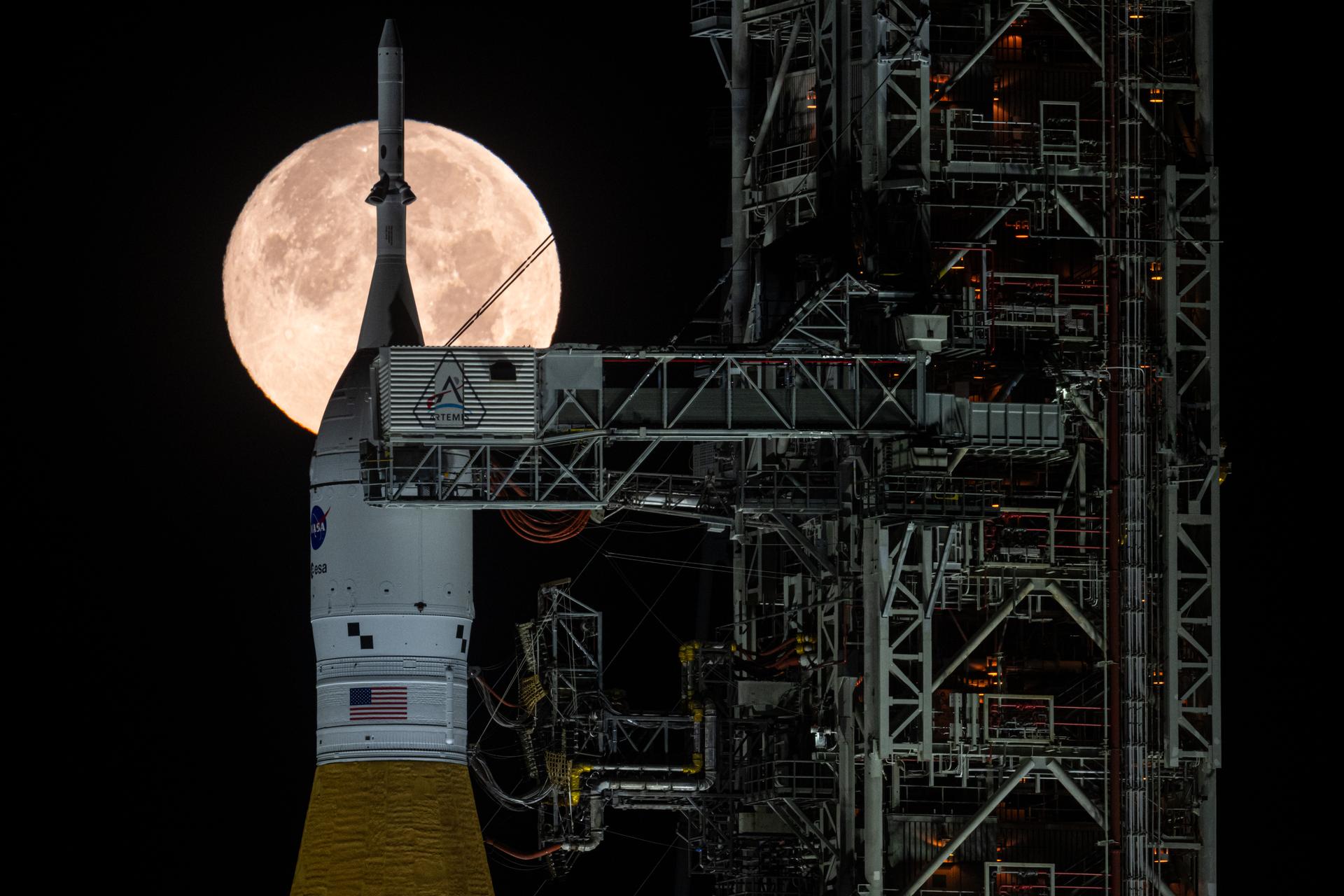
NASA’s Artemis program aims to return humans to the Moon, with Artemis I as an uncrewed test mission launched in 2022. The program plans to land astronauts on the lunar surface and establish a sustainable presence.
Achievements:
-
Tested the Space Launch System (SLS) rocket and Orion spacecraft
-
Validated deep-space navigation and life-support systems for future crewed missions
-
Paves the way for Artemis II and III, which will carry astronauts to lunar orbit and the surface
-
Supports long-term lunar exploration and potential human missions to Mars
Impact:
Artemis represents the next era of human space exploration, emphasizing sustainability, international collaboration, and the development of new technologies for deep-space missions. It reaffirms humanity’s ambition to explore beyond Earth.
Conclusion
From the launch of Sputnik 1 to the pioneering journey of Parker Solar Probe and the ambitious Artemis program, these ten missions represent humanity’s greatest achievements in space exploration. They have expanded our knowledge of the universe, tested the limits of technology, and inspired generations to look beyond Earth.
Each mission, whether robotic or crewed, highlights the ingenuity, courage, and curiosity that drive us to explore the cosmos. They have provided answers to long-standing scientific questions while raising new ones, ensuring that humanity’s journey into space is far from over.
As we continue to innovate and explore, future missions will undoubtedly build upon the legacy of these iconic projects, pushing the boundaries of what is possible and bringing us ever closer to understanding our place in the universe.
Read Also: Keep your face towards the sunshine and shadows will fall behind you
Watch Also: https://www.youtube.com/@TravelsofTheWorld24





Leave a Reply