
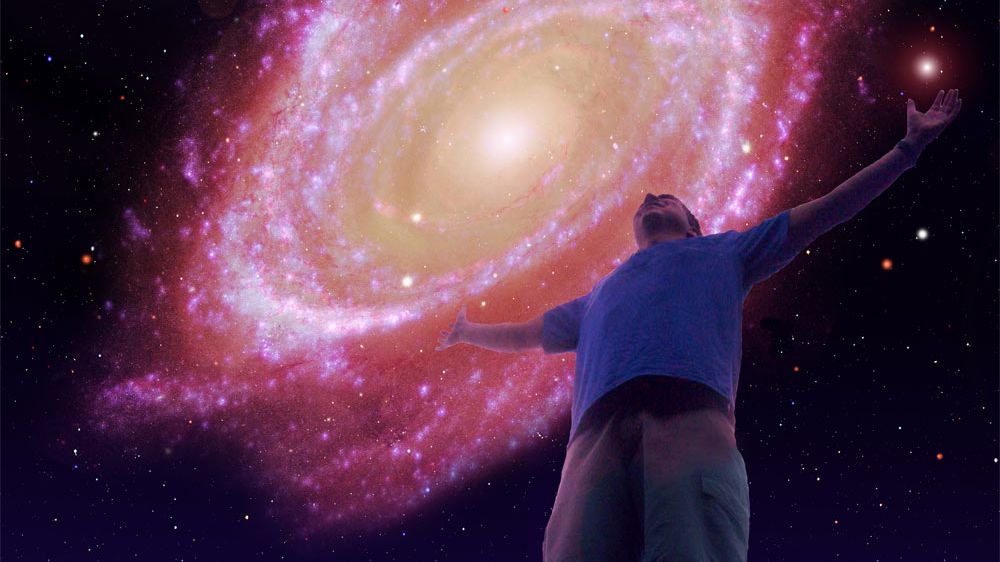
NASA has once again captured the imagination of the world by unveiling a stunning new collection of images of the Milky Way galaxy. These breathtaking visuals, created using data from some of the most advanced space telescopes ever built, offer humanity an unprecedented glimpse into the structure, beauty, and mystery of our cosmic home. From glowing star-forming regions to vast clouds of interstellar dust, the images highlight both the immense scale and delicate complexity of the galaxy we inhabit.
The release marks a major milestone in modern astronomy, combining years of observation, cutting-edge technology, and international collaboration. Scientists say the images are not only visually spectacular but also scientifically invaluable, helping researchers better understand how galaxies form, evolve, and sustain life-bearing systems like our own solar neighborhood.
A New Perspective on Our Galactic Home
The Milky Way is a barred spiral galaxy spanning approximately 100,000 light-years across and containing hundreds of billions of stars. Despite living inside it, humans have historically struggled to capture a complete picture of its structure. Dust clouds, gas, and our position within one of the spiral arms obscure large portions of the galaxy when viewed with traditional optical telescopes.
NASA’s newly unveiled images overcome many of these challenges by using observations across multiple wavelengths, including infrared, X-ray, and radio frequencies. By looking beyond visible light, scientists can peer through thick clouds of cosmic dust and reveal regions of space that were previously hidden from view.
“These images give us a clearer, more complete view of the Milky Way than ever before,” NASA scientists explained. “They allow us to see how stars are born, how they die, and how matter flows through the galaxy on enormous scales.”
The Technology Behind the Images
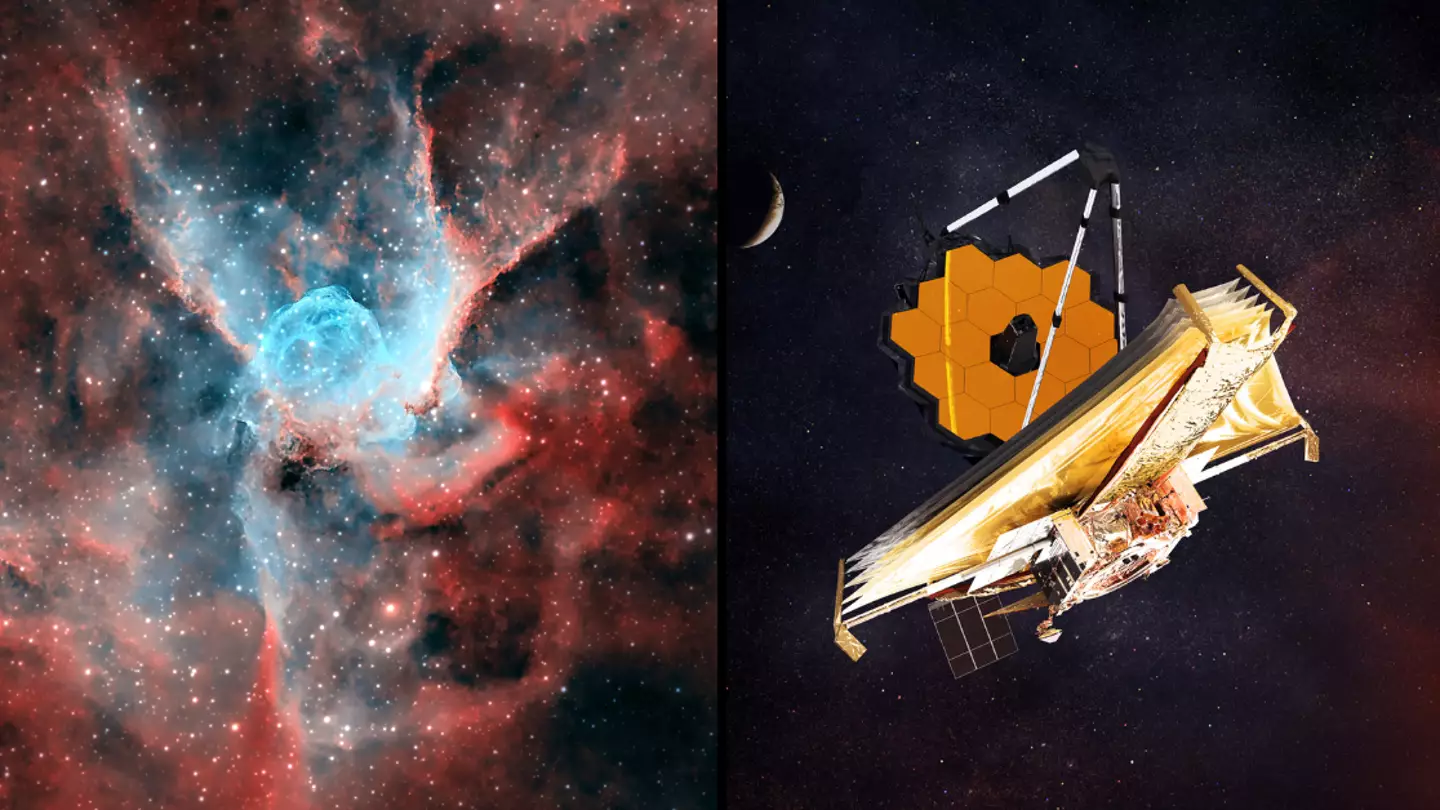
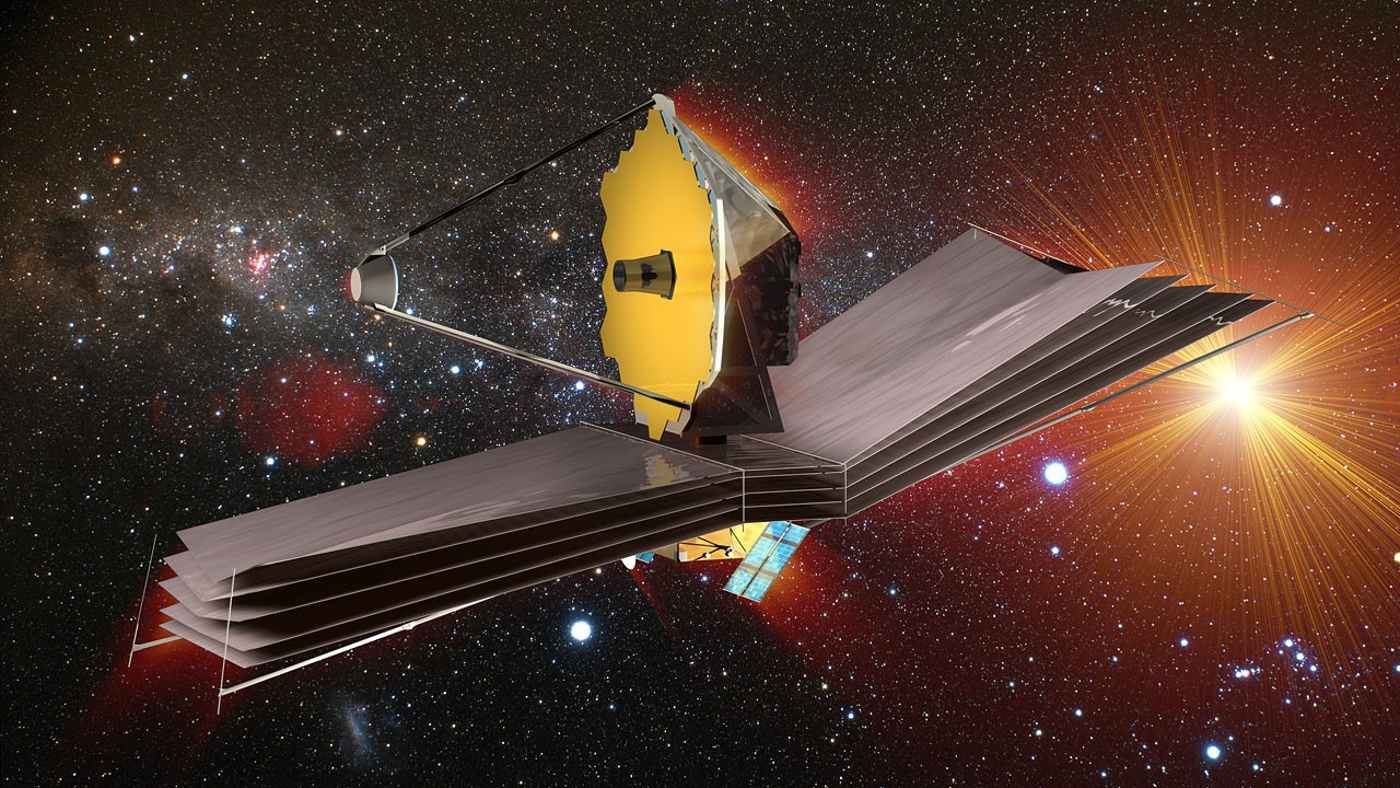
The images are the result of data collected from several of NASA’s most powerful observatories, including space-based telescopes designed to observe the universe in wavelengths invisible to the human eye. Infrared instruments, in particular, play a crucial role in mapping the Milky Way, as infrared light can pass through dense dust clouds that block visible light.
By combining data from different instruments, astronomers created composite images that reveal the galaxy’s structure in remarkable detail. Bright regions indicate areas of active star formation, while darker lanes show thick dust clouds where future stars may eventually emerge.
Advanced data processing techniques were used to stitch together millions of individual observations, producing sweeping panoramic views of the galactic plane. The result is a set of images that are as scientifically rigorous as they are visually awe-inspiring.
Revealing Star Birth and Stellar Death
One of the most striking aspects of the new Milky Way images is the vivid display of stellar nurseries—regions where new stars are actively forming. These areas glow brightly in infrared light due to the heat generated as gas and dust collapse under gravity to ignite nuclear fusion.
The images also capture remnants of stellar death, including supernova remnants and expanding shockwaves from exploded stars. These violent events play a crucial role in shaping the galaxy, spreading heavy elements such as carbon, oxygen, and iron throughout space—elements that later become part of planets and living organisms.
By studying both star formation and stellar death in a single, unified view, scientists gain deeper insight into the life cycle of matter within the Milky Way.
Mapping the Spiral Arms
Another major achievement of NASA’s latest release is the improved mapping of the Milky Way’s spiral arms. For decades, astronomers debated the exact number, shape, and structure of these arms due to observational limitations.
The new images provide clearer evidence of how the spiral arms extend outward from the galaxy’s central bar, curving gracefully through space. Bright clusters of young stars trace the arms, acting as cosmic signposts that reveal the galaxy’s architecture.
Understanding spiral arm structure is critical, as these regions influence star formation rates, gas distribution, and even the long-term stability of planetary systems.
A Closer Look at the Galactic Center
At the heart of the Milky Way lies its dense and energetic galactic center, home to a supermassive black hole millions of times more massive than the Sun. This region is notoriously difficult to observe due to extreme dust density and intense radiation.
NASA’s images offer one of the clearest looks yet at this chaotic environment. Swirling gas clouds, powerful magnetic fields, and high-energy emissions paint a picture of a dynamic and constantly changing core.
Scientists hope that continued observation of the galactic center will shed light on how supermassive black holes influence the evolution of galaxies and regulate star formation over billions of years.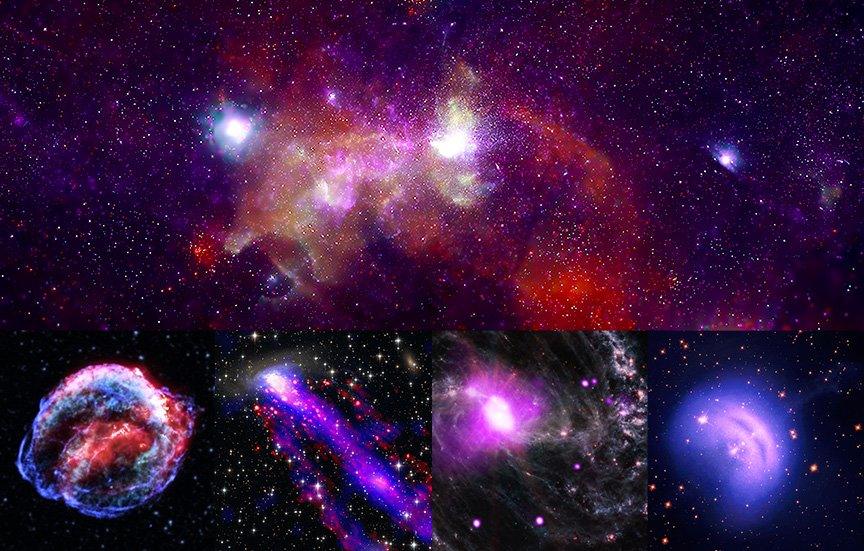
Scientific Value Beyond Visual Beauty
While the images have captivated the public, their true value lies in the scientific data they provide. Astronomers can use these observations to test theories about galactic evolution, dark matter distribution, and the movement of stars and gas across vast distances.
The images also help refine models of how the Milky Way compares to other spiral galaxies in the universe. By studying our galaxy in detail, scientists gain a benchmark for understanding galaxies observed millions or even billions of light-years away.
In addition, the data will support future missions by identifying regions of interest for deeper study and helping researchers plan targeted observations.
Inspiring the Next Generation
NASA officials emphasize that public engagement is a key goal of releasing such imagery. The visual power of the Milky Way images serves as an entry point for people of all ages to develop an interest in science, astronomy, and space exploration.
Educators around the world are already incorporating the images into classrooms, using them to explain concepts such as stellar evolution, gravity, and the scale of the universe. For many students, seeing the galaxy laid out in such vivid detail transforms abstract ideas into something tangible and inspiring.
“These images remind us that exploration is part of who we are,” said a NASA spokesperson. “They show what’s possible when curiosity, technology, and collaboration come together.”
Humanity’s Place in the Galaxy
Beyond science and education, the images invite reflection on humanity’s place in the cosmos. Our solar system occupies a relatively quiet region of the Milky Way, far from the turbulent galactic center, yet still deeply connected to the galaxy’s larger story.
Every atom in our bodies was forged in the heart of ancient stars, scattered across space by stellar explosions, and eventually assembled into planets and life. The images serve as a powerful reminder that Earth is not separate from the universe—it is a product of it.
Looking at the Milky Way in such detail encourages both humility and wonder, emphasizing how small we are on cosmic scales and how extraordinary it is that we can observe and understand the universe at all.
The Future of Galactic Exploration
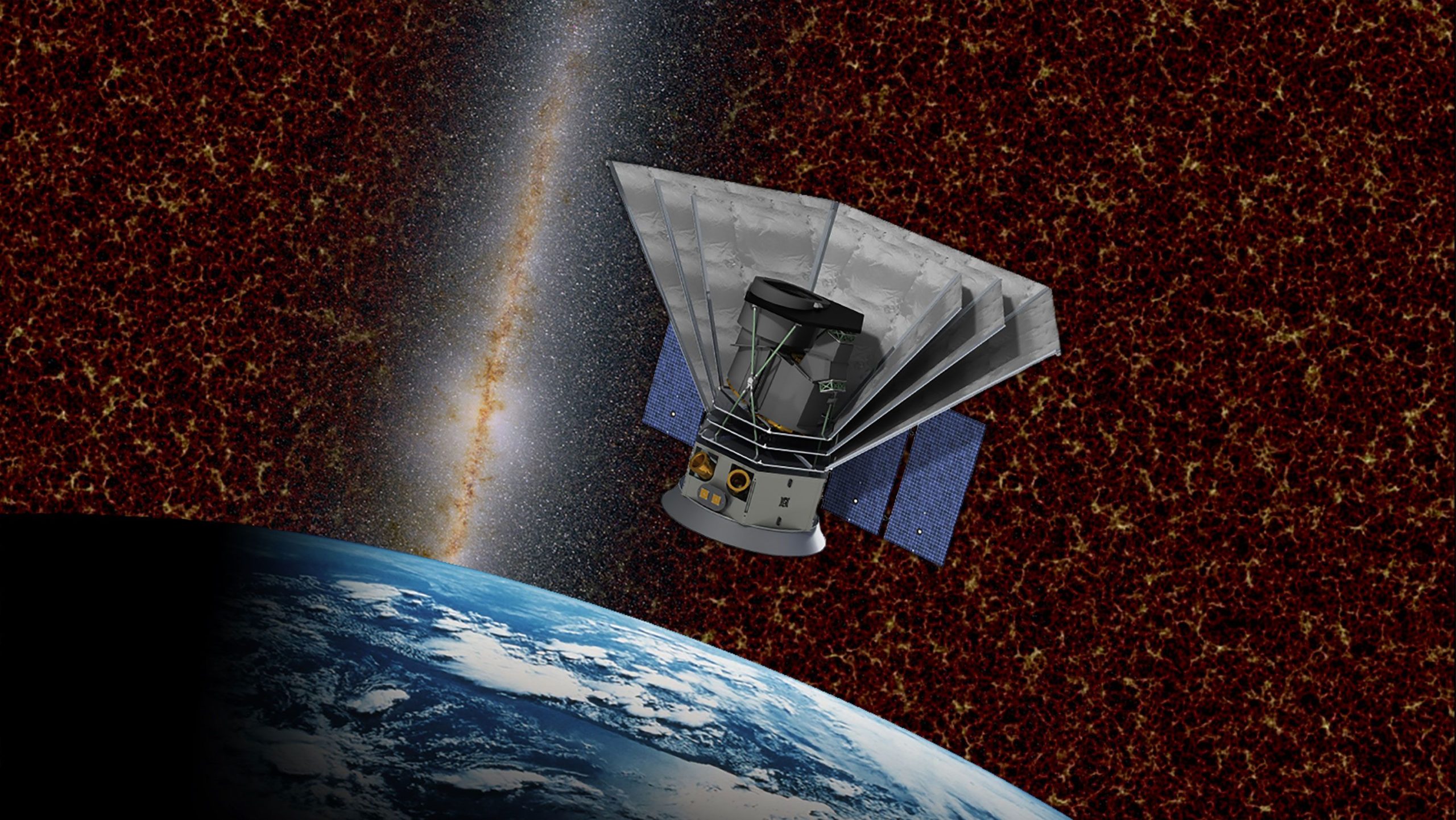
NASA’s unveiling of these Milky Way images is not an endpoint but a stepping stone. Future missions will build on this foundation, offering even sharper resolution, broader wavelength coverage, and longer observation periods.
Upcoming observatories are expected to map the galaxy in three dimensions, track the movement of stars over time, and explore the mysterious dark matter halo believed to surround the Milky Way. Together, these efforts will deepen our understanding of how galaxies form, interact, and change across cosmic history.
As technology advances, humanity’s picture of the Milky Way will continue to evolve—becoming more detailed, more accurate, and more awe-inspiring with each discovery.
A Galaxy Revealed
NASA’s breathtaking images of the Milky Way represent one of the most comprehensive and visually stunning portraits of our galaxy ever created. They blend scientific precision with artistic beauty, offering both answers and new questions about the universe we call home.
For scientists, the images are a treasure trove of data. For the public, they are a source of inspiration and wonder. And for humanity as a whole, they are a reminder that even in an age of rapid change on Earth, the cosmos continues to beckon—vast, mysterious, and waiting to be explored.
Read Also: Keep your face towards the sunshine and shadows will fall behind you
Watch Also: https://www.youtube.com/@TravelsofTheWorld24









Leave a Reply