
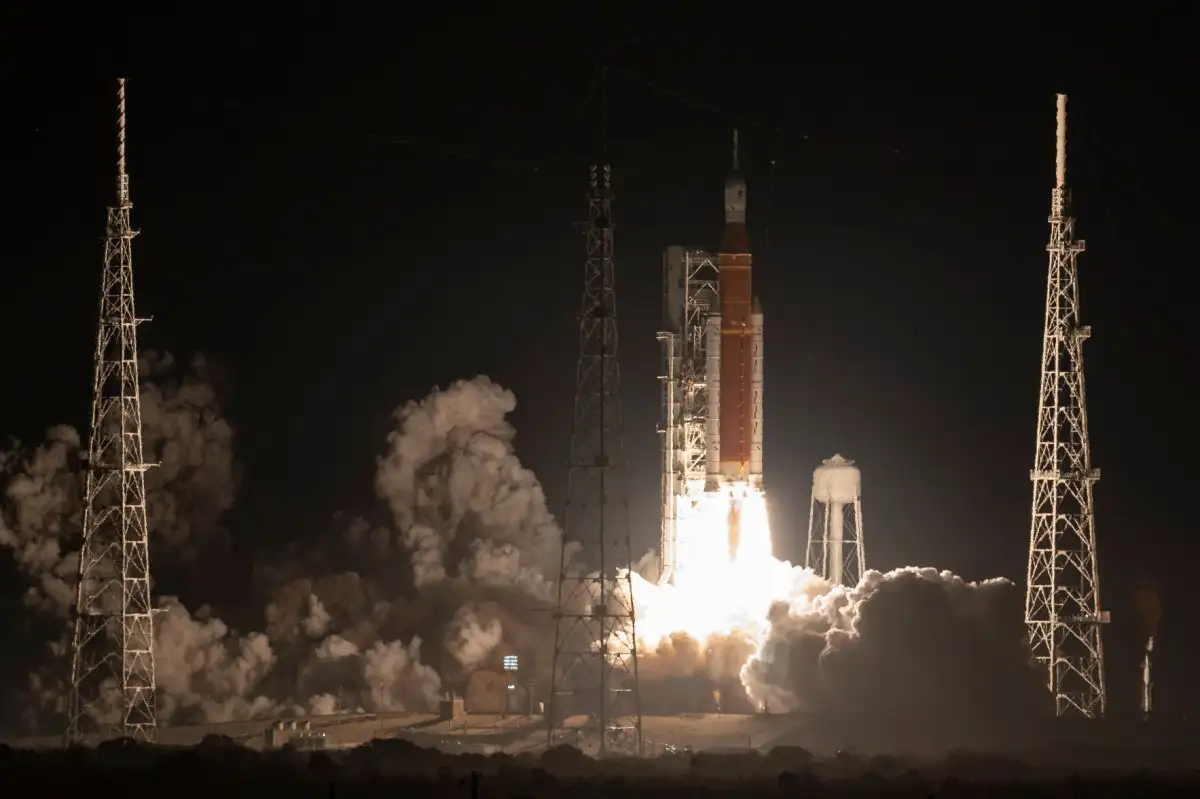
NASA’s Artemis program, billed as the agency’s bold return to the Moon, represents one of the most ambitious space exploration efforts in decades. Designed to send astronauts back to the lunar surface for the first time since the Apollo missions, Artemis aims to establish a sustainable presence on the Moon, test deep-space technologies, and pave the way for future human missions to Mars.
Yet despite its promise, some experts and space analysts warn that Artemis could be the last mission to carry NASA astronauts beyond low Earth orbit for the foreseeable future. Budget constraints, rising mission costs, and the increasing commercialization of space have combined to create an environment where human deep-space missions may be increasingly rare and outsourced to private companies.
The Scope and Ambition of Artemis
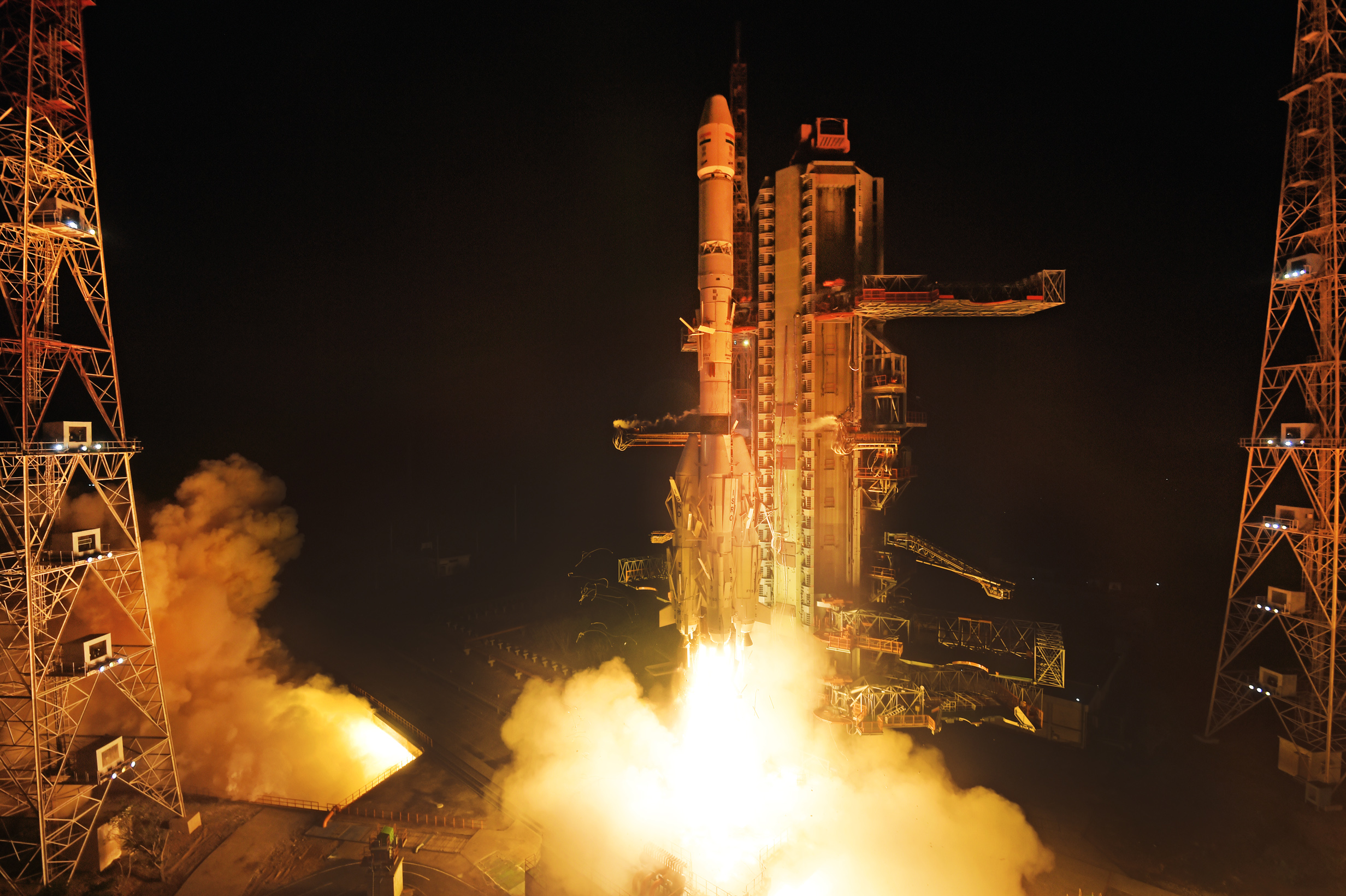
The Artemis program is ambitious on multiple fronts. It involves the development of the Space Launch System (SLS), the Orion spacecraft, lunar landers, and a wide range of supporting infrastructure, including potential lunar habitats. Artemis missions aim to send humans not only to the Moon’s surface but also into lunar orbit to test the capabilities necessary for long-duration spaceflight.
Beyond exploration, Artemis is designed to be a springboard for scientific research, including lunar geology, space radiation studies, and in-situ resource utilization—turning lunar ice into water, oxygen, and fuel. By achieving these goals, NASA hopes to create a sustainable model for future space operations and expand human knowledge of deep space.
Rising Costs and Budget Constraints
One of the primary reasons Artemis may be the last deep-space mission for NASA astronauts in the near term is the enormous cost of the program. Estimates suggest that a single Artemis mission could cost tens of billions of dollars when factoring in rocket development, spacecraft construction, launch operations, astronaut training, and ground support.
NASA’s budget, while substantial, is finite. Political pressures and competing priorities—Earth-based climate research, aeronautics programs, and domestic scientific initiatives—limit the funds available for multi-billion-dollar space missions. Each additional Artemis flight consumes resources that might otherwise support emerging commercial and scientific ventures in orbit.
As a result, some analysts predict that after Artemis, NASA will pivot away from sending astronauts beyond low Earth orbit and instead focus on enabling private companies to take over lunar exploration and orbital operations. This shift would allow NASA to maintain a presence in space without directly funding costly deep-space human missions.
Technical and Logistical Challenges
Human missions to the Moon or Mars are inherently complex. Beyond the challenges of launching and landing astronauts, missions must contend with life support, radiation protection, microgravity effects on the human body, and the logistical difficulties of operating far from Earth.
The Artemis program has already faced delays due to technical setbacks, testing requirements, and supply chain issues. Every additional mission carries increasing risk, both in terms of safety and mission success. As NASA evaluates the feasibility of future deep-space operations, it may determine that relying on robotic missions and commercial partners is more sustainable than repeatedly sending astronauts into high-risk environments.
The Rise of Commercial Spaceflight
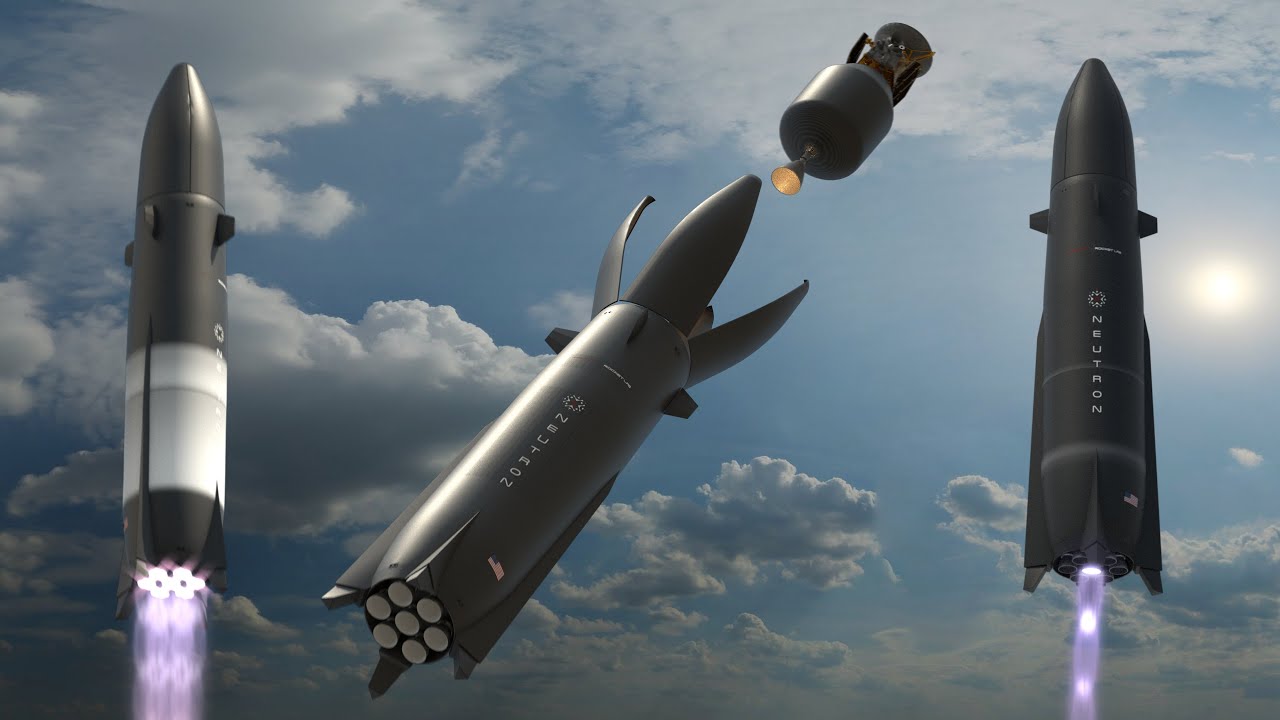
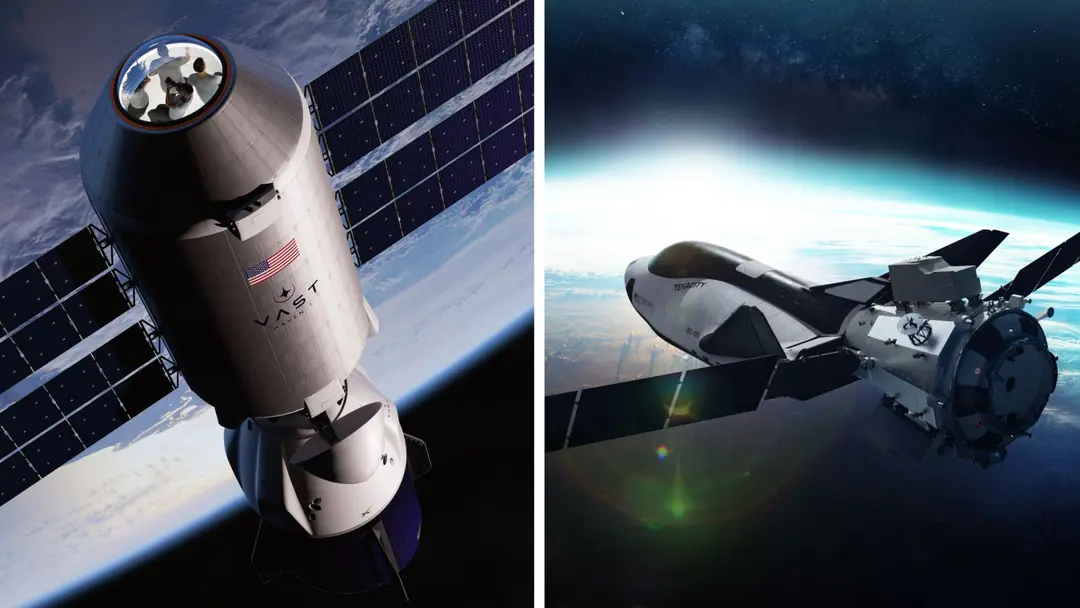
Another factor influencing the future of human spaceflight is the growing role of commercial companies. SpaceX, Blue Origin, and other private firms are rapidly developing spacecraft capable of carrying humans to low Earth orbit and potentially beyond.
NASA has already begun partnerships with these companies for orbital missions, cargo delivery, and lunar lander development. By outsourcing space travel to the private sector, NASA can focus on research, mission planning, and technological oversight while avoiding the high costs and risks of operating all human missions in-house.
This shift may result in a future where astronauts are increasingly employees of commercial companies rather than NASA, with the agency acting primarily as a regulator, customer, and coordinator. In that scenario, Artemis could become the last fully NASA-operated human mission beyond Earth orbit.
Political and Policy Considerations
Space exploration is also shaped by politics. Congressional support, international cooperation, and public opinion all influence NASA’s budget and mission priorities.
Artemis enjoys bipartisan support because of its symbolic and scientific value, but sustained political backing is uncertain. Changing administrations could prioritize robotic exploration, Mars precursor missions, or space-based scientific research over lunar landings.
If long-term funding for Artemis or similar programs declines, NASA may be forced to scale back human exploration in favor of missions that provide broader scientific return at lower cost. In that context, Artemis may represent the last mission of its kind under NASA’s direct control.
The Role of Robotic Missions
Robotic missions are becoming increasingly capable and cost-effective. NASA and other space agencies have launched a series of highly successful robotic probes to the Moon, Mars, and beyond.
Robotic spacecraft can operate in hazardous environments without risking human lives, carry out detailed scientific studies, and pave the way for future human exploration. As robotic capabilities improve, the rationale for sending astronauts into high-risk, high-cost missions diminishes.
Experts suggest that future lunar and deep-space exploration will likely be a hybrid model: robots conducting continuous research and infrastructure development, while human missions are infrequent, highly selective, and potentially commercially funded.
International Competition and Collaboration
Artemis is also shaped by global competition. China, Russia, and private companies in multiple countries are pursuing their own lunar and orbital programs. This competition creates both opportunities and pressures.
International collaboration may allow NASA to share costs and risks, but it also means that the United States may no longer be the sole leader in human spaceflight. Countries like China have demonstrated the ability to conduct lunar robotic missions and are planning crewed lunar operations. In a multipolar space environment, Artemis may serve as a final symbolic mission for NASA before commercial and international actors increasingly dominate human deep-space exploration.
Lessons from Apollo and Shuttle Programs
History provides perspective. The Apollo program successfully landed astronauts on the Moon, but its missions were politically motivated, costly, and ultimately unsustainable for long-term exploration. After Apollo, NASA focused on low Earth orbit operations and the Space Shuttle program.
Similarly, Artemis may mark the culmination of NASA’s direct human deep-space missions for the foreseeable future. Once the program achieves its scientific and exploratory objectives, the agency may transition to a supporting role, using commercial providers, international partners, and robotic systems to maintain a presence in space.
Potential Impact on Astronaut Careers
For NASA astronauts, Artemis represents the pinnacle of human spaceflight opportunities. Those selected for lunar missions may have the unique distinction of participating in humanity’s first sustained lunar presence.
However, if Artemis is indeed the last NASA-led deep-space mission for decades, future astronauts may spend the majority of their careers in low Earth orbit aboard the International Space Station or aboard commercial orbital platforms. While these missions remain scientifically valuable, they lack the historic significance and exploratory thrill of venturing beyond Earth orbit.
The Case for Sustainability
NASA has emphasized that Artemis is designed with sustainability in mind, focusing on reusable landers, modular habitats, and technologies that reduce reliance on Earth-based resupply. These efforts are intended to create a long-term infrastructure for lunar exploration.
Yet sustainability requires continuous investment. Without a long-term budget and political commitment, Artemis may remain an isolated series of missions rather than the foundation of permanent human presence on the Moon. This reality underscores why Artemis may end up being the last fully NASA-operated mission beyond Earth orbit.
Public Engagement and Inspiration
Despite the uncertainty about future missions, Artemis serves an important cultural and educational role. It inspires public interest in STEM, encourages innovation, and demonstrates the possibilities of human achievement in space.
Even if Artemis becomes the last NASA-led mission to the Moon for the foreseeable future, its legacy may persist through technological advancements, international partnerships, and commercial opportunities that build upon its achievements.
Conclusion
Artemis represents both a new era and potentially the final chapter of NASA’s direct human exploration beyond low Earth orbit. Budget constraints, technical challenges, the rise of commercial spaceflight, and political uncertainty all contribute to a future where human missions may become increasingly rare and privately operated.
While the Artemis missions will achieve historic milestones, establish a foundation for lunar presence, and inspire generations, they may also signal the end of an era in which NASA alone leads humanity beyond Earth orbit.
In the coming decades, deep-space exploration is likely to be a collaborative enterprise, combining government agencies, private companies, and international partners. Artemis may be remembered not only for its scientific achievements but also as the last mission in which NASA astronauts personally traveled beyond the confines of Earth orbit—a testament to human ambition and ingenuity in an era of transition.
Read Also: Keep your face towards the sunshine and shadows will fall behind you
Watch Also: https://www.youtube.com/@TravelsofTheWorld24





Leave a Reply