
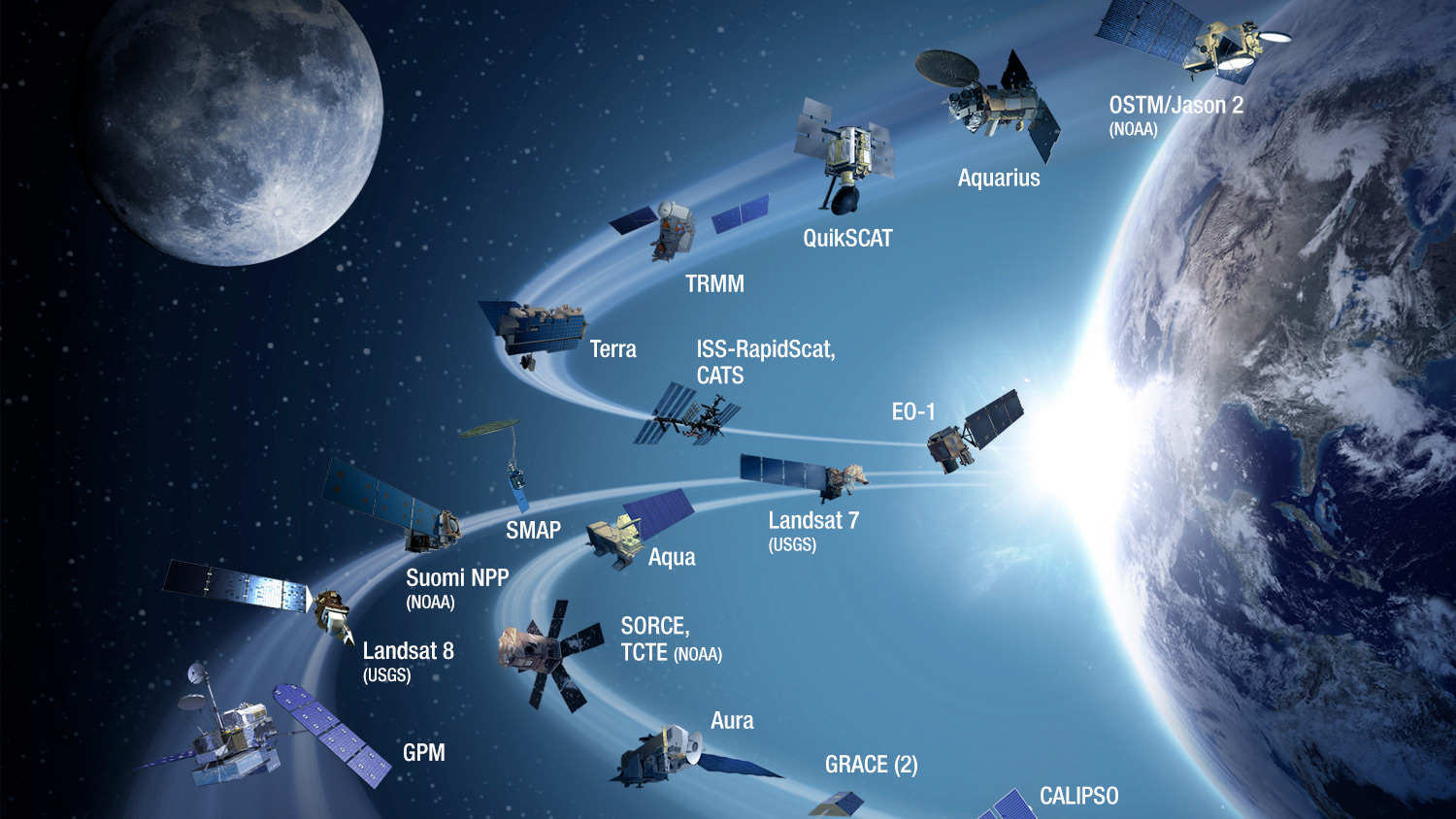
NASA has long been at the forefront of space exploration, not just beyond our planet but in understanding Earth itself. In recent years, the agency has launched several missions dedicated to monitoring and analyzing Earth’s complex systems. These missions provide unprecedented insight into climate change, natural disasters, atmospheric dynamics, and oceanic patterns. Now, NASA is set to highlight the results from its latest Earth-focused missions, offering scientists, policymakers, and the public a deeper understanding of the challenges and opportunities our planet faces.
The Importance of Earth Observation Missions
Earth observation missions are critical for multiple reasons:
-
Climate Monitoring: Accurate data on temperature changes, ice sheet dynamics, and greenhouse gas concentrations help track climate change.
-
Disaster Management: Real-time monitoring of hurricanes, wildfires, and floods enables faster response and mitigation.
-
Environmental Protection: Tracking deforestation, urbanization, and water quality assists in sustainable planning.
-
Scientific Discovery: Understanding Earth systems improves models of weather, ecosystems, and ocean currents.
By leveraging satellites and airborne instruments, NASA can observe Earth from multiple perspectives, offering a holistic view of its interconnected systems.
Key Recent Earth Missions
NASA has recently launched several high-profile missions aimed at studying Earth in detail. These include:
1. Earth System Observatory (ESO)
The Earth System Observatory is a next-generation initiative designed to integrate multiple satellite missions into a comprehensive view of Earth’s climate and environmental systems. By collecting high-resolution data on land, ocean, atmosphere, and ice, the ESO provides a unified platform for understanding Earth’s complex processes.
-
Key Goals: Measure atmospheric composition, monitor ocean health, track ice sheet changes, and observe terrestrial ecosystems.
-
Instruments: Advanced spectrometers, LIDAR systems, and radar altimeters.
-
Impact: Enables improved climate models and more accurate predictions of natural disasters.
2. ICESat-2 (Ice, Cloud, and land Elevation Satellite-2)
ICESat-2 continues NASA’s commitment to monitoring Earth’s cryosphere. Launched to measure ice sheet thickness, sea ice, and land elevation changes, ICESat-2 helps track how melting glaciers and ice sheets affect sea-level rise.
-
Key Achievements:
-
Accurate measurement of polar ice thickness.
-
Detection of changes in Greenland and Antarctic ice sheets.
-
Improved understanding of how ice loss contributes to global sea-level rise.
-
3. OCO-3 (Orbiting Carbon Observatory-3)
Understanding carbon dioxide levels in Earth’s atmosphere is crucial for climate science. OCO-3 focuses on monitoring CO₂ concentrations, providing insights into human impact and natural carbon cycles.
-
Key Achievements:
-
Detailed mapping of urban CO₂ emissions.
-
Data to refine carbon budget estimates.
-
Support for policy decisions aimed at reducing greenhouse gas emissions.
-
4. NISAR (NASA-ISRO Synthetic Aperture Radar)
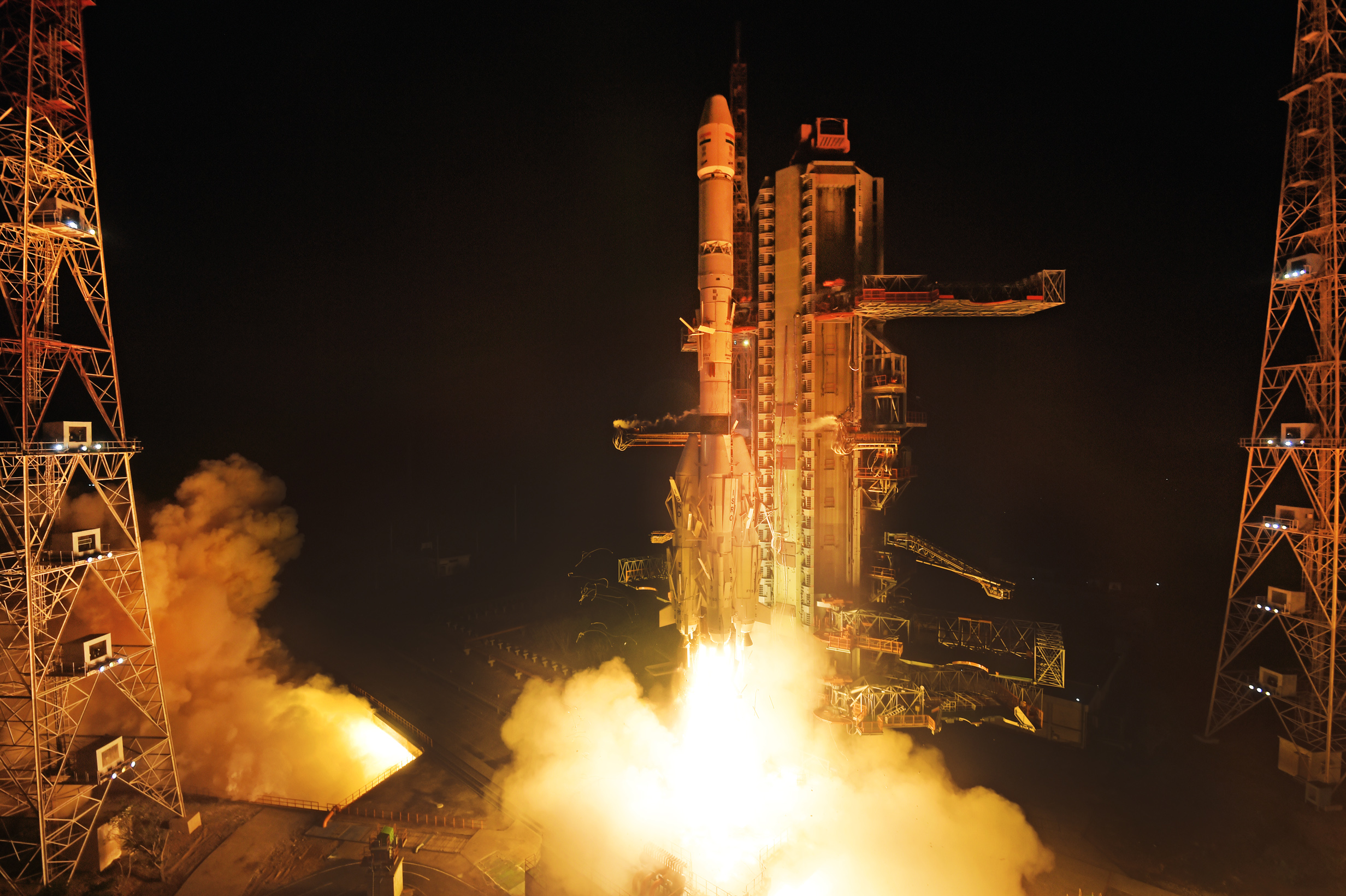
NISAR, a joint mission between NASA and the Indian Space Research Organisation (ISRO), is a dual-frequency radar satellite designed to observe Earth’s surface dynamics.
-
Key Goals:
-
Track earthquakes, landslides, and glacier movement.
-
Monitor deforestation and land-use changes.
-
Measure soil moisture and flood dynamics.
-
By combining NASA’s expertise with ISRO’s technological capabilities, NISAR provides high-resolution radar data that penetrates clouds and darkness, enabling continuous observation.
5. TEMPO (Tropospheric Emissions: Monitoring of Pollution)
TEMPO focuses on air quality monitoring across North America, tracking pollutants like nitrogen dioxide, ozone, and aerosols. This mission enhances understanding of pollution sources, transport, and seasonal variations.
-
Key Contributions:
-
Identification of urban pollution hotspots.
-
Support for environmental regulations and public health policies.
-
Real-time monitoring to guide disaster and wildfire response.
-
How NASA Highlights Results
NASA employs multiple strategies to share the results of its Earth missions:
-
Scientific Publications: Data from satellites and instruments are published in peer-reviewed journals for the global scientific community.
-
Public Reports: NASA releases accessible summaries and visualizations for policymakers, educators, and the general public.
-
Interactive Platforms: Tools like NASA Worldview allow users to explore satellite imagery and track environmental changes in near real-time.
-
Conferences and Briefings: NASA hosts events where scientists present findings, often including live demonstrations and updates on new discoveries.
By combining transparency and accessibility, NASA ensures that its Earth observation missions benefit society broadly, from scientists to students to community leaders.
Impacts on Climate Science
NASA’s Earth observation missions have a direct and measurable impact on climate science:
-
Improved Climate Models: High-resolution data improves predictions of temperature rise, precipitation changes, and extreme weather events.
-
Sea-Level Monitoring: ICESat-2 and NISAR provide data critical for understanding global sea-level trends.
-
Carbon Tracking: OCO-3 offers detailed CO₂ monitoring, essential for assessing climate mitigation strategies.
-
Wildfire and Pollution Response: TEMPO and other missions provide near real-time air quality and fire data for emergency response.
By providing accurate and timely information, these missions empower scientists to make informed predictions about Earth’s future.
Supporting Disaster Preparedness
NASA’s satellites play a pivotal role in disaster management:
-
Hurricane Tracking: Satellites measure wind speed, rainfall, and storm surge potential.
-
Wildfire Monitoring: Thermal imaging and aerosol detection help track wildfire intensity and spread.
-
Flood Management: Radar altimetry and soil moisture data aid in predicting and responding to floods.
-
Earthquake and Landslide Assessment: NISAR detects subtle ground movements that precede seismic or landslide events.
This data not only helps governments and communities prepare for natural disasters but also guides humanitarian response and relief efforts.
Enhancing Environmental Policies
Beyond scientific research, NASA’s Earth mission results influence environmental policies:
-
Urban Planning: Data on heat islands, air quality, and land use informs sustainable city planning.
-
Agriculture: Satellite imagery guides water management, crop monitoring, and soil conservation.
-
Forestry: Observations of deforestation and reforestation help shape conservation initiatives.
-
Climate Agreements: Global monitoring of greenhouse gases supports international climate agreements like the Paris Accord.
In this way, NASA’s Earth-focused missions serve as a bridge between science and actionable policy.
Education and Public Engagement
NASA also prioritizes public understanding of Earth systems:
-
Online Learning Platforms: Interactive websites and apps educate students about climate, oceans, and atmospheric science.
-
Citizen Science Initiatives: Programs like GLOBE Observer allow the public to contribute observations that complement satellite data.
-
Visualization Tools: Satellite imagery and 3D models make complex Earth processes accessible to everyone.
This outreach ensures that the knowledge generated by NASA’s missions reaches beyond laboratories and classrooms.
Looking Ahead: Future Earth Missions
NASA continues to expand its Earth observation capabilities:
-
PACE (Plankton, Aerosol, Cloud, ocean Ecosystem): Focused on ocean health, aerosols, and cloud properties.
-
SMAP (Soil Moisture Active Passive): Tracks soil moisture and freeze-thaw cycles for agriculture and hydrology.
-
ECOSTRESS (ECOsystem Spaceborne Thermal Radiometer Experiment on Space Station): Monitors plant water use and stress globally.
These future missions promise to refine our understanding of Earth’s systems, providing actionable data for climate mitigation, resource management, and environmental protection.
Conclusion
NASA’s dedication to understanding Earth has never been more critical. From monitoring ice sheets and greenhouse gases to tracking natural disasters and environmental changes, the agency’s latest missions offer unprecedented insight into our planet’s health. By highlighting these results, NASA empowers scientists, policymakers, and the public to make informed decisions for a sustainable future.
The integration of advanced technology, global collaboration, and public engagement ensures that NASA’s Earth observation missions remain at the forefront of environmental science. As these missions continue to deliver vital data, they reinforce the importance of investing in Earth science and understanding the intricate systems that sustain life on our planet.
In essence, NASA’s Earth missions are not just about observing our planet—they are about protecting it, ensuring that future generations inherit a world that is understood, valued, and cared for.
Read Also: Keep your face towards the sunshine and shadows will fall behind you
Watch Also: https://www.youtube.com/@TravelsofTheWorld24






Leave a Reply