
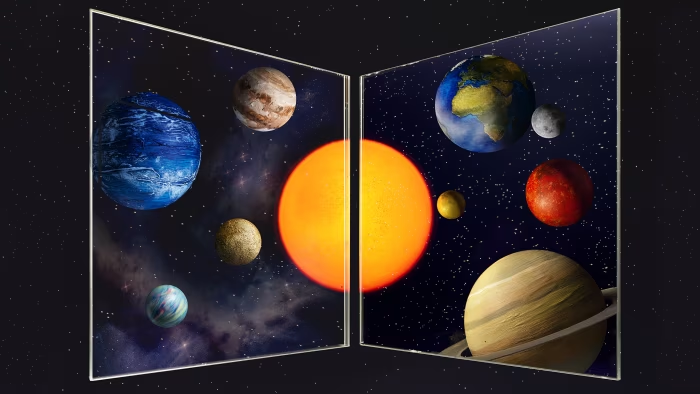
humans have gazed at the night sky, wondering if we are alone in the universe. Earth is unique in that it harbors life in astonishing diversity, from microscopic bacteria to complex mammals. But is Earth the only living planet? Or could life exist elsewhere, hidden on distant worlds waiting to be discovered? Recent advances in astronomy, planetary science, and astrobiology suggest that life beyond Earth is possible, though as of now, Earth remains the only confirmed planet with living organisms.
Why Earth Supports Life
Earth’s ability to sustain life is the result of several unique factors that create a delicate balance of conditions:
-
Distance from the Sun (Habitable Zone): Earth resides in the “Goldilocks Zone,” where temperatures are neither too hot nor too cold, allowing liquid water to exist.
-
Atmosphere: Earth’s atmosphere contains oxygen, nitrogen, and trace gases that protect life from harmful radiation and maintain a stable climate.
-
Magnetic Field: The planet’s magnetic field shields the surface from solar and cosmic radiation, preventing atmospheric erosion.
-
Water Availability: Oceans, rivers, and lakes provide a medium for chemical reactions essential for life.
-
Geological Activity: Plate tectonics recycle nutrients, regulate the climate, and help maintain Earth’s habitability.
These conditions combine to create a stable environment that can support a wide variety of life forms, from extremophiles thriving in volcanic vents to tropical rainforest species.
The Search for Life Beyond Earth
Astronomers and astrobiologists have been searching for signs of life elsewhere for decades. The search focuses on three main strategies:
1. Studying Other Planets and Moons in Our Solar System
Several celestial bodies are considered potential habitats for life:
-
Mars: Evidence suggests Mars once had liquid water on its surface. Scientists look for microbial life in underground aquifers and ancient lakebeds.
-
Europa (Moon of Jupiter): Europa has a subsurface ocean beneath an icy crust, potentially harboring microbial life.
-
Enceladus (Moon of Saturn): Water geysers and organic molecules detected by the Cassini spacecraft indicate a subsurface ocean with chemical energy sources.
-
Titan (Moon of Saturn): Titan has liquid methane and ethane lakes, offering a potential alternative chemistry for life.
These moons demonstrate that habitable conditions may exist even beyond Earth, though no direct evidence of life has yet been found.
2. Searching for Exoplanets
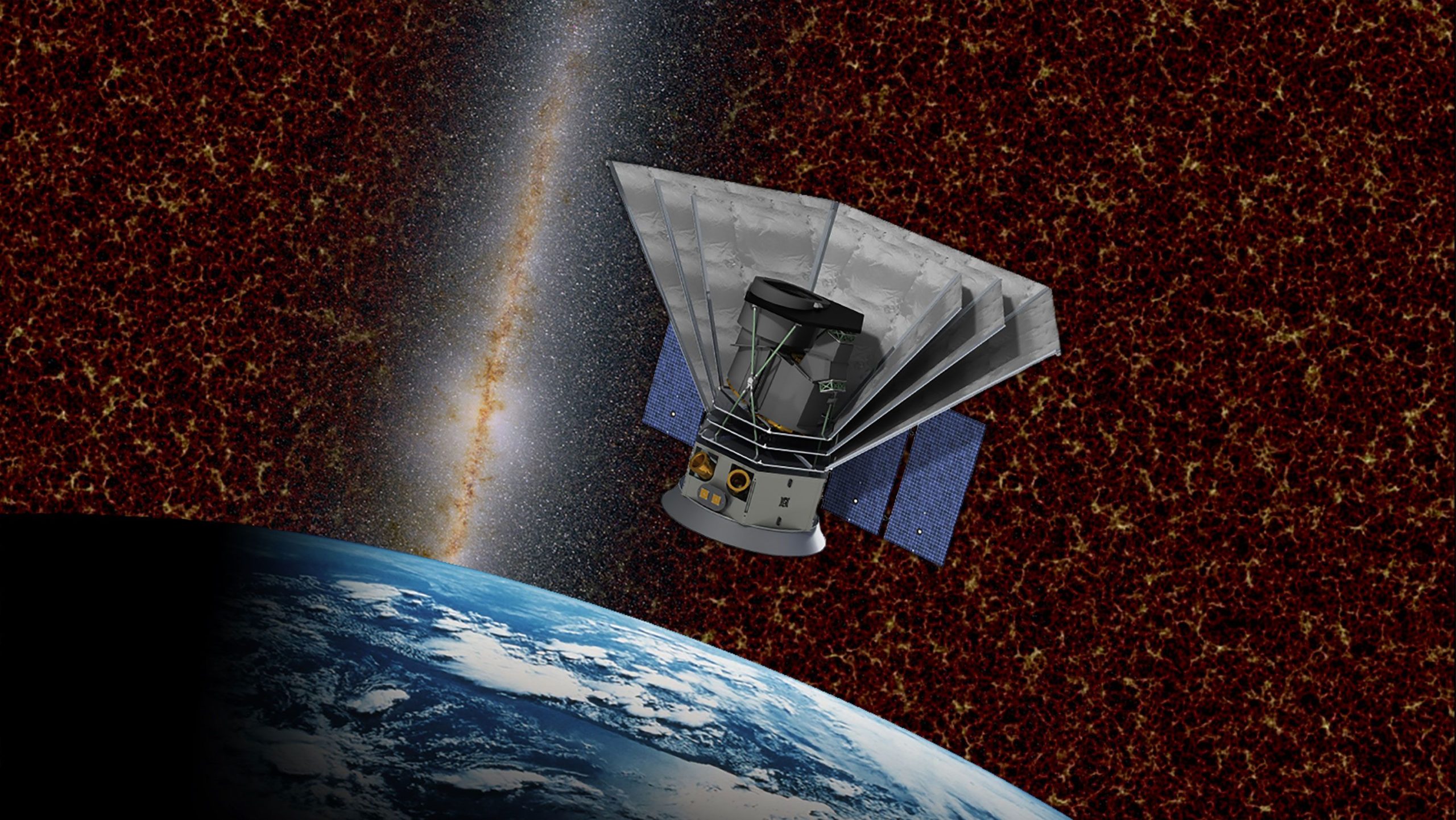
Advances in telescope technology, such as NASA’s Kepler Space Telescope and the Transiting Exoplanet Survey Satellite (TESS), have identified thousands of exoplanets. Scientists focus on:
-
Planets in the Habitable Zone: Exoplanets located at distances from their stars that allow liquid water.
-
Earth-Like Planets: Rocky planets with similar size and composition to Earth.
-
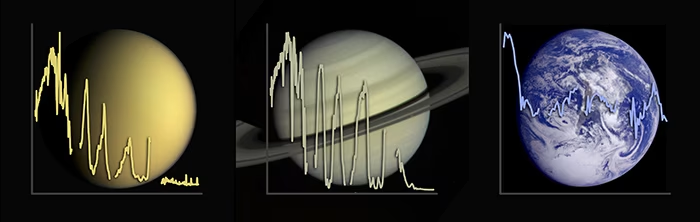
Atmospheric Analysis: Spectroscopy can detect chemical signatures like oxygen, methane, or water vapor, which may indicate biological activity.
Examples of potentially habitable exoplanets include Kepler-452b, Proxima Centauri b, and the TRAPPIST-1 system, which contains several Earth-sized planets in the habitable zone.
3. Searching for Technosignatures
Beyond biology, scientists also look for signs of advanced civilizations, such as:
-
Radio signals or electromagnetic waves that are unlikely to be natural.
-
Megastructures or planetary engineering detectable via light patterns or energy output.
-
Chemical imbalances in exoplanet atmospheres that suggest industrial activity.
Projects like SETI (Search for Extraterrestrial Intelligence) continue to scan the cosmos for such technosignatures.
Challenges in Detecting Life
While the possibility of extraterrestrial life is tantalizing, several challenges make detection difficult:
-
Vast Distances: Most exoplanets are light-years away, making direct observation challenging.
-
Diverse Life Forms: Life may exist in forms drastically different from terrestrial life, making it hard to recognize.
-
Atmospheric and Surface Limitations: Cloud cover, radiation, and distance limit our ability to study exoplanetary surfaces and atmospheres.
-
Time Scale: Civilizations or life forms may appear and disappear over millions of years, so overlapping timelines with Earth may be rare.
Despite these obstacles, scientists remain optimistic, using sophisticated telescopes, space probes, and computational models to explore potential habitats.
Extremophiles and Life’s Flexibility
Life on Earth demonstrates remarkable adaptability, which broadens the possible conditions for life elsewhere. Extremophiles thrive in environments once thought uninhabitable:
-
Thermophiles: Live in hydrothermal vents and hot springs.
-
Acidophiles: Survive in highly acidic environments.
-
Psychrophiles: Thrive in icy regions and frozen lakes.
-
Anaerobes: Can live without oxygen.
The existence of extremophiles suggests that life could potentially survive in environments very different from Earth’s surface conditions, such as subsurface oceans on Europa or Titan’s methane lakes.
The Fermi Paradox
Despite the high probability of habitable planets in the galaxy, we have no confirmed evidence of extraterrestrial life. This discrepancy is known as the Fermi Paradox, which raises questions such as:
-
If life is common, why haven’t we detected it?
-
Are civilizations too far apart in space and time to communicate?
-
Do advanced civilizations self-destruct before becoming detectable?
The Fermi Paradox highlights both the vastness of the universe and the difficulty in proving life exists elsewhere.
The Drake Equation
The Drake Equation, formulated by Frank Drake in 1961, estimates the number of active, communicative extraterrestrial civilizations in the Milky Way. It considers factors such as:
-
Rate of star formation
-
Fraction of stars with planets
-
Number of habitable planets per star
-
Fraction of planets where life develops
-
Fraction of life that evolves into intelligent civilizations
While the equation is speculative, it demonstrates that the universe contains billions of stars with planets, many of which could potentially host life.
Recent Discoveries and Hope
Recent research offers hope for finding life beyond Earth:
-
Water in Exoplanet Atmospheres: Detection of water vapor in some exoplanet atmospheres is promising for habitability.
-
Organic Molecules in Space: Complex carbon-based molecules, essential for life, have been detected in comets, meteorites, and interstellar clouds.
-
Subsurface Oceans: Moons like Europa and Enceladus demonstrate that oceans can exist beneath ice, providing environments where life might exist independently of sunlight.
These discoveries suggest that Earth-like conditions may not be unique, increasing the likelihood that life exists elsewhere.
Philosophical and Scientific Implications
If life is found beyond Earth, the implications are profound:
-
Scientific: It would revolutionize biology, astronomy, and planetary science, providing insight into how life originates and evolves.
-
Philosophical: Discovering life elsewhere would challenge humanity’s sense of uniqueness and our place in the cosmos.
-
Technological: Understanding extraterrestrial life could inspire innovations in exploration, bioengineering, and sustainability.
Even the possibility of microbial life on other planets or moons would have significant implications for science and society.
Conclusion
Earth remains the only confirmed living planet, home to billions of species and countless ecosystems. Its unique combination of distance from the Sun, atmospheric composition, water availability, and geological activity makes it ideal for life. Yet, discoveries in our Solar System and beyond suggest that habitable environments exist elsewhere, from subsurface oceans on icy moons to Earth-sized exoplanets in the habitable zones of distant stars.
The search for extraterrestrial life continues to be a major focus of science. Advances in telescope technology, space probes, and computational modeling bring us closer to answering the age-old question: Are we alone in the universe? While we have yet to find definitive evidence of life beyond Earth, the vastness and diversity of the cosmos make it increasingly unlikely that Earth is the only living planet.
Until then, Earth remains our singular cradle of life, a planet teeming with biological richness and complexity that continues to inspire exploration and wonder. The quest to discover life elsewhere reminds us that the universe is not only vast but full of mysteries waiting to be uncovered.
Read Also: Keep your face towards the sunshine and shadows will fall behind you
Watch Also: https://www.youtube.com/@TravelsofTheWorld24






Leave a Reply