
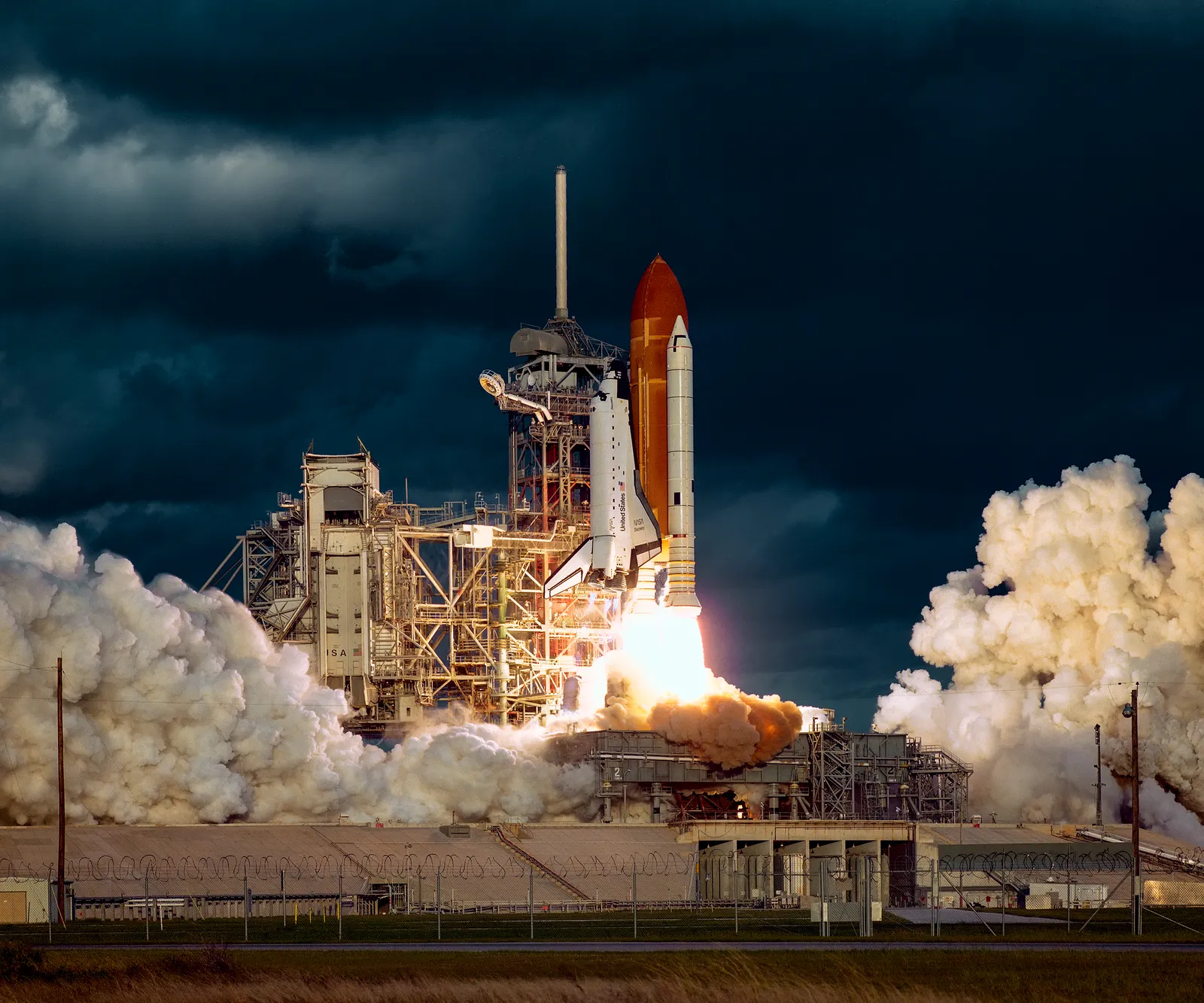
From the earliest days of the space race to today’s missions to the Moon, Mars, and beyond, NASA has done more than conduct science — it has masterfully shaped public imagination. The agency didn’t just launch rockets; it launched a vision: a mix of scientific wonder, national pride, adventure, and glamour. This piece explores how NASA turned its missions into a cultural phenomenon, combining scientific ambition with powerful storytelling to win hearts, minds, and even funding.
The Challenge: Selling an Expensive, Audacious Dream
Space travel is expensive, risky, and — for much of history — only marginally practical. Convincing the public and policymakers to back it required more than engineering. It required narrative.
Space Race in the mid‑20th century was as much a battle for global prestige as a quest for exploration. For NASA, success meant proving that sending humans beyond Earth was not only technically possible but also meaningful — a statement about human ambition, national prowess, scientific leadership, and collective identity.
But how to shift people from skepticism (rockets crashing, bills rising, abstract costs) to support, pride, and wonder? NASA responded with a strategic blend of storytelling, media relations, art, and public outreach — turning rockets and labs into symbols of hope and adventure.
Storytelling & Media: Astronauts as Heroes, Missions as Epic Narratives
One of the cornerstones of NASA’s public success was how it presented astronauts and missions to the public. Rather than mere engineers and scientists, astronauts became heroes — explorers venturing where no one had gone before. Their stories, struggles, triumphs, and even fears were communicated widely to build emotional investment.
Key strategies included:
-
High‑profile media coverage: Launches, moon landings, spacewalks — all presented live or through vivid images and broadcasts. This made space travel real, immediate, and emotionally powerful.
-
Narratives of competition and accomplishment: Beating other nations in the Space Race was framed as national achievement — reinforcing collective identity and pride.
-
Humanizing astronauts and their families: NASA often highlighted the personal side — families, backgrounds, human emotions — to help ordinary people see astronauts as relatable, admirable individuals.
All of this turned missions into stories: journeys with protagonists, stakes, suspense, and triumphs — perfect for public consumption.
Art, Culture & Public Outreach: Elevating Space Into a Shared Dream
NASA’s appeal wasn’t built only on science or engineering — it embraced art, culture, and creativity to give space travel aesthetic and symbolic weight. A key initiative in this domain is the NASA Art Program, established in 1962.
What the NASA Art Program did:
-
Commissioned renowned artists to document launches, missions, astronaut training, and everyday life at NASA — through paintings, sketches, prints, and exhibitions.
-
Presented space exploration as not just technical achievement, but as a human, cultural, even spiritual endeavor — accessible to people who might not be scientists.
-
Built a vast archive (thousands of works) that helped cement space travel in public consciousness — not as distant science, but as part of human heritage.
Combined with media narratives, art made NASA’s missions not only believable — but desirable, even inspirational.
Public Relations, Messaging & National Identity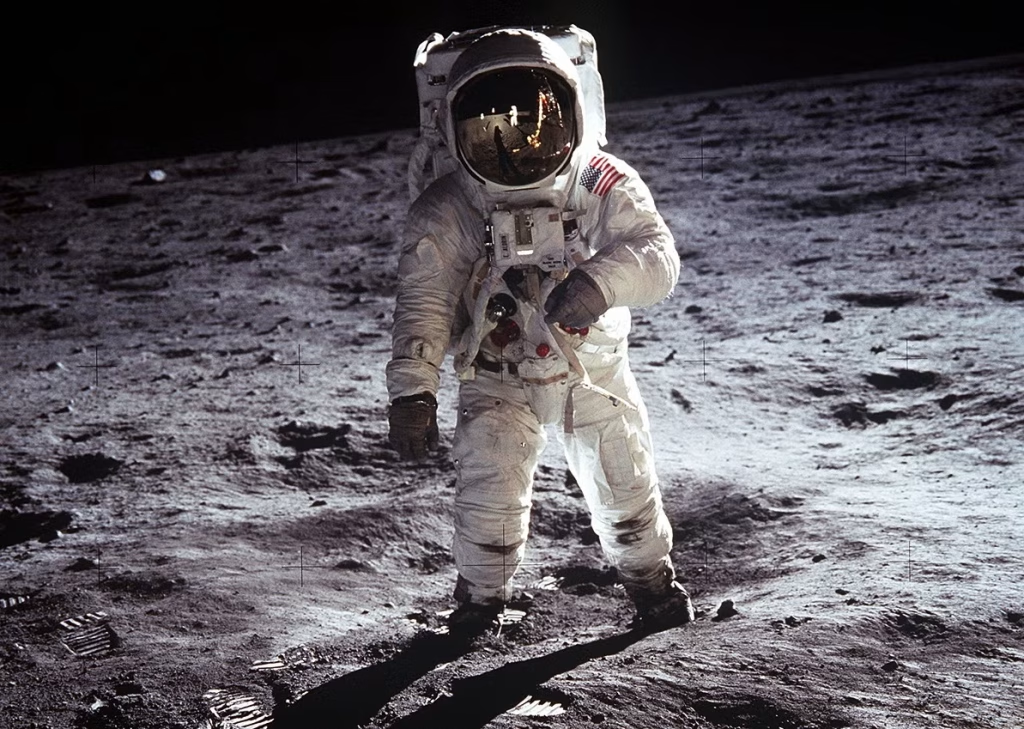
Behind the glamour, NASA used a disciplined, strategic approach to cultivate support:
-
Their public‑affairs teams managed media access carefully, coached astronauts and spokespeople on soundbites, and shaped talking points for interviews or press events.
-
They crafted messaging around three core themes: national pride (prestige, strength), romanticism (adventure, frontier spirit), and pragmatism (scientific payoff, economic and educational benefits).
-
By aligning the country’s ambitions with the idea of reaching space — a frontier of human potential — NASA turned what might have been seen as costly extravagance into an act of national importance.
This narrative made space travel a collective dream, rather than just a specialized scientific pursuit.
Engaging the Public Directly: Social Media, Participation & Outreach
As times changed and media evolved, NASA adapted. They embraced newer tools to broaden reach and deepen engagement.
-
The program NASA Social (formerly “Tweetups”), launched in 2009, brought enthusiasts — including influencers, educators, content creators — physically to NASA centers, events, launches. Guests got VIP-like access and training, and were encouraged to share their experiences widely.
-
Through social media, live streaming, mission updates, and interactive campaigns, NASA transformed space missions from remote scientific events into shared global experiences. Fans, students, children — all could follow progress, ask questions, feel part of the mission.
-
Educational outreach initiatives and public engagement campaigns helped translate complex science into accessible storytelling — sparking imagination and interest, especially among young people and future generations.
This helped sustain public fascination even as decades passed and the novelty of space exploration could have faded.
Balancing Science With Glamour — Why Both Were Necessary
If NASA had focused only on pure science — data, research papers, technical briefings — it likely wouldn’t have captured the same public imagination. Space travel is costly, risky, abstract. Without a compelling broader story, it might have remained niche.
By combining scientific ambition with emotional narrative, cultural appeal, national symbolism, and human drama, NASA created something far more powerful — a movement.
This balance ensured:
-
Public support and funding: People felt invested in missions, proud of achievements, supportive of budgets.
-
Inspiration: For generations, children and young adults saw space as achievable, not just for a few.
-
Sustainability: Even when technical setbacks happened, the narrative — of exploration, adventure, human progress — helped maintain interest and support.
In short: science provided the reason; storytelling provided the reason to care.
Challenges, Critiques and Realities
Of course, this “selling of glamour” was not without its tensions:
-
Space missions remained expensive, and as ambitions grew (e.g. Moon landings, space shuttles, Mars plans), the cost-benefit balance has often been questioned. The glamour helped deflect scrutiny, but couldn’t remove real economic and ethical questions.
-
As media matured, skepticism and critique emerged — movies, books, critics raised doubts about overblown promises, environmental costs, political motivations.
-
The tension between idealistic vision (space as human destiny) and pragmatic concerns (budget, risk, geopolitics, science priorities) remained — with public perception often swinging based on success or failure.
Thus, for NASA and any space‑faring agency, maintaining the balance between inspiration and realism has been a continual challenge.
Legacy: How NASA Changed the Way the World Sees Space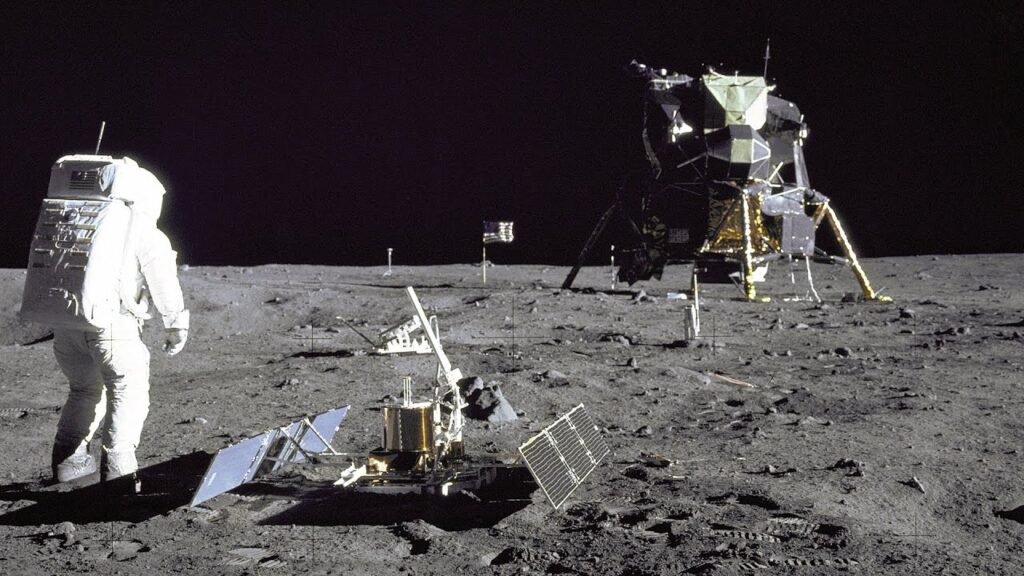
Because of NASA’s approach:
-
Space travel moved from being a fringe scientific pursuit to part of global popular culture — inspiring films, books, art, education, media.
-
The concept of “exploring beyond Earth” became part of our collective identity — for many around the world, not just Americans.
-
Investment in science, STEM education, public fascination with space grew — leading to future generations of scientists, engineers, dreamers.
-
The framework NASA used — art + media + outreach + science — became a model for modern scientific communication and public engagement.
In effect, NASA didn’t just send rockets upward — it lifted human imagination.
Conclusion: More Than Rockets — NASA’s Masterclass in Selling a Dream
The history of NASA is as much a story of human narrative as of rocket science. By blending scientific ambition with glamour, culture, storytelling, and public outreach, NASA turned space travel from a technological feat into a universal dream.
It convinced us that space isn’t just about gravity or vacuum — it’s about possibility, identity, wonder, human values.
For any organization seeking to inspire, educate, or mobilize public support — in science, social causes, or innovation — NASA’s history provides a powerful lesson: facts inform, but stories move.
Read Also: Keep your face towards the sunshine and shadows will fall behind you
Watch Also: https://www.youtube.com/@TravelsofTheWorld24






Leave a Reply