
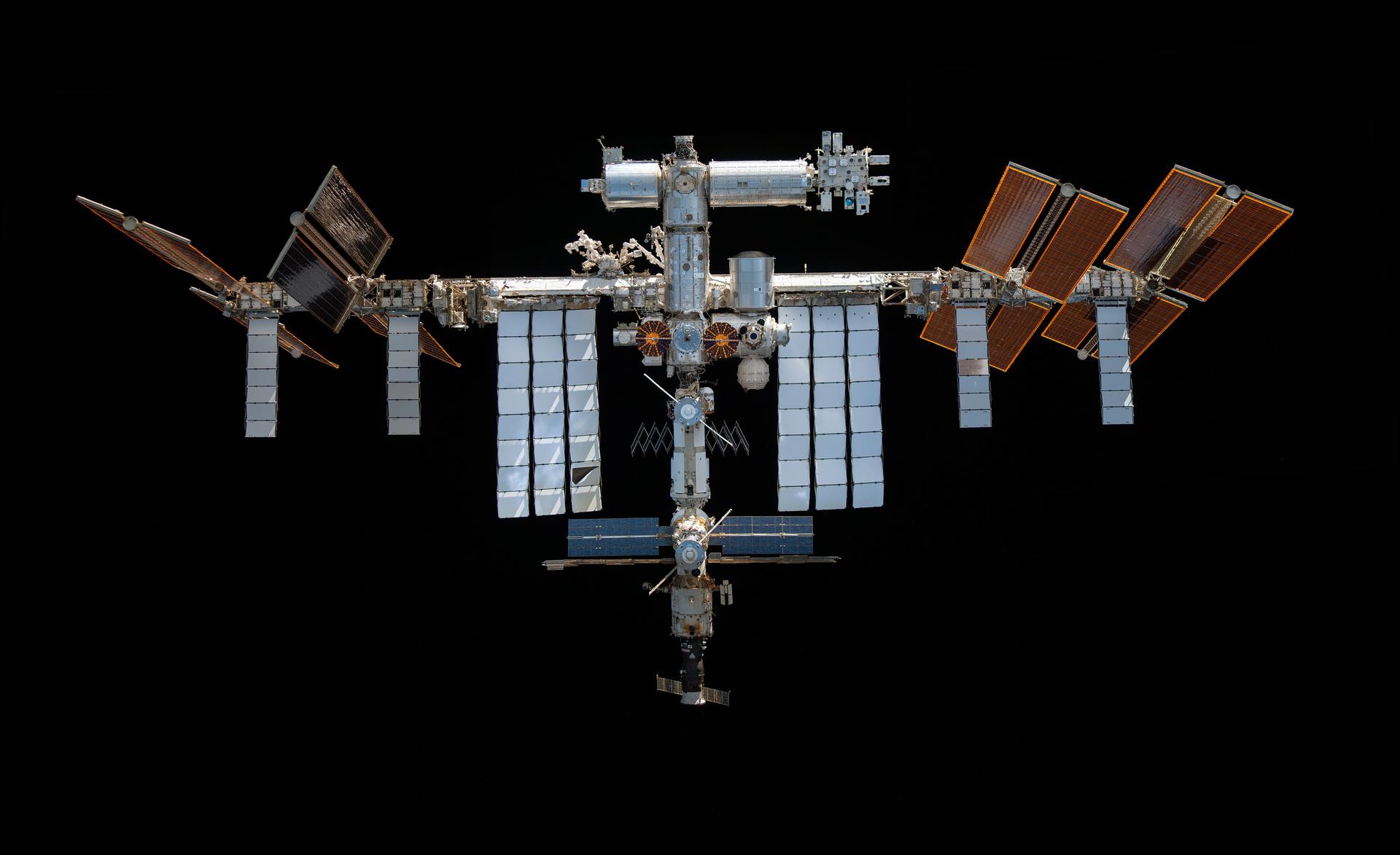
How NASA Is Advancing Plans to Deliver Video From the International Space Station and the Moon
For decades, NASA has pushed the boundaries of communication technology, enabling scientists and the public to witness humanity’s achievements beyond Earth. From the first grainy images of Apollo astronauts walking on the Moon to stunning high-definition videos of life aboard the International Space Station (ISS), space-based communication continues to evolve. Today, NASA is entering a new era—an era defined by ultra-high-resolution video, laser-based communication, and real-time data transmission from the ISS, lunar orbit, and even the surface of the Moon.
NASA is now accelerating plans to deliver faster, clearer, and more reliable video from space than ever before. This technological leap is essential not just for public engagement but for scientific research, astronaut safety, and future missions to Mars. Whether it’s astronauts conducting experiments in microgravity or robotic explorers operating in harsh lunar environments, NASA’s new communication technologies promise to connect Earth and space in ways previously unimaginable.
Why Space Video Transmission Must Evolve
Transmitting video from low-Earth orbit or the Moon is not as simple as sending a signal from one satellite to another. Challenges include:
-
Distance — the Moon is 384,000 km from Earth
-
Weak signals — radio waves spread out and lose strength
-
Interference — from space radiation, solar storms, and spacecraft hardware
-
Limited bandwidth — restricting video quality and real-time communication
In the past, NASA used traditional radio frequency (RF) systems to send video from space. While effective, RF systems have bandwidth limitations. A clearer video demands more data, which in turn requires a faster communication pipeline.
To overcome these limits, NASA is turning to optical (laser) communication, advanced compression techniques, and new relays that dramatically increase the flow of information between Earth and space.
Laser Communications: NASA’s Next Big Leap
One of the most transformative innovations is NASA’s laser-based communication system, capable of transmitting information at unprecedented speeds. Instead of radio waves, laser systems use concentrated beams of light to send data.
NASA’s optical communication technology can transmit:
-
Ultra-high-definition video
-
Large science datasets
-
High-resolution images
-
3D mapping files from lunar missions
Laser systems have two major advantages:
1. Higher Data Rates
Laser links offer 10 to 100 times the data rate of radio-based systems. This means more video, clearer images, and faster transmission.
2. Reduced Interference
Laser beams are narrow and precise, reducing the risk of interference and boosting signal reliability.
NASA has already tested several laser systems:
-
Lunar Laser Communication Demonstration (LLCD)
-
Laser Communications Relay Demonstration (LCRD)
-
TeraByte InfraRed Delivery (TBIRD)
These missions proved that laser communications can function reliably in space, even at extremely high data rates.
How NASA Is Upgrading the ISS Video System
The International Space Station remains NASA’s most active testing platform for communication technology. With crews continuously rotating and hundreds of scientific experiments performed yearly, delivering high-quality video from the ISS is essential.
NASA’s new upgrades include:
1. Enhanced High-Definition Cameras
The ISS now uses upgraded 4K and 8K cameras that capture:
-
Scientific experiments
-
Earth imagery
-
Astronaut training and maintenance work
-
Public outreach content
These cameras feed directly into NASA’s communication network.
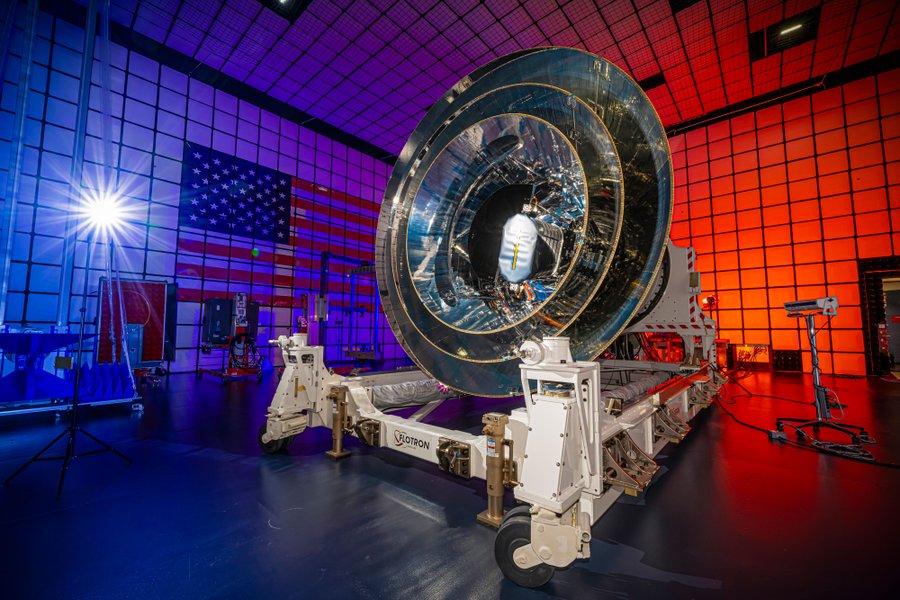
2. Laser Communication Terminals
NASA is installing optical communication terminals aboard the ISS to test long-term laser-based video transmission.
3. Advanced Compression Software
With limited space bandwidth, NASA uses cutting-edge compression that reduces file size while maintaining image clarity—especially important for live streaming.
The Moon: The Next Frontier for Live Video
NASA’s Artemis program marks the return of humans to the Moon, and with it comes the need for advanced communication networks that can support live video from:
-
Lunar orbit
-
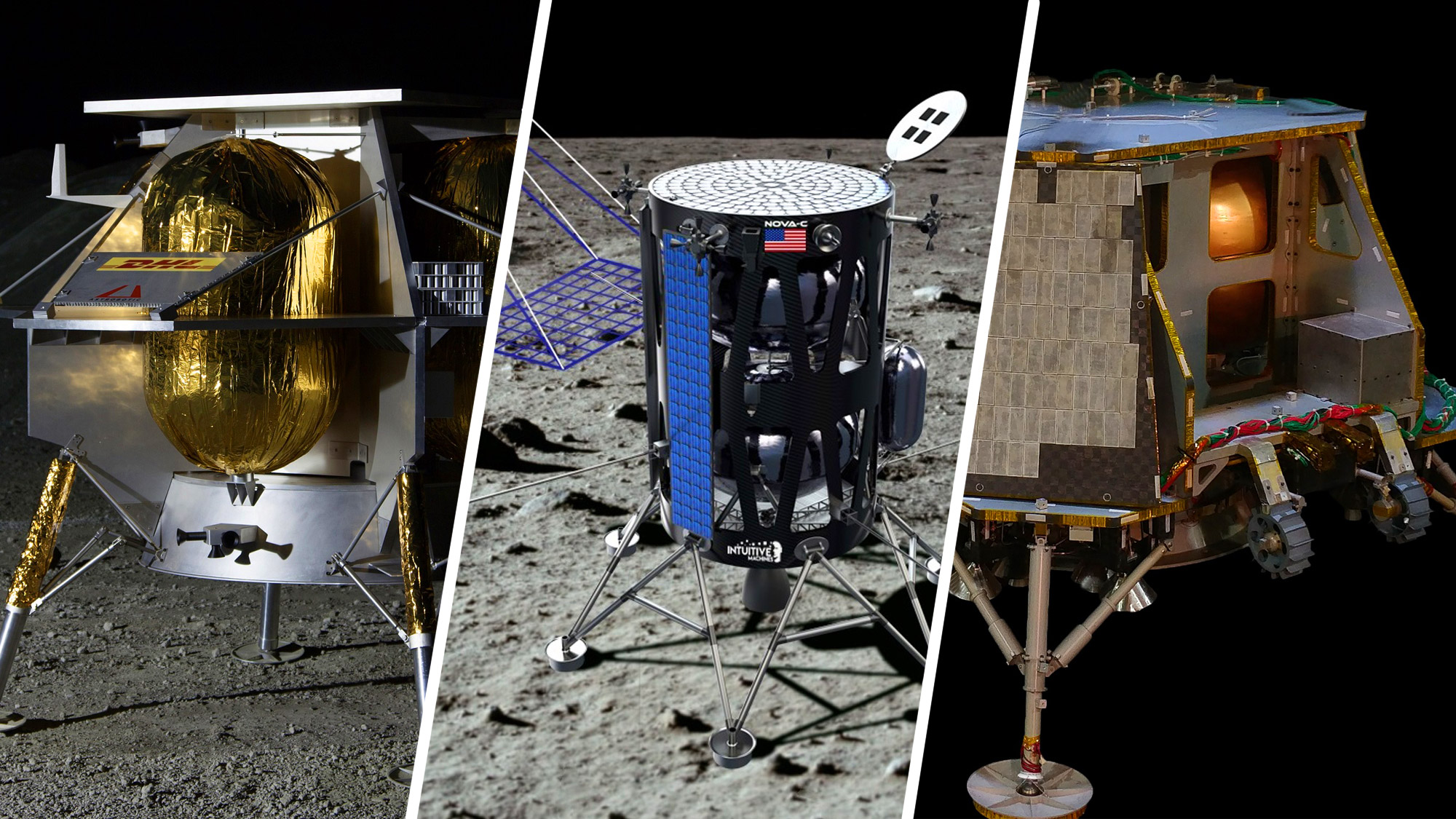
Lunar landers
-
Surface rovers
-
Astronauts working at the south pole
But the Moon presents unique challenges:
-
Deep shadows at the poles
-
Extreme temperatures
-
Massive distances
-
Lack of relay satellites
To address these issues, NASA is building a robust communication structure.
NASA’s Lunar Communications Roadmap
NASA’s communications strategy for the Moon includes several new systems and architecture components designed to ensure that video from the lunar surface reaches Earth clearly and reliably.
1. LunaNet: A Lunar Internet
LunaNet is NASA’s vision of a solar system internet, providing:
-
Networked communication nodes
-
GPS-like navigation on the Moon
-
Local lunar Wi-Fi for astronauts and robots
-
High-speed data relay to Earth
LunaNet enables video streaming and data transfer from multiple lunar locations.
2. Lunar Relay Satellites
NASA plans to deploy relay satellites in lunar orbit to:
-
Capture signals from astronauts
-
Relay them to Earth
-
Keep communication working even when astronauts are in shadowed regions
These satellites will carry both RF and optical systems.
3. Surface Communication Infrastructure
Future missions will place:
-
Towers
-
Antennas
-
Laser terminals
-
Mobile relays on rovers
This network will allow near real-time transmission of lunar video.
Artemis Missions: Transforming Moon-to-Earth Video
Under Artemis, NASA will install advanced communication systems on:
-
The Gateway lunar space station
-
Human landing systems
-
Lunar rovers
-
The Artemis base camp
These systems will support:
-
Live astronaut EVA (spacewalk) video
-
High-speed rover camera feeds
-
Real-time hazard monitoring
-
Telemedicine support
-
Scientific documentation in 4K and 8K
For the first time, people on Earth will see the Moon in unmatched clarity.
The Role of Commercial Partnerships
NASA is working with several commercial partners to accelerate communication technologies, including companies specializing in:
-
Satellite communication
-
Optical networking
-
Lunar relay infrastructure
-
Deep-space communication
These collaborations mirror NASA’s successful public-private partnerships that brought commercial cargo and crew services to the ISS.
Real-Time Video for Space Science and Safety
Improved video transmission is not just for public outreach—it’s vital for mission safety and scientific accuracy.
1. Astronaut Safety
High-definition real-time video helps mission control:
-
Monitor astronaut movements
-
Detect hazards
-
Guide complex repairs
-
Address emergencies instantly
2. Science Efficiency
Experiments on the ISS rely on clear video for:
-
Fluid dynamics
-
Biological growth
-
Combustion studies
-
Material behavior
Better video means better science.
3. Lunar Exploration
Rover missions need real-time video to:
-
Navigate terrain
-
Avoid obstacles
-
Collect samples
-
Identify scientific targets
With low-latency video, Earth-based operators can direct robots more efficiently.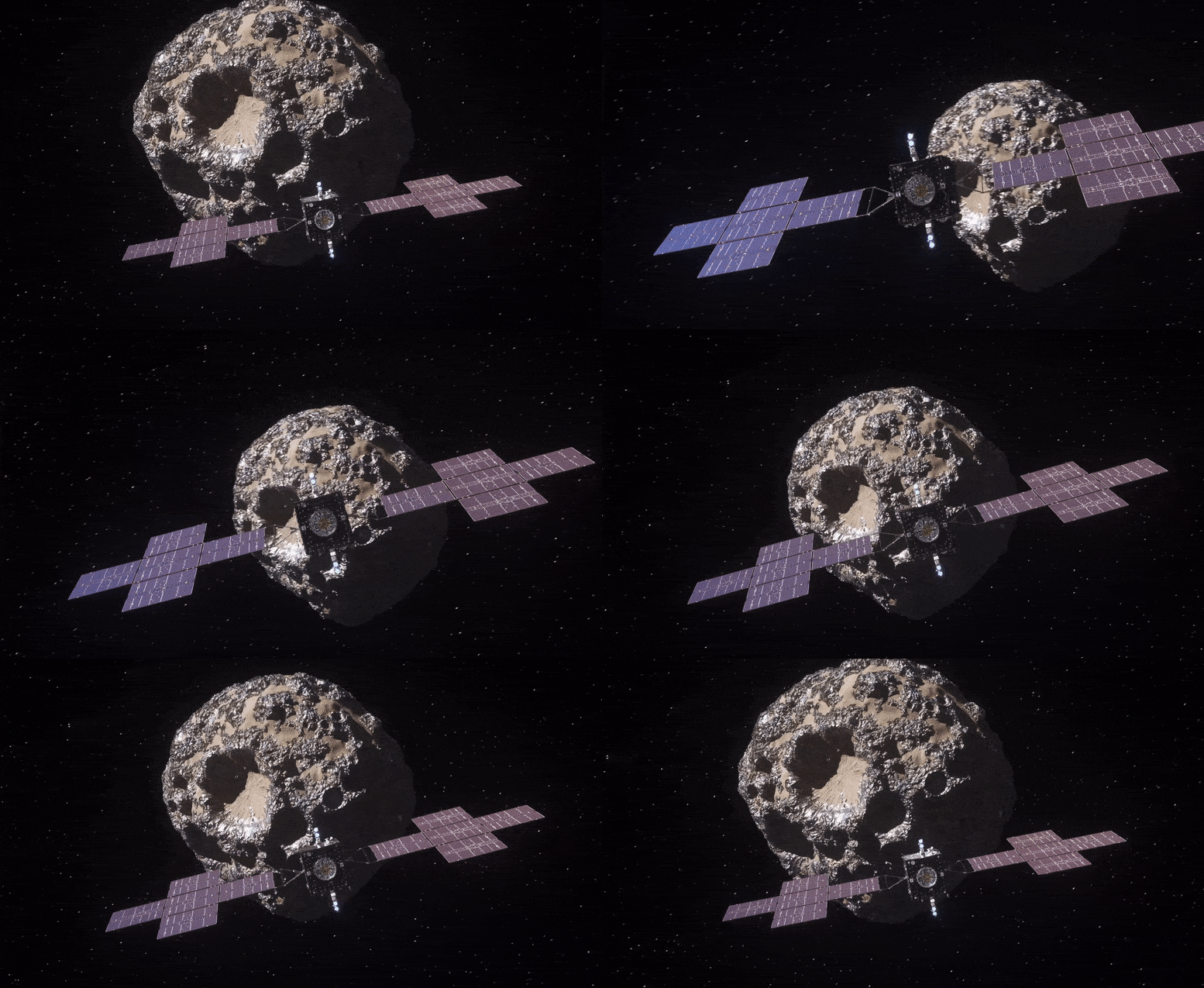
Deep Space Network: Strengthening the Backbone
NASA’s Deep Space Network (DSN) is the global system of antennas that receives signals from spacecraft across the solar system. NASA is upgrading DSN to handle future video transmissions from:
-
The Moon
-
Mars
-
Asteroid missions
-
Deep-space probes
Upgrades include:
-
Larger antennas
-
More sensitive receivers
-
Laser communication integration
-
Higher data capacity
This ensures NASA can manage the massive flow of data expected in the coming decade.
Preparing for Lunar and Martian Live Streams
As NASA gears up for missions that extend far beyond the Moon, the ability to send high-quality video from remote locations becomes even more critical.
Video from Mars
With laser communication, scientists hope to one day stream video from:
-
Martian rovers
-
Aerial drones
-
Human explorers
Laser links could transmit gigabytes of data in minutes—something that takes hours with radio systems.
Public Engagement: Bringing Space Closer to Earth
NASA recognizes the importance of public engagement. Live video from the Moon and the ISS:
-
Inspires students
-
Strengthens public support
-
Promotes scientific literacy
-
Encourages future astronauts and engineers
Every upgrade is designed not just for science, but for global inspiration.
Conclusion: A New Era of Space Communication
NASA is advancing its plans to deliver video from the ISS and the Moon through a combination of laser communication, new satellites, surface networks, and digital compression technologies. These advancements will reshape how humans experience space exploration.
Within the next decade, we will likely see:
-
Real-time 4K and 8K lunar livestreams
-
Astronauts transmitting high-definition video directly from the Moon’s south pole
-
Rovers and robots sending detailed footage of unexplored regions
-
A connected lunar network supporting science, safety, and exploration
With these breakthroughs, NASA is preparing not just to explore the Moon—but to connect it. The future of space communication is bright, fast, and clearer than ever before.
Read Also: Keep your face towards the sunshine and shadows will fall behind you
Watch Also: https://www.youtube.com/@TravelsofTheWorld24





Leave a Reply