

NASA recently revealed that a near-Earth asteroid, colloquially dubbed a “city-killer,” has risen to the top of its threat risk list after the odds of impact doubled within a single month. While the overall risk of a catastrophic collision remains low, the news has sparked renewed interest in planetary defense, near-Earth object monitoring, and global preparedness.
This article explores the asteroid in question, NASA’s risk assessment, the technology used to track celestial threats, potential consequences of an impact, and measures being taken to protect Earth.
The Asteroid: A Closer Look
The asteroid, currently designated as 2025 XY7, is classified as a Potentially Hazardous Asteroid (PHA) due to its size, orbit, and proximity to Earth. Key characteristics include:
-
Diameter: Approximately 400 meters, large enough to devastate a city or region
-
Orbital Path: Crosses Earth’s orbit, making close approaches possible
-
Velocity: Traveling at tens of kilometers per second
-
Impact Odds: Risk of collision recently doubled due to refined trajectory calculations
NASA emphasizes that even though the probability has increased, the odds of an actual collision remain extremely low. However, the asteroid’s size and potential damage make it a high-priority object for monitoring.
How NASA Assesses Threats
NASA tracks near-Earth objects using a combination of observation, modeling, and simulation:
1. Telescopic Observations
-
Ground-based telescopes like Pan-STARRS and the Catalina Sky Survey detect moving objects in the night sky
-
Measure position, speed, brightness, and trajectory
2. Space-Based Observatories
-
Infrared telescopes such as NEOWISE can detect dark asteroids that optical telescopes might miss
-
Help determine size, composition, and thermal properties
3. Orbit Modeling and Risk Analysis
-
Using sophisticated software, NASA calculates future positions and impact probabilities
-
Updated calculations can increase or decrease risk estimates, as happened with 2025 XY7
4. International Coordination
-
NASA collaborates with agencies like ESA, JAXA, and Roscosmos
-
Data sharing enhances global monitoring and early warning capabilities
This comprehensive approach ensures that high-risk objects are closely monitored in real time.
What the Risk Increase Means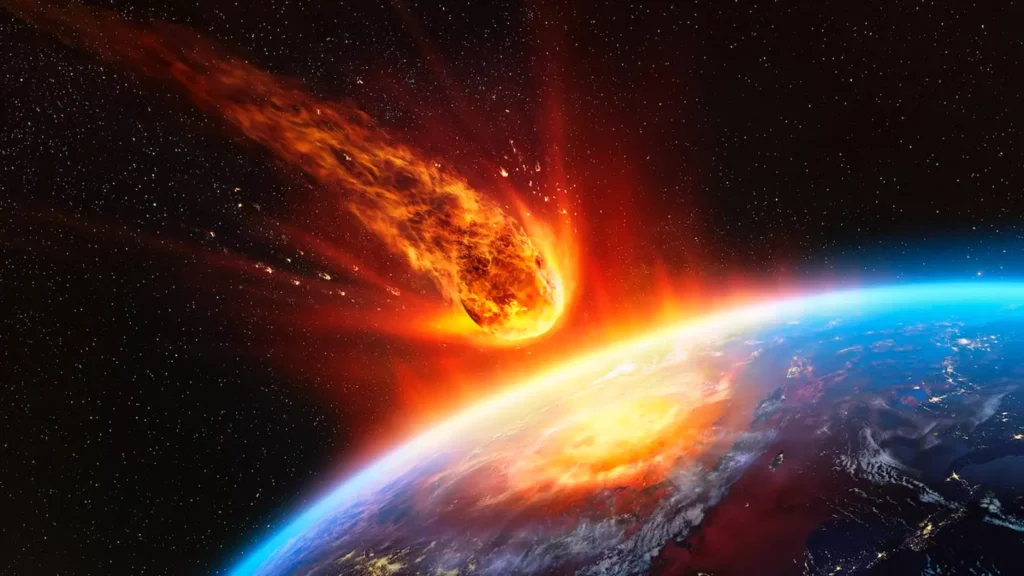
The doubling of the asteroid’s impact odds does not mean a collision is imminent. Instead, it reflects:
-
Refined trajectory data from additional observations
-
Slight gravitational perturbations affecting the asteroid’s path
-
Updated modeling that incorporates Earth’s gravitational influence and orbital dynamics
NASA explains that as more data is collected, the asteroid’s risk assessment will continue to be updated, reducing uncertainty.
Potential Consequences of an Impact
If an asteroid like 2025 XY7 were to strike Earth, the consequences would be severe:
1. Regional Devastation
-
A 400-meter asteroid could release hundreds of megatons of energy on impact
-
Equivalent to multiple nuclear bombs detonating simultaneously
-
Could destroy a city and surrounding regions
2. Secondary Effects
-
Shockwaves could damage buildings far from the impact site
-
Fires and debris could cause widespread destruction
-
Localized tsunamis if it hits water
3. Global Implications
-
Large amounts of dust could enter the atmosphere, affecting climate and agriculture
-
Economic disruption and humanitarian crises could extend beyond the immediate impact zone
Fortunately, such events are extremely rare, and most asteroids that approach Earth are small enough to burn up in the atmosphere.
NASA’s Planetary Defense Strategies
NASA has developed a suite of strategies to mitigate asteroid threats:
1. Early Detection
-
Detecting objects years or decades in advance allows time to plan interventions
-
Advanced telescopes increase tracking accuracy and coverage
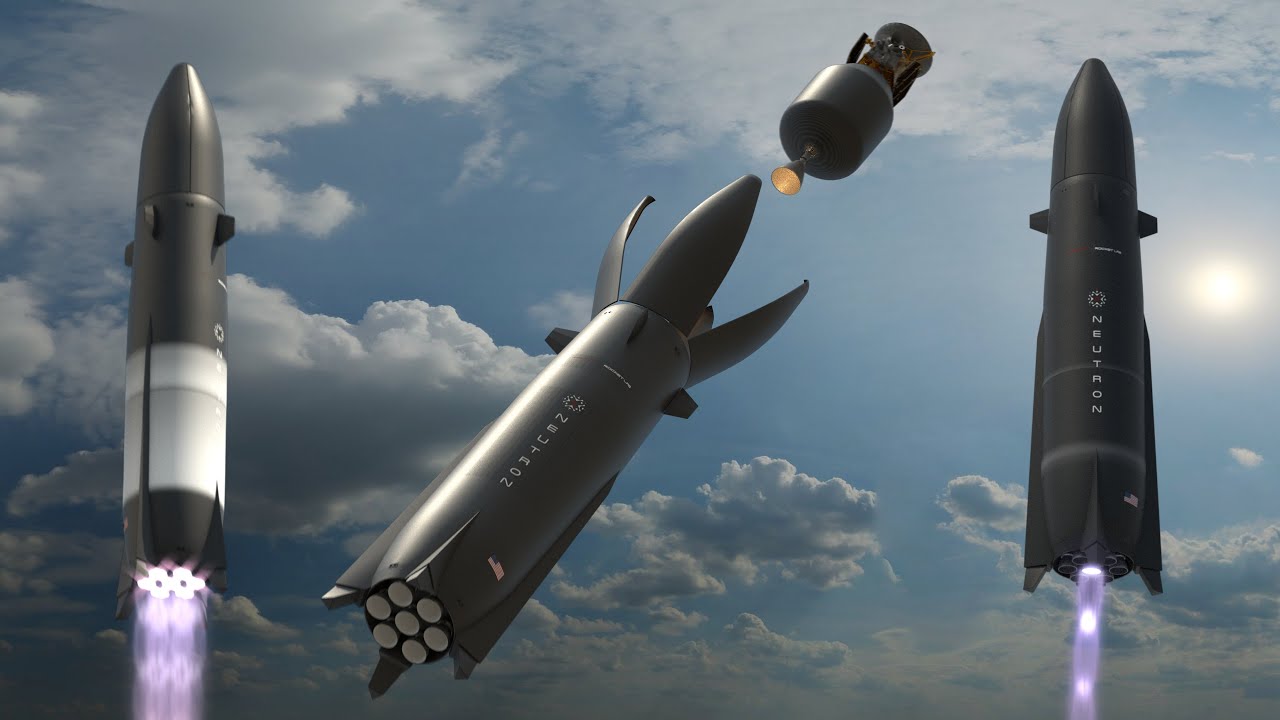
2. Kinetic Impact Missions
-
The DART mission successfully demonstrated that an asteroid’s trajectory could be altered by colliding a spacecraft into it
-
Early deflection is key to preventing potential impacts
3. Gravity Tractor Techniques
-
Using a spacecraft’s gravitational pull to gradually alter an asteroid’s path
-
Effective for precision adjustments over time
4. Nuclear Options
-
Considered a last resort for imminent threats
-
Can change an asteroid’s speed or fragment it to reduce impact risk
5. Emergency Planning
-
In short-warning scenarios, evacuation and civil defense measures are coordinated with global authorities
-
Focused on minimizing casualties and damage
The Role of International Collaboration
Protecting Earth requires global cooperation:
-
ESA, JAXA, and other agencies provide additional observation capabilities
-
International response plans are tested through simulations and tabletop exercises
-
Data sharing ensures a coordinated, rapid response in case of an imminent threat
This collaboration increases global preparedness and reduces the risk of a surprise impact.
Public Awareness and Transparency
NASA emphasizes accurate public communication:
-
Press releases clarify risk levels and impact probability
-
Social media updates provide real-time tracking and explanations
-
Educational campaigns inform the public about asteroid detection and mitigation strategies
The goal is to educate without causing panic, promoting informed understanding of celestial threats.
Technological Innovations in Asteroid Tracking
NASA continues to improve detection and deflection capabilities:
-
Space-based infrared telescopes for identifying dark, hard-to-detect asteroids
-
AI and machine learning algorithms for trajectory prediction and risk assessment
-
Autonomous spacecraft capable of precise deflection missions
-
Global data networks for real-time monitoring and coordination
These tools enhance the planet’s resilience against asteroid threats.
Lessons from Previous Near-Misses
Several near-Earth objects have provided valuable lessons:
-
2013 Chelyabinsk meteor: A small asteroid (~20 meters) caused damage and injuries, demonstrating the importance of monitoring even small objects
-
Tunguska Event (1908): A larger asteroid (~50–60 meters) flattened over 2,000 square kilometers of forest
-
2019 OK asteroid: Detected only a week before its close approach, highlighting the need for faster detection
These events underscore the importance of vigilance and preparation.
Future Plans for Planetary Defense
NASA’s future initiatives include:
-
NEO Surveyor Mission: Will detect smaller and darker asteroids across the solar system
-
Advanced deflection techniques: Research on lasers, kinetic impactors, and other mitigation methods
-
Simulation and modeling: Constantly updated to account for new observations and orbital changes
-
Global coordination exercises: Ensuring rapid response in case of imminent impact
These efforts aim to ensure Earth remains protected, even if high-risk objects are discovered with little lead time.
How Safe Are We?
Despite the increased risk estimate for 2025 XY7, experts emphasize:
-
The asteroid does not pose an immediate threat
-
Probability of impact remains extremely low
-
NASA’s monitoring systems are highly reliable, allowing detection years in advance for most hazardous objects
-
Preparedness measures, simulations, and mitigation strategies further reduce risk
In short, while vigilance is necessary, the public can remain confident in NASA’s ability to detect and respond to threats.
Key Takeaways
-
2025 XY7 is a high-priority asteroid due to size and trajectory.
-
Risk estimates can change as more data is collected.
-
NASA uses telescopes, radar, and space-based observation to track near-Earth objects.
-
Mitigation strategies include kinetic impact, gravity tractor, and nuclear options.
-
International collaboration and public communication are critical for effective planetary defense.
The combination of early detection, technology, and global cooperation makes Earth far safer than in previous centuries.
Conclusion
The rise of 2025 XY7 on NASA’s threat risk list serves as a reminder that planetary defense is a vital aspect of modern space science. While the asteroid’s recent risk doubling has drawn attention, the actual chance of impact remains low, and the planet is well-equipped to respond.
NASA’s multi-pronged approach—early detection, advanced tracking technology, deflection capabilities, and international collaboration—ensures that humanity is prepared for even the rarest of cosmic threats. Lessons from past near-misses and ongoing monitoring allow for swift, informed action should circumstances change.
Ultimately, while a “city-killer” asteroid may sound alarming, science, technology, and global cooperation make Earth remarkably resilient, proving that vigilance and preparation are humanity’s best defenses against the celestial hazards of our dynamic solar system.
Read Also: Keep your face towards the sunshine and shadows will fall behind you
Watch Also: https://www.youtube.com/@TravelsofTheWorld24





Leave a Reply