
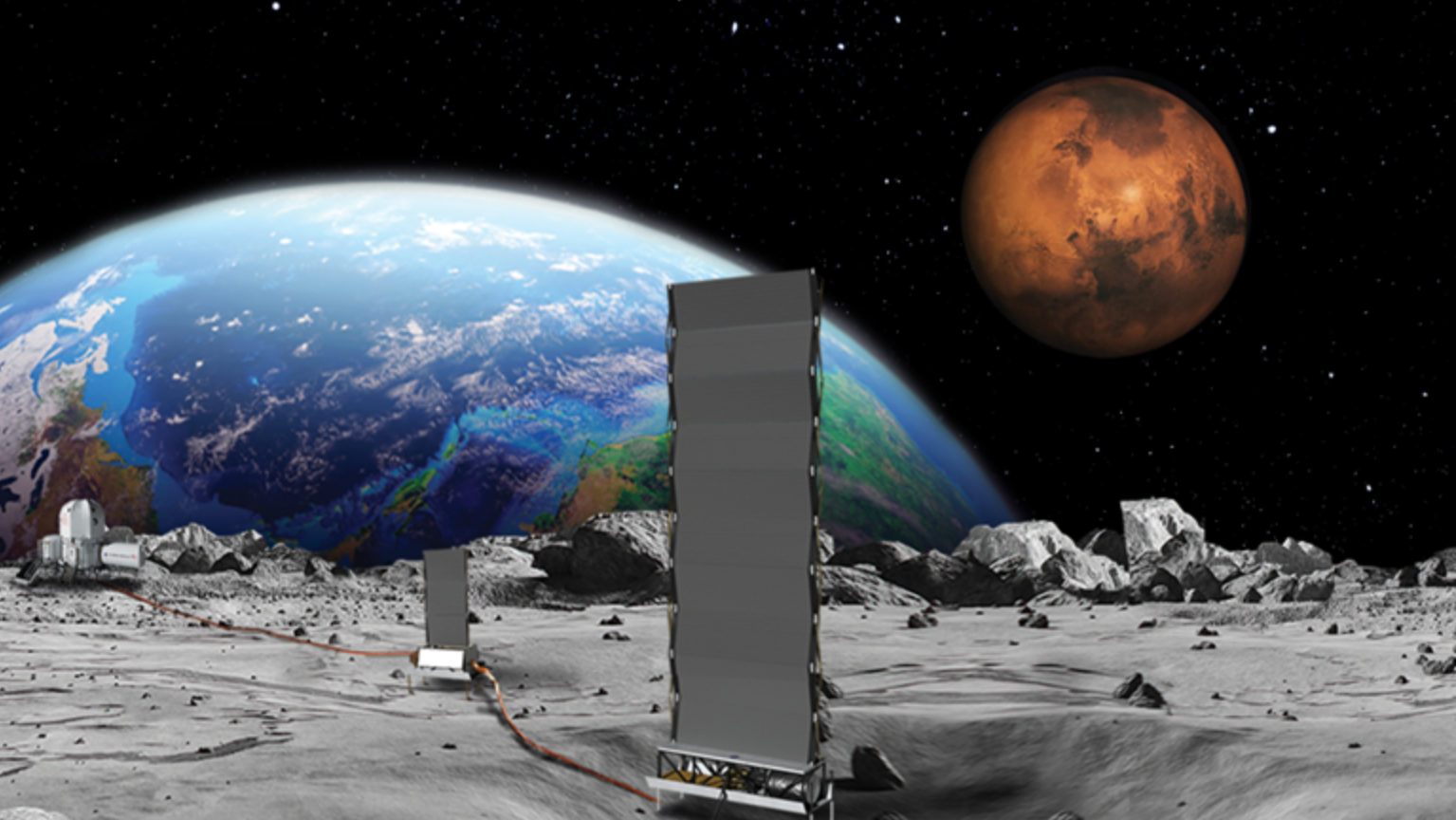
For decades, space agencies have dreamed of establishing a permanent human presence on the Moon. Now, according to reports from U.S. media and statements from NASA, that dream is moving closer to reality—thanks to a bold and groundbreaking project: deploying a small nuclear reactor on the lunar surface by 2030. This initiative represents one of the most ambitious steps toward sustainable lunar exploration, long-term Moon missions, and eventually human journeys to Mars.
NASA’s plan centers on using nuclear fission power, a technology capable of providing reliable and long-lasting energy in the harsh environment of the Moon. As part of its broader Artemis program, this reactor will help power habitats, scientific instruments, rovers, communication systems, and manufacturing tools on the lunar surface.
Why the Moon Needs Nuclear Power
The Moon is a world of extremes. Temperatures swing from blistering heat to severe cold, dust storms are constant, and—most importantly—the lunar night lasts about 14 Earth days. During this prolonged darkness, solar panels are impossible to rely on. Batteries would drain quickly, and other forms of power generation are limited.
A nuclear reactor provides a consistent source of energy, regardless of weather patterns or sunlight.
Key Benefits of a Lunar Nuclear Reactor
-
Constant Power Supply: Works day and night, unlike solar power.
-
Compact but Powerful: A small reactor can power multiple systems simultaneously.
-
Durable and Long-Lasting: Designed to operate for at least 10 years.
-
Scalable: Multiple reactors can be deployed to support growing lunar bases.
For astronauts living and working on the Moon, nuclear power ensures uninterrupted energy for life-support systems, oxygen generation, communications, and scientific experiments—crucial for long-term survival.
The Technology: Fission Surface Power (FSP)
NASA’s proposed reactor is part of its Fission Surface Power (FSP) program. Unlike enormous nuclear power plants on Earth, the lunar reactor will be:
-
Lightweight
-
Modular
-
Easy to transport
-
Low-maintenance
-
Safe to operate in extreme conditions
It is expected to produce approximately 40 kilowatts of power, enough to support a small lunar outpost.
How It Works
The system includes:
-
A Fission Reactor – containing uranium fuel.
-
Power Conversion Units – turning reactor heat into electricity.
-
Heat Radiators – releasing extra heat into space.
-
A Small Distribution Network – sending power to habitats, rovers, and equipment.
The design prioritizes simplicity, safety, and resilience. Because lunar environments lack atmosphere, the reactor must withstand high radiation, micrometeorite impacts, and abrasive lunar dust.
Collaboration With Private Industry
NASA has awarded contracts to three major U.S. companies to design early prototypes of the lunar reactor. Each company proposes a different architecture, materials, and assembly method. This competition encourages innovation and helps NASA select the best possible design for actual deployment.
Private companies are focusing on:
-
Compact reactor cores
-
Lightweight shielding to protect astronauts
-
Easy assembly methods on the lunar surface
-
Automated operation requiring minimal crew interaction
The final design may combine elements from several proposals.
Part of the Artemis Vision

The nuclear reactor aligns with NASA’s long-term goals under the Artemis program, which aims to:
-
Return humans to the Moon.
-
Establish a sustainable lunar presence by the end of the 2030s.
-
Build infrastructure for deep-space exploration.
-
Prepare for crewed missions to Mars.
Why Energy Matters for Artemis
To build habitats, operate science labs, and support mining or manufacturing activities on the Moon, NASA needs dependable power. Nuclear energy could run:
-
Lunar habitats with heating, cooling, oxygen, and pressure systems.
-
Mining machinery to extract ice for water and rocket fuel.
-
Scientific laboratories studying rocks, radiation, and biology.
-
3D-printing systems to construct lunar structures using local materials.
-
Communications systems linking the Moon, Earth, and spacecraft.
Without stable power, none of the ambitious Artemis goals would be possible.
Why Not Just Use Solar Power?
While solar panels are effective during the lunar day, they fail during the two-week lunar night. Energy storage technology is improving, but current batteries are not capable of powering a base for such extended periods.
On top of that, many potential lunar base locations—such as craters containing water ice—receive very little sunlight. Nuclear reactors circumvent this limitation, enabling missions anywhere on the Moon.
Powering the Dark Side of the Moon
Some scientists hope to study or explore areas of the Moon permanently covered in darkness, like the South Pole’s Shackleton Crater. Such locations might hold frozen water deposits essential for sustaining life or producing fuel. A nuclear reactor would be the only reliable power source in these shadowed regions.
Safety Measures and Risk Management
Nuclear power in space raises understandable concerns. However, NASA emphasizes robust safety measures.
Key Safety Features
-
Launch Safety: The reactor will not be activated on Earth; it stays cold and inert until placed on the Moon.
-
Redundant Shielding: Protects astronauts from radiation.
-
Remote Activation: The system can be started remotely after deployment.
-
Minimal Waste: Produces far less radioactive waste than large Earth-based reactors.
-
Fail-Safe Systems: Automatically shut down the reactor if needed.
Because the reactor will be operated in an airless environment far from Earth, risks are significantly lower than those associated with terrestrial reactors.
Challenges Ahead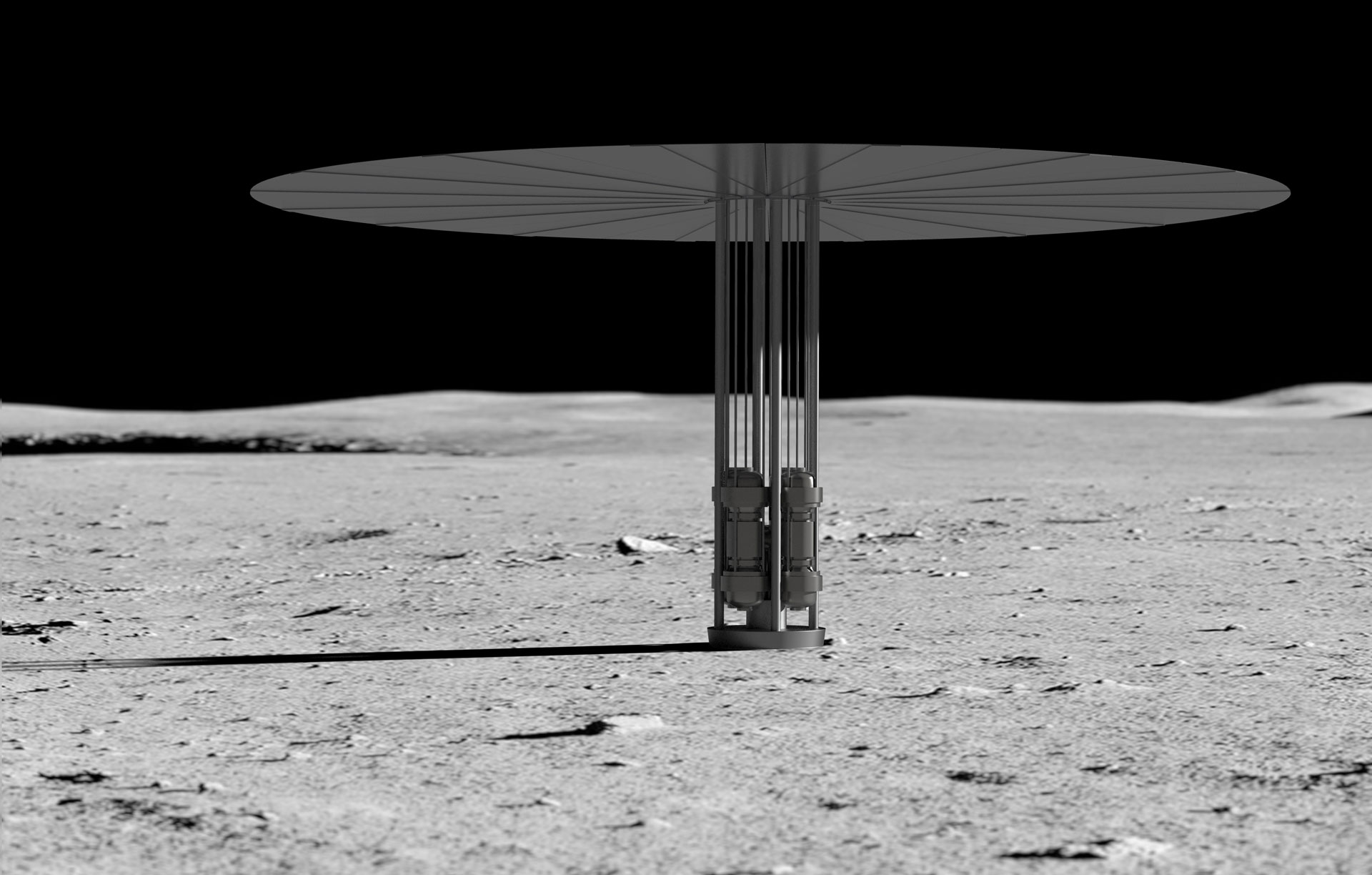
Despite its promise, sending a nuclear reactor to the Moon involves many challenges.
Major Obstacles
-
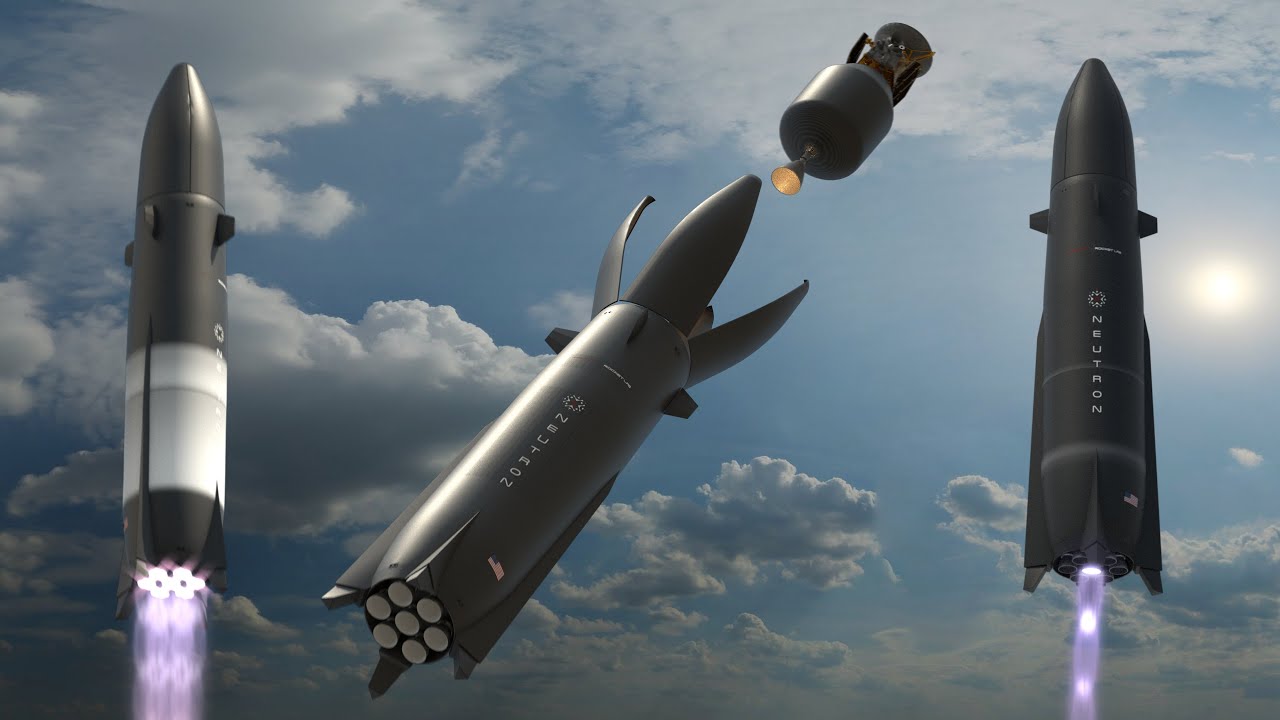
Transporting the Reactor to the Moon
Heavy radiation shielding and durable hardware must be safely delivered by rockets like SLS or commercial landers. -
Deploying It on the Lunar Surface
Robotic systems may need to set up the reactor before astronauts arrive. -
Protecting the System from Lunar Dust
Lunar dust can damage moving parts and electronics. -
Thermal Management
The Moon’s extreme temperatures require advanced heat-control technology. -
Public Perception
NASA must address concerns about nuclear technology in space.
Each of these challenges requires innovative engineering and extensive testing.
How the Reactor Will Be Delivered and Installed
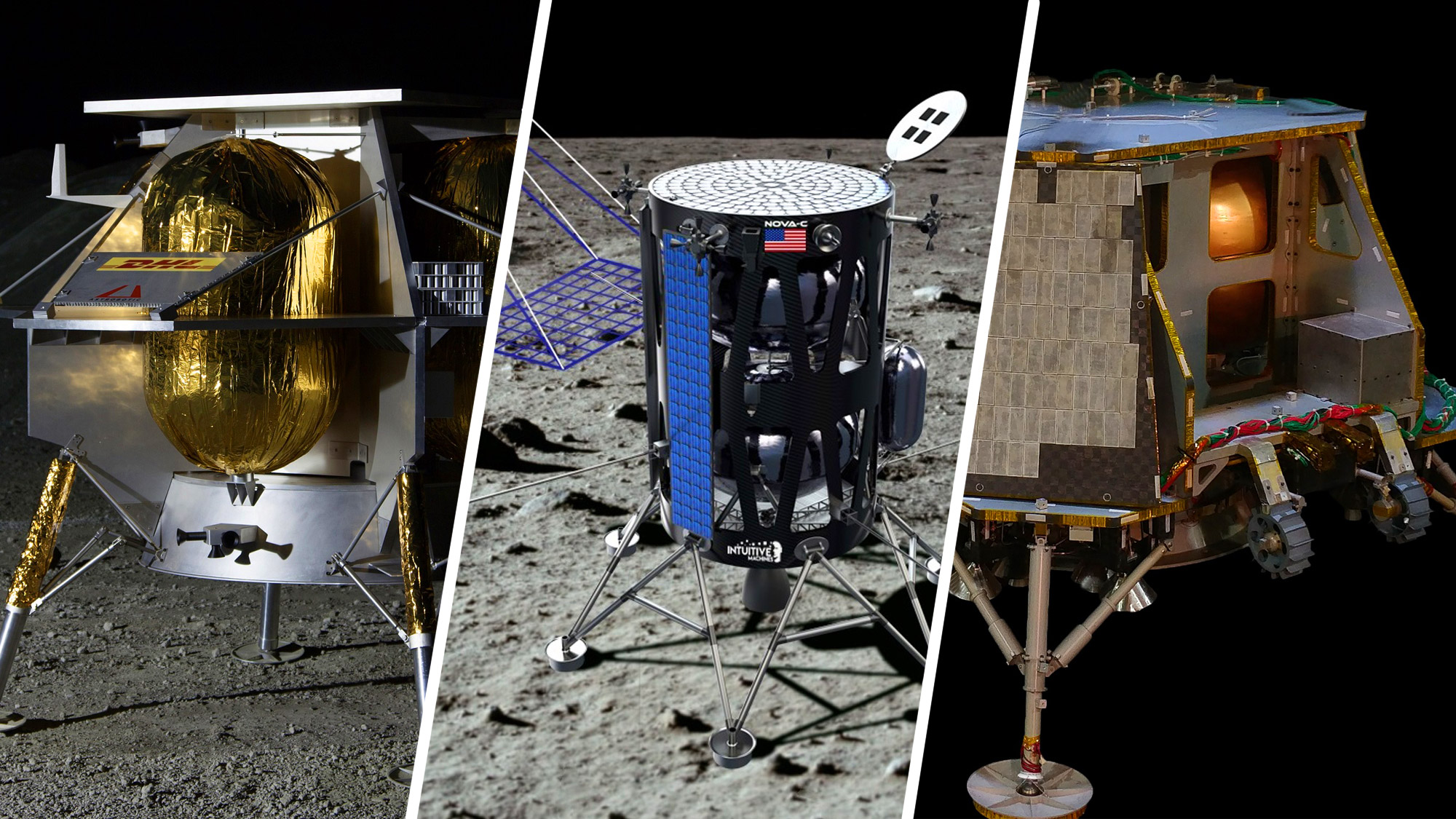
NASA anticipates the reactor will be carried aboard a commercial lunar lander. Once it reaches the surface, robotic arms, cranes, or autonomous rovers may deploy the system.
Key steps include:
-
Landing the reactor far enough from human habitats to ensure safety.
-
Unfolding radiators and power conversion units.
-
Connecting the reactor to a surface power grid.
-
Performing remote diagnostic checks.
-
Activating the reactor from a secure distance.
This process minimizes risk to astronauts and ensures efficient installation.
A Step Toward Mars Exploration
Nuclear power on the Moon is more than a technological milestone—it’s a rehearsal for future missions to Mars. The Red Planet faces dust storms, weak sunlight, and harsh temperatures. NASA believes nuclear reactors will be essential for powering Martian bases too.
Testing the technology on the Moon first allows engineers to:
-
Understand how reactors perform in low gravity.
-
Perfect remote operation and control methods.
-
Develop procedures for long-term autonomous power generation.
-
Train astronauts for future deep-space operations.
In this sense, the Moon becomes a training ground for humanity’s next giant leap.
A New Era of Lunar Exploration
NASA’s plan to install a nuclear reactor on the Moon by 2030 marks a turning point in human exploration. It reflects a shift from short-term missions to creating permanent, sustainable infrastructure beyond Earth.
With reliable nuclear power, the Moon may soon host:
-
Scientific research stations
-
Industrial facilities
-
Fuel production plants
-
Astronaut habitats
-
Launch platforms for deep-space missions
This project symbolizes humanity’s growing confidence in exploring and inhabiting other worlds.
Conclusion
The idea of placing a nuclear reactor on the Moon might once have seemed like science fiction. Today, it is a serious and highly strategic step toward long-term lunar habitation and deeper exploration of the solar system. By providing stable and robust power, nuclear fission technology could transform the Moon from a distant destination into a thriving base of operations.
As NASA pushes toward its 2030 deadline, the world watches a new chapter of space exploration unfold—one driven by innovation, collaboration, and the timeless human urge to explore the unknown.
Read Also: Keep your face towards the sunshine and shadows will fall behind you
Watch Also: https://www.youtube.com/@TravelsofTheWorld24





Leave a Reply