
A Journey from Earth to Orbit
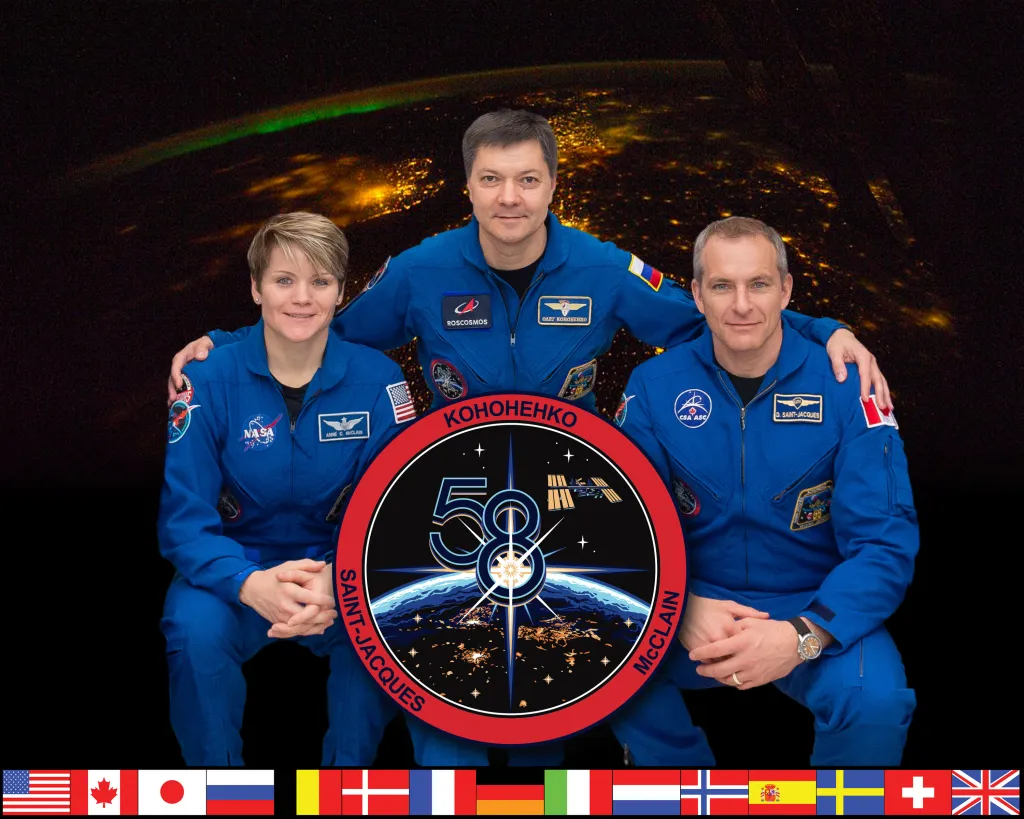
Anne McClain’s road to the ISS began long before launch day. A graduate of the University of Washington, the University of Bath, and the University of Bristol, and a decorated helicopter pilot in the U.S. Army, McClain entered the astronaut corps in 2013. Her background—rich in engineering, leadership, and operational experience—made her an ideal fit for spaceflight.
When she launched aboard a Soyuz MS-11 spacecraft from the Baikonur Cosmodrome, she joined an international crew and left Earth behind for what would become a deeply transformative mission. The ISS, orbiting more than 400 kilometers above the planet, would be her home for over six months. From the moment she arrived, McClain’s work contributed to the scientific and operational success of the station.
Daily Life Aboard the ISS
Life on the ISS is a blend of strict schedules, technical precision, and moments of breathtaking beauty. For McClain, days typically began with planning conferences alongside ground teams at NASA, Roscosmos, JAXA, and ESA. These check-ins helped coordinate scientific tasks, maintenance, and even exercise sessions.
Despite the high-stress environment, McClain often described life in orbit as a unique fusion of work and wonder. Through windows like the Cupola observatory, she photographed Earth’s landscapes—coastlines, mountain ranges, swirling clouds—reminding the world below of the planet’s fragile and interconnected nature. She shared many of these images publicly, inspiring countless people with her perspective from space.
Advancing Science in Microgravity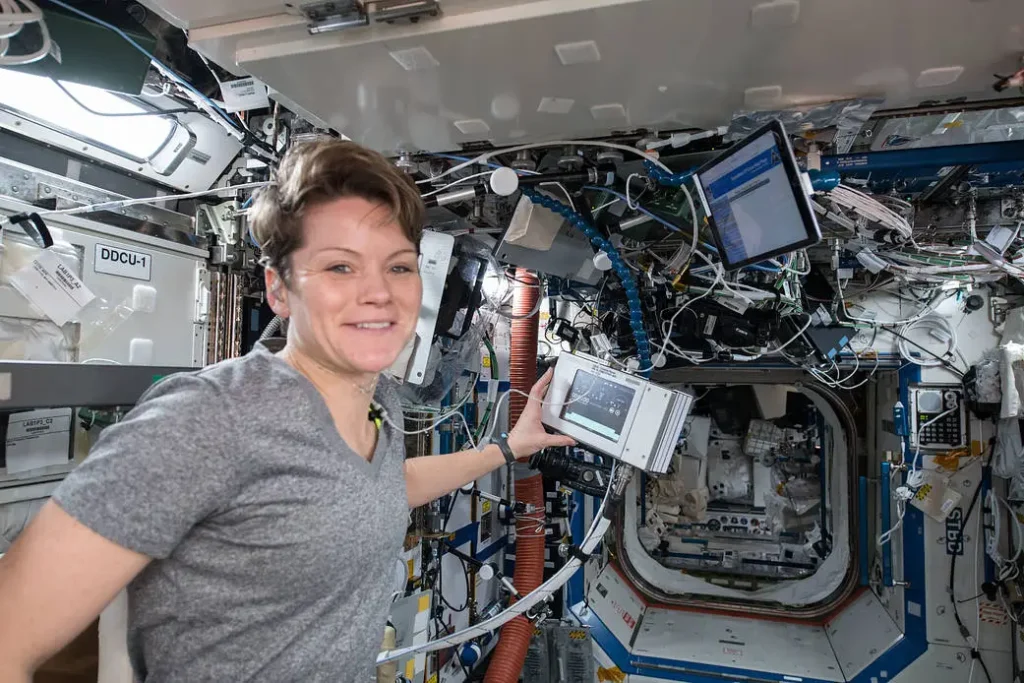
One of McClain’s primary roles aboard the ISS was conducting experiments that can only be done in microgravity. These scientific investigations span biology, physics, medicine, and technology, and they have direct implications for life on Earth as well as future deep-space missions.
Human Physiology and Health
McClain worked on studies examining how the human body adapts to space. These investigations included research on:
-
Muscle and bone density loss, a major challenge for astronauts.
-
Fluid shifts, where bodily fluids move toward the head due to microgravity.
-
Immune system changes, helping scientists understand vulnerabilities astronauts may face.
The data collected will help NASA prepare for long-duration missions, such as journeys to the Moon under the Artemis program and eventually to Mars.
Biological and Botanical Research
Another key area of research involved biological experiments, such as:
-
Growth patterns of plants in space, which support long-term food production goals.
-
Studies of microbial behavior in microgravity, crucial for crew health and spacecraft hygiene.
-
Experiments on protein crystal growth, which can help scientists develop improved pharmaceuticals on Earth.
McClain not only performed these experiments but also helped troubleshoot equipment and ensure materials were handled with precision.
Technology Demonstrations
Technology demonstrations on the ISS test innovations that may become standard tools for future missions. During her time aboard the station, McClain contributed to projects like:
-
Robotics tests that explore how automated systems assist astronauts.
-
Evaluations of 3D-printed tools, which could help reduce the reliance on cargo deliveries.
-
Work on advanced life-support systems designed to recycle air and water.
These experiments move NASA closer to long-duration exploration capabilities.
Robotics Work and Canadarm2 Operations
McClain demonstrated exceptional skill in operating Canadarm2, the station’s 17-meter-long robotic arm built by the Canadian Space Agency. For Space Station crews, robotics are essential for:
-
Capturing uncrewed cargo vehicles like SpaceX Dragon and Northrop Grumman Cygnus.
-
Moving external payloads.
-
Supporting extravehicular activities (spacewalks).
Operating Canadarm2 requires careful coordination with ground control teams and meticulous precision. McClain’s contributions ensured that vital supplies, experiments, and hardware reached the station safely.
Spacewalks: A Highlight of Her Mission
One of the most memorable aspects of Anne McClain’s time on the ISS was her participation in three spacewalks (EVAs). Stepping outside the station is one of the most dangerous and physically demanding tasks an astronaut can perform. Each EVA typically lasts 6–7 hours, requiring intense concentration and teamwork.
During her spacewalks, McClain carried out tasks such as:
-
Upgrading station batteries to more efficient lithium-ion units.
-
Installing new hardware and routing cables.
-
Inspecting and repairing components of the ISS structure.
Working alongside fellow astronauts like Nick Hague and Christina Koch, she contributed to one of the most extensive maintenance periods in recent years.
Spacewalks showcase the skill, endurance, and trust required in human spaceflight, and McClain’s performance earned wide respect throughout the international space community.
Engineering & Maintenance Responsibilities
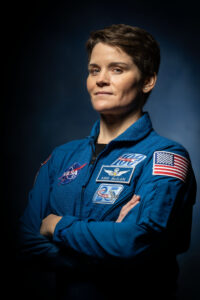
Beyond scientific research, McClain handled the numerous engineering tasks vital to keeping the ISS operational. These included:
-
Troubleshooting air-circulation systems.
-
Monitoring water recycling and filtration units.
-
Conducting inspections of scientific racks and station modules.
-
Performing routine maintenance of exercise machines, laptops, and hardware.
Her engineering background played a crucial role in solving problems quickly, maintaining efficiency, and ensuring crew safety.
Teamwork: The Core of Space Station Life
The ISS is a symbol of international cooperation. During her mission, McClain lived and worked with astronauts and cosmonauts from Russia, Canada, and the United States. Their shared duties demanded exceptional communication skills, cultural understanding, and trust.
Crew members:
-
Cooked together.
-
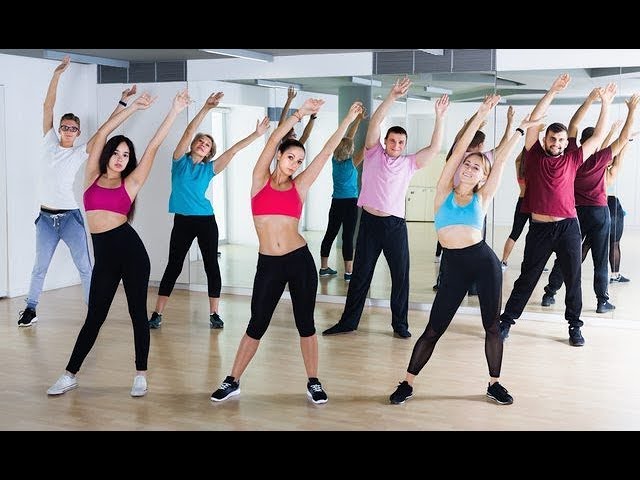
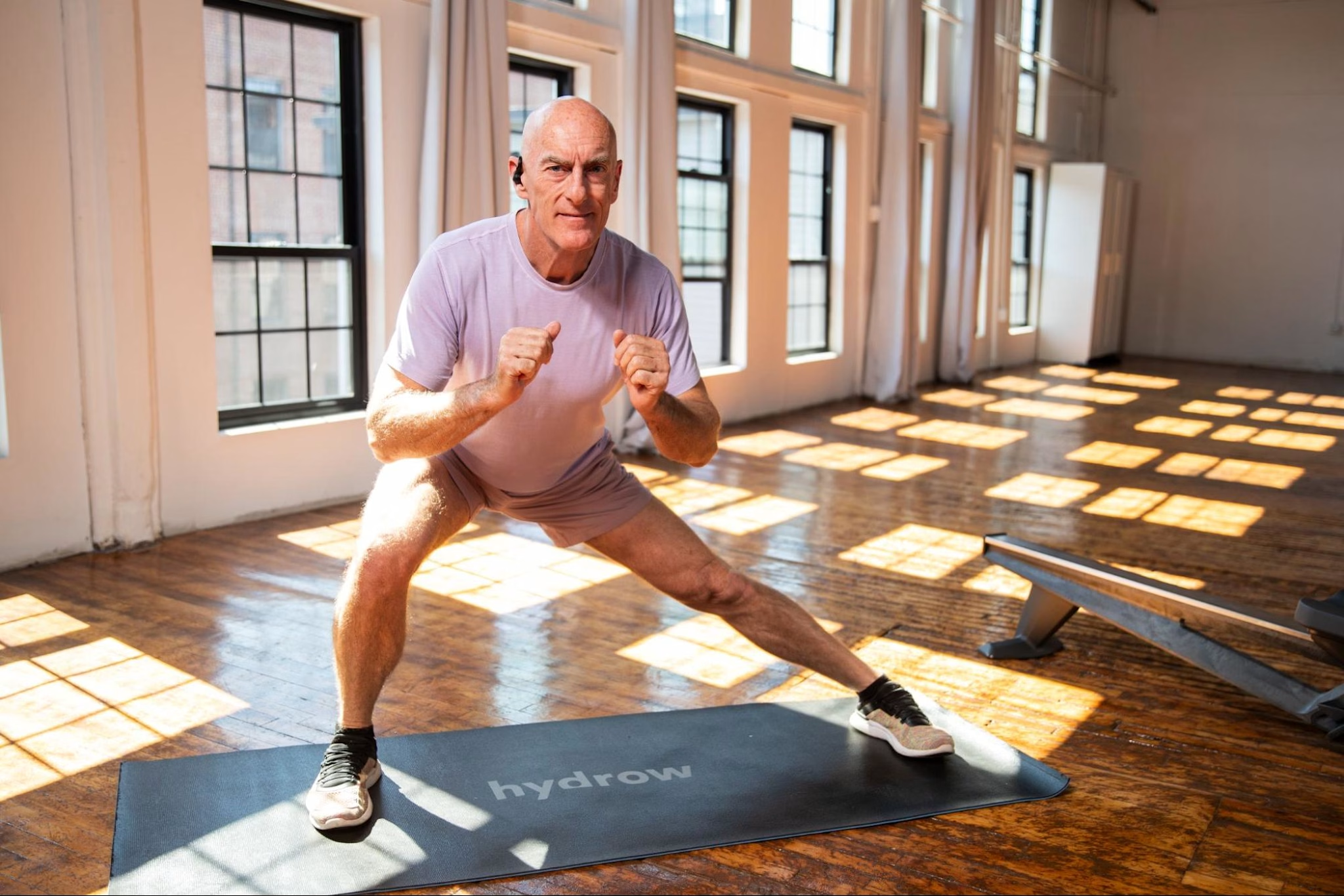
Exercised for two hours daily to preserve muscle and bone health.
-
Conducted hundreds of science tasks.
-
Celebrated milestones such as holidays or birthdays in creative ways.
McClain often emphasized the importance of teamwork in space. In such a demanding environment, every crew member’s well-being depends on the contributions of others.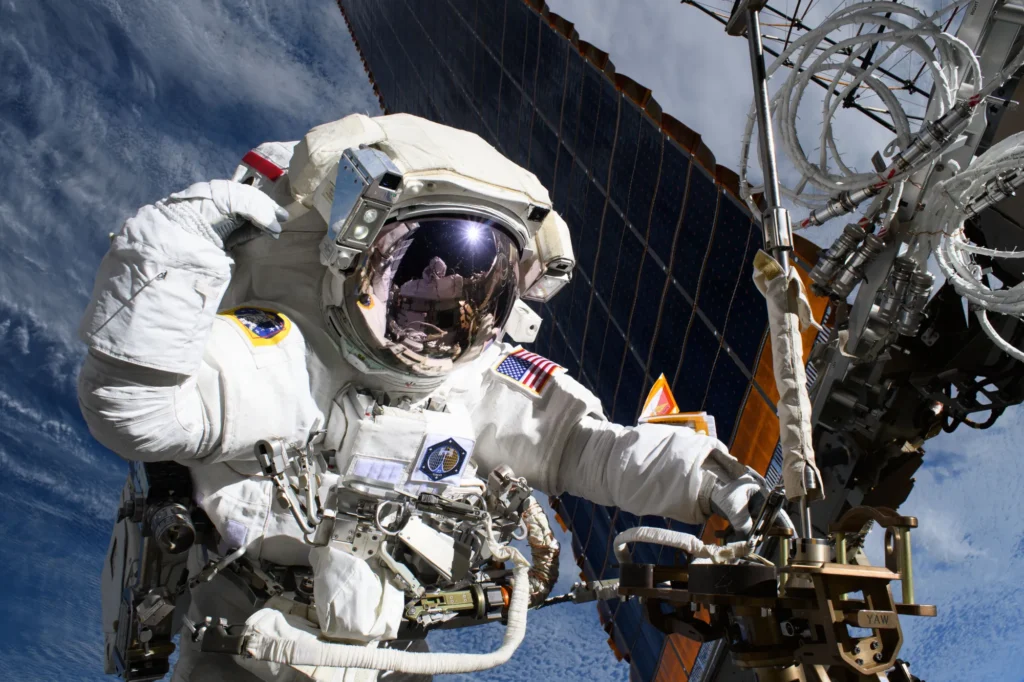
Inspiring Future Explorers
Beyond her technical achievements, Anne McClain’s mission has been a source of inspiration worldwide. Her social-media presence—featuring reflections, Earth photos, and insights into astronaut life—brought a human and relatable dimension to space exploration.
She has encouraged young people, especially girls, to pursue careers in STEM, aviation, and exploration. Her journey demonstrates that with discipline, curiosity, and determination, reaching the stars is possible.
Returning Home and Continuing the Mission
After spending 204 days in space, McClain returned to Earth aboard a Soyuz capsule, landing safely on the Kazakh steppe. The transition back to gravity brought challenges—muscle weakness, balance issues—but also deep gratitude for the mission accomplished.
Since her return, McClain has continued working with NASA, contributing her experience to new training programs, technology development, and future human-spaceflight plans. She remains a candidate for future missions and a key figure in NASA’s evolving exploration strategy.
Conclusion
Anne McClain’s work aboard the International Space Station reflects the essence of human spaceflight: scientific advancement, engineering precision, international cooperation, and the courage to venture beyond Earth. Her mission enriched our understanding of life in microgravity, enhanced ISS capabilities, and inspired a new generation of explorers.
Through her dedication and spirit, she has helped bring humanity one step closer to the next great chapter in space exploration.
Read Also: Keep your face towards the sunshine and shadows will fall behind you
Watch Also: https://www.youtube.com/@TravelsofTheWorld24

Leave a Reply