
For decades, astronomers have been trying to map the Milky Way—our vast, spiral-shaped home galaxy filled with hundreds of billions of stars. Yet despite all our technological progress, one thing has continuously clouded our view: cosmic dust. These tiny grains—smaller than smoke particles—float between stars and scatter visible light, hiding huge sections of the galaxy from our telescopes. But now, NASA is preparing a mission that could change everything.
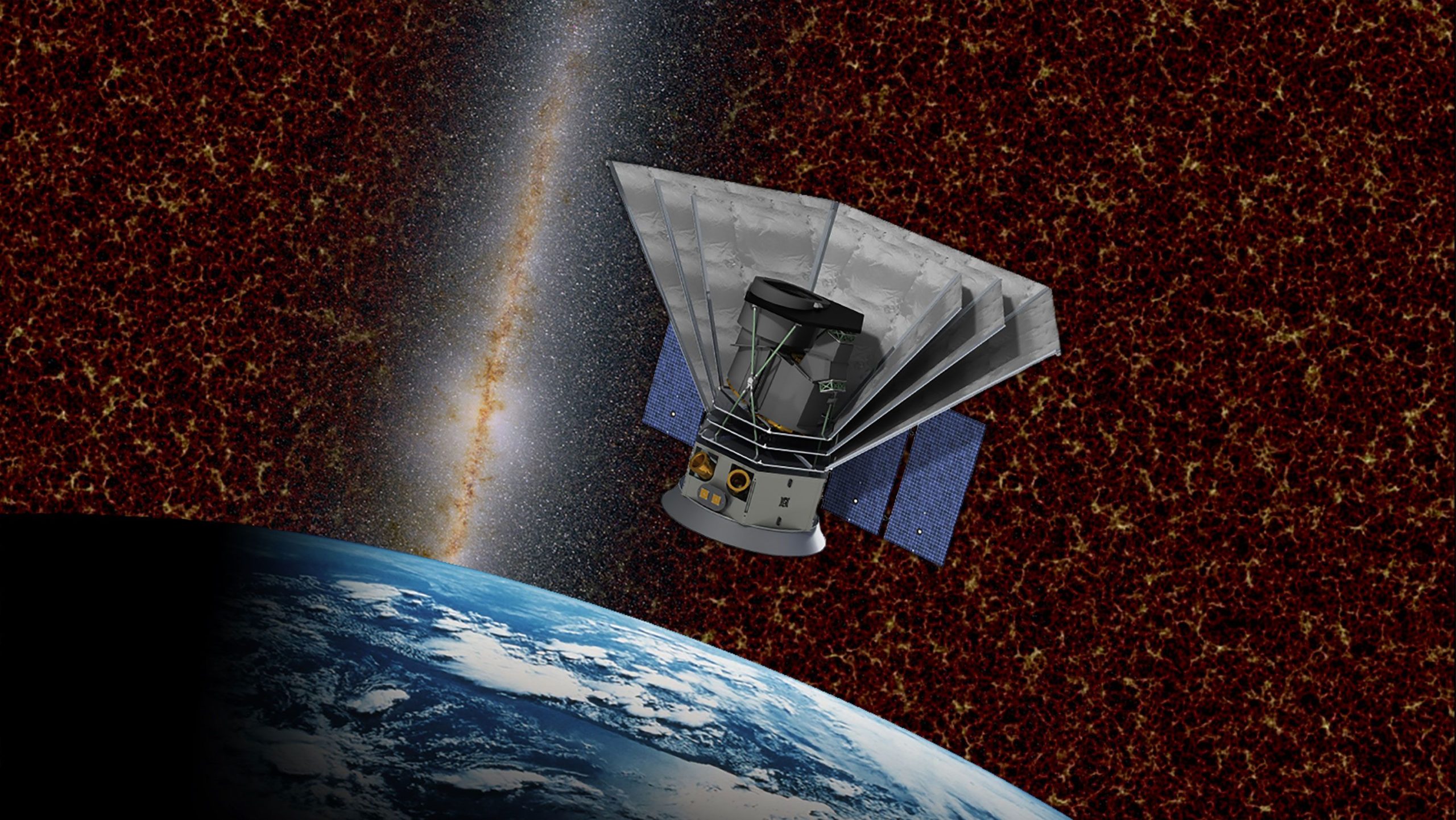
The Nancy Grace Roman Space Telescope (often called Roman) is set to launch later this decade. It will use powerful infrared technology to peer through cosmic dust like never before, creating some of the most detailed maps of the Milky Way in history. This mission isn’t just another space telescope—it is a major step forward in humanity’s effort to understand where we come from, how galaxies form, and what secrets still lie hidden within our own.
The Challenge of Mapping the Milky Way
If you step outside on a clear night and look up, you might see the faint band of the Milky Way stretching across the sky. But that glowing stripe is only a tiny fraction of our galaxy. Much of the rest is blocked by thick clouds of dust that absorb and scatter visible light.
This dust is made of carbon, silicates, and metals formed in ancient stars. While it plays a crucial role in forming new stellar systems, it also acts as a cosmic curtain.
✔ It hides star-forming regions
✔ It distorts measurements of star brightness
✔ It makes our galaxy look patchy and incomplete
Even iconic telescopes like Hubble struggle to penetrate this veil. Astronomers have long needed a tool specifically designed to look through dust—and that’s where Roman comes in.
Meet NASA’s Roman Space Telescope
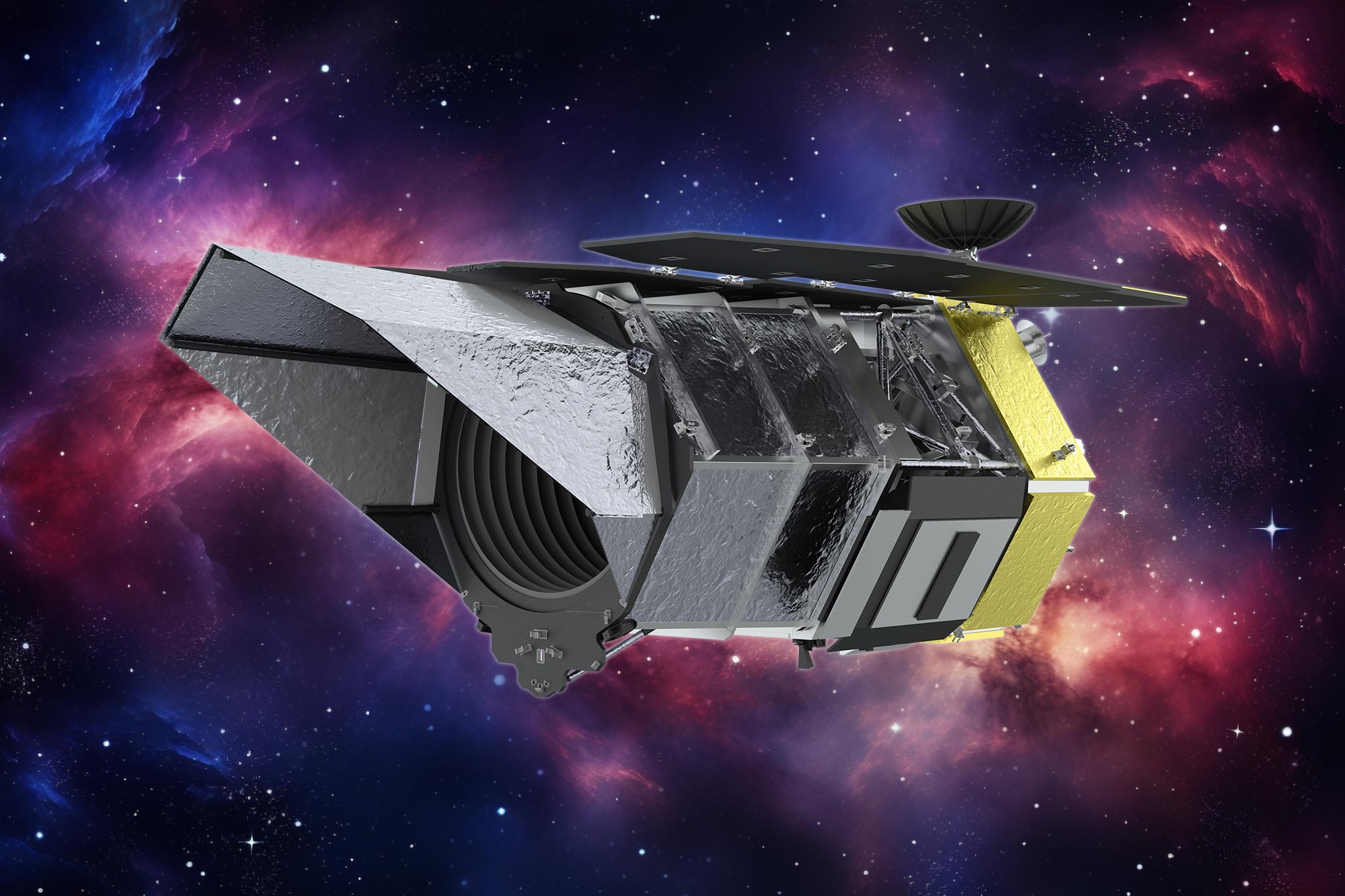
Named after pioneering astronomer Nancy Grace Roman, often called the “Mother of Hubble,” the Roman Space Telescope will be one of the most advanced survey telescopes ever launched.
Key Features:
-
Infrared Vision: Roman will observe in near-infrared wavelengths, which can pass through cosmic dust that blocks visible light.
-
Wide Field of View: It will capture images 100 times larger than those from Hubble, allowing massive portions of the Milky Way to be mapped quickly.
-
Extreme Sensitivity: It will detect faint stars, dim clouds, and hidden structures with incredible precision.
Where Hubble offers detailed close-ups, Roman will deliver a panoramic view of the cosmos—perfect for mapping our galaxy.
Why Cosmic Dust Matters
Cosmic dust may seem like a nuisance, but it is actually one of the most important tools for understanding how galaxies evolve. Dust shows us where:
-
New stars are forming
-
Old stars are shedding material
-
Gas clouds are collapsing
-
Magnetic fields are shaping galactic structure
Dust acts like both a storyteller and a sculptor of the Milky Way. With Roman’s infrared capabilities, scientists will be able to read this story more clearly.
How Roman Will Use Dust to Reveal Hidden Structures
1. Seeing Through the Darkness
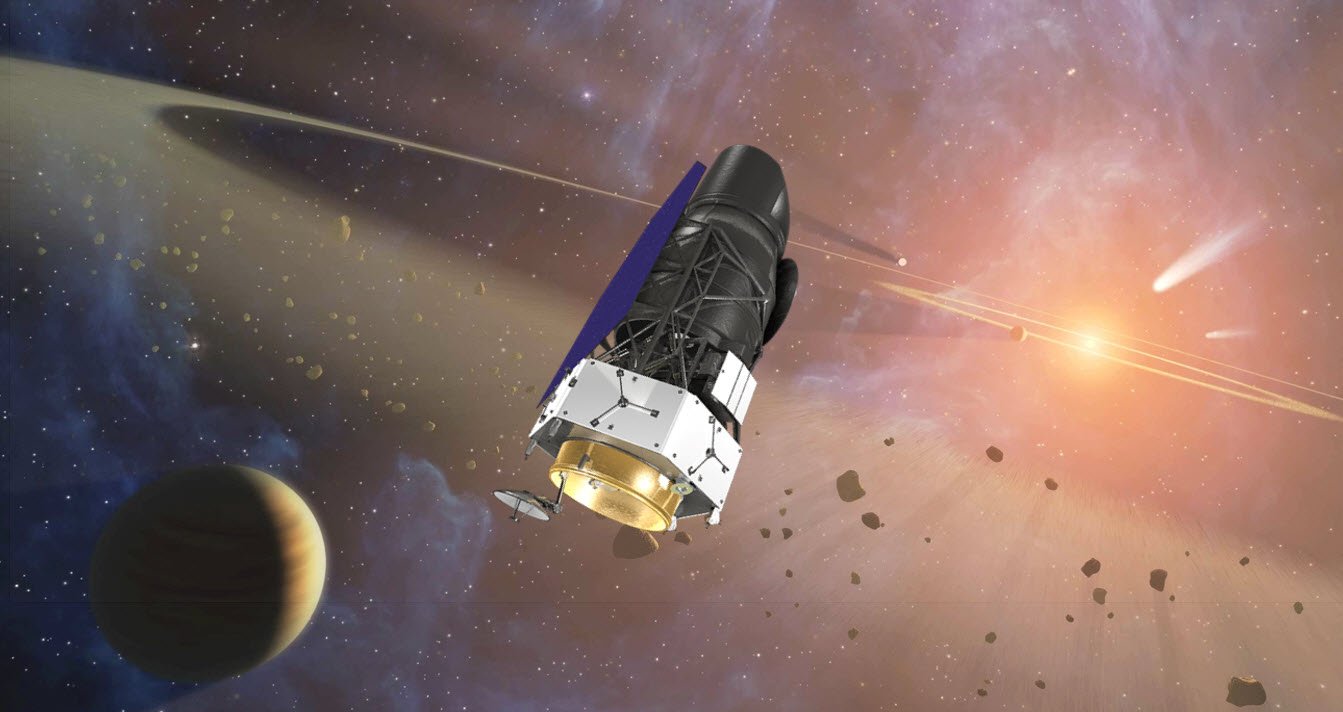
Infrared light penetrates dust far better than visible light. Roman’s sensors will pick up glowing stars and gas that have previously been invisible. This will:
✔ Expose the galaxy’s central bulge
✔ Reveal spiral arms hidden behind dust lanes
✔ Map the distribution of star-forming clouds
By tracking how light scatters through dust, Roman will help create accurate 3D maps of our galaxy.
2. Studying Dust Itself
Roman won’t just see around dust—it will study the dust grains directly. By analyzing how dust absorbs and emits infrared light, astronauts can determine:
-
Dust composition
-
Grain size
-
Temperature
-
Density
This information helps reveal how dust evolves as stars are born and die.
3. Creating a New 3D Model of the Milky Way
One of Roman’s major goals is to give scientists the most complete model of the Milky Way ever created. It will help answer long-standing questions like:
-
How many spiral arms does the Milky Way truly have?
-
How is matter distributed across the galaxy?
-
What lies near the galactic center, where dust is thickest?
The mission will combine precise data on brightness, distance, and dust to build a layered, 3D map that will reshape our understanding of the galaxy.
Roman + Gaia + Webb: A Powerful Trio
NASA’s Roman telescope will work alongside other major observatories:
-
Gaia maps star positions and motions.
-
James Webb Space Telescope focuses on detailed infrared studies.
-
Roman will fill the gap: wide-field infrared surveys of unparalleled scale.
Together, they will provide a complete picture—from individual stars to the grand structure of the entire galaxy.
Why This Matters for the Future of Astronomy
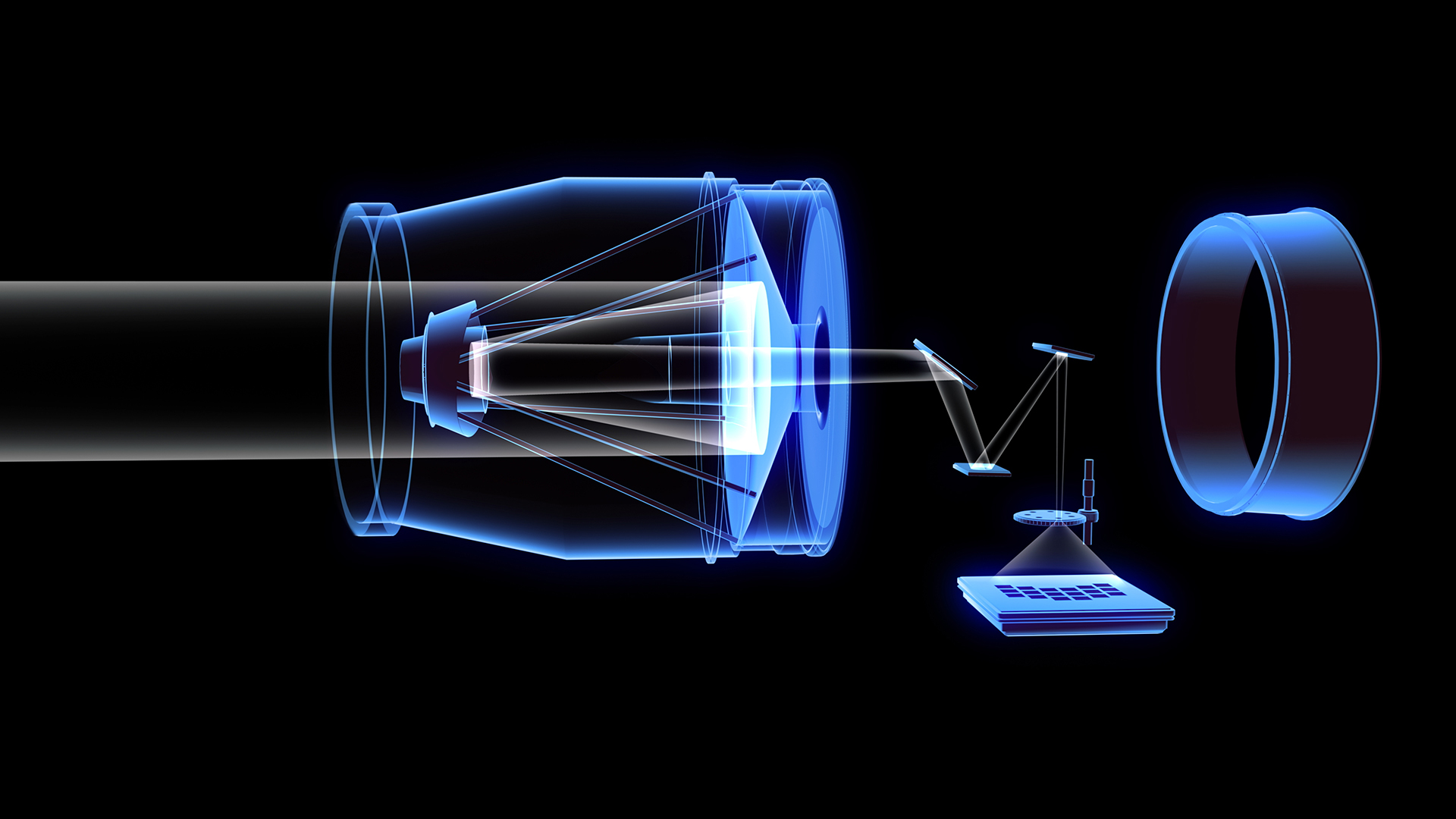
Mapping cosmic dust with Roman is not just a scientific exercise—it will transform many areas of astronomy.
Unlocking the Origins of the Milky Way
Dust carries the chemical fingerprints of ancient stars. Studying it helps scientists understand:
-
How the Milky Way formed
-
How it merged with other galaxies
-
Where its oldest stars reside
Improving Exoplanet Studies
Dust affects how we measure star brightness—crucial for detecting planets. Roman’s dust maps will lead to much more accurate measurements of:
-
Exoplanet sizes
-
Distances
-
Orbits
Preparing for Future Missions
Understanding dust distribution is essential for future missions exploring the galactic center, hunting black holes, and studying early galaxy formation.
The Legacy of Nancy Grace Roman
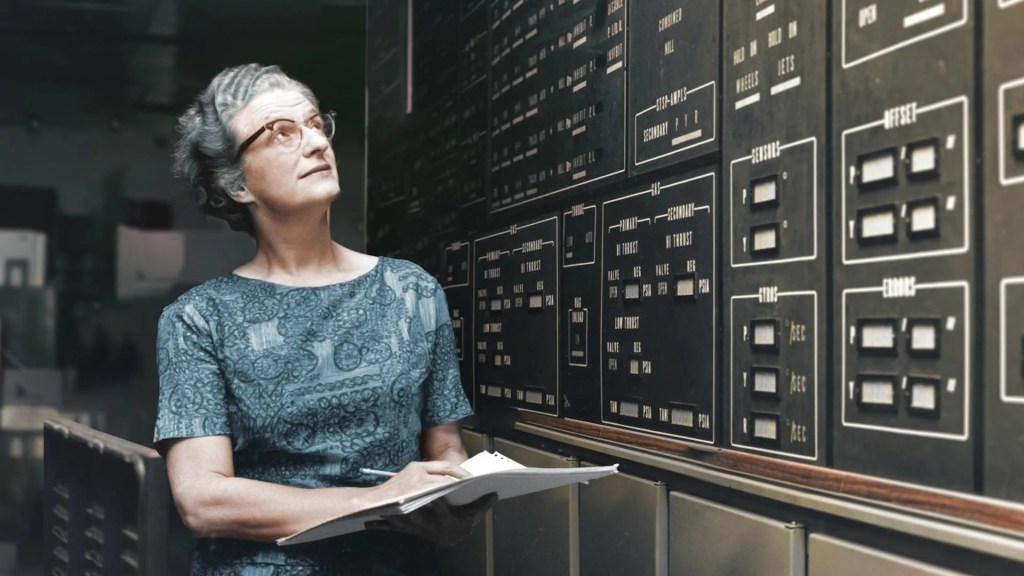
Roman’s name carries the legacy of Nancy Grace Roman, who played a pivotal role in the development of the Hubble Space Telescope. She championed space-based astronomy at a time when the field faced heavy skepticism.
Her vision laid the foundation for a generation of discoveries—and the telescope named after her will push that legacy even further.
A Mission That Will Change How We See the Galaxy
The Roman Space Telescope will transform cosmic dust from an obstacle into a powerful scientific tool. It will unveil the hidden structure of our galaxy, reveal its past, and help predict its future. By capturing vast, dust-penetrating images of the Milky Way, Roman will give humanity its most complete picture of home.
For the first time, we may truly see what our galaxy looks like from the inside.
Read Also: Keep your face towards the sunshine and shadows will fall behind you
Watch Also: https://www.youtube.com/@TravelsofTheWorld24





Leave a Reply