
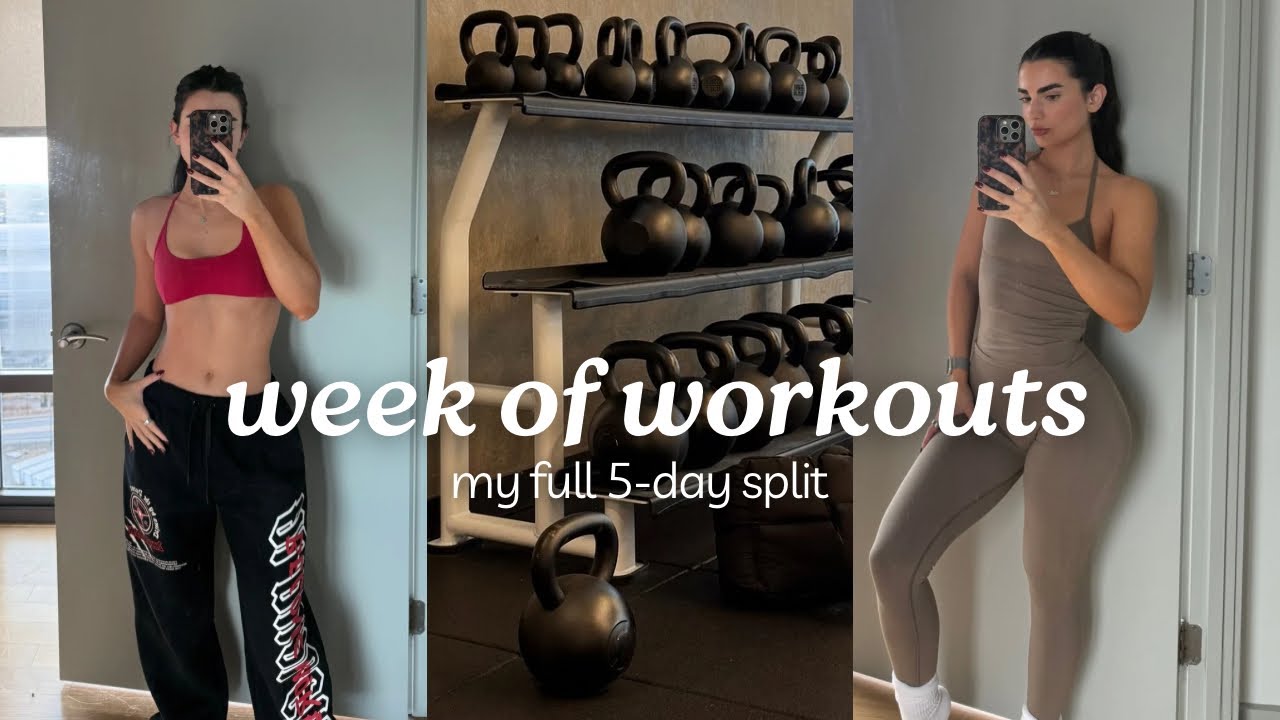
Creating a consistent gym routine can be challenging, especially with busy schedules, lack of motivation, or uncertainty about what exercises to do each day. Sharing a real, practical approach can help you structure your own workout plan and stick to it. In this article, we’ll break down a 5-day gym routine that balances strength training, cardio, and recovery, designed for building muscle, improving fitness, and staying consistent throughout the week.
Whether you are a beginner, intermediate, or someone returning to the gym after a break, this routine can be adapted to your fitness level. The goal is to target all major muscle groups, allow adequate recovery, and keep the workouts engaging.
Why a 5-Day Gym Routine Works
A 5-day gym routine is popular because it strikes a balance between intensity and recovery. Training too often can lead to burnout, while training too little can slow progress. By spreading workouts across five days, you allow each muscle group time to recover while keeping your metabolism active.
Benefits of a 5-Day Gym Routine:
-
Structured and predictable schedule
-
Balanced muscle engagement (upper body, lower body, core)
-
Allows for progressive overload to build strength and size
-
Incorporates cardio and flexibility work
-
Encourages consistency without overtraining
The key is planning exercises intelligently, focusing on form, and gradually increasing weights or intensity to continue improving.
My 5-Day Workout Split
The routine follows a split approach, meaning different muscle groups are trained on different days. This allows for focused work and optimal recovery. Here’s the breakdown:
Day 1: Chest & Triceps
Chest and triceps are often paired because many pressing movements engage both muscle groups.
Typical exercises include:
-
Bench press (flat or incline)
-
Dumbbell flyes
-
Push-ups (weighted or bodyweight)
-
Tricep dips
-
Tricep pushdowns or overhead extensions
Tips: Focus on controlled movements, fully contracting the chest and triceps, and keeping rest periods between 60–90 seconds for hypertrophy (muscle growth).
Day 2: Back & Biceps
Your back and biceps complement each other; pulling exercises target the back while biceps assist.
Typical exercises include:
-
Lat pulldowns or pull-ups
-
Bent-over rows (barbell or dumbbell)
-
Seated cable rows
-
Dumbbell curls or barbell curls
-
Hammer curls
Tips: Maintain proper form, avoid using momentum, and squeeze the back muscles at the top of each movement for maximum engagement.
Day 3: Legs & Glutes
Leg day is crucial for overall strength, stability, and metabolism. It engages the largest muscles in the body.
Typical exercises include:
-
Squats (barbell or bodyweight for beginners)
-
Lunges (walking or stationary)
-
Leg press
-
Deadlifts (conventional or Romanian)
-
Glute bridges or hip thrusts
Tips: Prioritize proper technique over heavy weights, especially on squats and deadlifts. Controlled movements reduce injury risk and ensure muscle activation.
Day 4: Shoulders & Abs
This day focuses on building shoulder strength, stability, and a strong core.
Typical exercises include:
-
Overhead press (dumbbell or barbell)
-
Lateral raises
-
Front raises
-
Planks and variations (side plank, plank with shoulder taps)
-
Cable or weighted crunches
Tips: Avoid using excessive weight on shoulder raises to prevent strain. Keep ab exercises challenging but controlled, focusing on core engagement.
Day 5: Full-Body / Functional Training
The fifth day combines full-body exercises and functional movements to improve overall fitness, endurance, and coordination.
Typical exercises include:
-
Deadlifts or kettlebell swings
-
Pull-ups or chin-ups
-
Push-ups or bench press
-
Lunges or step-ups
-
Core circuit (mountain climbers, leg raises, Russian twists)
Tips: This day can be slightly higher intensity, with shorter rest periods to boost cardiovascular fitness while still targeting all major muscle groups.
Cardio & Active Recovery
While the main focus is on strength and muscle building, cardio is still important for heart health and calorie management. Cardio sessions can be done 2–3 times a week, ideally on rest days or after your weight training.
Options include:
-
Treadmill running or incline walking
-
Cycling
-
Rowing machine
-
High-intensity interval training (HIIT)
Additionally, incorporating active recovery such as light stretching, yoga, or a brisk walk helps reduce muscle soreness and improve mobility.
Rest & Recovery
Rest is just as important as training. Without proper recovery, muscles cannot repair and grow effectively.
Tips for recovery:
-
Get 7–9 hours of sleep per night
-
Maintain a protein-rich diet to support muscle repair
-
Stay hydrated
-
Use foam rolling or massage for tight muscles
Scheduling rest days strategically—like after Day 3 or Day 5—ensures your body has time to recover and perform optimally in the next session.
Progression and Tracking
Consistency alone won’t guarantee results unless you progressively challenge your muscles. Here’s how to track and progress:
-
Increase weight gradually on compound lifts like bench press, squats, and deadlifts
-
Increase reps or sets for isolation movements such as bicep curls or lateral raises
-
Track your workouts in a notebook or app to monitor progress
-
Adjust intensity based on how your body feels; it’s okay to deload when necessary
Progressive overload is the key principle behind muscle growth and strength gains.
Nutrition and Lifestyle Tips
A well-rounded gym routine requires proper nutrition and lifestyle habits:
-
Protein: Essential for muscle repair (chicken, fish, tofu, eggs, legumes)
-
Carbohydrates: Fuel your workouts (oats, rice, potatoes, fruits)
-
Healthy fats: Support hormones and recovery (avocado, nuts, olive oil)
-
Hydration: Keeps performance high and aids recovery
-
Consistency: Results come with sustained effort over weeks and months
Remember, exercise alone is only one part of the fitness equation. Nutrition and lifestyle habits are equally critical for reaching your goals.
Why This Routine Works
This 5-day gym routine is effective because it:
-
Provides a balanced approach targeting all major muscle groups
-
Combines strength training and cardio
-
Allows adequate recovery while keeping a steady training frequency
-
Is adaptable for beginners and advanced lifters
-
Encourages long-term consistency with a realistic schedule
By following a structured plan like this, you not only see physical improvements but also gain confidence, discipline, and motivation to maintain a healthy lifestyle.
Final Thoughts
Consistency is the key to success in fitness. A 5-day gym routine like this provides structure, accountability, and measurable progress. The focus should always be on proper form, gradual progression, and recovery.
Whether your goal is building muscle, losing fat, or improving overall fitness, a routine like this can help you stay on track and achieve results. The most important step is to start and stick with it—because even the best workout routine won’t work if it’s not followed consistently.
Remember, fitness is a journey, not a race. Stick to your plan, listen to your body, and celebrate small victories along the way.
Read Also: Keep your face towards the sunshine and shadows will fall behind you
Watch Also: https://www.youtube.com/@TravelsofTheWorld24











Leave a Reply