
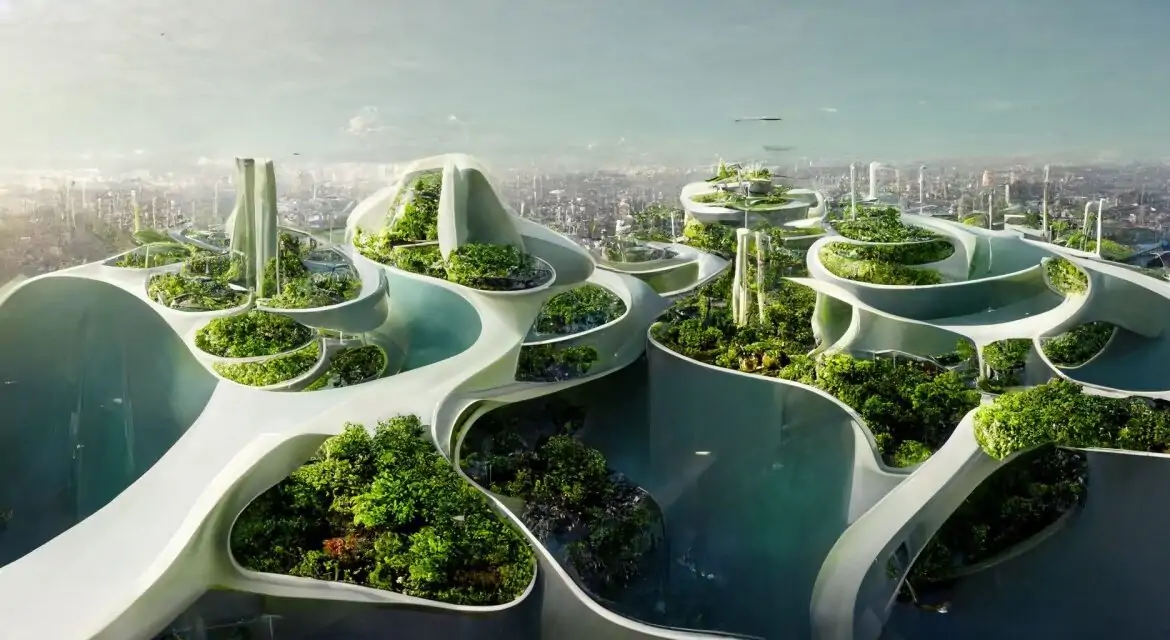
The future of architecture is unfolding faster than ever before. As the world continues to confront climate change, rapid urbanization, technological innovation, and shifting human lifestyles, architecture is evolving into a discipline far more dynamic and interdisciplinary than its past. Buildings are no longer judged only by how they look; they are evaluated by how they perform, how they adapt, and how they contribute to a sustainable and equitable world. The architecture of tomorrow blends creativity with science, merging human emotion with digital intelligence. It is greener, smarter, more resilient, and deeply people-centered.
In this landscape of transformation, architects are tasked with designing not just spaces, but solutions. Below is a deep exploration of what the future of architecture holds and the trends that will define the built environment of the next century.
1. Sustainable & Regenerative Architecture: Building for a Planet in Crisis
In the past, sustainability was a trend; today, it is a necessity. The future of architecture will revolve around regenerative design—buildings that not only reduce harm but actively heal ecosystems. Net-zero buildings will become standard, while net-positive buildings will lead the next wave, producing more energy than they consume.
Key transformations shaping sustainable architecture:
-
Bio-based building materials such as hempcrete, bamboo, mycelium, and algae-based panels will replace carbon-heavy resources like concrete.
-
Green roofs and vertical forests will play a major role in cooling cities and enhancing biodiversity.
-
Passive design strategies will minimize energy consumption, using natural light, ventilation, and thermal mass.
-
Circular construction will eliminate waste, emphasizing recyclable materials and modular components.
As climate challenges intensify, architecture will shift from being environmentally responsible to being environmentally restorative—actively improving the health of the planet.
2. Smart Buildings & AI Integration: When Architecture Becomes Intelligent
The next era of architecture will be driven by technology and data. Artificial intelligence, automation, and advanced sensors will transform buildings into responsive organisms that can think, learn, and adapt.
How smart architecture will evolve:
-
AI-driven design tools will allow architects to simulate thousands of design possibilities in seconds, optimizing for durability, energy efficiency, and human comfort.
-
Internet of Things (IoT) will enable buildings to respond to real-time conditions—adjusting temperature, lighting, and ventilation based on occupancy.
-
Digital twins will provide virtual replicas of buildings, allowing continuous monitoring, predictive maintenance, and energy optimization.
-
Adaptive interiors will change layout based on user needs, converting a living room into a workspace or a studio into a fitness area at the touch of a button.
Architecture will not just provide shelter; it will provide intelligence. Buildings will understand human behavior and modify themselves to enhance quality of life.
3. 3D Printing, Robotics & New Construction Methods
Construction, long criticized for being slow and resource-intensive, is about to experience a revolution. The future of architecture will witness robotic construction and 3D printing becoming widespread, enabling buildings to be created faster, with greater precision, and at lower cost.
Future construction innovations:
-
3D-printed homes will become affordable options in both rural and urban areas.
-
Robotic bricklayers, drones, and automated fabricators will reduce human risk and increase efficiency.
-
Modular and prefabricated architecture will dominate urban environments, reducing construction time by up to 70%.
-
Carbon-negative concrete and self-healing materials will increase longevity and reduce maintenance.
This technological shift will democratize high-quality housing, solving global problems like homelessness, disaster recovery, and housing shortages.
4. The Human-Centered Revolution: Architecture That Cares
While technology grows rapidly, the future of architecture remains deeply human-centric. Tomorrow’s buildings will prioritize emotional well-being, accessibility, and community connection.
Key human-centered trends:
-
Biophilic design—bringing nature indoors—is set to become the heart of architecture, as research links natural elements to mental health and productivity.
-
Universal design ensures spaces are accessible for all ages, abilities, and backgrounds.
-
Micro-neighborhoods and mixed-use developments will rise to support walkability and social interaction.
-
Flexible living spaces will accommodate various lifestyles—from remote work to multi-generational families.
The future is not only smart, but also sensitive. Architecture will focus on healing, inclusion, and holistic human experience.
5. Urban Futures: Megacities, Vertical Architecture & Rewilding
As global populations concentrate in cities, new urban strategies will reshape how people live and move.
Future-oriented city planning:
-
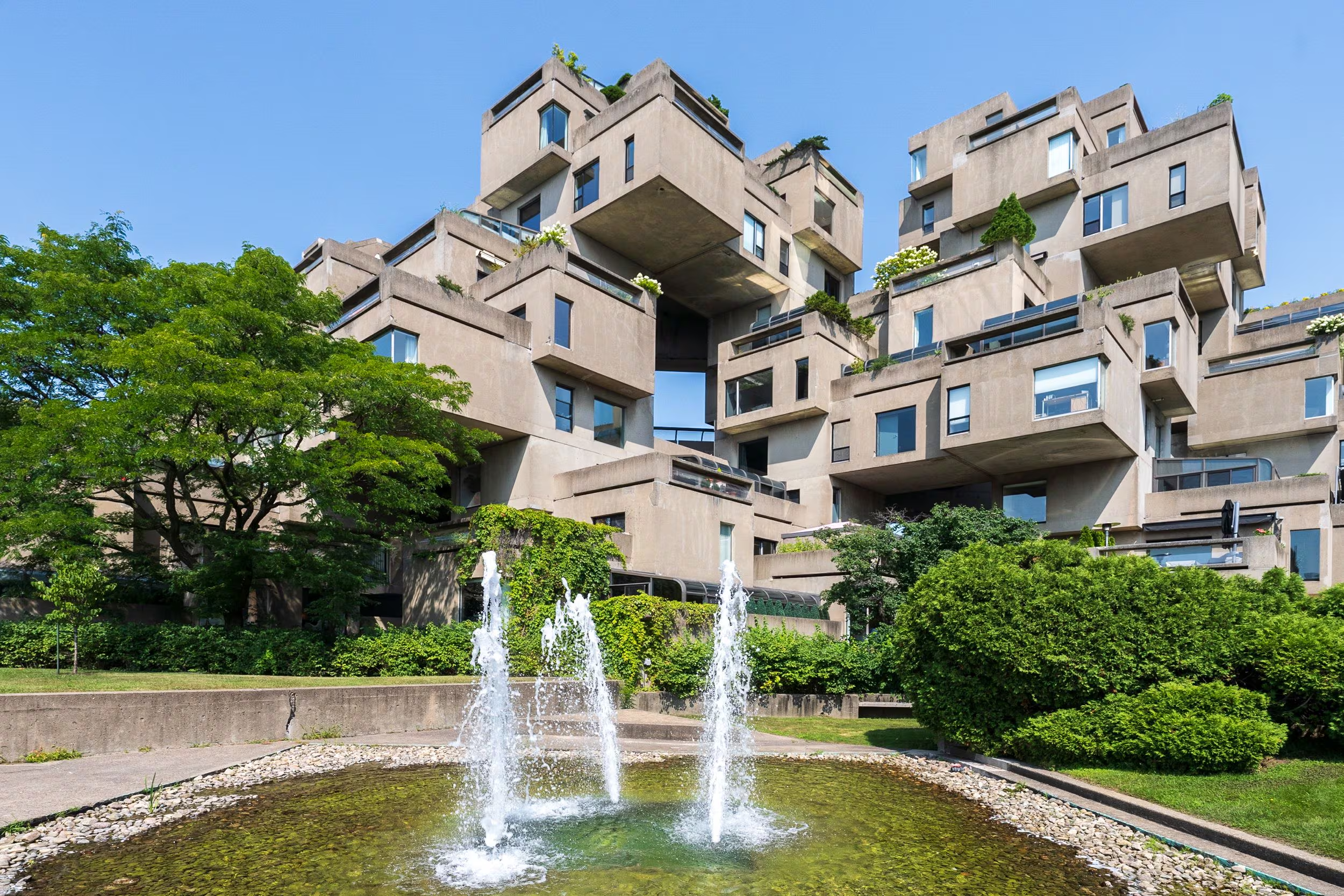
Vertical cities with multi-layered transportation, sky bridges, and stacked public spaces will reshape skylines.
-
15-minute cities, where essential services are accessible by walking or cycling, will reduce pollution and traffic.
-
Urban rewilding will convert concrete-heavy zones into green corridors, wildlife habitats, and breathable spaces.
-
Resilient coastal architecture will use floating structures, amphibious homes, and elevated walkways to respond to rising sea levels.
Cities will no longer grow outward but upward and inward, becoming smarter, greener, and more compact.
6. Cultural Preservation Through Future Design
Although the future is high-tech, architecture will not abandon its cultural roots. A major trend ahead is reinterpreting heritage with modern innovation.
Examples include:
-
Restoring historic structures using AI scanning and digital reconstruction.
-
Combining ancient techniques—ventilation towers, stone insulation, mud architecture—with modern engineering.
-
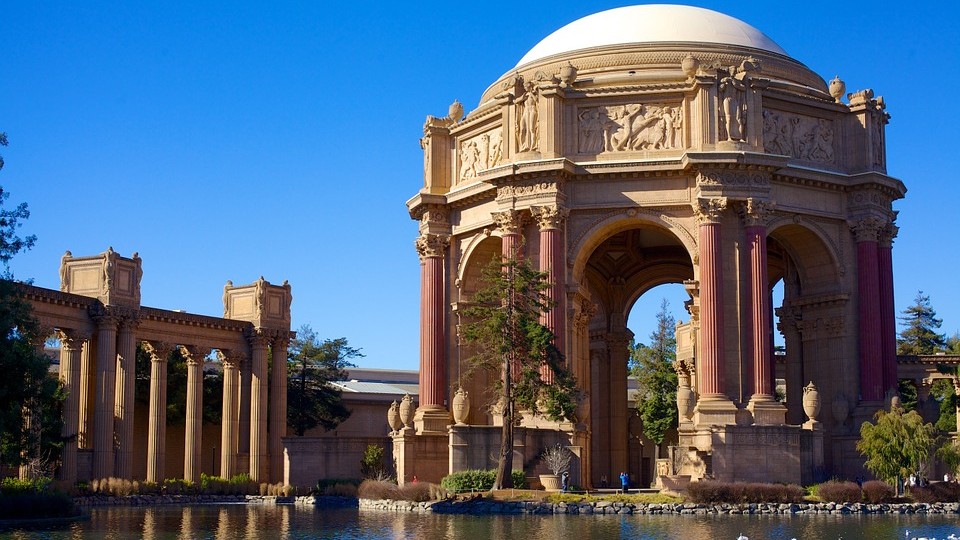
Designing contemporary buildings with patterns, materials, and forms that reflect local identity.
The architecture of the future will be global in technology but local in spirit.
7. The Architect of Tomorrow: A Multi-Disciplinary Creator
Architects of the future will wear many hats—they will be designers, environmentalists, data analysts, psychologists, and storytellers. New architectural education will emphasize:
-
sustainability science
-
coding and computational design
-
behavioral research
-
ethics and social responsibility
-
collaboration with AI
Architects will not only design structures; they will design systems, experiences, and solutions for an evolving world.
Read Also: The Race to 300 mph: Will Hennessey or Koenigsegg Break the Speed Record in 2025?
Conclusion: A Future Built on Innovation, Responsibility & Humanity
The future of architecture is bold, responsive, and transformative. It is a future where technology enhances creativity, where sustainability becomes the foundation of design, and where buildings are created not only to exist but to serve, heal, and inspire. The architecture of tomorrow belongs to a world that values balance—between nature and innovation, between intelligence and emotion, and between global vision and cultural heritage.
As we move forward, architecture will continue to push boundaries, redefine possibilities, and shape the human story in ways we have only begun to imagine.
Watch Also: https://www.youtube.com/@TravelsofTheWorld24







Leave a Reply