
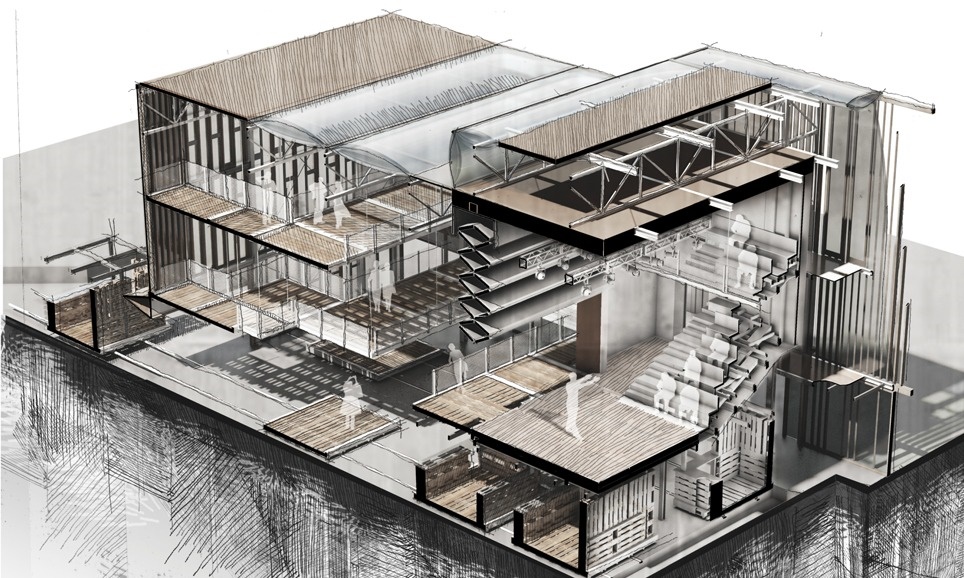
Architecture is one of the oldest and most influential disciplines in human civilization. From the pyramids of Egypt and the temples of Ancient Greece to modern skyscrapers and eco-friendly homes, architecture shapes the world we live in. It reflects culture, solves practical needs, enhances social life, and defines the physical identity of cities and communities. Yet architecture is far more than designing beautiful buildings; it is a complex blend of art, science, engineering, design thinking, sustainability, and human psychology.
This article explores what architecture truly means, why it matters, and the wide range of functions an architect performs in society today.
What Is Architecture?
At its core, architecture is the art and science of designing and constructing buildings and spaces. It involves creating environments where people live, work, interact, and express their cultural values. Architecture balances functionality, safety, beauty, and sustainability to develop structures that are both useful and aesthetically pleasing.
Architecture is not limited to buildings alone—it includes:
-
Homes and apartments
-
Offices and commercial complexes
-
Bridges, roads, and transportation hubs
-
Public spaces like parks and plazas
-
Cultural structures like museums, temples, and monuments
-
Landscape designs
-
Urban planning and community layouts
-
Interior spaces and spatial organization
Essentially, architecture influences how people experience a space, how they move through it, how safe they feel, and how it affects their emotions and well-being.
Key Aspects of Architecture
1. Functionality
Architecture must solve real-life problems. Buildings should provide comfort, safety, and operational efficiency—whether it’s a school, hospital, market, or home.
2. Aesthetics
Architecture uses design principles (proportion, symmetry, texture, color, scale) to create visually pleasing structures. Aesthetic appeal plays a major role in defining cultural identity and beauty.
3. Structure and Engineering
A building must stand safely. Architecture relies on physics, mathematics, structural engineering, and material science to ensure stability.
4. Sustainability
Modern architecture emphasizes eco-friendly materials, energy efficiency, and designs that reduce environmental impact.
5. Human Experience
Architecture considers psychology—how people feel in a space, how they interact, and what emotions the space evokes.
6. Cultural Expression
Buildings represent traditions, beliefs, and values. Historical monuments and contemporary designs both reflect cultural growth.
Why Architecture Is Important
Architecture plays a significant role in shaping societies:
-
It improves the quality of life.
-
It creates safe and comfortable living environments.
-
It influences social behavior and community interaction.
-
It drives economic development through infrastructure.
-
It preserves history and culture.
-
It contributes to environmental protection through sustainable design.
In essence, architecture blends creativity with practicality to build the foundation of civilization.
What Are the Functions of an Architect?
An architect is a trained professional responsible for planning, designing, and overseeing the construction of buildings and spaces. Their job involves creativity, technical knowledge, communication, problem-solving, and project management.
Below are the main functions of an architect:
1. Designing Buildings and Spaces
This is the most recognized role of an architect. They create designs that meet client needs, ensure safety, and are visually appealing. This includes:
-
Sketches
-
3D models
-
Floor plans
-
Elevations
-
Interior layouts
-
Exterior aesthetics
Architects blend artistic vision with practical constraints like space availability, budget, and building codes.
2. Conducting Site Analysis
Before designing, an architect studies the site to understand:
-
Climate and weather patterns
-
Soil quality
-
Sunlight direction
-
Surrounding buildings
-
Noise levels
-
Accessibility and traffic flow
This ensures the final design is functional, safe, and environmentally suitable.
3. Understanding Client Needs
Architects work closely with clients to understand:
-
Purpose of the building
-
Budget
-
Style preferences
-
Space requirements
-
Future expansion needs
They translate these needs into a detailed design proposal.
4. Producing Technical Drawings
Architects create detailed drawings and blueprints used by builders, contractors, and engineers. These technical documents specify:
-
Dimensions
-
Materials
-
Structural details
-
Electrical layouts
-
Plumbing systems
-
HVAC plans
The drawings ensure that the construction process is accurate and safe.
5. Ensuring Code Compliance
Buildings must follow:
-
Local laws
-
Safety standards
-
Building codes
-
Zoning regulations
-
Environmental rules
Architects are responsible for ensuring that their designs meet all legal requirements.
6. Collaboration With Engineers and Contractors
Architecture is teamwork. An architect collaborates with:
-
Structural engineers
-
Interior designers
-
Civil engineers
-
Landscape designers
-
Contractors and builders
-
Government authorities
This coordination ensures every part of the project runs smoothly.
7. Project Management
Architects manage the entire project from concept to completion. This includes:
-
Creating timelines
-
Monitoring budgets
-
Supervising construction
-
Conducting site visits
-
Solving on-site problems
-
Ensuring design quality
Their oversight prevents errors, delays, and safety risks.
8. Material Selection
Choosing the right materials is crucial for durability, aesthetics, cost control, and environmental impact. Architects choose materials based on:
-
Climate suitability
-
Sustainability
-
Strength
-
Maintenance needs
-
Budget
-
Visual appeal
9. Focusing on Sustainability
Modern architects integrate eco-friendly practices like:
-
Green roofs
-
Natural ventilation
-
Solar panels
-
Rainwater harvesting
-
Recycled materials
Sustainable architecture reduces pollution and supports environmental conservation.
10. Improving User Experience
A good architect ensures the building is comfortable and user-friendly. They consider:
-
Lighting
-
Ventilation
-
Space flow
-
Accessibility for all ages
-
Safety
-
Acoustic comfort
The goal is to create spaces that improve the well-being of users.
11. Renovation and Restoration
Architects often work on restoring historic structures or redesigning existing buildings. This includes:
-
Preserving heritage
-
Upgrading facilities
-
Strengthening structures
-
Improving efficiency
Their work helps maintain cultural continuity while modernizing old spaces.
Read Also: The Race to 300 mph: Will Hennessey or Koenigsegg Break the Speed Record in 2025?
12. Innovation and Creative Problem-Solving
Every building presents unique challenges. Architects must think creatively to:
-
Maximize space in small areas
-
Reduce cost without reducing quality
-
Improve energy efficiency
-
Design for irregular terrains
-
Solve structural limitations
Their creativity helps turn limitations into opportunities.
Conclusion
Architecture is much more than constructing buildings—it is the art of designing life-enriching spaces. It blends creativity, engineering, culture, technology, and environmental responsibility. Architects play a crucial role in transforming ideas into reality. Their functions include designing buildings, managing projects, ensuring safety, collaborating with professionals, analyzing sites, selecting materials, and creating sustainable environments.
Whether shaping the skyline of a busy city or designing a simple family home, architects contribute to society by creating spaces that are safe, functional, beautiful, and meaningful. Their work influences how people live, work, learn, and connect with the world around them.
Watch Also: https://www.youtube.com/@TravelsofTheWorld24







Leave a Reply