
Taxila: The grand entrance archway to the Taxila Museum is captured in the image. Golden stonework and fluted classical columns rise majestically, their tops topped with Ionic-style capitals – a reflection of the very Greco-Roman traditions the museum’s treasures hold. A wrought-iron gate guards the inscribed lintel, an opening to a tree-lined road leading into one of the planet’s most important historical grounds. A City Bolder Than Empires. Before Islamabad was, before Lahore rose to significance, there was Taxila.
With a learning heritage tracing back to the sixth century BCE, Taxila was influenced by the Achaemenid, Greek, Mauryan, and Gupta empires. With evidence from around 600-700 BC, this is one of the most ancient and perpetually important urban locations in South Asia. – IHA NewsWikipediaGandhara was first a province of the Persian Achaemenid Empire up until the conquest of Alexander the Great in 327 BCE. The Mauryan Empire of Chandragupta Maurya then elevated the region, and Emperor Ashoka brought Buddhism to the locals, who then took it to China and beyond.
Few sites in history have seen Persian satraps, Macedonian conquerors, Indian emperors and Central Asian rulers all in such a relatively brief period. Due to its role as a key transit point between major civilisations, including Greeks, Indians and Persians, the region has gained the reputation of being the ‘Oxford of the civilisations’. – TaxilamuseumThree Cities, One ValleyWhat is remarkable about Taxila historically is that it is not a singular ancient site, rather a succession of them – much like book chapters, one stacked atop another. Three principal cities at the Taxila complex can be discerned: Bhir Mound, the oldest, built atop a Stone Age settlement; Sirkap, a Hellenistic city developed by Bactrian Greeks following Alexander’s invasion; and finally Sirsukh, established by the Kushans from Central Asia, the dynasty under whose patronage the iconic Gandharan art form flourished.
Taxilamuseum. At distances of up to ten kilometres from the museum are a number of monastic complexes, central to Taxila, becoming the world-renowned centre for Buddhist study and learning. One of the most important is the site at Jaulian, added to the UNESCO World Heritage List in 1980, set atop a hill whose foundations date back to the Kushans and the second century CE. At Jaulian, one of the world’s oldest universities existed and existed until it was ransacked by a group in the fifth century CE, with stories of students travelling from as far away as Central Asia and China to study the doctrines of the Buddha, together with grammar, medicine and literature – a tradition that far predates similar institutions of learning at places like Oxford and Bologna. ” This is not the oldest thing in the area.
Read more at: https://www.discovernewsdaily24.com/taxila-museum-sacred-relics-display-keeping-alive-the-spirituality-ofgandhara/
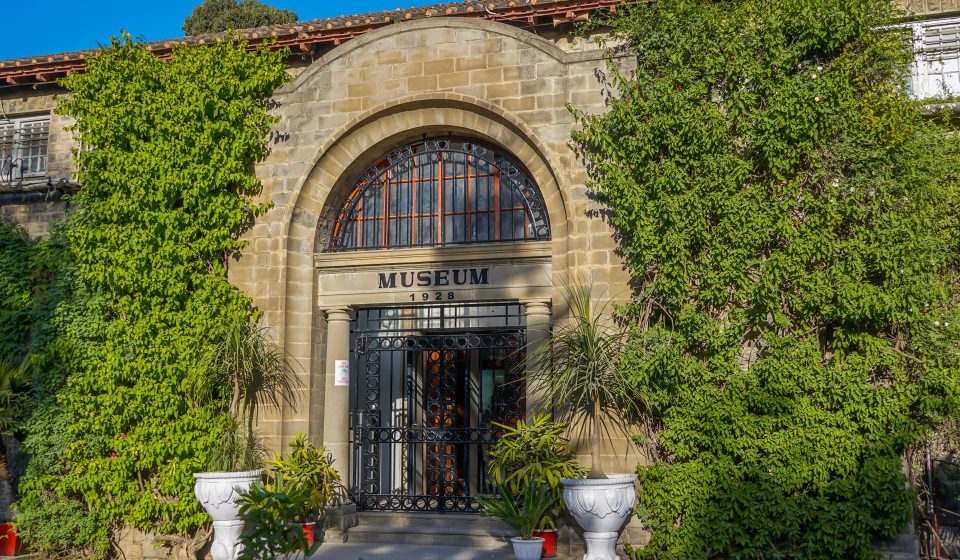
Taxila : Work on building the Taxila Museum started back in 1918 when Lord Chelmsford, then Viceroy of India, laid its foundation stone. Sir Muhammad Habibullah, who then served as Education Minister, opened the museum to the public upon its completion in 1928. – Wikipedia. However, the museum itself would probably not exist if not for one prominent figure of South Asian archaeological studies. Excavation had been going on since 1917 under the supervision of the Director-General of the Archaeological Survey of India, John Marshall, right up until 1934; however, it was another archaeology expert who led the charge in rediscovering Taxila: Sir Alexander Cunningham and his discovery in the middle of the 19th century, the fruits of his labours finally recognised with designation as a UNESCO World Heritage Site in 1980.
The very first curator to oversee the museum in its existence was a man named Mr M. N. Dutta Gupta.
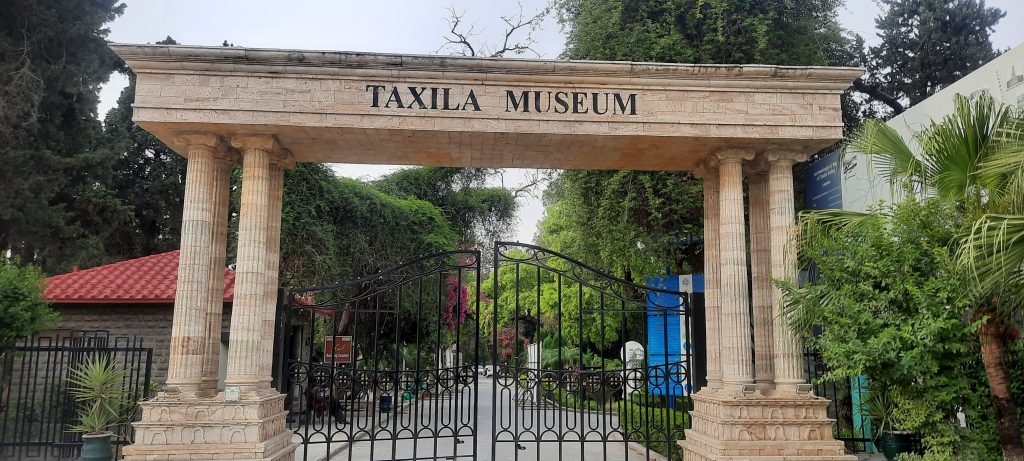
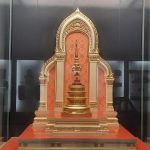
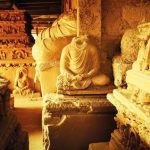
Wikipedia + 2What Lies Beyond the Gate. Enter beyond the ornate iron gates shown here, and step into one of the richest single-source collections of Buddhist artwork. Currently, around 7,000 gadgets are on exhibit, with roughly 30,000 others housed within the reserve collection. Collections embody sacred relic chambers of the Buddha, statues and stupas of stone and stucco, a cache of reliquaries, scripture fragments and textual contents in several historical languages, jewellery and bead gadgets, an assortment of artwork and historical cash, artifacts, together with pottery, culinary objects and tools. – Punjab. The standing Buddha figure pictured within the previous picture, sporting a benevolent face reminiscent of Apollo and falling Roman-style robes, is typical of the work housed inside.
Many of it excavated from the archaeological ruins of the historic website itself. Among the main artistic expressions of this period was sculpture, typically representing the Buddha and Buddhist deities, with formal portraits influenced by Greco-Roman artists. – Wikipedia: What the museum offers visitors doesn’t stop with sculpture. Among its more emotionally potent possessions is a statue referred to as the “Fasting Buddha,” which does not solely represent physical suffering, but, expresses Siddhartha’s wrestle to seek out the middle ground between extreme bodily restraint and extreme sensual gratification.
In addition to showing the mastery of the sculptors over the human physique, the work exhibits an intensity of psychological realism that contrasts with the coolly idealistic standing Buddha shown earlier. – Wonderful Museums You can see not solely images and figures, but additionally artifacts relating to the governance and languages that held energy within the metropolis. A slice of a slab inscription written within the Aramaic dialect, the official lingua franca of the Achaemenid empire, was found at Sirkap and dates to the 3rd century BC. It refers to Emperor Ashok, his consort and his kids.
Different artifacts found at Jaulian consist of charred manuscripts composed on birch bark in Brahmi and Sanskrit, the languages the traditional inhabitants used. – Traveller Trails: A Living Heritage. What really impacts guests is not merely the sheer age of what is on display, but also the palpable sense of connection to the surrounding terrain. In sharp contrast to many museums that house artifacts that seem disconnected from their place of origin, the Taxila Museum appears truly nestled amidst the ancient archaeological sites of Taxila, allowing you to shift seamlessly between visiting, for example, the archaeological wonders of Sirkap or Dharmarajika and perusing the objects extracted from those very places, reinforcing the link between the artifact and its source. – Wonderful MuseumsStanding right here at the entrance doorway, surrounded by towering pine timber and blooming bougainvillea, you might be on the precise cusp separating the twenty-first century from an period that was once the epicentre of Hellenistic, Persian, and Indian civilisations–where these cultures converged to forge what was as soon as the “Oxford of the ancient world” within the valley of Punjab.
See Also: https://www.youtube.com/watch?v=iyU4cZor_Gg