
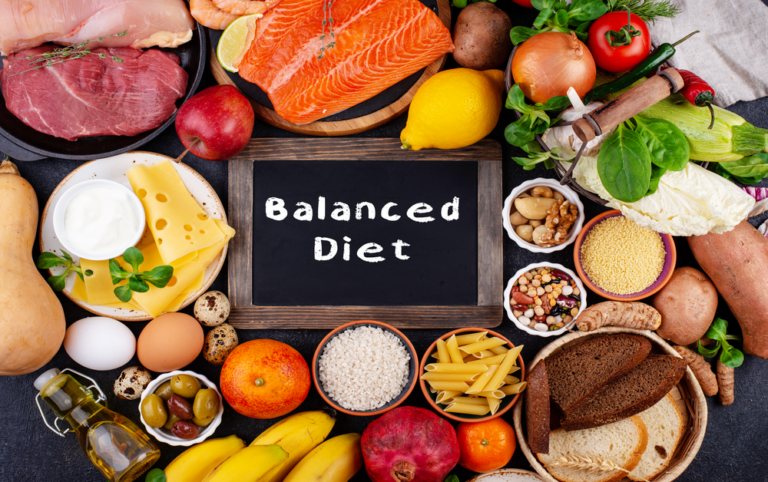
In today’s busy world, many people do not pay much attention to what they eat. Fast food, sugary drinks, and unhealthy snacks have become a regular part of daily life. While these foods may taste good, they can slowly harm our health. This is why having a balanced diet is very important. A balanced diet helps our body get all the nutrients it needs to stay strong, active, and healthy.
A healthy lifestyle is not just about exercise or avoiding illness. It is about taking care of the body in every way, and food plays a major role in this. What we eat every day directly affects how we feel, how we think, and how our body works.
What is a Balanced Diet?
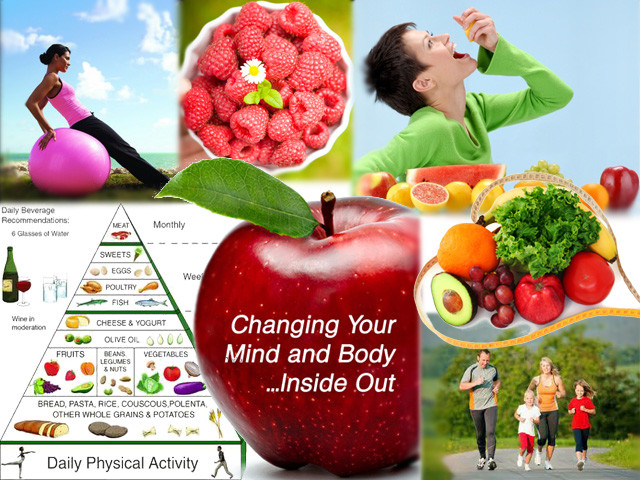
A balanced diet means eating different types of foods in the right amounts. No single food can provide all the nutrients our body needs. That’s why we must include a variety of foods in our meals.
A balanced diet usually includes:
-
Carbohydrates (like rice, bread, pasta)
-
Proteins (like eggs, meat, beans)
-
Fats (like nuts, oils, butter in small amounts)
-
Vitamins and minerals (from fruits and vegetables)
-
Water
Each of these nutrients has a special role in keeping our body healthy.
Why is a Balanced Diet Important?
A balanced diet is important because it supports every function of the body. It gives energy, helps in growth, repairs body tissues, and protects us from diseases.
1. Provides Energy
Food is the main source of energy for our body. Carbohydrates are especially important because they give quick energy. Without enough energy, we feel tired and weak, and we cannot perform daily tasks properly.
2. Supports Growth and Development
Proteins are very important for growth. They help in building muscles, repairing tissues, and making new cells. Children and teenagers especially need a good amount of protein for proper growth.
3. Strengthens the Immune System
A balanced diet helps the body fight diseases. Vitamins and minerals from fruits and vegetables boost the immune system and protect us from infections.
4. Maintains Healthy Weight
Eating the right amount of food helps in maintaining a healthy weight. Too much unhealthy food can lead to weight gain, while too little food can cause weakness.
Components of a Balanced Diet
Let’s understand the main parts of a balanced diet in a simple way.
Carbohydrates
Carbohydrates are the body’s main source of energy. They are found in foods like:
-
Rice
-
Bread
-
Potatoes
-
Cereals
It is better to choose whole grains instead of refined foods because they are healthier.
Proteins
Proteins help in building and repairing the body. They are found in:
-
Meat
-
Fish
-
Eggs
-
Milk
-
Beans and lentils
Proteins are very important for muscle strength and body repair.
Fats
Fats are also needed by the body, but in small amounts. Healthy fats help in:
-
Brain function
-
Energy storage
-
Absorbing vitamins
Healthy sources include nuts, seeds, and oils. Too much unhealthy fat can cause health problems.
Vitamins and Minerals
These are needed in small amounts but are very important. They help in:
-
Keeping bones strong
-
Improving eyesight
-
Boosting immunity
Fruits and vegetables are the best sources of vitamins and minerals.
Water
Water is often ignored, but it is very important. It helps in:
-
Digestion
-
Keeping the body cool
-
Removing waste from the body
Drinking enough water every day is necessary for good health.
Benefits of a Balanced Diet
A balanced diet has many benefits that improve both physical and mental health.
Better Physical Health
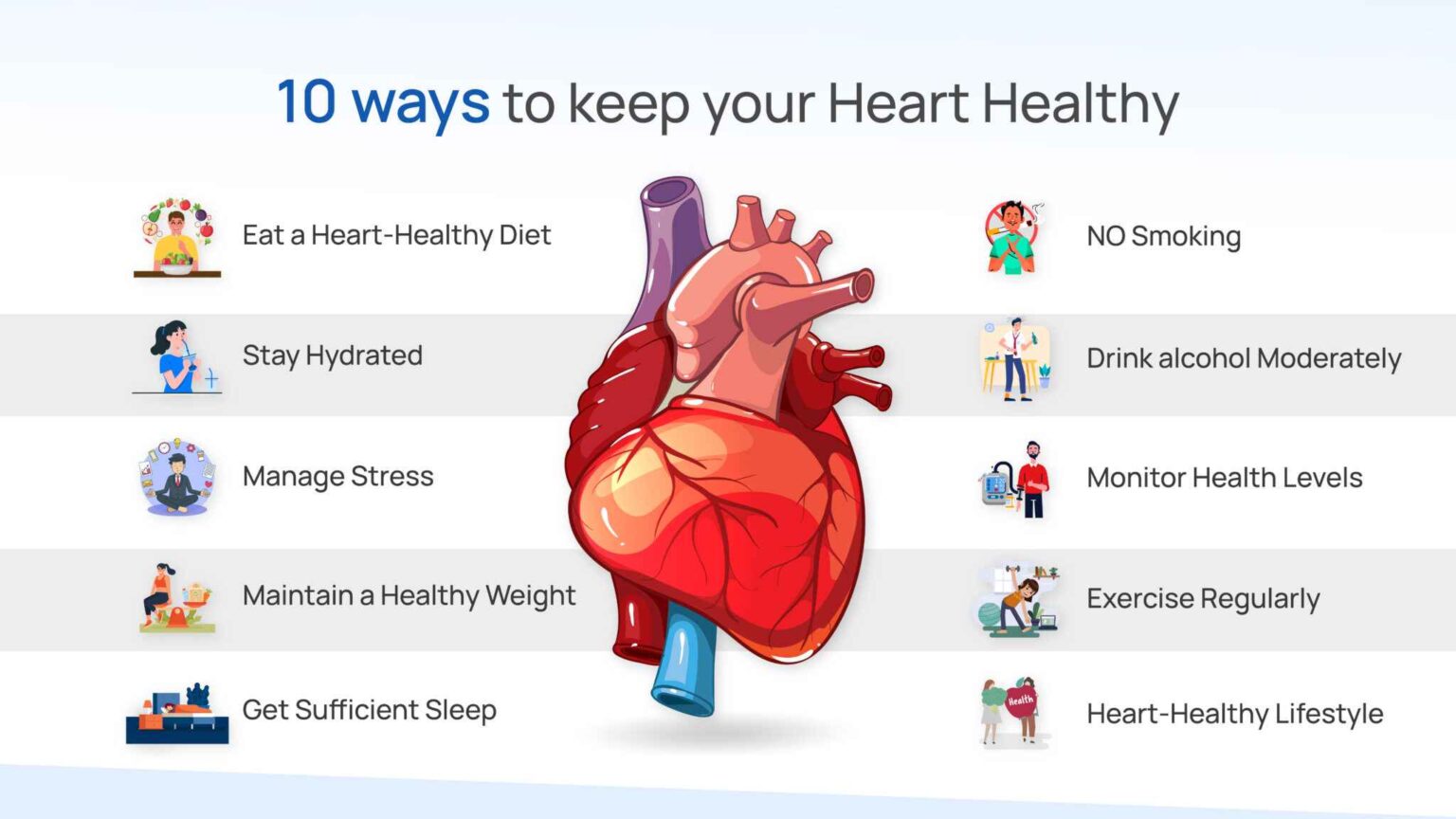
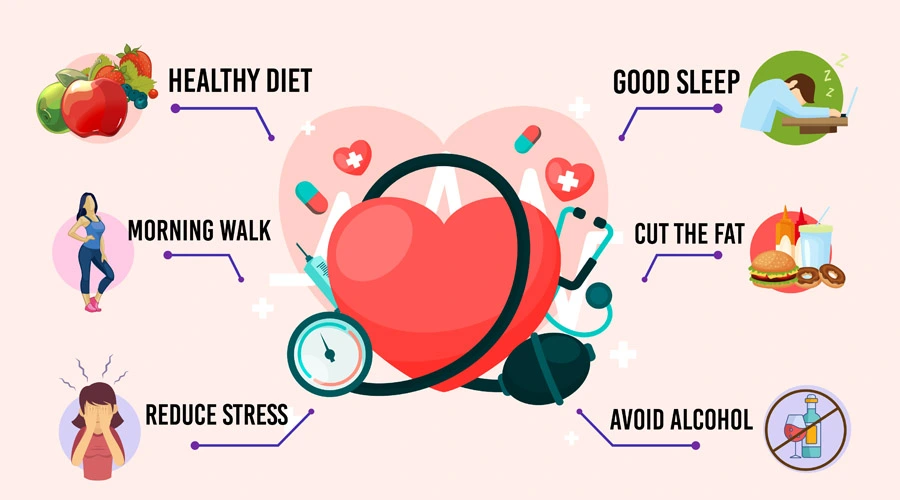
Eating healthy foods keeps the body strong and active. It reduces the risk of diseases like heart problems, diabetes, and obesity.
Improved Mental Health
Food also affects the brain. A good diet can improve mood, reduce stress, and help in better concentration.
Strong Bones and Teeth
Calcium and vitamins help in keeping bones and teeth strong. Milk, yogurt, and green vegetables are good for this.
Better Digestion
Fiber from fruits, vegetables, and whole grains helps in proper digestion and prevents problems like constipation.
Effects of an Unbalanced Diet
Not eating a balanced diet can lead to many problems.
Malnutrition
Malnutrition happens when the body does not get enough nutrients. This can cause weakness, poor growth, and low immunity.
Obesity
Eating too much junk food and sugary items can lead to obesity. This increases the risk of serious diseases.
Weak Immune System
Lack of vitamins and minerals can make the body weak and more likely to get sick.
Low Energy
An unhealthy diet can make a person feel tired and less active.
Balanced Diet and Lifestyle Diseases
Many modern diseases are linked to poor eating habits. These are called lifestyle diseases.
Examples include:
-
Heart disease
-
Diabetes
-
High blood pressure
A balanced diet can help prevent these diseases and improve overall health.
Importance of Balanced Diet for Different Age Groups
Children
Children need a balanced diet for proper growth and development. It helps in building strong bones, muscles, and brain.
Teenagers
Teenagers need more nutrients because their body is growing fast. A balanced diet helps them stay active and focused.
Adults
Adults need a balanced diet to maintain energy and prevent diseases.
Older People
Older adults need healthy food to keep their body strong and avoid health problems.
Role of Balanced Diet in Daily Life
A balanced diet helps in performing daily activities better. It improves:
-
Work performance
-
Study focus
-
Physical strength
People who eat healthy food feel more energetic and active throughout the day.
Tips for Maintaining a Balanced Diet
Maintaining a balanced diet is simple if we follow some easy tips:
-
Eat a variety of foods
-
Include fruits and vegetables in daily meals
-
Avoid too much junk food
-
Drink enough water
-
Do not skip meals
-
Control portion size
Small changes in daily eating habits can make a big difference.
Importance of Meal Planning
Planning meals helps in maintaining a balanced diet. It ensures that we include all nutrients in our daily food.
For example:
-
Breakfast should be healthy and filling
-
Lunch should include a mix of nutrients
-
Dinner should be light
Meal planning also helps in avoiding unhealthy food choices.
Balanced Diet and Physical Activity
A balanced diet works best when combined with physical activity. Exercise helps the body use nutrients properly and stay fit.
Eating healthy and staying active together lead to a better and healthier life.
Common Myths About Diet
Some people believe in wrong ideas about diet, such as:
-
Skipping meals helps in weight loss
-
All fats are bad
-
Eating less is always better
These are not true. The key is balance, not extreme dieting.
Long-Term Impact of a Balanced Diet
Following a balanced diet over time brings many benefits:
-
Longer and healthier life
-
Reduced risk of diseases
-
Better physical and mental health
-
Improved quality of life
Healthy eating is not just for today, but for a better future.
Conclusion
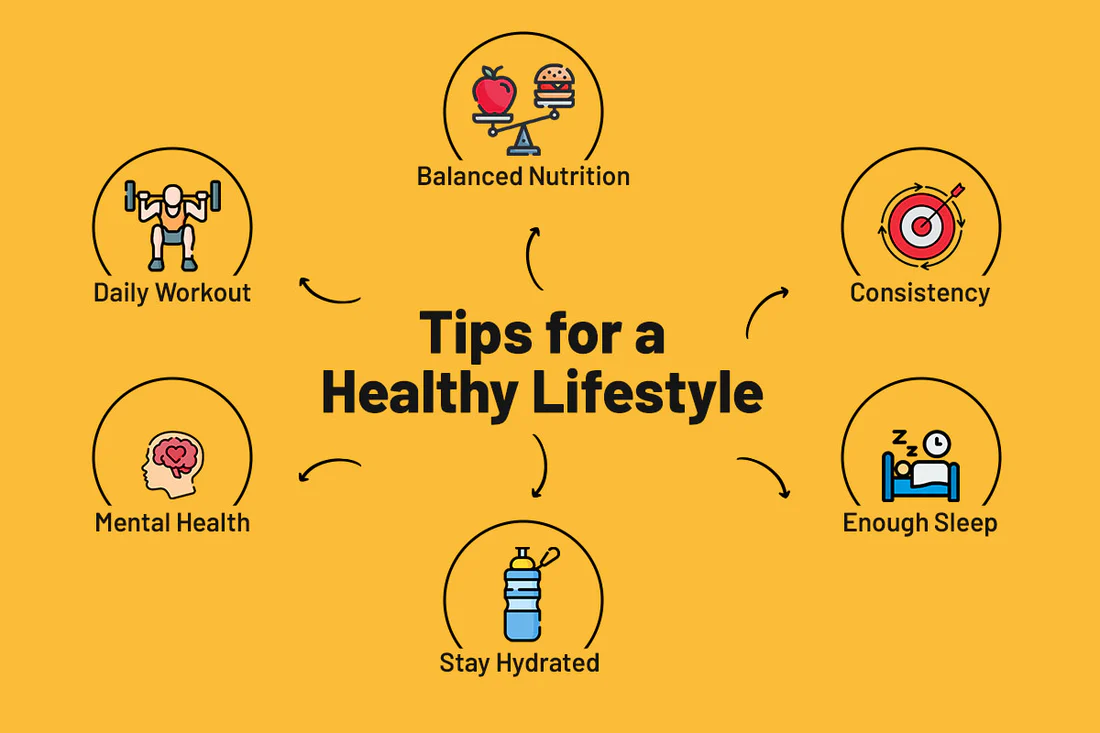
A balanced diet is one of the most important parts of a healthy lifestyle. It provides the body with the nutrients it needs to function properly. Without a balanced diet, the body becomes weak and more prone to diseases.
In today’s world, it is easy to fall into unhealthy eating habits. However, by making simple changes and choosing healthier foods, we can improve our health and well-being.
Eating a balanced diet does not mean giving up all your favorite foods. It simply means eating the right foods in the right amounts. When combined with regular exercise and good habits, a balanced diet can help us live a long, healthy, and happy life.
Read Also: Keep your face towards the sunshine and shadows will fall behind you
Watch Also: https://www.youtube.com/@TravelsofTheWorld24











Leave a Reply