
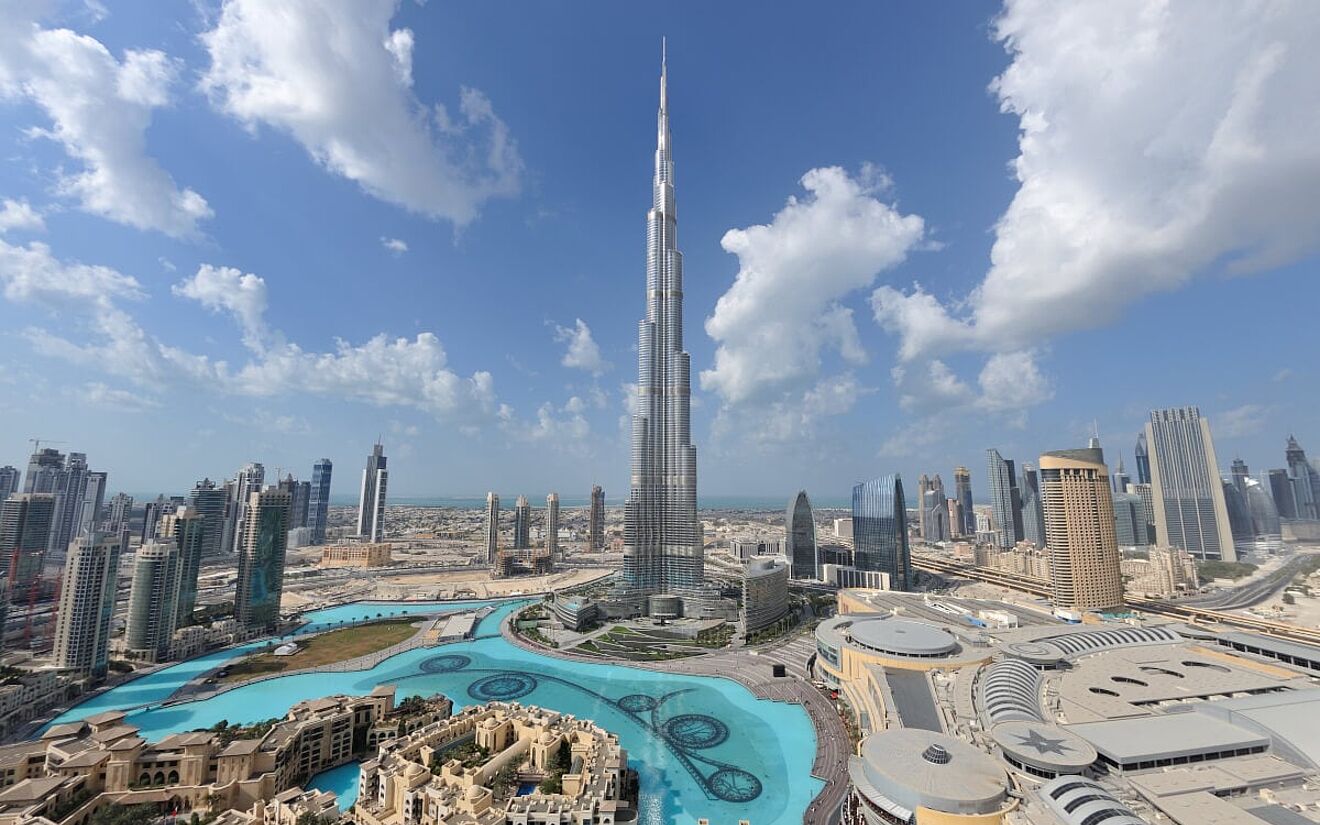
Dubai is famous for luxury, futuristic buildings, and rapid development. One of its most famous landmarks is the Burj Khalifa. It is not only the tallest building on the planet but also a symbol of Dubai’s ambition, innovation, and desire to be a global city.
Rising above the city at a height of 828 meters (2,717 feet), Burj Khalifa dominates the skyline. Its sleek, tapering design is instantly recognizable, making it one of the most photographed buildings in the world. Every year, millions of visitors come to Dubai to see it, go inside, and experience its observation decks.
Why It Was Built
Dubai wanted a building that would put the city on the global map and attract tourists, investors, and businesses. Construction of the Burj Khalifa began in 2004, and the building was officially opened in 2010. The goal was to create more than just a tall building; it was to design an iconic structure that represented Dubai’s growth, ambition, and modern lifestyle.
The project involved thousands of engineers, architects, and construction workers from around the world. It required careful planning, innovative engineering, and cutting-edge technology to achieve its record-breaking height.
Design and Architecture
The Burj Khalifa was designed by the American architect Adrian Smith while he was working with the architecture firm Skidmore, Owings & Merrill. The design takes inspiration from Islamic architecture, particularly the patterns of regional flowers and geometric shapes.
The building’s Y-shaped floor plan was created to maximize views of the Arabian Gulf and provide stability. Its tapering shape, with setbacks at different heights, reduces wind forces and creates a visually stunning spiral effect. The exterior is covered with reflective glass, aluminum, and textured steel, giving it a modern and elegant look.
Construction Challenges
Building the tallest structure in the world was no easy task. Engineers faced challenges like high winds, extreme heat, and the need for enormous amounts of concrete and steel.
-
The foundation is one of the deepest ever built for a building, using reinforced concrete piles drilled into the ground.
-
Special pumping systems were developed to raise concrete to incredible heights.
-
Temperature control was essential to prevent cracking in the hot desert climate.
The project took six years to complete and involved over 12,000 workers at its peak. Safety, precision, and engineering expertise were crucial at every step.
Observation Decks
One of the most popular attractions in Burj Khalifa is the observation decks. The main deck, called At The Top, Burj Khalifa, is located on the 124th floor. Another deck on the 148th floor is even higher, giving visitors a breathtaking view of Dubai, the desert, and the Persian Gulf.
From these platforms, visitors can see:
-
The Palm Jumeirah islands
-
The Dubai Fountain and Burj Lake
-
Downtown Dubai and Emirates Towers
-
Desert landscapes and distant mountains
Clear days provide views stretching over 80 kilometers (50 miles). Many tourists visit at sunset to see the city bathed in golden light.
Luxury Hotel and Residences
Burj Khalifa is more than a tourist attraction. It contains luxury apartments, offices, and a hotel.
-
Armani Hotel Dubai: Designed by Giorgio Armani, the hotel occupies several floors and provides elegant rooms, restaurants, and spas.
-
Residential Apartments: The tower has hundreds of private apartments with stunning views and modern amenities.
-
Corporate Offices: Some floors are reserved for businesses, offering high-end office spaces.
Living or working here means being at the center of the world’s most ambitious urban project.
The Dubai Fountain
At the base of Burj Khalifa is the Dubai Fountain, a huge water show that combines music, lights, and dancing water jets. The fountain can shoot water over 150 meters (490 feet) into the air.
Visitors often watch the fountain from the tower itself, the surrounding promenades, or nearby restaurants. The combination of Burj Khalifa’s height and the fountain’s motion creates one of the most stunning cityscapes in the world.
Nighttime Views
At night, Burj Khalifa transforms into a glowing centerpiece. Thousands of lights illuminate the tower, often with special effects for celebrations like New Year’s Eve.
Dubai’s New Year fireworks show from Burj Khalifa is famous worldwide. The tower becomes a symbol of festivity, attracting thousands of spectators and millions watching online.
Engineering and Sustainability
Despite its height, Burj Khalifa was designed with energy efficiency in mind:
-
Condensate water from air conditioning is collected and reused for landscaping.
-
High-performance glazing reduces heat gain and lowers energy use.
-
Efficient lighting systems illuminate the building without wasting electricity.
It shows that even a massive skyscraper can be designed to consider the environment, especially important in a desert climate.
Tourism and Global Icon
Burj Khalifa has transformed Dubai’s identity. Tourists from every continent come to marvel at the building, dine in its restaurants, and experience the views.
It has appeared in movies, advertisements, and travel guides, symbolizing Dubai’s ambition and modernity. Many people visit Dubai primarily to see this skyscraper, making it a central attraction in the city’s tourism industry.
Record-Breaking Facts
Burj Khalifa holds several records:
-
Tallest building in the world: 828 meters (2,717 feet)
-
Tallest free-standing structure
-
Highest observation deck in the world (148th floor)
-
Elevators with the longest travel distance
These records reinforce its status as an architectural marvel and engineering triumph.
Urban and Cultural Impact
The tower is part of a larger development called Downtown Dubai, which includes luxury shopping malls, hotels, and residential areas. Its presence has increased tourism, investment, and international attention to the city.
Culturally, Burj Khalifa represents Dubai’s vision of blending modernity, luxury, and global ambition. It stands as a symbol that anything is possible with vision, planning, and determination.
Visiting Tips
For those visiting:
-
Best Times: Sunrise for tranquility, sunset for colors, evening for city lights
-
Tickets: Booking in advance for observation decks is recommended
-
Photography: The tower offers unique angles from nearby parks, fountains, and bridges
Even just viewing it from outside, the Burj Khalifa inspires awe and admiration.
Conclusion
Burj Khalifa is more than a building — it is a statement. It shows how a city can rise from desert sands to global prominence. Its height, elegance, and design make it a symbol of human ambition and modern engineering.
Whether you visit to experience the observation decks, dine in luxury, or simply admire it from afar, Burj Khalifa leaves a lasting impression. It represents Dubai’s transformation from a small trading port to one of the world’s most dynamic and futuristic cities.
Standing beneath it, looking up at its glittering spire, it’s easy to understand why Burj Khalifa is not just the tallest building in the world, but one of the most unforgettable landmarks anywhere.





Leave a Reply