
Eating healthy doesn’t mean following strict diets or giving up your favorite foods. It’s really about balance and variety. Our bodies need many different nutrients to stay strong, active, and healthy. No single food can give you everything, so the best way to stay healthy is to eat a mix of different foods every day.
This simple habit can improve your energy, support your immune system, and help you feel your best. Let’s explore why eating a variety of healthy foods matters and how you can easily do it in your daily life.
1. Why Variety Is Important
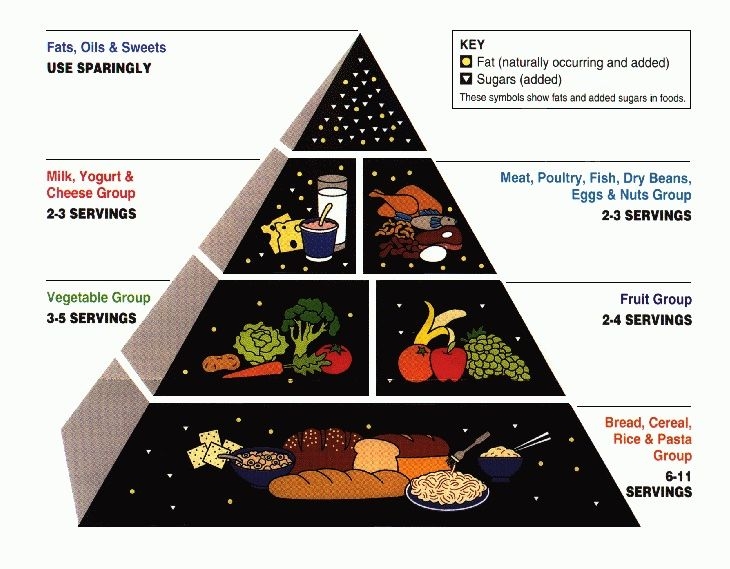
Every food has something unique to offer. Some foods are rich in vitamins, others in minerals, protein, or healthy fats. When you eat a wide range of foods, your body gets all the nutrients it needs.
For example:
- Fruits and vegetables give vitamins and antioxidants
- Whole grains provide energy and fiber
- Protein foods help build and repair the body
- Healthy fats support brain and heart health
If you keep eating the same foods every day, your body may miss out on important nutrients. Variety helps fill those gaps.
2. Build a Balanced Plate
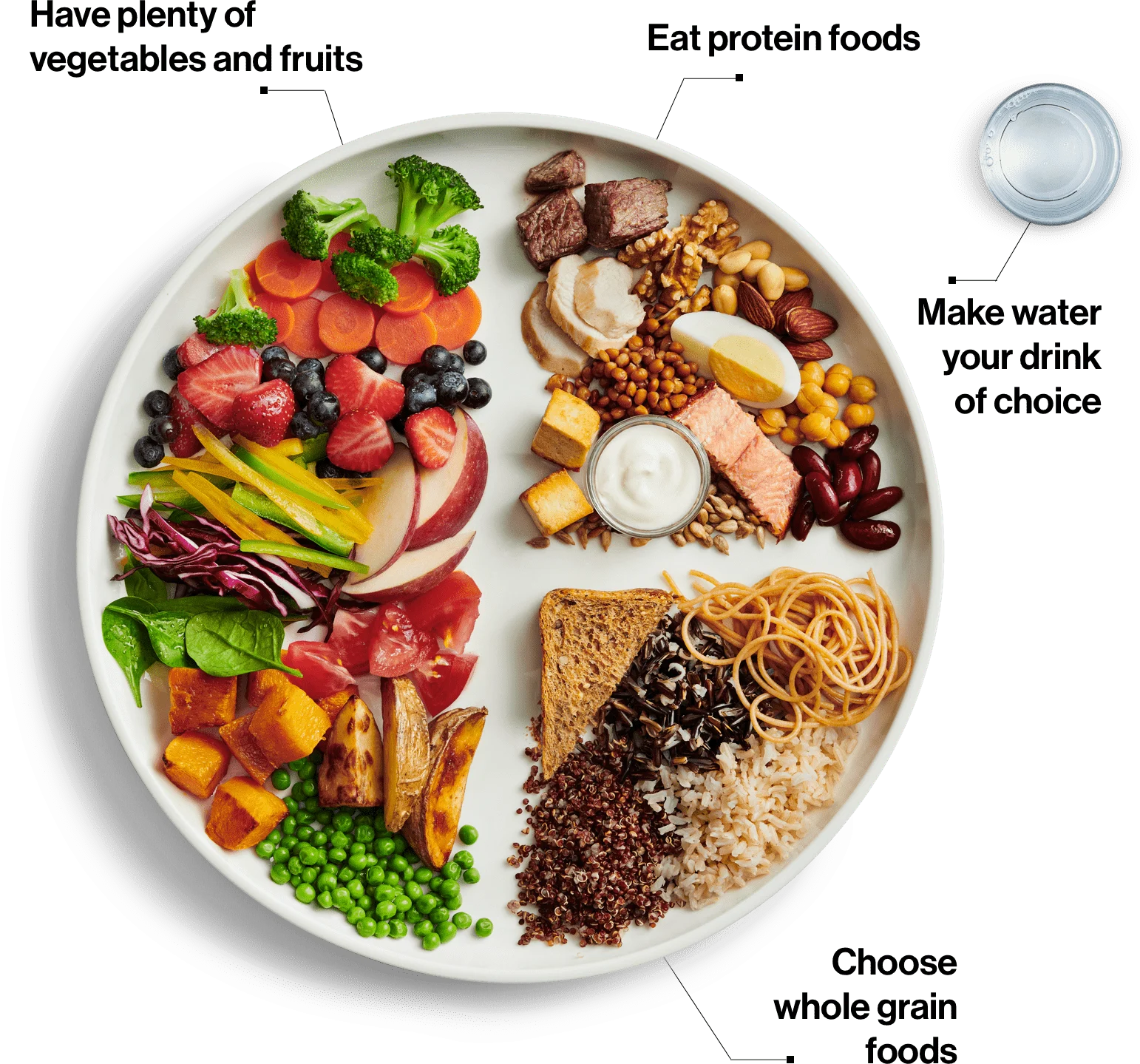
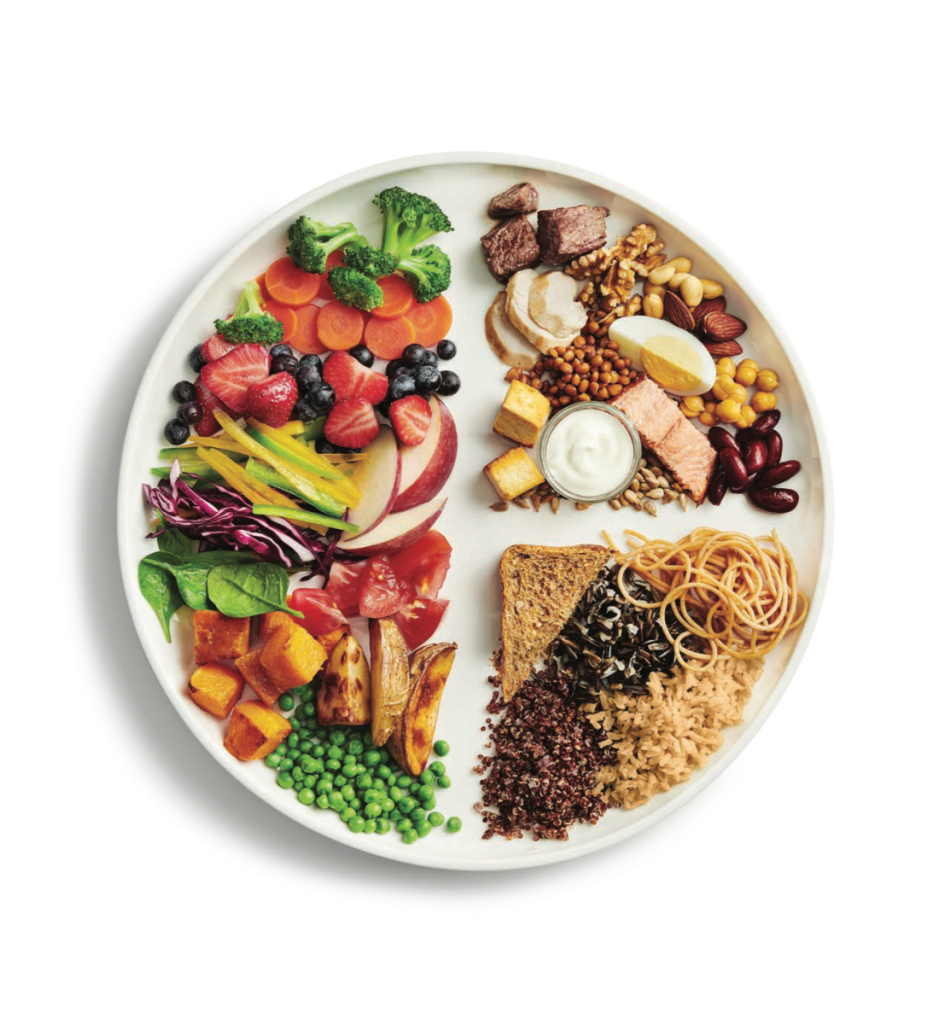
A simple way to eat a variety of foods is to look at your plate. Try to include different food groups in every meal:
- Half your plate: Fruits and vegetables
- One quarter: Whole grains like brown rice or whole wheat bread
- One quarter: Protein such as chicken, fish, beans, or eggs
- Add: A small amount of healthy fats like olive oil or nuts
This balanced plate makes it easy to include many nutrients without overthinking.
3. Add Color to Your Meals
One easy trick is to “eat the rainbow.” Different colors in food often mean different nutrients.
- Red foods: Tomatoes, strawberries (good for heart health)
- Green foods: Spinach, broccoli (rich in iron and vitamins)
- Orange/yellow foods: Carrots, mangoes (good for eyes and skin)
- Purple foods: Eggplant, berries (full of antioxidants)
The more colorful your plate looks, the healthier it usually is.
4. Include Different Protein Sources
Protein is important, but it doesn’t always have to come from meat. Try mixing different sources:
- Chicken, fish, and lean meat
- Eggs and dairy products
- Beans, lentils, and chickpeas
- Nuts and seeds
This not only adds variety but also gives your body different types of nutrients.
Simple Guide to Eating a Balanced and Healthy Diet
5. Choose Whole Foods Over Processed Foods
Whole foods are closer to their natural form and are usually healthier.
- Choose fresh fruits instead of sugary snacks
- Pick whole grains instead of refined grains
- Go for home-cooked meals instead of fast food
Processed foods often contain extra sugar, salt, and unhealthy fats, so it’s best to limit them.
6. Don’t Forget Healthy Fats
Many people think all fats are bad, but that’s not true. Healthy fats are important for your body.
Good sources include:
- Olive oil
- Avocados
- Nuts and seeds
- Fatty fish like salmon
These fats help your brain work better and support heart health.
7. Stay Hydrated
Eating well also includes drinking enough water. Your body needs water to digest food, carry nutrients, and stay cool.
Try to:
- Drink water throughout the day
- Limit sugary drinks and sodas
- Add fruits like lemon or cucumber to water for flavor
8. Make Small Changes
You don’t need to change everything at once. Small steps can make a big difference:
- Add one extra vegetable to your meal
- Try a new fruit each week
- Swap white bread for whole grain
- Replace sugary snacks with nuts or yogurt
Over time, these small changes become healthy habits.
9. Listen to Your Body
Everyone’s body is different. Pay attention to how foods make you feel.
- Eat when you are hungry
- Stop when you feel full
- Choose foods that give you energy
Healthy eating is not just about rules—it’s about feeling good.
Conclusion
Eating a variety of healthy foods each day is one of the simplest ways to take care of your body. By mixing different food groups, adding color to your plate, and choosing fresh ingredients, you can enjoy delicious meals while staying healthy.
You don’t need a perfect diet—just aim for balance and variety. Small, consistent choices can lead to big improvements in your health over time.
Read Also: Keep your face towards the sunshine and shadows will fall behind you
Watch Also: https://www.youtube.com/@TravelsofTheWorld24












Leave a Reply