
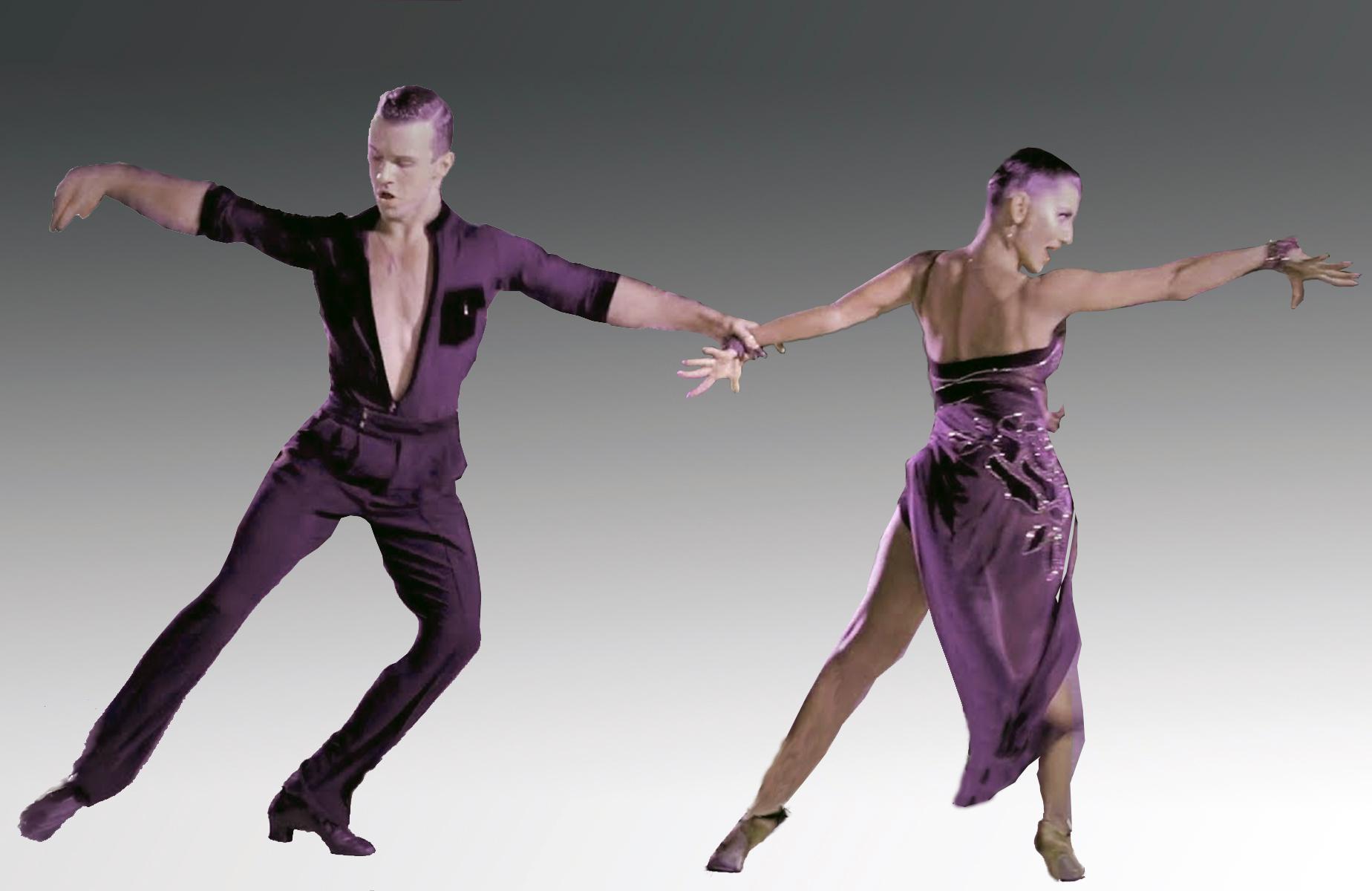
When the world of dance comes to life in a place like Bridgeport, Connecticut, it’s more than just a show — it’s a chance for people to see real champions perform up close. In July of 2019, two of the world’s top Latin ballroom dancers, Aleksei Shipilov and Julia Mitina, traveled from their home in the United States (after rising to fame in Russia and around the world) to give a special Latin dance performance in Bridgeport.
Even though this event was held a few years ago, it represents something timeless about dance: the way it connects people, celebrates culture, and brings world‑class performers into local communities. Let’s explore what happened that night, who these dancers are, where they come from, why their performance was special, and how events like this help grow the dance community.
Who Are Aleksei Shipilov and Julia Mitina?
Early Lives and How They Started Dancing
Aleksei Shipilov and Julia Mitina didn’t start life planning to become famous dancers. They began in Russia, where ballroom dancing has a strong tradition and many young people train from an early age.
For Aleksei, his dance journey started unexpectedly. When he was a child, his sister was taking ballroom lessons, and their mom brought him along — at first just to be a partner so his sister could learn. He didn’t like dancing at first, but soon teachers realized he had talent and gave him his own partner. From there, he began training seriously and his path in dance began to take shape.
Julia Mitina’s story was similar in that she also began dancing as a girl in Russia, encouraged by her mother to study ballroom dance. She showed talent early on and continued training in the same dance community where Aleksei was learning.
From Competitors to Partners
Interestingly, Aleksei and Julia first met as competitors. They were training and dancing against each other in various competitions as young dancers in Russia and abroad. Over time, as they both grew in skill and reputation, they eventually became dance partners — one of the most successful Latin ballroom teams in the world.
As a couple, they competed internationally and won many championships. For example, they took home the Pro RS Latin Philadelphia Dancesport championship, where critic sites and dance communities noted their “great energy and lots of power.”
After years on the competitive circuit, they decided to settle in the United States. There, they continue to teach, perform, and share their passion for dance with students and audiences alike.
What Is Latin Ballroom Dancing?
To understand why their performance was exciting, it helps to know a bit about what Latin ballroom dancing is.
Ballroom dancing is usually divided into two main categories:
-
Standard (or Ballroom) — smooth and flowing dances like the waltz, tango, and foxtrot.
-
Latin — rhythm‑based, energetic dances like cha‑cha‑cha, samba, rumba, pasodoble, and jive.
Latin dances are known for their expressive movement, sharp footwork, rhythm, and strong connection to the music. They often show more personality and freedom of movement than standard ballroom styles. These dances are popular in competitions because they bring high energy, bright music, and dramatic expression.
In competitions, dancers are judged not just on technique, but also on how well they interpret the music, show character, express connection with their partner, and perform with confidence and flair.
The Bridgeport Event: What Happened
On July 27, 2019, Aleksei Shipilov and Julia Mitina came to Bridgeport for a special evening of dance hosted by the Premier Ballroom Dance Company of Connecticut. The event was held at the Holy Trinity Greek Orthodox Church ballroom, a local space where dancers, students, and fans gather to enjoy ballroom events.
Here’s how the evening was planned:
-
General dancing from 7:00 to 11:30 p.m. — this was open to everyone who came, so people could dance with each other to music played by a DJ or band.
-
Dance lesson at 8:00 p.m. — the champion dancers themselves gave a lesson, sharing moves and tips with attendees.
-
Performance at 9:30 p.m. — Aleksei and Julia performed multiple Latin dances, from samba to cha‑cha‑cha, jive, paso doble, and rumba, sharing their world‑class talent with the audience.
This mix of social dancing, lessons, and performance made the night fun for everyone — not just experts. People who were new to dance could try some steps in the lesson, social dancers could enjoy music and movement, and fans could watch the champions show what they do best.
Why This Performance Was Special
1. World‑Class Dancers in a Local Setting
It’s not every day that dancers who have competed across the world come to a local dance event in Connecticut. For many in the audience, this was a rare chance to see top‑level performers in person — not on TV, not in a big theatre, but right in their own community.
Aleksei and Julia had competed in countries like Austria, Canada, England, Germany, Spain, and more, as well as in the United States. Their experience and reputation made their performance something memorable for everyone there.
2. A Mix of Performance and Learning
Instead of just watching, attendees got the chance to learn from the dancers themselves. The lesson before the performance helped people feel closer to the art form. Many dancers love this kind of format because it encourages more people to try ballroom dance, and it helps build confidence.
3. Community and Social Dance
An event like this isn’t just about competitions; it’s about bringing people together through dance. Social ballroom dancing — when ordinary people enjoy dancing together — has its own joy and charm. Adding a performance by champions helps celebrate that community spirit.
Bob Beslove, the organizer of the event, is a well‑known figure in the local dance world. He used to be a senior pro‑am ballroom dance champion himself. One thing he mentioned was how dance continues to grow in popularity in the United States, partly because of shows like “Dancing With the Stars” which made ballroom dancing more visible and exciting to the public.
He also said something many dancers agree with: “People who dance together, stay together.” It’s a way of talking about how dance helps people connect, share moments, and build memories.
Stories Behind the Dancers
Aleksei’s Journey
Aleksei’s path into dance wasn’t planned. At first he didn’t even enjoy dancing, but as he learned more and competed in championships across Europe and beyond, he found success and passion in the art. Through training and competition he gained strength, stage presence, and joy in movement.
After moving to the United States, he became a dance instructor, helping others learn ballroom and Latin techniques. Teaching is a big part of how many professional dancers continue sharing their craft — it lets them stay connected with dance while inspiring new learners.
Julia’s Path
Julia Mitina had a similar early start, with support from her family and years of training in Russia. Just like Aleksei, she became successful in competitions and eventually joined him as a partner. Their partnership combined strength, technique, and chemistry — qualities that make Latin dance exciting to watch.
Together, their performances show not only skill but emotion. Latin dances especially are about feeling the rhythm, expressing music with your body, and telling a story through movement.
The Latin Dances They Performed
At the Bridgeport event, Shipilov and Mitina performed several classic Latin ballroom dances. Let’s look at each one briefly, so you know what they are and why people enjoy them.
1. Samba
Originating from Brazil, samba is lively and rhythmic. It has a bouncing action and energy that makes it fun and joyful. It’s often one of the most exciting dances in Latin competitions because of its bright steps and forward motion.
2. Cha‑Cha‑Cha
Cha‑cha‑cha comes from Cuba and is known for its light, playful steps and catchy rhythm. It has a quick pace with a gentle hop step that dancers show off with flair.
3. Jive
Jive is a fast, energetic dance with roots in swing and rock‑and‑roll music. It’s very lively and looks like pure fun as dancers move quickly with punches and kicks in the footwork.
4. Paso Doble
This dance is dramatic and inspired by Spanish bullfighting. The leader often represents the matador (bullfighter), with bold and strong movements. It’s not just about rhythm — it’s about attitude and expression.
5. Rumba
Rumba is slower and more romantic. It originated in Cuba and is all about connection with your partner and smooth, expressive movements. It’s often called the “dance of love” because of how it shows emotion through motion.
Dance Events Like This Help the Community
Even though this performance was “just one night” in Bridgeport, events like this matter to dancers and fans for several reasons:
1. They Inspire New Dancers
Seeing champions up close can make beginners think, “Maybe I can do that too.” It encourages people to take lessons, join social dances, and keep improving.
2. They Celebrate Culture
Ballroom dance isn’t just technique — it’s culture. Latin dances come from many parts of the world and bring rhythm, expression, and joy. Showing these styles helps keep this cultural art alive and appreciated.
3. They Connect People
Local events give communities something to share — people dance together, talk about what they learned, and enjoy music and movement. It’s a simple way of bringing people together, no matter their age or skill.
4. They Honor Dance as an Art and Sport
Ballroom dancing is both beautiful art and serious sport. Behind every performance is years of practice, heart, and training. Events like the Bridgeport show remind people how hard dancers work and how much artistry goes into what looks effortless on the floor.
A Night People Remember
For many who attended that night in Bridgeport, the memory isn’t just about watching a performance — it’s about being part of an event that brought beauty, passion, and world‑class talent into a local space.
Dance connects people in a way that words sometimes cannot. When champions like Aleksei Shipilov and Julia Mitina step onto the floor, they bring years of experience, heart, and energy — and they share it with everyone watching.
Conclusion
The Bridgeport Latin performance by Russian ballroom champions was more than just a show. It was a bridge between cultures, a moment of inspiration, and a celebration of dance itself. From their early days in Russia to winning international championships and teaching in the United States, Aleksei and Julia brought their world‑class talent to a local audience, reminding everyone how powerful dance can be.
For people who love dance, or for those who were just there for the fun of it, nights like this are unforgettable — a reminder that movement, music, and passion can bring people together, no matter where they come from.
Read Also: Keep your face towards the sunshine and shadows will fall behind you
Watch Also: https://www.youtube.com/@TravelsofTheWorld24





Leave a Reply