
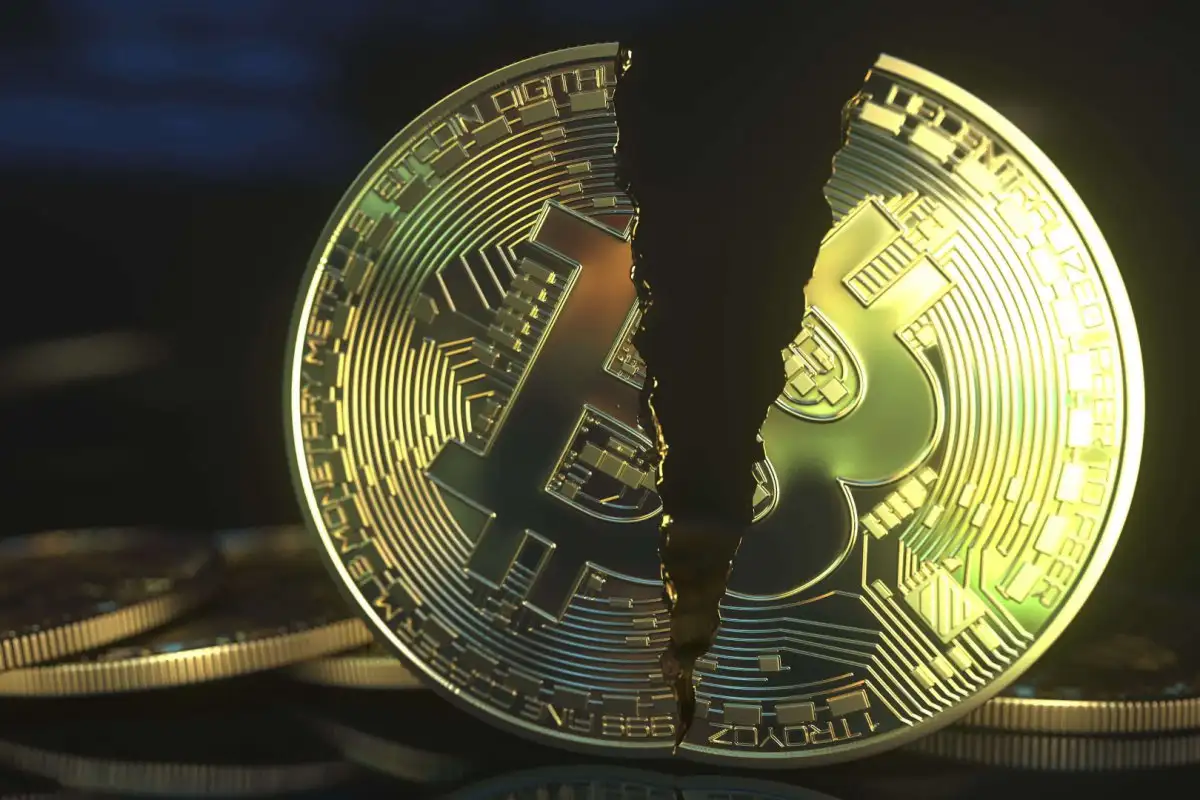
Bitcoin is one of the most talked-about things in the world today. People call it digital money, cryptocurrency, or even “digital gold.” But for many, it’s still confusing. How can something you can’t touch have value? How does it work? And why do millions of people trust it? Let’s break it down step by step.
What is Bitcoin?
At its simplest, Bitcoin is digital money. Unlike cash or coins, it exists only online. You can send it, receive it, and store it digitally. No physical notes or coins are needed.
Bitcoin was created in 2009 by an unknown person (or group) using the name Satoshi Nakamoto. The goal was simple: make money that works without banks or governments controlling it.
Bitcoin is decentralized, meaning no single person, company, or government owns it. It runs on a global network of computers, all following the same rules.
Why Is Bitcoin Valuable?
You might wonder: why would anyone pay real money for something digital? Bitcoin has value for a few reasons:
-
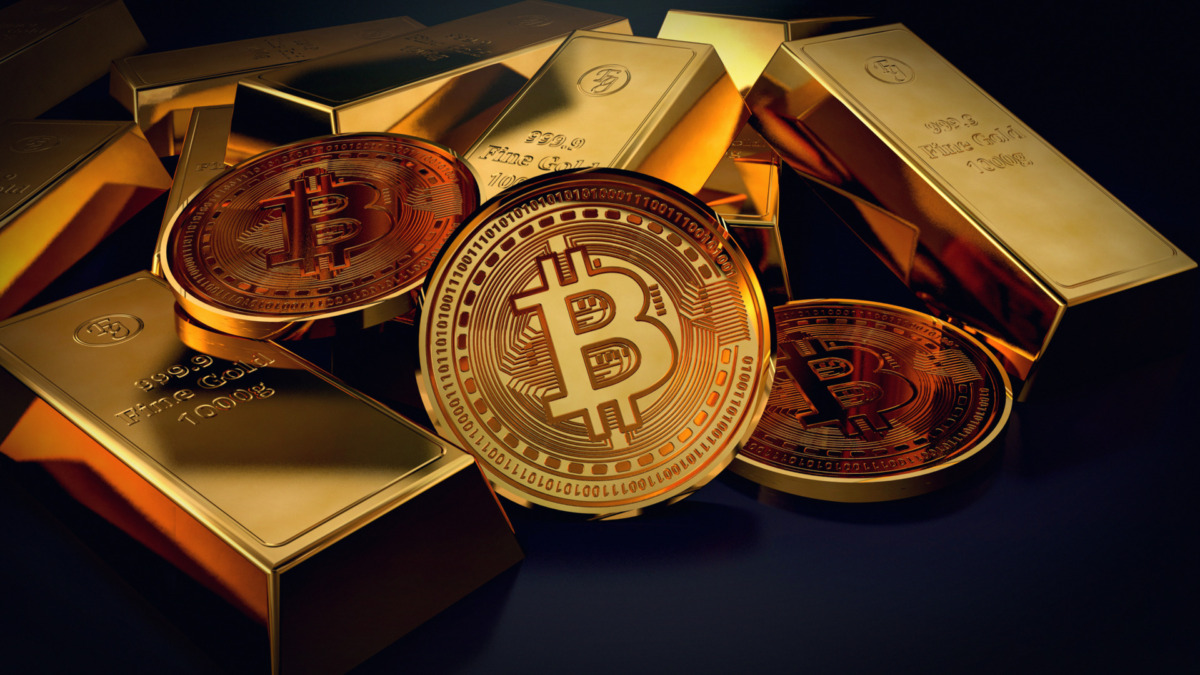
Scarcity: Only 21 million bitcoins will ever exist. This limited supply makes it rare, like gold.
-
Trust: People trust Bitcoin because it’s secure and transparent. Every transaction is recorded publicly.
-
Utility: Bitcoin can be used to send money globally, store wealth, or even buy goods from businesses that accept it.
-
Freedom: You control your Bitcoin. No bank can freeze it or take it from you.
In short, Bitcoin has value because people believe in it and use it.
How Does Bitcoin Work?
Bitcoin works using something called blockchain technology. You don’t need to know all the technical details, but here’s the simple idea:
1. Blockchain Is a Public Ledger
Imagine a notebook that everyone can see and write in, but no one can erase from. This is what Bitcoin’s blockchain does.
Every Bitcoin transaction—when someone sends or receives Bitcoin—is recorded in this notebook. Once it’s written, it cannot be changed.
This makes Bitcoin transparent and secure. Everyone can check the records, so cheating is almost impossible.
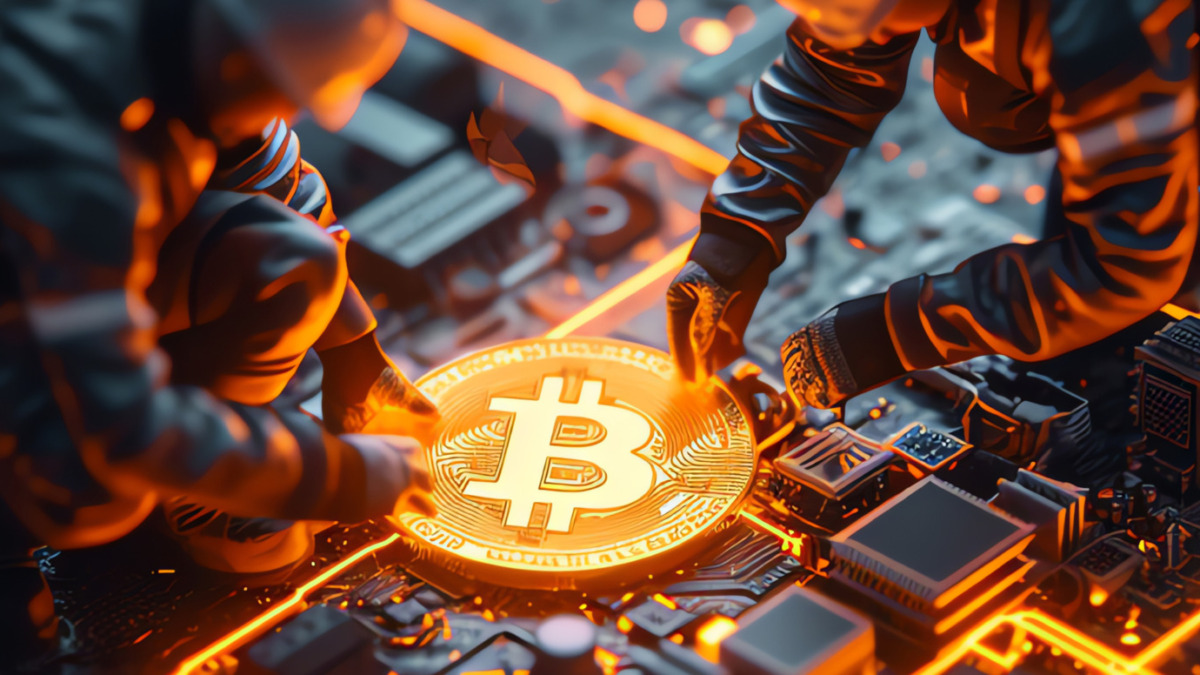
2. Miners Keep the Network Running
Bitcoin doesn’t have a bank. Instead, it relies on miners. Miners are people or computers that:
-
Verify transactions
-
Add them to the blockchain
-
Solve complex math problems to secure the network
For doing this work, miners earn new bitcoins as a reward. This is how new Bitcoin enters the system.
Mining also protects Bitcoin from fraud or double-spending. Without miners, the system wouldn’t work.
3. Transactions Are Peer-to-Peer
With Bitcoin, you can send money directly to someone else. You don’t need a bank or payment service.
All you need is:
-
A Bitcoin wallet
-
The recipient’s Bitcoin address
You send Bitcoin, miners confirm it, and it’s added to the blockchain. Usually, it takes a few minutes to an hour depending on network traffic.
Bitcoin Wallets
To use Bitcoin, you need a wallet. Think of a wallet as a digital bank account.
There are two main types:
-
Hot wallets – Online wallets you can access from your phone or computer. Convenient but less secure.
-
Cold wallets – Offline storage like a USB drive or hardware wallet. Safer for long-term storage.
Each wallet has two keys:
-
Public key: Like your account number. People can send Bitcoin to this.
-
Private key: Like your password. You must keep it secret. If you lose it, you lose access to your Bitcoin.
How Bitcoin Transactions Work
Here’s a simple example:
-
Alice wants to send 0.5 Bitcoin to Bob.
-
Alice enters Bob’s Bitcoin address in her wallet.
-
The transaction is broadcast to the network.
-
Miners check the transaction to make sure Alice really has 0.5 Bitcoin.
-
Once verified, the transaction is added to the blockchain.
-
Bob now sees 0.5 Bitcoin in his wallet.
It’s fast, secure, and doesn’t need a bank in between.
Bitcoin Mining in Simple Terms
Mining is often seen as complicated, but here’s an easy way to understand it:
-
Miners solve puzzles using computers.
-
When a puzzle is solved, a block of transactions is confirmed.
-
The miner earns some Bitcoin as a reward.
Mining is hard because it requires a lot of computing power, but it keeps the Bitcoin network safe and reliable.
Bitcoin’s Supply Is Limited
Bitcoin is designed to be scarce. Only 21 million coins will ever exist.
Right now, about 19 million have been mined. The last Bitcoin is expected to be mined around 2140.
This scarcity gives Bitcoin value. Unlike regular money, which governments can print endlessly, Bitcoin cannot be inflated.
Bitcoin and Security
Security is one of the strongest points of Bitcoin:
-
Transactions cannot be changed once confirmed.
-
Hacking Bitcoin is extremely hard because the network is huge and distributed worldwide.
-
Users control their own funds using private keys.
This security makes people trust Bitcoin even more.
Why Bitcoin Is Popular
Bitcoin has grown from a digital experiment to a global phenomenon. Here’s why people love it:
-
Global Access – Anyone with internet can use Bitcoin.
-
Decentralization – No central authority controls it.
-
Inflation Protection – Limited supply makes it a hedge against money printing.
-
Transparency – Every transaction is public and verifiable.
-
Freedom – You can send money across borders easily.
It’s these features that attract both individual users and big investors.
Bitcoin vs Traditional Money
Bitcoin is different from regular money in several ways:
| Feature | Bitcoin | Traditional Money |
|---|---|---|
| Control | Decentralized | Centralized (Banks & Governments) |
| Supply | Limited | Unlimited, can be printed |
| Security | Secured by blockchain | Secured by banks & institutions |
| Global Use | Borderless | May require currency exchange |
| Transparency | Fully public | Limited visibility |
Real-World Uses of Bitcoin
Bitcoin is more than an investment. People use it for real purposes:
-
Buying Goods and Services – Some stores and websites accept Bitcoin.
-
Sending Money Across Borders – Faster and cheaper than banks.
-
Storing Wealth – Like digital gold, especially in countries with unstable currencies.
-
Investing – Many treat Bitcoin as a long-term asset.
Even if you don’t personally use it, millions of people rely on Bitcoin daily.
Bitcoin’s Risks
Bitcoin is powerful, but it comes with risks:
-
Price Volatility: Bitcoin prices can change quickly.
-
Regulatory Risk: Governments may impose rules affecting Bitcoin use.
-
Security Risk: If you lose your private key, you lose your Bitcoin.
-
Scams: Some websites or schemes promise free Bitcoin but are fake.
Understanding these risks is important before investing or using Bitcoin.
Why People Still Invest in Bitcoin
Despite risks, Bitcoin remains popular because:
-
Its supply is limited.
-
Many see it as a hedge against inflation.
-
It provides global financial access.
-
Its network and security are strong.
In short, Bitcoin offers something unique in today’s financial world.
How Bitcoin Has Evolved
Since 2009, Bitcoin has grown in many ways:
-
More people use it worldwide.
-
Businesses accept it for payments.
-
Investment funds and institutions hold Bitcoin.
-
Governments are starting to regulate and even adopt it.
Bitcoin is no longer just a tech experiment; it’s a real part of the global financial system.
The Future of Bitcoin
No one can predict the future perfectly, but some trends are clear:
-
More adoption – More businesses and individuals will use it.
-
Increased institutional involvement – Big funds and companies may hold Bitcoin.
-
Regulation – Governments will set rules to protect users and prevent fraud.
-
Technological upgrades – The Bitcoin network may become faster and more efficient.
Overall, Bitcoin is likely to remain important for years to come.
Final Thoughts
Bitcoin is digital money with real-world value. It works because:
-
People trust it
-
Its supply is limited
-
It solves real problems
-
It’s secure and global
Even though it’s different from traditional money, it serves many of the same purposes—and more.
For millions of people, Bitcoin is not just an experiment. It’s a tool, a store of value, and a financial opportunity.
Bitcoin may be digital, but its impact on the world is very real.
Read Also: Keep your face towards the sunshine and shadows will fall behind you
Watch Also: https://www.youtube.com/@TravelsofTheWorld24






Leave a Reply