
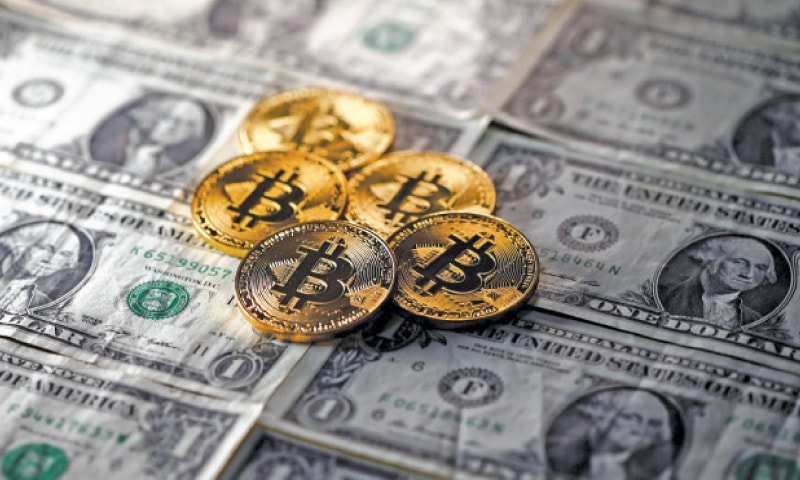
Bitcoin is a type of money, but it’s very different from the dollars, rupees, or euros you use every day. It’s completely digital, which means it exists only online and on computers. You can use it to buy things, send money to someone far away, or even invest in it like you would with gold or stocks. Bitcoin was created in 2009 by someone using the name Satoshi Nakamoto. Nobody knows who Satoshi really is, which makes Bitcoin even more mysterious.
Unlike regular money, Bitcoin is not controlled by a bank, government, or company. Instead, it works on a special technology called blockchain. Blockchain is like a giant notebook that keeps track of every Bitcoin transaction. Everyone who uses Bitcoin can see this notebook, but no one can cheat or erase it. This makes Bitcoin secure and reliable.
How Bitcoin Works
To understand Bitcoin, you need to know a few basic things: transactions, wallets, blockchain, and mining.
1. Transactions
Whenever you send Bitcoin to someone, it’s called a transaction. It’s similar to sending an email, but instead of words, you’re sending money. Each transaction has three main parts: the sender, the receiver, and the amount. Once you send Bitcoin, the transaction is added to the blockchain, so everyone can see it.
2. Wallets
Since Bitcoin is digital, you can’t hold it in your hand. To keep it safe, you need a digital wallet. A wallet is an app or software that stores your Bitcoin. Wallets have two keys:
-
Public key: Like your account number. You can share it with others to receive Bitcoin.
-
Private key: Like your secret password. It allows you to spend your Bitcoin. If you lose this key, you lose access to your Bitcoin forever.
3. Blockchain
Blockchain is the technology that makes Bitcoin possible. Imagine a chain made of blocks, where each block is a page in a notebook. Each block contains a list of Bitcoin transactions. Once a block is full, it is linked to the previous block. This creates a chain of blocks—hence the name “blockchain.”
The blockchain is stored on thousands of computers around the world, called nodes. Every node has the same copy of the blockchain. This makes it almost impossible to cheat. If someone tries to change a transaction, the other nodes will see it doesn’t match and reject it.
4. Mining
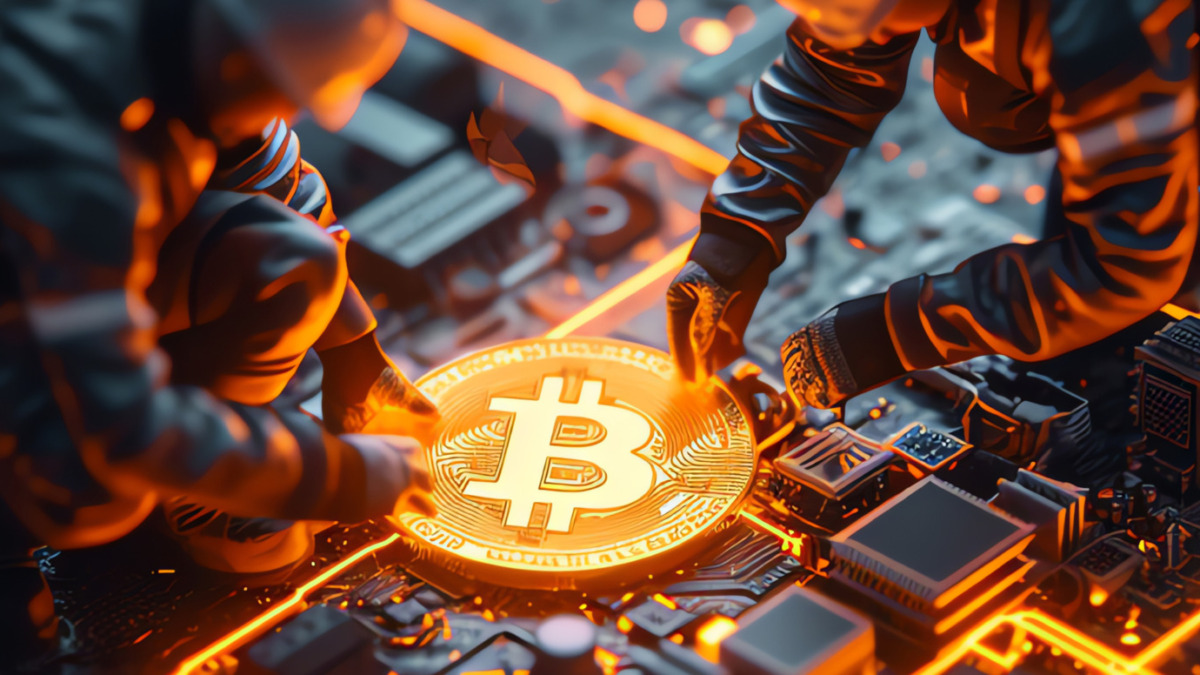
Mining is how new Bitcoin is made and how transactions are checked. Miners are people or computers that solve very difficult math problems. When a miner solves a problem, a new block of transactions is added to the blockchain. As a reward, the miner gets new Bitcoin. This is the only way new Bitcoin enters the system.
Mining uses a lot of electricity because computers have to work very hard. This is why people often talk about Bitcoin using “too much energy.”
Bitcoin’s Supply and Value
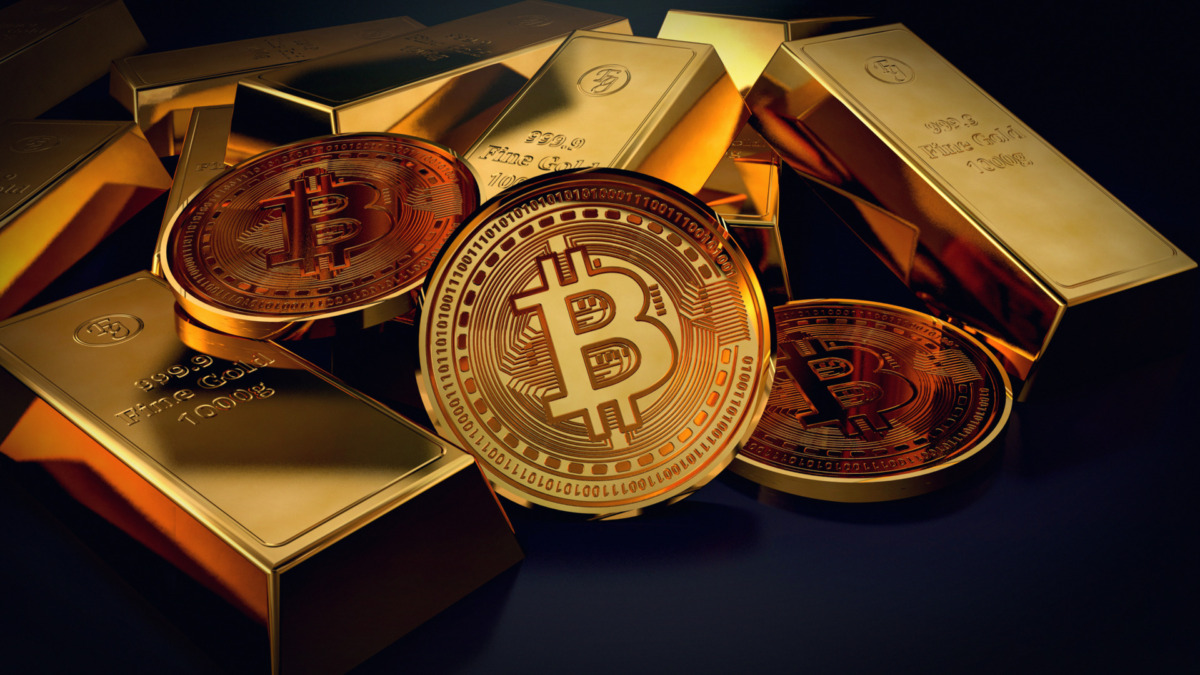
Bitcoin is limited. Only 21 million Bitcoins will ever exist. This makes it scarce, similar to gold. Scarcity is one reason people think Bitcoin is valuable. Around 19 million Bitcoins have already been mined.
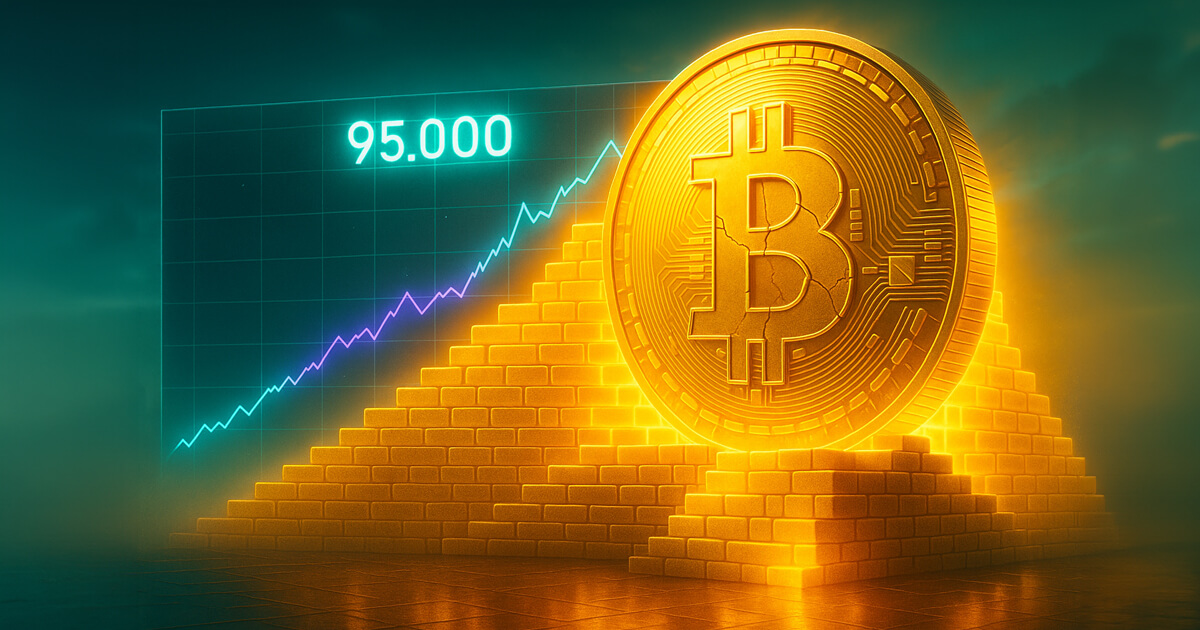
The price of Bitcoin changes a lot. One day it could go very high, and the next day it could drop. Its value depends on how many people want it, how much trust they have in it, and global events like government regulations or big company investments.
Why People Use Bitcoin
-
Global Transactions
Bitcoin can be sent anywhere in the world quickly. You don’t need a bank, and there are no middlemen. This makes it faster and often cheaper than regular bank transfers. -
Privacy
Bitcoin transactions are public on the blockchain, but your personal information isn’t shown. People only see wallet addresses, not your name. -
Investment
Some people buy Bitcoin hoping its price will go up. Many treat it like digital gold and store it for the long term. Bitcoin’s price has risen a lot over the years, but it’s risky because it can also drop fast. -
Decentralization
Since no bank or government controls Bitcoin, people like it as an alternative to traditional money. They can use it freely without restrictions.
How to Get Bitcoin
There are several ways to get Bitcoin:
-
Buying on Exchanges
You can buy Bitcoin on websites called exchanges, like Coinbase, Binance, or Kraken. You pay money with your bank account and get Bitcoin in your wallet. -
Mining
You can mine Bitcoin using powerful computers, but this is expensive because it needs a lot of electricity and special hardware. -
Accepting Payments
If you run a business, you can accept Bitcoin as payment for products or services. Many online and some physical stores already do this. -
Trading
Some people buy and sell Bitcoin like stocks, hoping to make a profit from the changing price.
Security and Risks
Bitcoin is secure, but it comes with risks:
-
Wallet Security
If someone steals your private key, they can take all your Bitcoin. That’s why people use hardware wallets or securely back up their keys. -
Volatility
Bitcoin’s price goes up and down very quickly. You could make money, but you could also lose a lot. -
Scams
Fake websites and fraudsters try to steal Bitcoin. Only use trusted wallets and exchanges. -
Regulations
Some countries have strict rules about Bitcoin. Some allow it freely, while others ban it. Government rules can affect how easy it is to use Bitcoin and its price.
Bitcoin vs Traditional Money
-
Decentralization: Bitcoin has no central authority. Traditional money is controlled by banks and governments.
-
Supply: Bitcoin is limited to 21 million. Governments can print traditional money.
-
Transactions: Bitcoin can be sent worldwide instantly. Bank transfers may take days.
-
Privacy: Bitcoin gives partial privacy. Banks keep full records of all transactions.
-
Value: Bitcoin is more volatile. Traditional money is usually more stable.
Bitcoin and Blockchain Beyond Money
Bitcoin started the blockchain revolution. Blockchain technology is now being used for more than money:
-
Smart contracts: Contracts that run automatically on blockchain.
-
Supply chain tracking: Checking where products or food come from.
-
Digital identity: Secure ways to verify identity online.
-
Voting systems: Transparent and tamper-proof voting.
Bitcoin showed the world that digital money can work without banks, and blockchain has many other possible uses.
The Future of Bitcoin
No one knows exactly what will happen to Bitcoin. Some experts think it will become widely used like regular money. Others think governments may restrict it or that another cryptocurrency might replace it.
Bitcoin has already changed the way people think about money. It proved that a secure digital currency could exist independently of banks. Some people call it “digital gold,” storing value for the future. Others see it as a risky investment. Either way, Bitcoin is now part of global finance and technology innovation.
Conclusion
Bitcoin is digital money that works without banks or governments. It uses blockchain technology to keep transactions secure and transparent. People can buy, sell, trade, or use it to pay for things. While it can be risky and its price changes quickly, Bitcoin opened a new world of digital finance.
At its heart, Bitcoin is just digital money. It’s a new way to send and store value based on math and trust rather than banks. Whether it becomes mainstream money or remains a special investment, Bitcoin has already made history as the first true digital currency anyone in the world can use.
Read Also: Keep your face towards the sunshine and shadows will fall behind you
Watch Also: https://www.youtube.com/@TravelsofTheWorld24






Leave a Reply