
Bitcoin has become one of the most talked-about topics in finance and technology. People often hear that it is the future of money or that it will replace cash. However, despite its popularity and growing use, Bitcoin is not money in the traditional sense. Understanding why requires looking at what money really is, how Bitcoin works, and what it can and cannot do
What Makes Something Money?
Money has three main roles. First, it is a medium of exchange, which means people can use it to buy goods and services easily. Second, it is a store of value, so people can save it and use it later without losing much of its worth. Third, it is a unit of account, which means prices and debts are measured in it.
For something to be money, it should do all three roles well. Cash, coins, and digital currencies issued by governments do this. They are widely accepted, stable, and easy to use.
Bitcoin as a Medium of Exchange
Bitcoin can be used to buy some goods and services. Some online stores and even some local businesses accept it. But it is not widely accepted like dollars or euros. Many people still cannot use Bitcoin to pay for everyday things.
Another problem is transaction speed and cost. Bitcoin transactions can take minutes or even hours. Fees can also be high when the network is busy. This makes it hard to use Bitcoin for everyday purchases.
Because of these limitations, Bitcoin struggles to function as a reliable medium of exchange.
Bitcoin as a Store of Value
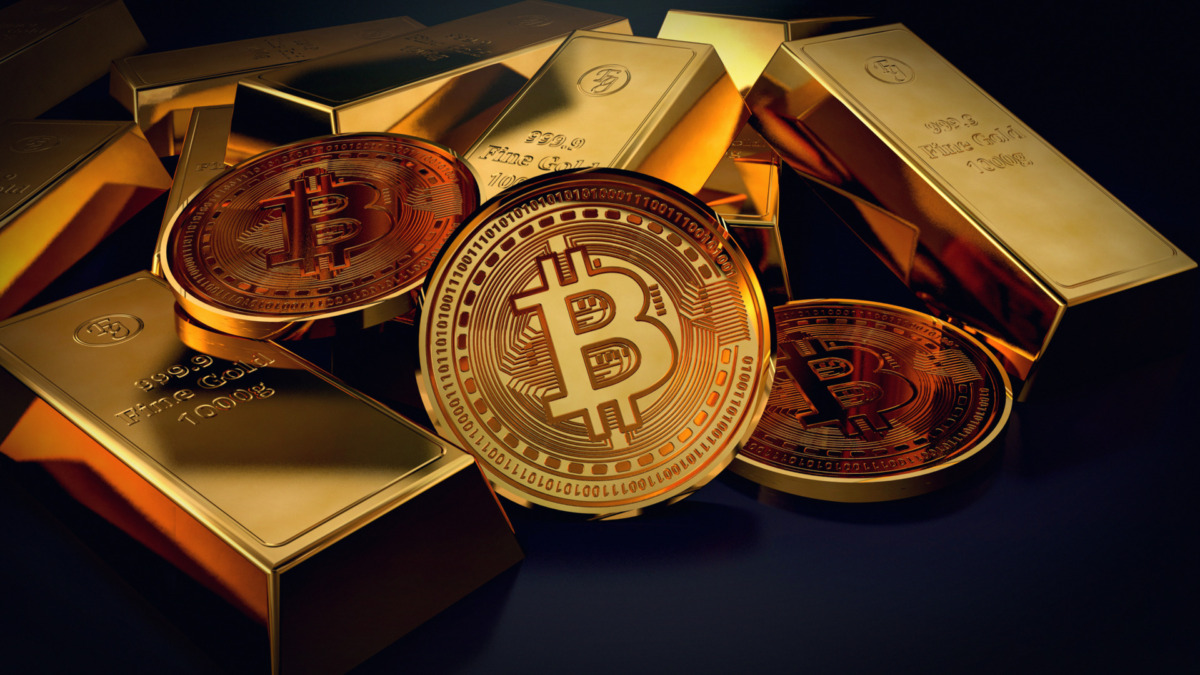
Many people buy Bitcoin hoping it will grow in value over time. In this sense, it acts more like an investment or digital gold than money.
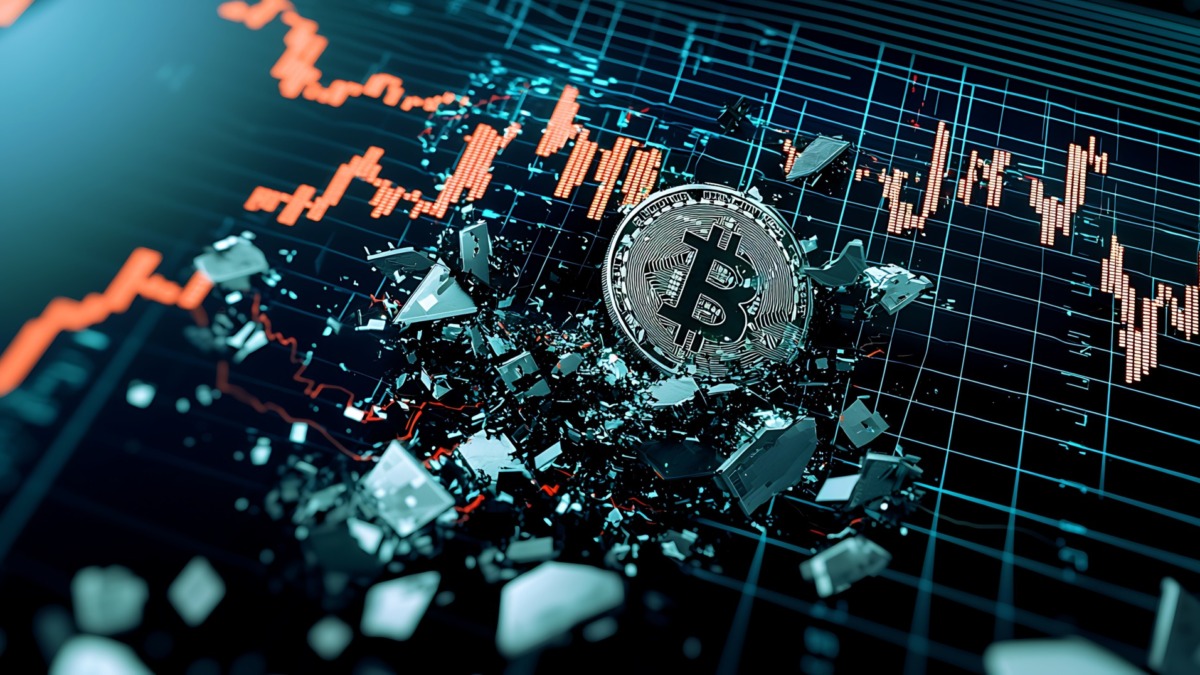
However, Bitcoin is very volatile. Its price can rise or fall by large percentages in a single day. This instability makes it risky for saving or planning future spending. People cannot be sure that what they have today will be worth the same tomorrow.
Long-term holders believe Bitcoin will eventually become more stable, but for now, it does not reliably store value for everyday use.
Bitcoin as a Unit of Account
Most goods and services are not priced in Bitcoin. Stores still list prices in dollars, euros, or other national currencies. Bitcoin is usually converted into these currencies at the time of purchase.
This makes it difficult to use Bitcoin as a unit of account. People cannot easily measure value, compare prices, or calculate debts in Bitcoin because its price changes constantly.
Without this stability, Bitcoin cannot fully serve as money.
Why Bitcoin Feels Like Money
Even though Bitcoin is not technically money, it has some qualities that make it seem like it:
- Digital and portable: You can send Bitcoin anywhere in the world.
- Limited supply: Only 21 million Bitcoins will ever exist, which some people see as a protection against inflation.
- Decentralized: No single government controls it, giving a sense of independence.
These qualities make it attractive, but they are not enough to make it full money.
The Role of Trust
Money works because people trust it. They trust that others will accept it and that its value will not disappear overnight.
Bitcoin relies on technology, not government backing. Trust comes from the blockchain system and the network of users. While this works for some, it does not match the broad trust that government-issued money has.
During crashes or extreme volatility, trust in Bitcoin can falter quickly, which is another reason it cannot fully act as money.
Bitcoin vs. Traditional Money
| Feature | Bitcoin | Traditional Money |
|---|---|---|
| Medium of Exchange | Limited acceptance | Widely accepted |
| Store of Value | Very volatile | Generally stable |
| Unit of Account | Rarely used | Standard for pricing |
| Issued By | Decentralized network | Central bank/government |
| Legal Tender | Not recognized everywhere | Recognized by law |
This table shows why Bitcoin does not meet all the criteria for money.
Why People Still Use Bitcoin
Even though it is not full money, people use Bitcoin for several reasons:
- Investment: Many buy it hoping for future gains.
- Speculation: Traders try to profit from price swings.
- Digital payments: Some people use it for online purchases where accepted.
- Privacy: Bitcoin can provide some level of anonymity.
These uses are real, but they are not the same as using money to buy everyday goods and services reliably.
The Future of Bitcoin
Bitcoin could evolve to become more like money if several things happen:
- Greater acceptance: More businesses and platforms would need to accept it.
- Stability: Price fluctuations would need to decrease.
- Faster, cheaper transactions: Technology improvements could make spending Bitcoin easier.
Even then, it might still function alongside traditional money rather than replacing it.
CBDCs and the Bitcoin Debate
Central Bank Digital Currencies (CBDCs) are digital versions of government money. They are designed to be stable, widely accepted, and backed by governments.
CBDCs highlight the difference between Bitcoin and money. While Bitcoin is decentralized and volatile, CBDCs are controlled and predictable. This makes CBDCs true money in the digital age, while Bitcoin remains more like a digital asset or investment.
Lessons for Everyday Users
For people considering Bitcoin, it is important to understand its limitations:
- It is not a reliable way to pay bills.
- It is not guaranteed to keep its value.
- Prices can swing dramatically.
- It is not legal tender in many countries.
Treating Bitcoin as money can be risky. Treating it as an investment or digital asset is more realistic.
Final Thoughts
Bitcoin has changed the way people think about money and finance. It introduced the world to the idea of decentralized digital currency and challenged traditional financial systems.
However, despite its popularity, Bitcoin does not fulfill the key roles of money: medium of exchange, store of value, and unit of account. For now, it is best understood as a digital asset, investment tool, or speculative asset rather than true money.
Understanding this distinction is crucial for anyone entering the world of cryptocurrencies. Bitcoin is revolutionary, but it is not money.
Read Also: Keep your face towards the sunshine and shadows will fall behind you
Watch Also: https://www.youtube.com/@TravelsofTheWorld24





Leave a Reply