
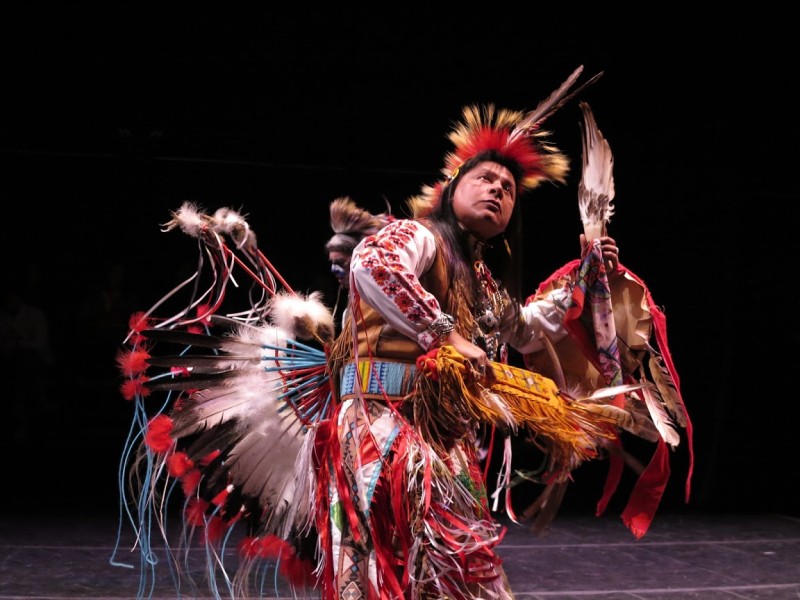
Thunderbird American Indian Dancers: A Living Legacy of Culture and Ceremony
Thunderbird American Indian Dancers have stood as one of the most respected and enduring Native American cultural organizations in the United States. Through dance, music, regalia, and storytelling, the group has played a vital role in preserving Indigenous traditions while educating audiences about the living cultures of Native American nations. More than performers, the Thunderbird American Indian Dancers are cultural ambassadors, sharing traditions that connect the past, present, and future.
Their performances are not simply artistic showcases; they are expressions of identity, history, and spirituality. Every step, drumbeat, and song carries meaning rooted in centuries-old traditions, passed down through generations. In a modern world where Indigenous cultures have often been misunderstood or marginalized, the Thunderbird American Indian Dancers offer authenticity, respect, and continuity.
Origins and Mission
The Thunderbird American Indian Dancers were founded with a clear purpose: to preserve, present, and protect Native American dance and music traditions while fostering understanding between Indigenous and non-Indigenous communities. At a time when Native cultures were frequently misrepresented in popular media, the group emerged as a powerful corrective — presenting Native traditions as living, evolving practices rather than historical relics.
From the beginning, the group emphasized cultural integrity. Performances were grounded in traditional teachings, guided by elders, and rooted in respect for tribal protocols. Education has always been central to their mission, ensuring that audiences understand not only what they are seeing, but why it matters.
Dance as Living History
Dance is one of the most important forms of expression in Native American cultures, and the Thunderbird American Indian Dancers present a wide range of traditional styles from different tribal regions. Each dance reflects specific histories, values, and relationships with the natural and spiritual worlds.
Common dances performed by the group include:
-
Men’s and Women’s Traditional Dances – honoring ancestors, warriors, and community values
-
Grass Dance – symbolizing renewal, healing, and preparation of sacred ground
-
Fancy Dance – a vibrant, athletic style emphasizing speed, stamina, and creativity
-
Hoop Dance – representing the circle of life and the interconnectedness of all beings
-
Intertribal Dances – inviting unity and participation across nations and communities
Every dance is accompanied by explanations that help audiences understand its cultural context. This educational element transforms performances into shared learning experiences.
The Power of the Drum and Song
At the heart of every Thunderbird performance is the drum, often referred to as the heartbeat of Mother Earth. Drumming and singing are not background elements; they are sacred acts that connect dancers to the spiritual world and to one another.
Traditional songs are sung in Native languages, preserving linguistic heritage while reinforcing cultural identity. These songs often honor ancestors, celebrate nature, or mark important moments in community life. The synchronization between drum, song, and movement creates a powerful sense of unity that audiences can feel immediately.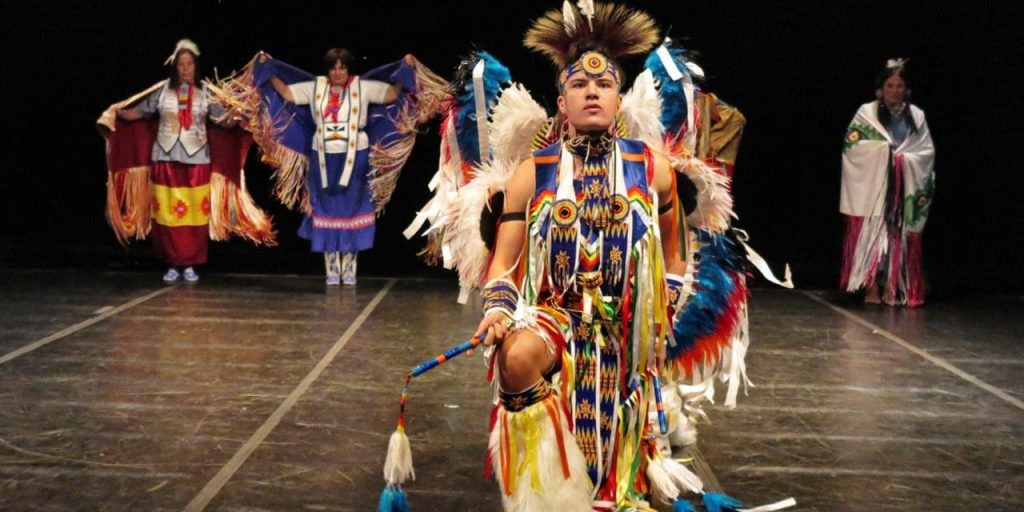
Regalia: More Than Costume
What many outside Native communities may call “costumes” are, in truth, regalia — deeply personal and meaningful expressions of identity. The Thunderbird American Indian Dancers take great care to educate audiences about this distinction.
Regalia often includes:
-
Handcrafted beadwork
-
Feathers earned through honor and respect
-
Symbols representing family, clan, or spiritual beliefs
-
Colors with specific cultural meanings
Each piece tells a story, reflecting a dancer’s heritage, achievements, and responsibilities. Wearing regalia is both an honor and a commitment to uphold cultural values.
Education at the Core
One of the defining features of the Thunderbird American Indian Dancers is their dedication to education. Performances are often accompanied by spoken explanations, demonstrations, and opportunities for audience interaction.
The group regularly performs at:
-
Schools and universities
-
Museums and cultural institutions
-
Community festivals
-
National landmarks and public events
Through these appearances, they challenge stereotypes and correct misconceptions about Native American cultures. Audiences learn that Indigenous peoples are not a single, monolithic group, but a rich diversity of nations, each with its own traditions and histories.
Bridging Cultures
The Thunderbird American Indian Dancers have long served as a bridge between Native and non-Native communities. Their work fosters dialogue, respect, and cultural appreciation rather than appropriation.
By sharing authentic traditions in an open and educational way, the group helps audiences understand the resilience of Native cultures — cultures that have survived colonization, displacement, and systemic erasure. Their performances are acts of cultural sovereignty, asserting that Native traditions remain vibrant and relevant.
Youth, Elders, and Continuity
A key strength of the Thunderbird American Indian Dancers is their intergenerational structure. Elders provide guidance, historical knowledge, and spiritual grounding, while younger dancers bring energy, innovation, and continuity.
This transmission of knowledge ensures that traditions are not lost. Young performers learn discipline, respect, and responsibility, understanding that dance is not about individual fame but about honoring community and ancestors.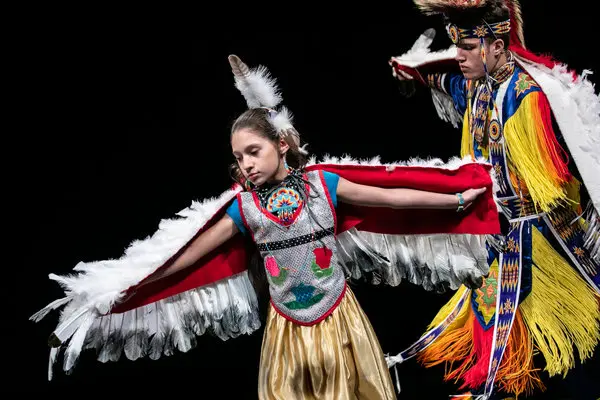
Respect and Responsibility
The group emphasizes that Native dances are not merely entertainment. Many dances are sacred and require proper context, intention, and respect. The Thunderbird American Indian Dancers model how cultural sharing can be done ethically — without dilution or distortion.
They encourage audiences to:
-
Listen with openness
-
Ask respectful questions
-
Recognize the difference between appreciation and appropriation
This approach has earned the group widespread respect across cultural and educational institutions.
Impact and Legacy
Over the years, the Thunderbird American Indian Dancers have reached countless audiences, shaping how Native American culture is understood in public spaces. For many people, seeing the group perform is their first meaningful exposure to authentic Indigenous traditions.
Their legacy lies not only in performances but in the minds they have opened, the stereotypes they have dismantled, and the pride they have inspired within Native communities.
Why Their Work Matters Today
In an era of rapid globalization and cultural homogenization, the work of the Thunderbird American Indian Dancers is more important than ever. They remind us that cultural preservation is not about resisting change, but about carrying identity forward with integrity.
Their performances speak to universal themes — connection, balance, respect for nature, and community — values urgently needed in today’s world.
Conclusion
The Thunderbird American Indian Dancers represent far more than a dance troupe. They are guardians of tradition, educators, and cultural storytellers. Through movement, music, and shared knowledge, they honor the wisdom of their ancestors while inspiring future generations.
Every performance is an invitation — to learn, to respect, and to recognize that Native American cultures are living, breathing traditions with deep meaning and enduring strength.
As long as the drum continues to beat and the dancers continue to move, the spirit of the Thunderbird will rise — carrying stories of resilience, unity, and life itself.
Read Also: Keep your face towards the sunshine and shadows will fall behind you
Watch Also: https://www.youtube.com/@TravelsofTheWorld24






Leave a Reply