
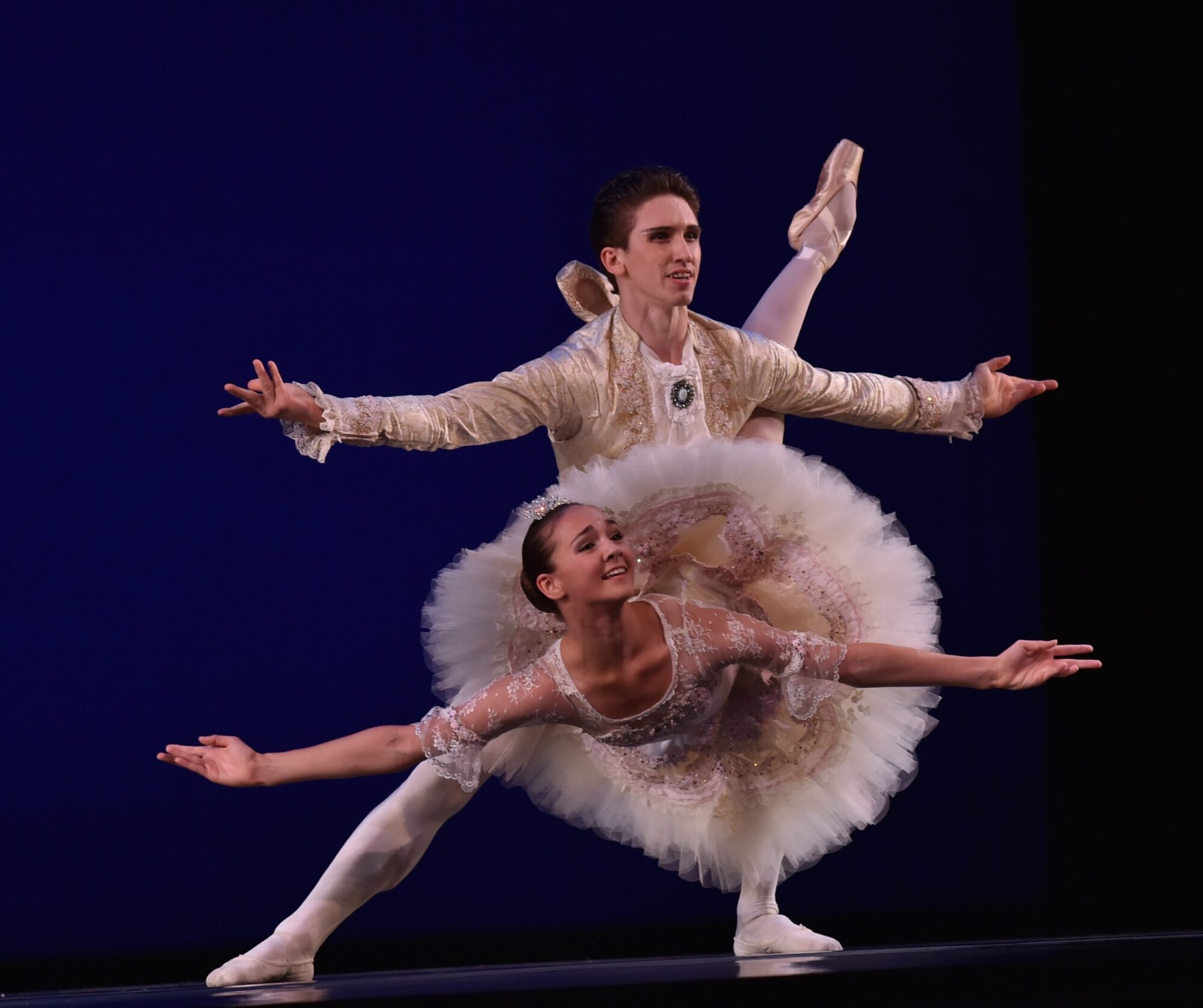
Every four years, the world’s ballet community turns its attention to Jackson, Mississippi, home of one of the most prestigious dance competitions on the planet: the USA International Ballet Competition (USA IBC). In preparation for the next event, which brings together talented ballet dancers from dozens of countries, a rigorous selection process has just concluded. Out of hundreds of applicants from around the globe, 118 dancers have successfully made the cut to compete in this celebrated competition.
The USA IBC is not just any dance competition. It is one of the few major International Ballet Competitions sanctioned by UNESCO and recognized alongside long-established contests such as the Varna and Moscow competitions. Founded in 1978 by Thalia Mara, with its first event held in 1979, the USA IBC quickly gained global recognition for its fairness and its role in launching the careers of professional dancers who would go on to join major companies worldwide. In 1982, the United States Congress officially designated Jackson, Mississippi, as the permanent home of the USA IBC, underscoring the city’s importance to the international dance world.
A Competitive Field: Hundreds Apply
The selection process for the USA IBC is famously demanding. For the latest edition, more than 300 dancers from 27 countries submitted applications, each accompanied by a video of their performance and a resume detailing their training and experience. Applicants ranged in age from young teenagers to accomplished artists in their mid-20s, competing for a limited number of spots; the initial goal of the selection committee was to reduce this pool by about two-thirds.
Selection committee members included seasoned professionals such as Susan Jaffe and Wes Chapman, both of whom spent years as principal dancers with American Ballet Theatre before transitioning into teaching and mentorship roles. These judges spent long hours reviewing applicant videos — sometimes more than two days of back-to-back viewing — carefully evaluating each dancer’s artistry and technical skill.
“It’s basically a pass or fail,” said committee members during the selection process, emphasizing that dancers were not compared directly to one another but judged on whether their performance met the competition’s demanding standards.
Criteria for Selection
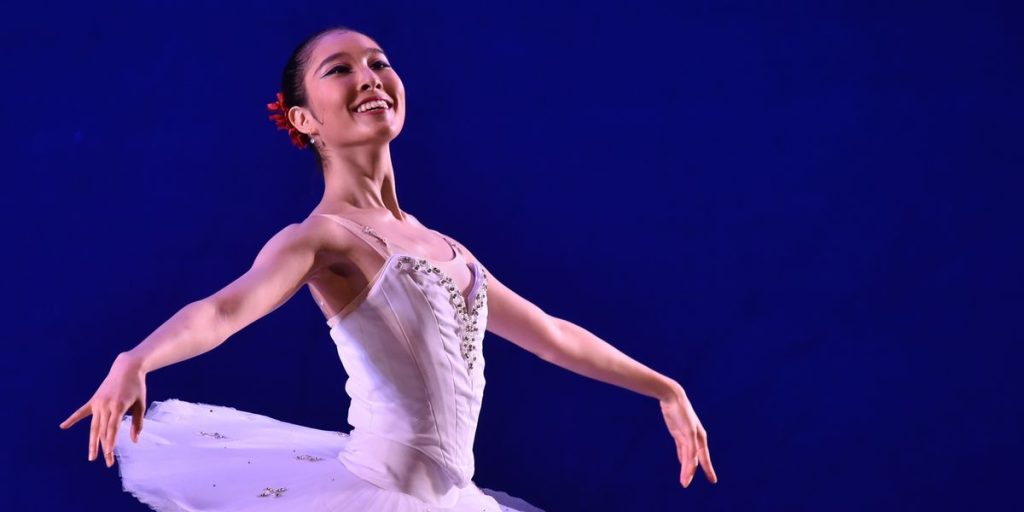
Evaluating dancers for a competition of this caliber goes beyond simply judging technical skill. Committee members look for a combination of:
-
Technical proficiency — including clean footwork, strength, balance, and precision.
-
Artistic expression — how well a dancer interprets music, expresses emotion, and carries themselves on stage.
-
Musicality — the ability to respond to rhythm, phrasing, and tempo.
-
Natural physicality — including posture, line, and the way the dancer uses their body to communicate movement with grace and intention.
Judges also consider a dancer’s training background and how they might respond to further coaching and refinement during the competition. It is this holistic view that allows the USA IBC to recognize talent that might not be fully polished but shows unmistakable promise.
Who Made the Cut?
At the end of the lengthy selection meeting, 118 dancers were chosen to compete in the upcoming competition. In addition to these competitors, five non-competing partners — usually the male partners for dance duets — were also invited. The selected group represents 19 countries, illustrating the global reach and diversity of the event.
Of the 118 competitors:
-
53 are junior dancers, ages 14 to 18.
-
65 are senior competitors, ages 19 to 28.
-
20 individuals are competing as couples, highlighting the competition’s inclusion of both solo and partnered work.
Some of the dancers invited to compete are already familiar names in the ballet world. Among the invitees were three gold medalists from the Moscow International Ballet Competition and a Grand Prix winner from the Youth America Grand Prix (YAGP) New York finals. These international accolades demonstrate that many of the dancers heading to Jackson have already made significant marks in other top competitions.
What the Competition Means for Dancers
For many young artists, competing at the USA IBC represents an extraordinary opportunity. Medals, scholarships, cash awards, and job offers with professional ballet companies are all at stake. Even those who do not medal can benefit significantly: exposure to influential artistic directors, networking opportunities with teachers and choreographers, and the chance to participate in master classes and workshops held during the event.
USA IBC organizers often encourage dancers who are not selected to continue participating in related activities during the competition period. These can include taking classes, working with choreographers like Mathew Neenan — whose work might be featured in awards ceremonies — and using the event as a platform to be seen and remembered by industry professionals.
The Event on the Ground
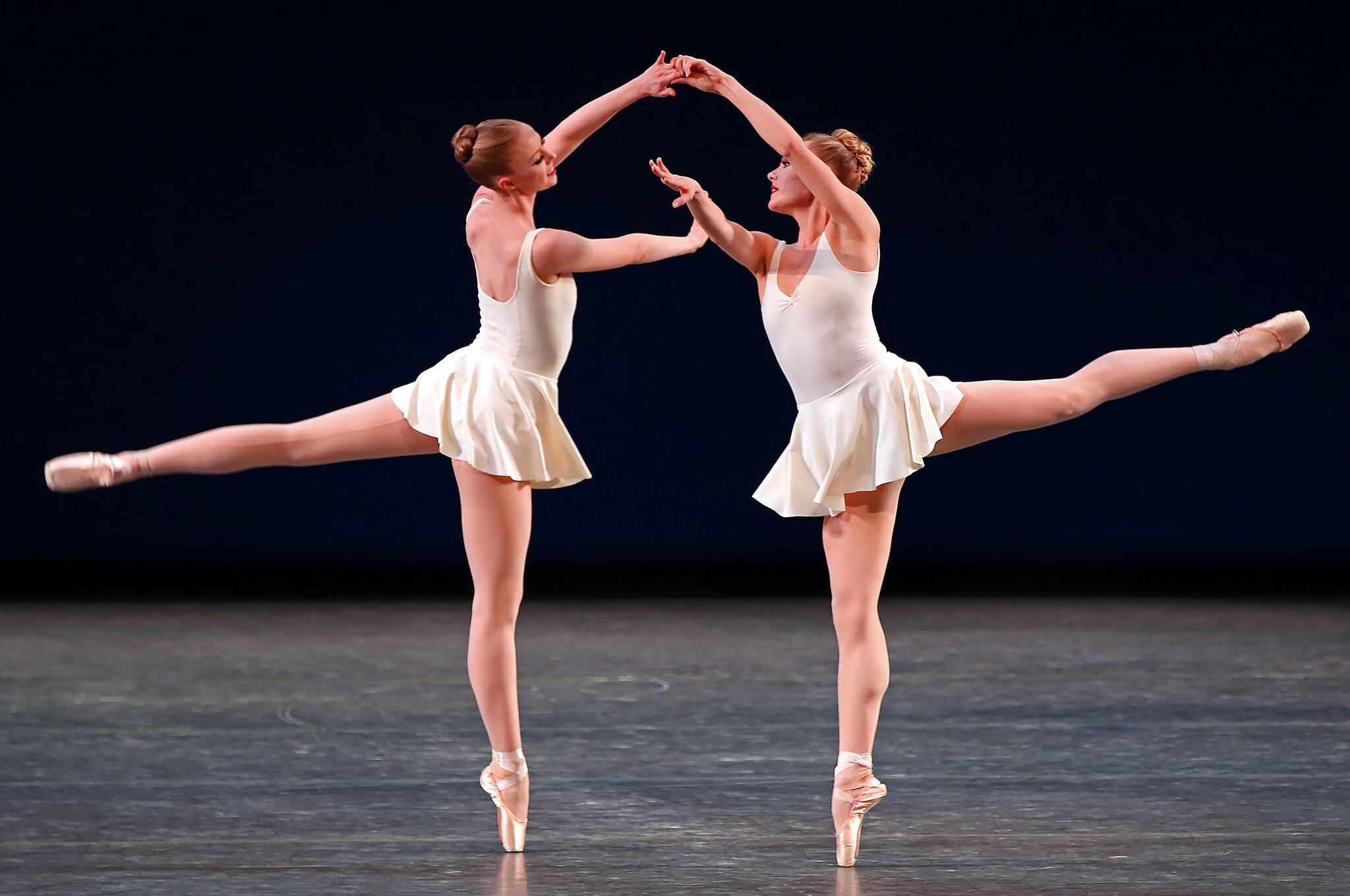
The competition itself spans nearly two weeks, with multiple rounds of performances in both classical and contemporary ballet. Dancers are challenged not only by technically demanding choreography but also by the pressure of performing under the scrutiny of an international panel of judges and a discerning audience.
Audience members can expect to witness a range of styles: from grand, classical variations drawn from the traditional repertory — think “Swan Lake,” “Giselle,” or “Don Quixote” — to innovative contemporary works that push the boundaries of ballet vocabulary. Every performance is an opportunity for a dancer to tell a story, reveal their individual artistry, and make an impression that could shape their career.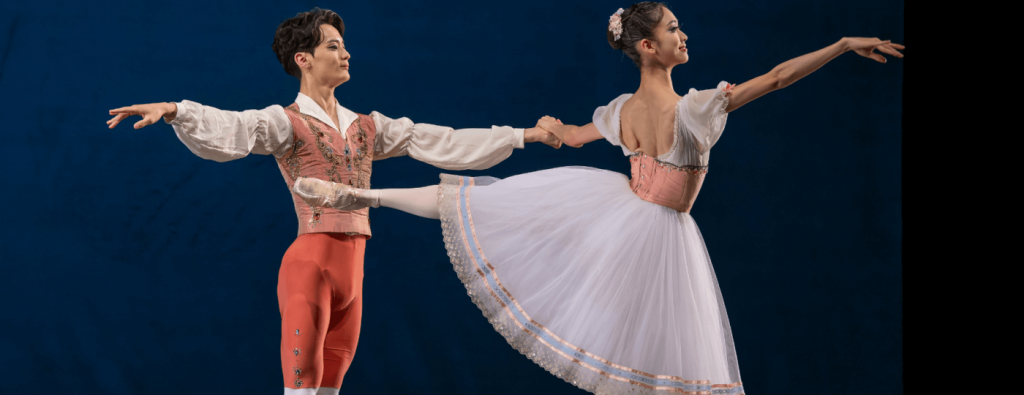
Audience and Impact
For Jackson, Mississippi, hosting the USA IBC has become a cultural highlight and a source of civic pride. The event draws thousands of spectators, dance professionals, media attention, and economic activity to the city. Previous editions have left lasting impressions on audiences and have been credited with inspiring local appreciation for the performing arts. In 2014, for example, the competition generated significant economic impact and brought international attention to the region.
Companies such as American Ballet Theatre, National Ballet of China, and many European institutions have historically scouted talent at events like the USA IBC. For dancers, standing on the stage of Thalia Mara Hall in Jackson is not just a competition moment — it is an artistic milestone that might lead to international contracts with renowned ballet companies.
Looking Ahead
With the 118 competitors now selected and invitations sent, anticipation is building for the next USA International Ballet Competition. Competitor names are expected to be announced publicly in the coming days, giving dance communities worldwide a chance to follow their favorite rising stars.
Tickets and packages for the competition’s events — including the opening ceremony, all competitive rounds, and the awards gala — are planned to be available for purchase to the public. In previous competitions, these tickets have allowed ballet lovers of all kinds to witness extraordinary artistry and cheer on the next generation of dance talent.
Conclusion
The announcement that 118 dancers have made the cut for the USA International Ballet Competition signals the beginning of another chapter in a storied tradition. These dancers, representing countries from around the world, have earned a place on one of ballet’s most respected stages. Their journey to Jackson marks years of dedication — early mornings, late rehearsals, physical strain, artistic development, and personal sacrifice.
As the competition approaches, the dance world will focus on these exceptional young artists, each hoping to leave an unforgettable impression on the judges, the audience, and the future of ballet itself.
Read Also: Keep your face towards the sunshine and shadows will fall behind you
Watch Also: https://www.youtube.com/@TravelsofTheWorld24






Leave a Reply