
The U.S. dollar (USD) has dominated global finance for decades, serving as the world’s primary reserve currency and the benchmark for international trade and investment. Its supremacy underpins the global financial system, from commodities pricing to central bank reserves. However, questions have emerged about whether the dollar’s dominance is sustainable in the long term. Rising geopolitical tensions, economic competition, and the emergence of digital currencies, including cryptocurrencies and central bank digital currencies (CBDCs), have sparked debates about potential challengers to the greenback. This essay explores the structural foundations of the U.S. dollar’s dominance, assesses potential rivals, and examines the circumstances under which another currency—or a digital alternative—might supplant it.
1. The Foundations of U.S. Dollar Dominance
The dollar’s dominance is rooted in four main pillars:
a. Reserve Currency Status
Globally, the U.S. dollar represents roughly 59% of foreign exchange reserves, making it the most widely held currency by central banks. This status is reinforced by U.S. Treasury securities, which are considered safe, liquid, and reliable.
b. Global Trade Invoicing
Most international trade contracts, particularly for oil, gold, and industrial commodities, are priced in dollars. This “petrodollar” system guarantees persistent global demand for the currency.
c. Deep Financial Markets
The U.S. offers highly liquid markets, including equities, bonds, and derivatives, which facilitate global investment flows. Investors trust U.S. markets for transparency, regulation, and legal protection.
d. Safe-Haven Asset
During global crises—financial collapses, wars, or pandemics—the U.S. dollar attracts investment as a safe-haven currency, providing stability and security.
These factors create a network effect: widespread usage reinforces trust, which, in turn, attracts further adoption, making the dollar challenging to displace.
2. Historical Precedents of Currency Replacement
Historically, dominant currencies have been replaced under specific circumstances:
a. British Pound Sterling
In the 19th and early 20th centuries, the British pound was the world’s reserve currency, supported by London’s financial markets and the British Empire. However, post-World War I and World War II economic decline, along with the rise of the U.S. economy, led to its replacement by the dollar.
b. Lessons Learned
Currency dominance is influenced not only by economic size but also by geopolitical stability, market liquidity, and global trust. Historical examples suggest that no currency remains unchallenged forever, but replacement occurs over decades and often in response to major geopolitical or economic shifts.
3. Potential Currency Challengers
Several contenders could theoretically challenge the U.S. dollar:
a. Euro (EUR)
The euro is the second-most-held reserve currency globally, supported by the European Union’s economic bloc.
-
Strengths: Economic size of the EU, political stability within the Eurozone, wide adoption in trade.
-
Weaknesses: Fragmented fiscal policies, political divisions, and debt crises in member states (e.g., Greece, Italy) limit euro’s ability to fully replace the dollar.
b. Chinese Yuan (CNY/RMB)
China is actively promoting the yuan for international trade and reserves.
-
Strengths: China’s growing economic power, Belt and Road Initiative, and digital yuan experimentation.
-
Weaknesses: Capital controls, limited convertibility, and political influence may deter global trust. U.S.-China geopolitical tensions further complicate adoption.
c. Other National Currencies
Currencies such as the Japanese yen, British pound, or Swiss franc have niche importance but lack the global liquidity and network effect to challenge the dollar.
4. The Rise of Digital Currencies
Digital currencies, particularly cryptocurrencies and CBDCs, are introducing a new dimension to the debate:
a. Cryptocurrencies
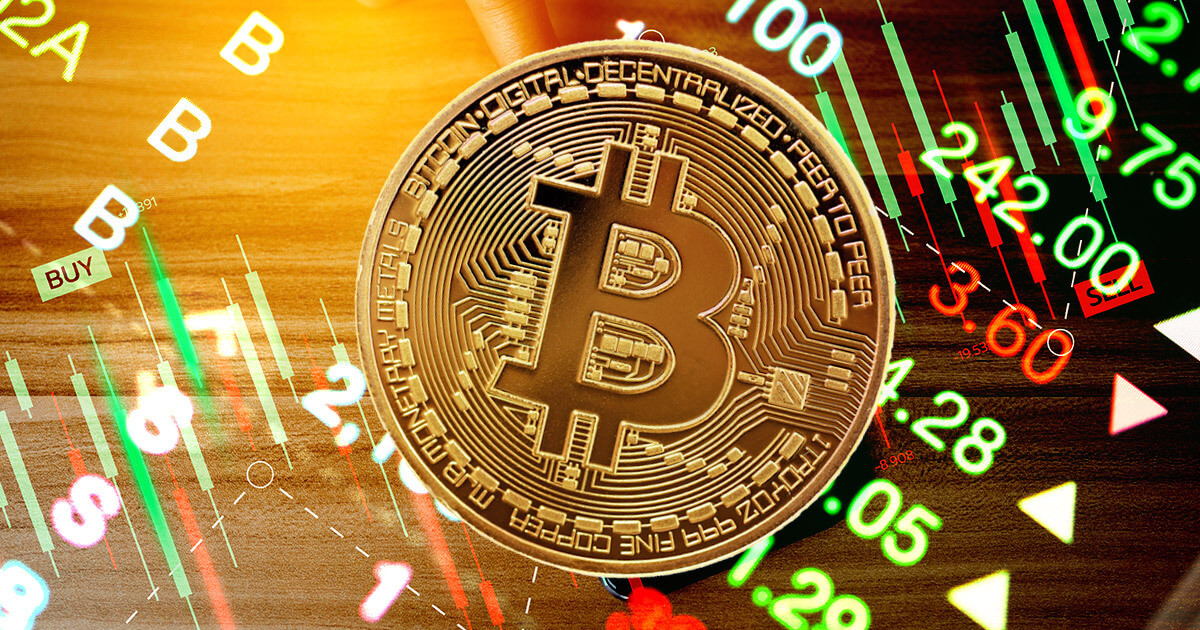
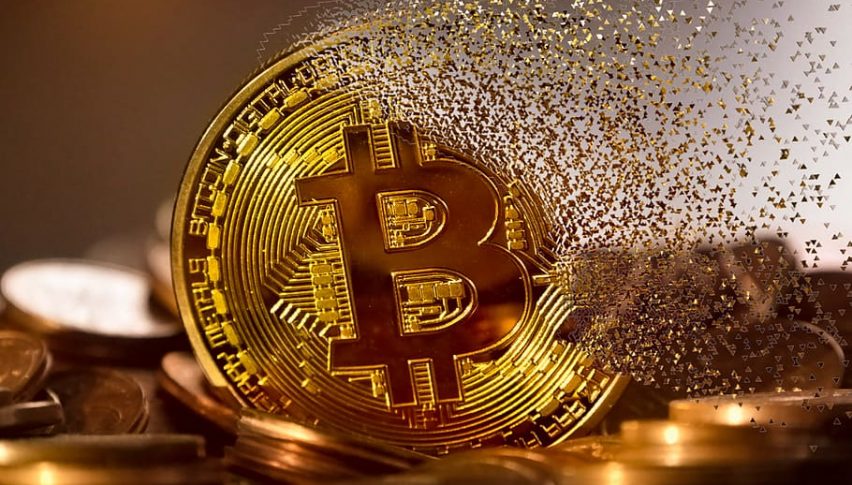
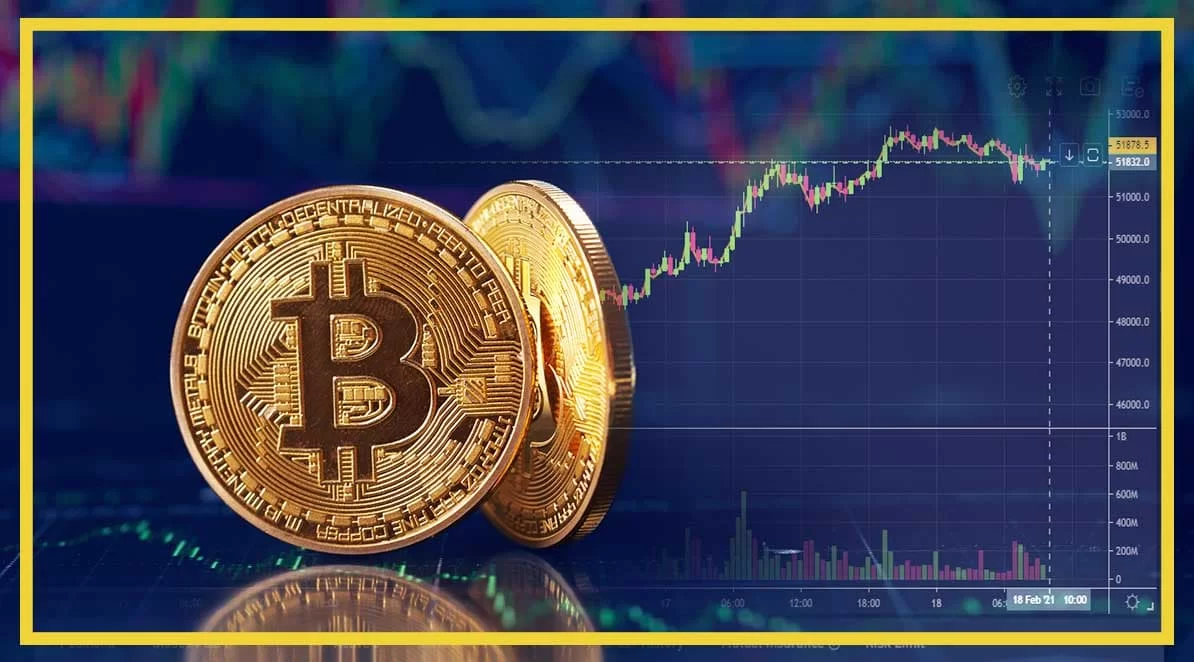
Bitcoin, Ethereum, and other decentralized currencies offer borderless, programmable money independent of governments. They have several advantages:
-
Scarcity and digital gold characteristics (Bitcoin).
-
Transparency and decentralized governance.
-
Accessibility for unbanked populations.
Challenges include volatility, regulatory uncertainty, limited acceptance, and lack of institutional control.
b. Stablecoins
Stablecoins such as USDT and USDC are pegged to fiat currencies, often the dollar. They facilitate cross-border payments and remittances, enabling transactions without the banking system. While they do not replace the dollar, their adoption shows that digital alternatives can reduce reliance on traditional fiat for certain transactions.
c. Central Bank Digital Currencies (CBDCs)
Countries are actively developing digital versions of national currencies. Notable examples:
-
China’s digital yuan (e-CNY): Expanding cross-border trials and domestic payments.
-
European Central Bank digital euro: Proposed to enhance digital payments and financial inclusion.
-
Federal Reserve’s digital dollar exploration: Potential to modernize U.S. payments while maintaining dollar dominance.
CBDCs are state-controlled, regulated, and may offer the efficiency of crypto with the stability of fiat.
5. Factors That Could Undermine the Dollar
The U.S. dollar could be challenged if certain conditions arise:
a. Loss of Global Trust
Political instability, excessive debt, or fiscal mismanagement could reduce confidence in the U.S. dollar.
b. Inflation and Monetary Policy Failures
Persistent inflation or ineffective monetary policies could encourage central banks and investors to diversify into other currencies or digital assets.
c. Technological Shifts
The rise of digital payments, blockchain technology, and global digital wallets may reduce dependence on the dollar for cross-border trade.
d. Geopolitical Realignments
Emerging economies may push for multipolar currency systems to reduce reliance on the dollar, potentially increasing yuan or euro usage.
6. Obstacles to Dollar Replacement
Despite potential challengers, significant barriers protect the dollar:
-
Network Effect: Global adoption creates self-reinforcing demand.
-
Market Liquidity: U.S. financial markets are deep and transparent.
-
Trust and Regulation: Central banks and investors trust the dollar for stability.
-
Military and Political Influence: U.S. global presence reinforces the dollar’s dominance.
-
Liquidity in Trade and Reserves: No other currency currently matches the scale and reliability of the USD in global reserves.
7. Possible Scenarios for the Future
a. Gradual Diversification
Global reserves and trade could diversify over time, with increased adoption of the euro, yuan, and CBDCs. The dollar’s share may decline modestly but remain dominant.
b. Multipolar Currency System
A multipolar system could emerge, with multiple currencies—including the dollar, euro, yuan, and digital assets—sharing international roles. This could reduce dollar dominance without fully replacing it.
c. Digital Currency Disruption
Widespread adoption of digital currencies, especially CBDCs, stablecoins, or even Bitcoin, could reduce reliance on the dollar for transactions and reserves, particularly in Asia, Africa, and emerging markets. Yet replacement would require decades and global trust in alternative systems.
8. The Role of Technology and Crypto in Replacement
Cryptocurrencies and blockchain technology enable:
-
Instant cross-border payments without traditional banking delays.
-
Programmable money for complex financial applications (smart contracts, DeFi).
-
Financial inclusion for unbanked populations.
However, challenges such as volatility, hacking risks, regulatory uncertainty, and scalability issues limit their ability to fully replace the dollar as a global reserve currency.
9. Geopolitical Implications of Dollar Replacement
If another currency were to challenge the USD:
-
Shift in Economic Power: Countries issuing the dominant currency could influence global trade and financial flows.
-
Reduced U.S. Monetary Leverage: Less ability to impose sanctions or influence global credit systems.
-
Rise of Multipolar Finance: Global finance may rely on multiple competing currencies or digital assets.
Dollar replacement is not just an economic issue but a geopolitical one.
10. Realistic Outlook
Complete replacement of the U.S. dollar is unlikely in the near to medium term. The most probable scenarios are:
-
Coexistence: Dollar remains dominant, but other currencies and digital assets play growing roles.
-
Gradual Shift: Increased diversification of reserves and trade, reducing U.S. influence without fully displacing it.
-
Digital Integration: CBDCs and stablecoins complement the dollar, modernizing the global payment system while maintaining trust and stability.
In essence, the dollar will continue to dominate but in a more complex, digital, and multipolar financial landscape.
Conclusion
The U.S. dollar’s dominance in global finance is rooted in trust, liquidity, historical precedence, and geopolitical influence. While cryptocurrencies, stablecoins, CBDCs, and rising global currencies like the euro or yuan present challenges, the dollar’s structural advantages are formidable. Complete replacement is improbable in the near future. More likely is a hybrid system where multiple currencies and digital assets coexist, providing diversity, efficiency, and innovation in global finance.
The rise of digital currencies signals that the era of fiat monopoly may gradually give way to a multipolar and technologically integrated financial ecosystem. However, the U.S. dollar will likely retain its core position as the world’s anchor currency for decades to come. Understanding this evolving landscape is crucial for policymakers, investors, and financial institutions navigating the 21st-century global economy.
Read Also: Keep your face towards the sunshine and shadows will fall behind you
Watch Also: https://www.youtube.com/@TravelsofTheWorld24








Leave a Reply