

In recent years, cryptocurrency has gone from an obscure digital experiment to a major global financial theme, influencing markets, investors, and public policy. As digital assets become more politically relevant, they also generate rumors and speculation about how governments might treat them — especially under high‑profile administrations.
Among these, some of the most discussed topics involve:
-
No capital gains tax on U.S. crypto
-
Bitcoin or digital assets being adopted as a national reserve asset
-
Nation‑state adoption strategies for cryptocurrencies
These ideas gained traction in public discussion, social media, and crypto communities during the Trump administration, often spreading as rumors or speculative policy proposals. In this article, we’ll explore what’s real and confirmed, what remains speculation, and how these ideas could affect the broader crypto landscape.
1. The Trump Administration’s Evolving Crypto Posture
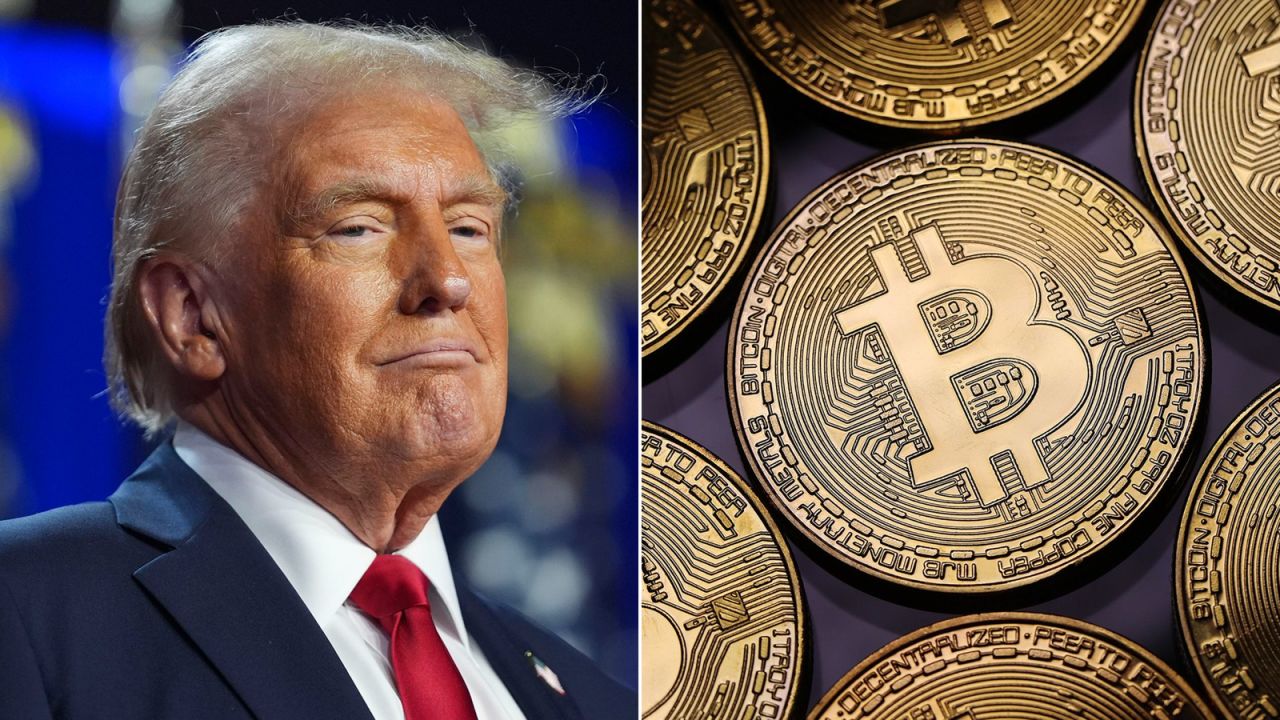
Under President Trump’s second term, the U.S. government signaled a markedly more pro‑crypto regulatory environment compared to earlier administrations. In early 2025, Trump signed an executive order declaring digital assets a priority of national policy and directed work toward a federal framework for digital asset markets — reversing previous stances and seeking clarity on how crypto should be regulated.
One of the most tangible outcomes of this shift is the establishment of a Strategic Bitcoin Reserve and broader digital asset stockpile under U.S. government policy — positioning cryptocurrencies in a more official role than in prior administrations.
2. Strategic Bitcoin Reserve: From Rumor to Reality?
One of the most discussed crypto policy ideas — both in rumor circles and among policymakers — is the concept of the U.S. government holding Bitcoin as a strategic reserve asset, alongside traditional reserves like gold or foreign currency.
What’s Confirmed
President Trump signed an executive order in March 2025 to establish the Strategic Bitcoin Reserve and U.S. Digital Asset Stockpile, initially capitalized with government‑held Bitcoin forfeited through legal proceedings.
This policy does not require taxpayers to purchase Bitcoin directly, and the government has stated it will not sell Bitcoin in the reserve.
Treasury and Commerce officials are tasked with evaluating how to manage these holdings in a budget‑neutral way.
Rumors around adding digital assets beyond Bitcoin — such as Ethereum, Solana, Cardano, and XRP — into a broader national reserve have circulated, and some of this has been reflected in public communications.
Why It Matters
Holding Bitcoin as an official reserve asset—even if initially sourced from forfeited Bitcoin—marks a shift in how governments view decentralized digital assets, elevating them beyond speculative investments into potential components of national financial strategy.
This idea has parallels in global discussions about Bitcoin as a reserve asset; nations such as Switzerland, Brazil, and others have debated similar strategies to diversify away from traditional monetary systems like the U.S. dollar and gold.
Rumor vs. Fact
Many stories about the reserve suggest active purchases or expansion of government crypto holdings. However, the official stance is limited so far to existing forfeited assets, and future action would require legislation or further executive action.
3. No Capital Gains Tax on U.S. Cryptocurrencies — A Rumor With Big Buzz
One of the most widely circulated crypto rumors during the Trump era involves the idea that capital gains tax on certain U.S. cryptocurrencies would be eliminated.
What the Rumor Says
According to CryptoSlate and widely shared industry speculation, Trump’s team may propose exempting capital gains tax on profits from cryptocurrencies issued by companies registered in the United States.
Under this rumor, only tokens issued by domestic entities would qualify — potentially stimulating investment and company relocation to service this tax advantage.
Community posts and repeated social media mentions further amplified this idea, suggesting that U.S. coins might be tax‑free while foreign tokens would remain taxed unless they relocate to the U.S.
Reality Check: What’s Confirmed
As of now, no official policy has been enacted eliminating capital gains tax specifically for U.S.‑issued cryptocurrencies. Such a change would require congressional approval, not just executive direction, because tax policy falls under legislative jurisdiction in the U.S.
Rumors and anecdotes about Eric Trump or transition team members mentioning tax proposals are unconfirmed and speculative but represent sentiment within parts of the crypto community.
Potential Impacts if True
If such a tax exemption were ever enacted:
-
U.S.-issued cryptocurrencies could gain competitive advantage vs. foreign tokens.
-
Firms may relocate or incorporate in the U.S. to benefit from tax incentives.
-
Retail investors could find domestic crypto investments more attractive.
However, experts emphasize caution because tax policy is complex and changes like this would take raw political capital and legislative approval to implement.
4. Nation‑State Adoption of Bitcoin and Global Trends
Another big talking point has been the idea that nation‑states around the world may adopt Bitcoin or other crypto assets into their official financial systems.
Global Bitcoin Reserve Discussions
Beyond the U.S., several countries and regions have debated Bitcoin’s role in sovereign reserves. For example:
-
Switzerland has been considering holding Bitcoin alongside gold in national reserves under a public referendum.
-
Brazil and Poland have taken steps toward sovereign Bitcoin strategic reserve concepts or policy proposals.
-
Russia has used Bitcoin and digital currencies for international transactions as a strategy to reduce dependency on the U.S. dollar.
These global trends reflect broader monetary innovation and hedging concerns among nations facing inflationary pressures or geopolitical risk.
State‑Level Crypto Reserves in the U.S.
At the U.S. state level, New Hampshire and Arizona have passed laws to stockpile Bitcoin as part of public finance reserves, demonstrating growing interest across subnational governments.
These actions fuel rumors that the federal government might follow suit or even expand its strategic digital asset holdings.
5. How Rumors Affect Markets and Perception
Rumors — even unconfirmed — can significantly influence the cryptocurrency markets. In late 2024 and early 2025, speculation about strategic reserve policies and favorable tax treatment contributed to increased investor enthusiasm and price movements in major tokens.
Crypto markets are often price‑forward, meaning traders act ahead of official policy announcements based on expectations. That’s why unverified rumors about tax incentives or reserve asset strategies can be enough to trigger price rallies or volatility.
However, traders must distinguish hype from policy. Unverified political speculation can create temporary spikes but also may lead to sharp corrections when expectations aren’t met.
6. Expert and Analyst Views
Industry analysts have weighed in on the potential impacts of these ideas:
-
Holding Bitcoin as a reserve alludes to the idea of Bitcoin as “digital gold,” offering a hedge against inflation and currency debasement.
-
Removing capital gains taxes for specific crypto could theoretically attract capital, but it also raises questions about fiscal impacts and fairness compared with other investments. Tax scholars note that Congress would need to draft and pass legislation for any tax revision.
These views reinforce that while the rumor mill is strong in the crypto world, real policy change follows lawmaking processes that take months or years to complete.
7. Bottom Line: Rumor vs. Reality
Here’s a quick summary of what’s confirmed, speculated, and unlikely without legislation:
Confirmed
-
The U.S. government established a Strategic Bitcoin Reserve and digital asset stockpile under executive order.
-
The U.S. crypto regulatory stance has shifted toward clearer frameworks and pro‑innovation policies.
Speculated but unconfirmed
-
Elimination of capital gains tax on U.S.‑issued crypto.
-
Federal government actively using Bitcoin as a reserve asset beyond current holdings.
Would require legislative action (not just executive)
-
Actual tax policy changes targeting crypto capital gains.
-
Larger scale federal crypto purchases beyond forfeited holdings.
Conclusion
Rumors about crypto policy under the Trump administration — especially no capital gains tax, strategic reserve assets, and nation‑state adoption — reflect a growing desire for clarity and leadership in digital asset regulation. While some aspects — like the Strategic Bitcoin Reserve — are real and ongoing, others still exist largely in the realm of speculation.
Crypto investors and observers should follow both actual policy developments and legislative actions to separate hype from actionable direction. As governments continue grappling with how to integrate digital assets into their financial systems, what happens on the policy front will increasingly shape the future of cryptocurrency markets.
Read Also: Keep your face towards the sunshine and shadows will fall behind you
Watch Also: https://www.youtube.com/@TravelsofTheWorld24













Leave a Reply