
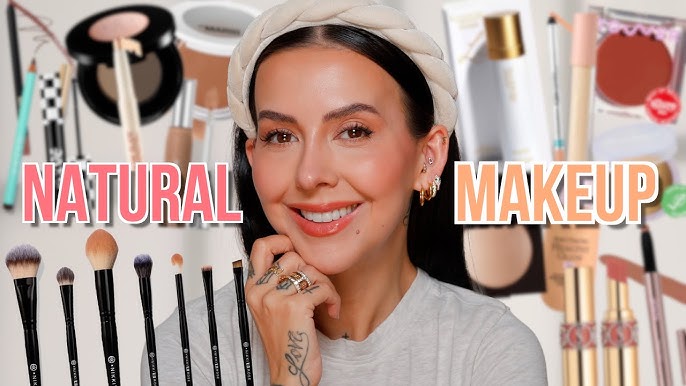
In the world of beauty, the allure of a natural makeup look never fades. Whether you are heading to work, attending a casual brunch, or simply want to enhance your features without looking overly made-up, mastering the art of natural makeup is essential. Unlike bold, dramatic styles, a natural makeup look emphasizes your inherent beauty, creating a fresh and effortless appearance. Over the years as a makeup enthusiast and professional, I have gathered several tips and tricks to achieve this flawless, barely-there look. Here’s a comprehensive guide to help you perfect it.
1. Start with Skincare
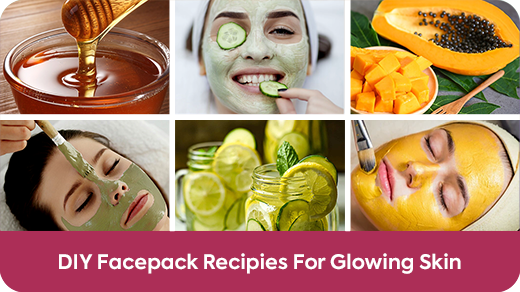
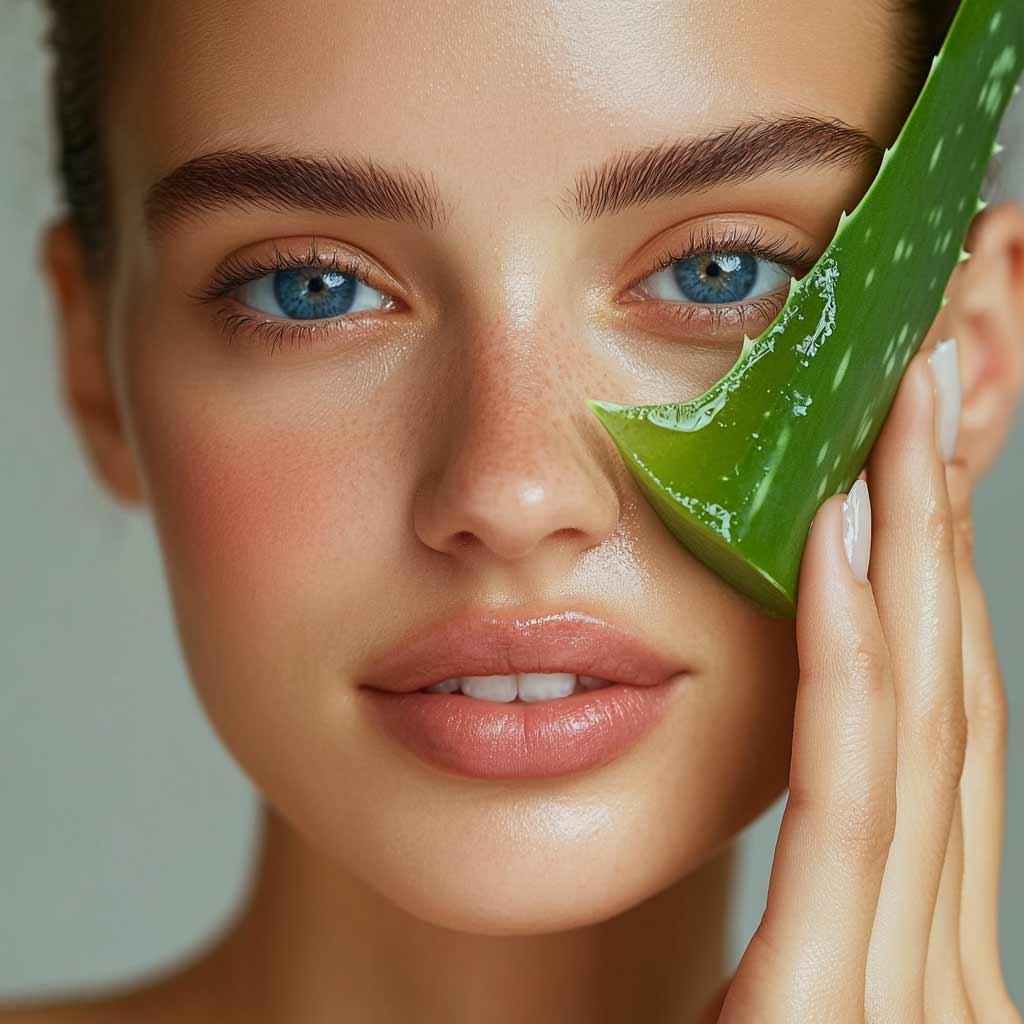
A natural makeup look begins long before you open your makeup kit. Healthy, glowing skin forms the perfect canvas for any makeup. Begin with a consistent skincare routine that suits your skin type. Cleanse your face twice daily, exfoliate a few times a week to remove dead skin cells, and use a toner to balance your skin’s pH. Moisturizing is key – even if your skin is oily, a lightweight, oil-free moisturizer can prevent your makeup from looking cakey.
Sunscreen is another non-negotiable. Even when aiming for a natural look, protecting your skin from UV damage helps maintain an even tone and prevents premature aging. If you have specific skin concerns like acne, pigmentation, or dryness, treat them with serums or treatments before applying makeup. Remember, natural makeup is all about enhancing healthy skin, not covering it up entirely.
2. Prime Your Skin
Priming is a crucial step that many people overlook when aiming for a natural finish. A good primer helps even out skin texture, minimize pores, and extend the longevity of your makeup. For a natural look, choose a lightweight, hydrating primer or one that blurs imperfections without creating a heavy base.
If your skin is oily, a mattifying primer can prevent shine throughout the day. For dry skin, a luminous or dewy primer will add radiance without making you look greasy. The goal here is subtle enhancement, not heavy coverage.
3. Choose the Right Foundation
Foundation is one of the most important elements of a natural makeup look. Unlike full-coverage foundations that can feel heavy, a natural look requires lightweight formulas such as tinted moisturizers, BB creams, or CC creams. These products even out your skin tone while allowing your natural complexion to shine through.
When selecting a foundation, always match it to your neck and jawline rather than just your face. Avoid going too light or too dark, as mismatched tones are easily noticeable. Blend foundation using a damp beauty sponge or a soft brush, starting from the center of your face and working outward. Less is more – it’s easier to build coverage in areas that need it rather than applying a thick layer all over.
4. Conceal Strategically
Concealer is a natural makeup hero if used wisely. Instead of covering your entire face, focus on specific problem areas like under-eye circles, blemishes, redness, or discoloration. Choose a lightweight, creamy concealer that blends seamlessly with your foundation.
Use a small brush or your fingertips to dab concealer gently on these areas. Avoid heavy layers, which can make your skin look cakey and unnatural. The trick is to conceal without creating a mask-like effect. After applying, blend the edges with a beauty sponge for a smooth transition into your foundation.
5. Embrace Natural Brows
Eyebrows frame your face, and for a natural look, they should appear defined yet soft. Start by brushing your brows with a spoolie to shape them and see their natural arch. Use a brow pencil, powder, or tinted brow gel in a shade close to your natural hair color to fill in sparse areas.
Avoid drawing harsh lines or overfilling, as this can create a bold, artificial effect. The goal is to enhance your natural brow shape and add dimension. A clear brow gel can help keep hairs in place without looking heavy.
6. Keep Eye Makeup Subtle
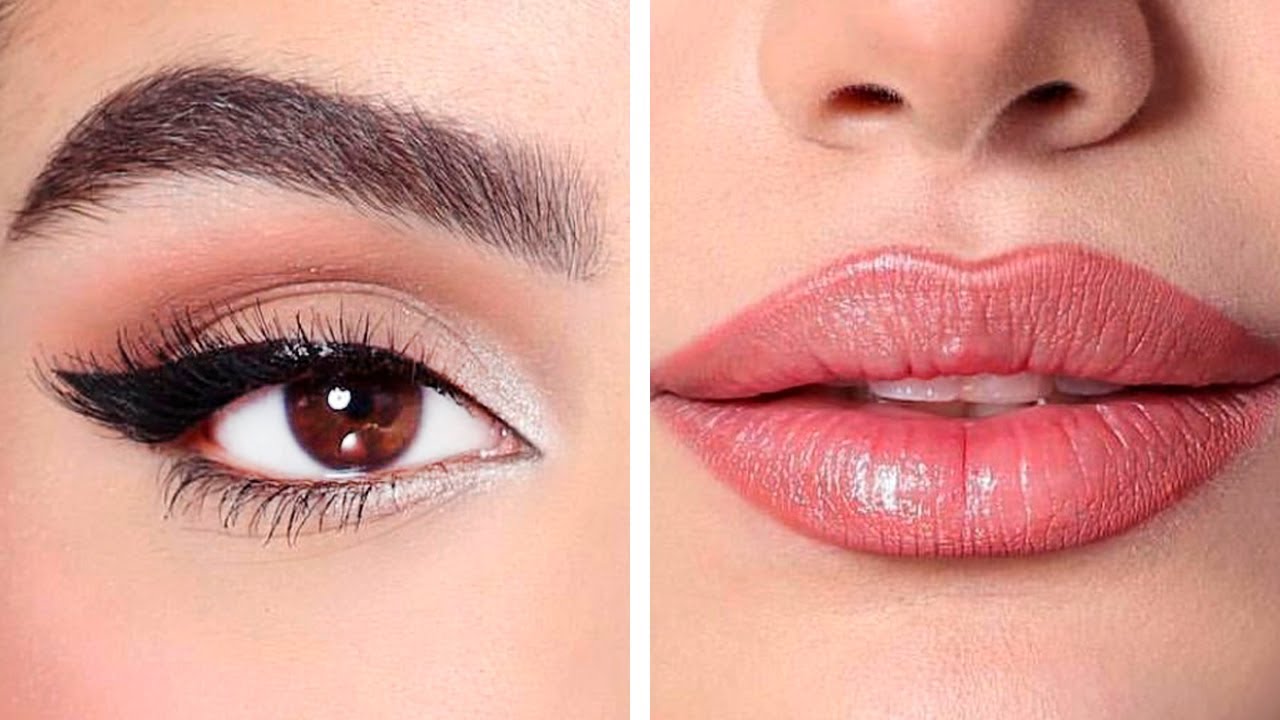
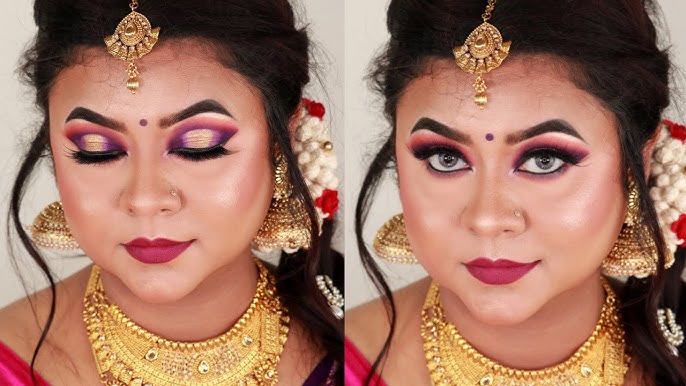
For eyes, less is more when aiming for a natural look. Neutral eyeshadows in shades of soft brown, beige, or peach work beautifully to enhance your eyelids without making them look overdone. Apply a light wash of color over the entire lid and a slightly darker shade in the crease for depth.
Eyeliner should be used sparingly. Opt for a brown or taupe pencil applied close to the lash line to subtly define your eyes. Avoid heavy winged liner for a natural look. If you want a little lift, tightlining your upper waterline with a dark pencil is a trick that gives the illusion of fuller lashes without obvious liner.
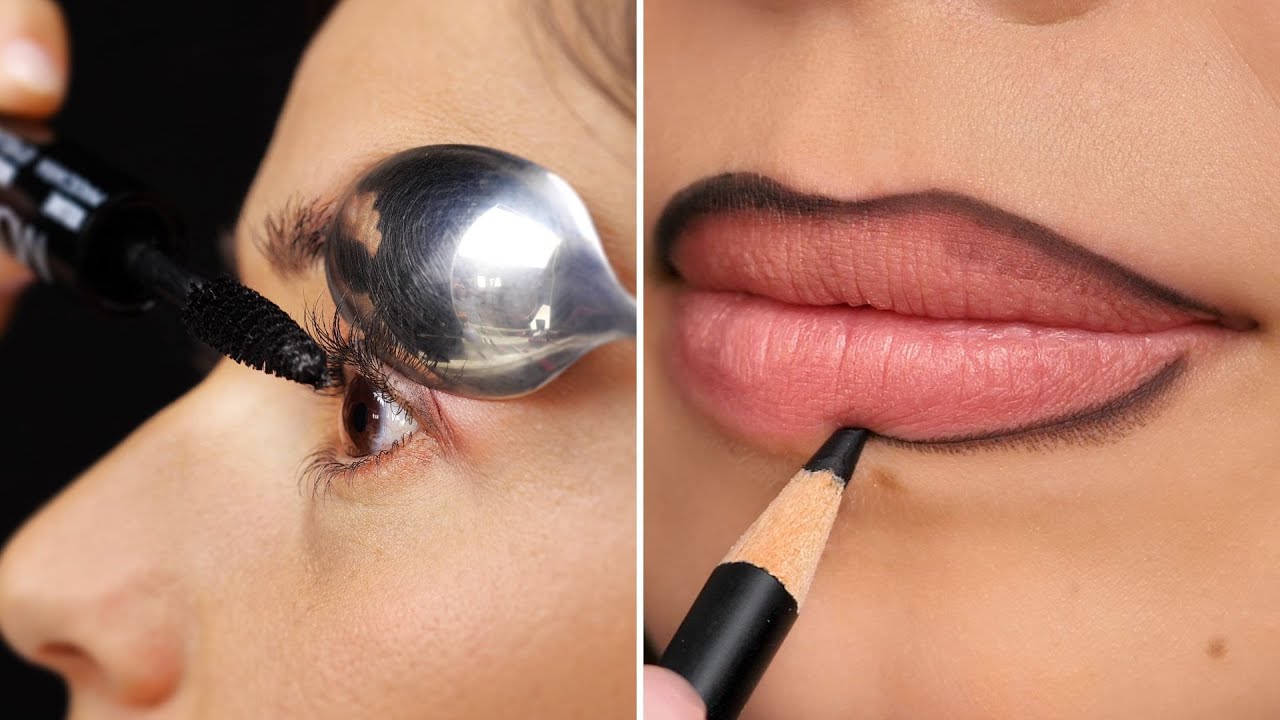
Mascara can make a significant difference. Apply one or two coats of a lengthening, natural-looking mascara to your upper lashes. Skip the lower lashes if you want a softer daytime look.
7. Go Light on Blush and Bronzer
Blush and bronzer can enhance your features, but overdoing them can ruin a natural look. Choose cream-based formulas for a dewy finish that blends seamlessly with your skin. Apply blush on the apples of your cheeks and blend upwards toward your temples for a subtle, healthy glow.
Bronzer can be used sparingly to add warmth and a slight contour. Focus on areas that naturally catch the sun – forehead, cheekbones, and jawline. Blend well to avoid harsh lines. The goal is sun-kissed warmth, not dramatic contouring.
8. Highlight Your Natural Glow
Highlighter is perfect for achieving that “lit-from-within” look. Use a subtle, cream or liquid highlighter on high points of your face: the tops of cheekbones, bridge of the nose, brow bones, and cupid’s bow. Avoid chunky glitter or overly shimmery formulas; instead, aim for a soft radiance that mimics natural skin luminosity.
Highlighter should enhance your natural features rather than draw attention as a separate product. Remember, subtlety is key.
9. Choose Natural Lip Colors
Your lips can tie the entire natural makeup look together. Neutral shades that complement your skin tone – soft pinks, nude browns, or peachy tones – work best. Lip tints or tinted balms are ideal for a natural, lightweight finish that gives just enough color without looking heavy.
For a more polished look, line your lips lightly with a lip pencil in a similar shade to prevent feathering. Avoid bold reds or dark shades if you’re aiming for an understated, fresh appearance.
10. Set Your Makeup Lightly
Setting your makeup ensures it lasts all day while maintaining a natural finish. Use a lightweight setting powder only in areas prone to shine, such as the T-zone. Avoid baking or applying too much powder, as it can make your skin look dry and heavy.
A setting spray with a dewy finish can help meld all the products together, making your makeup look like a second skin. This step gives a soft-focus effect and keeps your look fresh throughout the day.
11. Focus on Blending
The secret to natural makeup is seamless blending. Harsh lines, uneven textures, or unblended products instantly make makeup look artificial. Invest time in blending foundation, concealer, eyeshadow, and blush to ensure everything transitions smoothly.
Use soft brushes or damp beauty sponges for a flawless finish. The more natural the gradient between shades, the less “made-up” your look will appear.
12. Less is More: Know When to Stop
A natural makeup look is all about restraint. As you apply each product, step back and assess your face. Ask yourself if the product enhances your natural features or simply adds bulk. The aim is to accentuate, not to mask. Sometimes applying one product too many layers can undo the effort of subtlety.
13. Maintain Your Tools and Hygiene
Even the best techniques can fail if your brushes and tools are dirty. Regularly clean your makeup brushes, sponges, and applicators to prevent bacteria, breakouts, and uneven application. Clean tools also help products blend better and maintain a soft, natural finish.
14. Confidence is Key
Finally, remember that natural makeup works best when paired with confidence. Your expression, posture, and attitude play a huge role in how your look is perceived. Embrace your natural features, smile, and carry yourself with poise. Makeup should enhance your beauty, not define it.
Pro Tips Summary:
-
Skincare first: Healthy skin is the perfect canvas.
-
Use lightweight base products: Tinted moisturizers or BB creams over heavy foundation.
-
Conceal strategically: Only cover what’s necessary.
-
Enhance natural brows: Fill sparingly for definition.
-
Neutral eyes: Soft eyeshadow, minimal eyeliner, natural mascara.
-
Soft blush and bronzer: Cream-based for natural warmth.
-
Subtle highlight: Focus on areas that naturally catch light.
-
Natural lips: Tinted balm or nude shades.
-
Blend thoroughly: Avoid harsh lines.
-
Set lightly: Use powder only where necessary; finish with setting spray.
-
Less is more: Know when to stop layering.
-
Maintain tools: Clean brushes and sponges for smooth application.
-
Confidence matters: Carry your look with self-assurance.
Final Thoughts
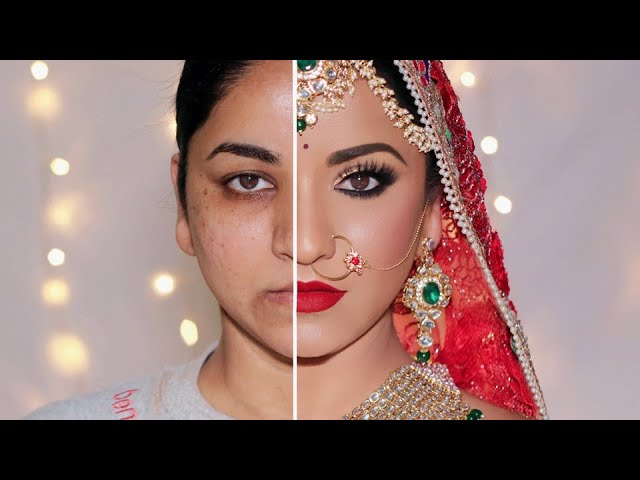
Achieving a natural makeup look is not about skipping steps or using fewer products—it’s about technique, blending, and choosing the right products. By focusing on enhancing your features rather than masking them, you can create a fresh, radiant, and effortlessly polished appearance. With practice, these tips will help you master a look that is versatile, flattering, and perfect for any occasion. Remember, natural makeup is timeless, elegant, and above all, authentic.
Your makeup should reflect your personality while enhancing your natural beauty. Follow these steps, and soon you’ll find that a “no-makeup” makeup look is not only achievable but also your go-to style for any day.
Read Also: Keep your face towards the sunshine and shadows will fall behind you
Watch Also: https://www.youtube.com/@TravelsofTheWorld24







Leave a Reply